Mule Deer Winter Range and Survival
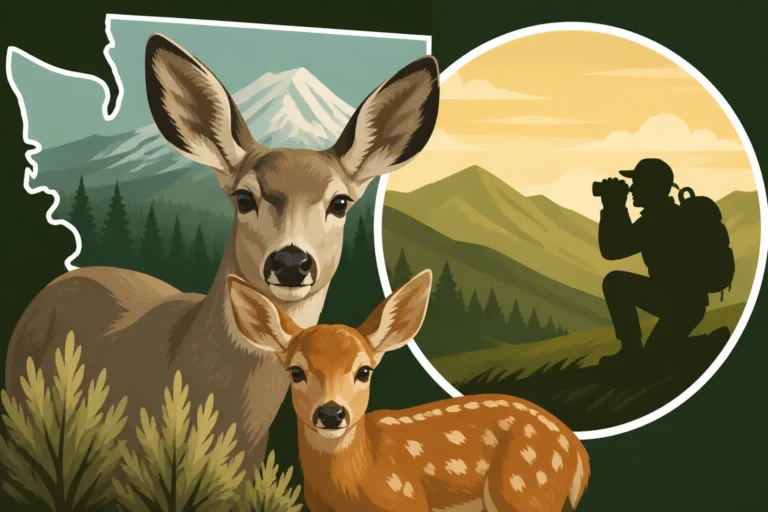
Hunting mule deer in Washington, particularly after a long, brutal winter, can be incredibly challenging. Hunters often worry about the health of the herd, where deer might be concentrated, and if the population has taken a hit. Understanding the critical role of winter range and how mule deer survive those lean months is absolutely essential for any serious hunter, not just for success, but for appreciating the resilience of these animals. This comprehensive guide will take a deep dive into Washington's mule deer winter range, exploring the harsh realities deer face, the factors influencing their survival, and how management and conservation efforts play a vital role.
Understanding Washington's Mule Deer Winter Range
For anyone who's spent time chasing mule deer east of the Cascades, you know that come late fall and winter, these animals aren't just roaming anywhere. They’re making strategic moves to specific areas known as winter range. This isn't just a casual preference; it's a matter of life and death, and understanding these critical zones is key to understanding the species' survival.
Defining Winter Range in Eastern Washington
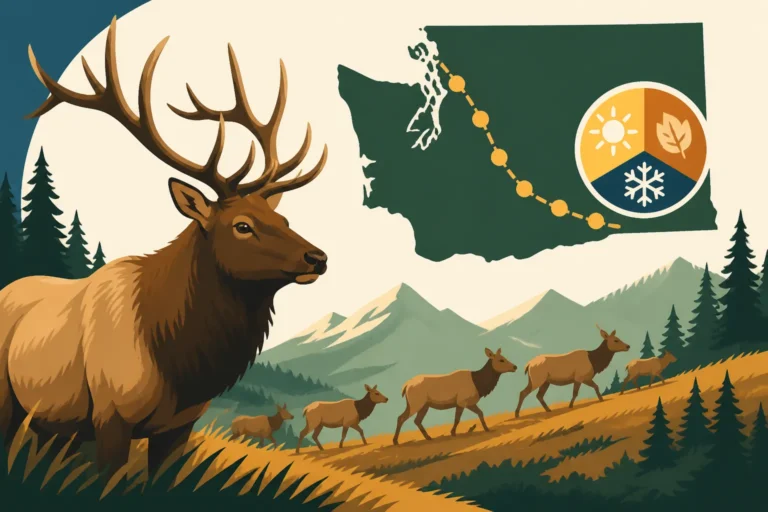
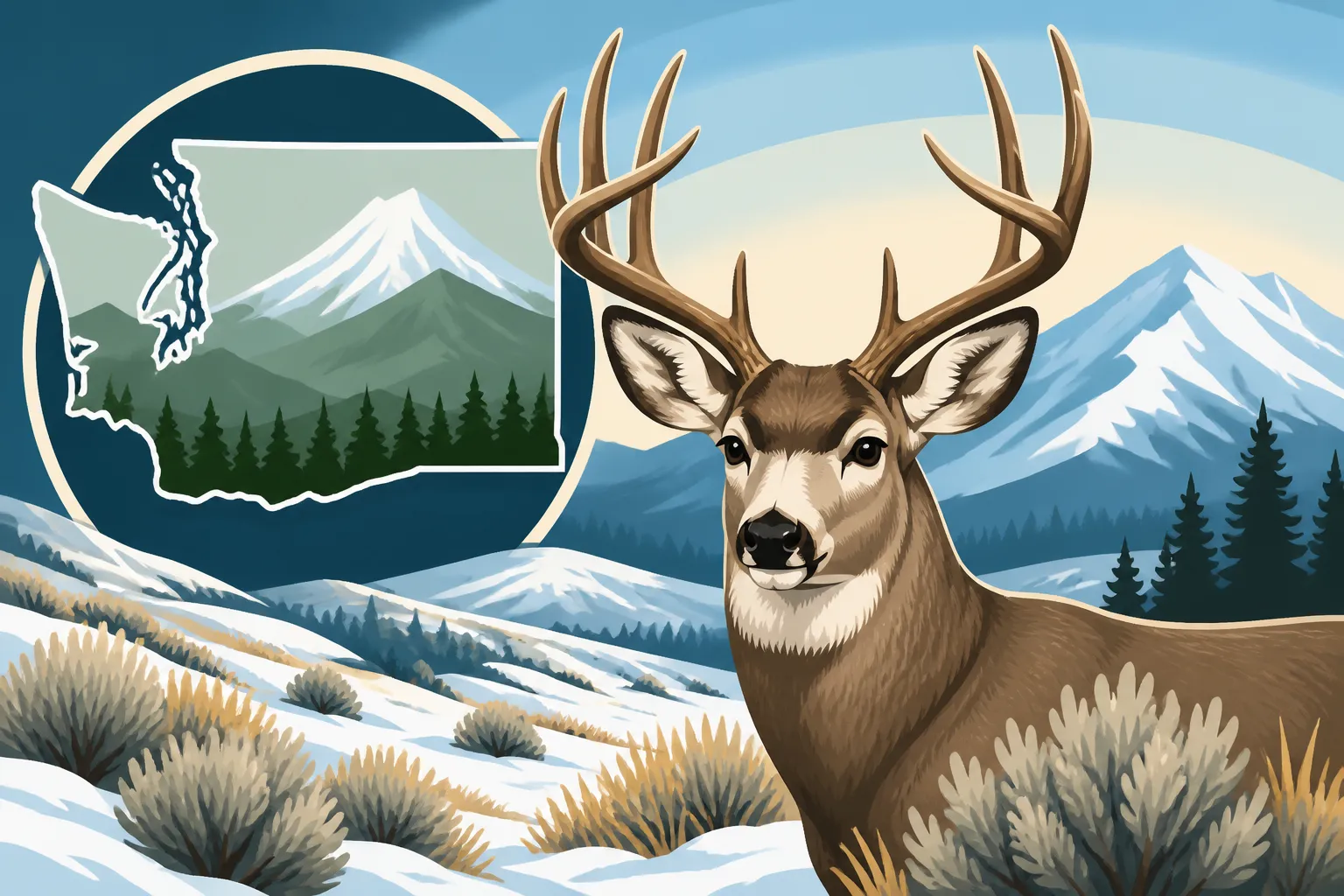
When we talk about mule deer winter range in Eastern Washington, we're typically referring to lower elevation slopes, canyons, and river bottoms that offer a combination of reduced snow depth, available forage, and thermal cover. As soon as the first significant snows hit the higher elevations, mule deer begin their annual migration downwards. This isn't a random drift; it's an ingrained journey to traditional areas that have historically provided the best chance for survival. Think of the shrub-steppe habitats along the Columbia River, the lower slopes of the Blue Mountains, or the protected draws of the Okanogan and Methow valleys. These aren't just pretty landscapes; they are vital refuges. These areas are often drier, receiving less precipitation, which translates to less snow accumulation. Less snow means easier movement, less energy expended, and crucially, access to browse that might otherwise be buried. For a deeper dive into these migration patterns, check out our guide on Mule Deer Migration Corridors.
Critical Habitat Features for Survival
A prime mule deer winter range isn't just a place with less snow; it's a complex ecosystem providing several critical components. First and foremost is forage. Deer need access to nutritious browse that can sustain them through months when their metabolism slows down, but their energy demands are still high. Bitterbrush, sagebrush, and various native grasses are staples. Thermal cover is another non-negotiable feature. Dense stands of juniper, ponderosa pine, or even thick shrub patches can provide shelter from biting winds and heavy snow, allowing deer to conserve precious body heat. Imagine a frigid, windy day – just finding a spot out of the wind can make all the difference for an animal trying to minimize energy loss. Escape cover, too, is vital. While deer are trying to conserve energy, they still need places to quickly retreat from predators, which are often more active and visible on sparse winter ranges. Cliffs, dense thickets, or steep, broken terrain all offer a needed sanctuary. When you're trying to locate deer with tools like GoHunt's mapping software, paying attention to these specific features within a designated winter range will give you a significant advantage.
The Harsh Realities of Winter for Mule Deer
Winter in Washington's high desert and mountain foothills is no picnic, especially for mule deer. It's a relentless test of endurance, a period where survival hinges on stored fat reserves, available nutrition, and sheer luck. Understanding these challenges can really shift your perspective when you're out there, whether you're scouting or hunting late in the season.
Nutritional Stress and Energy Depletion
From the moment the snow starts flying, mule deer enter a survival mode that is nutritionally demanding. Their natural metabolism slows down, but the energy costs of just being in winter conditions are immense. Every step through deep snow burns calories at an accelerated rate. Finding browse that isn't buried or encased in ice takes effort. The quality of available forage also drops significantly. Fall forages are rich in protein and energy, but by mid-winter, what's left is often woody, less digestible, and offers fewer nutrients. This means deer are constantly depleting their fat reserves built up during the lush summer and fall months. You'll often see mule deer looking gaunt by late winter, their ribs and hip bones more pronounced. This isn't just a visual detail; it's a stark indicator of the severe nutritional stress they endure. If the winter is long and harsh, or if multiple severe winters occur back-to-back, the overall health and reproductive capacity of the herd can be dramatically impacted, leading to lower fawn survival in the spring.
Predation Risks in Winter Conditions
While mule deer are masters of camouflage and evasion, winter makes them particularly vulnerable to predators. Their movement is hampered by deep snow, making escape difficult and costly in terms of energy. Their weakened physical condition from nutritional stress also makes them less able to outrun or fight off threats. Predators like coyotes, bobcats, and even increasing wolf populations in certain areas of Eastern Washington, are all on the prowl. Coyotes, in particular, can be highly effective predators of deer, especially fawns and older, weaker adults, when snow makes the deer's agility less of an advantage. When temperatures drop and snow cover is extensive, predators can sometimes travel more efficiently on crusted snow, further tipping the scales against deer. Observing coyotes in Eastern Washington can sometimes show you just how prevalent these predators are in critical deer habitat. This increased predation pressure, combined with the other stresses, creates a significant hurdle for mule deer trying to make it through until spring.
Factors Influencing Mule Deer Winter Survival
Winter survival for mule deer in Washington is rarely about a single factor. It's a complex interplay of environmental conditions, habitat quality, and even human presence. Each of these elements can tip the balance between a thriving herd and one struggling to maintain its numbers.
Snow Depth and Duration Impacts
Perhaps the most significant environmental factor impacting mule deer survival is the combination of snow depth and how long it lasts. Shallow, intermittent snow is manageable. Deep, persistent snow, however, is a killer. When snow depths consistently exceed 18-24 inches, mule deer struggle to move efficiently, burning immense amounts of energy with every step. This isn't just about walking; it's about accessing food. Browse that would normally be available gets buried, forcing deer to rely on less nutritious twigs and bark, or to starve. Prolonged snow cover also means a longer period of stress, extending the time deer are burning through their fat reserves with little opportunity to replenish them. A series of heavy snow years can decimate fawn crops and even impact mature deer, leading to significant population declines. Wildlife managers keep a close eye on Snowpack Effects on Elk Survival – and it’s equally relevant for mule deer, especially in areas where their ranges overlap.
Habitat Quality and Forage Availability
Even with moderate snow, poor habitat quality can spell disaster for mule deer. A robust winter range offers diverse, high-quality browse species that remain accessible throughout the winter. Areas that have been degraded by overgrazing, wildfire, or invasive species may lack the critical forage needed. For example, a winter range dominated by cheatgrass (an invasive species) instead of native bitterbrush or sagebrush offers very little nutritional value when deer need it most. Forest fires, while sometimes beneficial in the long term for creating new growth, can temporarily reduce available browse and thermal cover if they occur in key wintering areas. The health of a mule deer herd is directly tied to the health of its winter habitat. Efforts to improve and restore these habitats are crucial, as highlighted by our discussions on Mule Deer Numbers in Eastern Washington. When you're using tools like GoHunt's advanced mapping layers, you can often identify areas that are managed or designated as critical winter range, indicating better habitat stewardship.
Human Disturbance and Management
While natural forces are dominant, human disturbance can also play a role in mule deer winter survival. Recreational activities like snowmobiling, cross-country skiing, or even winter hiking in critical winter range areas can stress deer, forcing them to flee and expend vital energy they can't afford to lose. This is why many state and federal agencies implement Washington Winter Range Closures That End Late Hunts to protect these vulnerable animals during the leanest months. On the management side, the Washington Department of Fish and Wildlife (WDFW) plays a crucial role. They monitor herd health, track survival rates, and adjust hunting seasons and permit allocations based on population data and winter severity. Furthermore, programs like targeted habitat restoration, water source development in dry areas, and managing livestock grazing in winter range can directly influence mule deer survival rates, ensuring the herd has the best possible chance to thrive.
The Role of Migration in Winter Survival
Migration isn't just an interesting natural phenomenon for mule deer; it's a deeply ingrained, life-saving strategy honed over millennia. For Washington's mule deer, especially those dwelling in the rugged landscapes east of the Cascades, the annual journey to and from winter range is absolutely critical for the survival of individuals and the health of the entire herd. Without this strategic movement, many more deer would succumb to the harsh realities of a mountain winter.
Timing and Triggers for Mule Deer Migration
The timing of mule deer migration isn't a fixed date on the calendar; it's a nuanced response to environmental cues. Typically, the first significant snowfalls at higher elevations, combined with dropping temperatures, act as the primary triggers. As their high-elevation summer feeding grounds become less accessible and forage quality declines, the deer instinctively begin their descent. This isn't a single, mass exodus but often a gradual movement, with deer trickling down to lower elevations. The specific routes, or migration corridors, are learned behaviors passed down through generations. These paths are often incredibly specific, funneling deer through natural breaks in the landscape, along ridge lines, or down river valleys, minimizing energy expenditure while maximizing safety. Understanding these patterns is key for anyone trying to decipher mule deer movements during transitional seasons. Our discussion on Mule Deer Migration Corridors provides more specific details about these vital pathways.
Challenges and Benefits of Migration
While essential, migration is not without its perils. The journey itself can be energetically demanding, especially for fawns or older, weaker deer. They face increased exposure to predators in unfamiliar territory, and human infrastructure like roads and fences can pose significant obstacles and hazards. However, the benefits far outweigh these challenges. By moving to lower elevations, mule deer gain access to areas with shallower snow, which makes foraging easier and less energetically costly. These winter ranges typically offer more abundant and accessible browse, even if it's not as high quality as summer forage. Crucially, migrating allows deer to escape the extreme cold and deep snow that would make survival impossible in their summer habitats. It's a trade-off: a tough journey for a better chance at survival. For hunters and conservationists alike, protecting these migration corridors is paramount, ensuring deer can freely access the winter range that sustains them.
Conservation and Management of Winter Ranges
When you understand how tough mule deer winters truly are, the importance of dedicated conservation and management efforts for their winter ranges becomes crystal clear. It's not just about protecting animals; it's about preserving a vital part of Washington's natural heritage and ensuring healthy, huntable populations for the future.
WDFW Efforts and Habitat Restoration
The Washington Department of Fish and Wildlife (WDFW) is at the forefront of mule deer winter range conservation. Their work often involves extensive habitat restoration projects. This might mean prescribed burns to rejuvenate sagebrush and bitterbrush stands, removing invasive species that outcompete native forage, or planting preferred browse species. They also work to enhance water sources, which, while not as critical in winter, are vital during other parts of the year to support a healthy herd that enters winter in good condition. WDFW also works with private landowners to secure access and implement conservation easements on critical wintering grounds, acknowledging that much of this important habitat often falls on private property. By understanding the data, WDFW sets regulations, including harvest quotas and season dates, to ensure populations remain sustainable, especially following severe winters. Their mapping tools and data, often available through platforms like GoHunt, allow hunters to see where these critical areas are located and how they're being managed.
How Hunters Can Contribute to Survival
As hunters, we have a significant role to play in the long-term survival of Washington's mule deer. One of the most direct ways is by respecting winter range closures and avoiding disturbing deer during the critical winter months. Even unintentional disturbance, like walking a dog or using off-road vehicles in closed areas, forces deer to expend energy they desperately need to conserve. Supporting organizations that focus on habitat conservation, like the Mule Deer Foundation, is another impactful way to contribute. These groups often work directly on the ground, funding and executing habitat improvement projects. Additionally, participating in WDFW's public comment periods on management plans and regulations can ensure a strong voice for responsible hunting and conservation. Finally, accurate harvest reporting is essential. When you report your harvest, you're providing WDFW with crucial data points that help them assess herd health and adjust future management strategies. Every piece of information helps them make informed decisions to protect Mule Deer Numbers in Eastern Washington.
Table: Key Mule Deer Winter Range Areas in Washington
| Region | General Location | Key Winter Range Characteristics | Common Forage Species | Primary Threats |
|---|---|---|---|---|
| Okanogan Highlands | Methow Valley, Okanogan River corridor, Loup Loup | Lower elevation shrub-steppe, conifer breaks, south-facing slopes | Bitterbrush, sagebrush, serviceberry | Deep snow, habitat fragmentation, predation |
| Columbia Basin | Breaks of the Columbia River, Beezley Hills | Steep, rocky canyons, sagebrush flats, limited timber cover | Sagebrush, cheatgrass (invasive), juniper | Drought, limited forage quality, human disturbance |
| Blue Mountains | Lower foothills, Pataha Creek, Tucannon River | Open ponderosa pine forests, shrubby draws, agricultural edges | Mountain mahogany, bitterbrush, grasses | Winter severity, disease (EHD), habitat conversion |
| Yakima/Colockum | Umtanum Ridge, Wenas Valley, Colockum Pass | Shrub-steppe, scattered timber, sheltered benches | Sagebrush, bitterbrush, ponderosa | Highway mortality, intense hunting pressure, limited public access |
Disclaimer
Please remember that hunting regulations, seasons, and access rules can change frequently. Always consult the most current Washington Department of Fish and Wildlife (WDFW) regulations pamphlet and relevant land management agency rules before planning any hunting trip. This guide is for informational purposes only and should not replace official sources.