Once-in-a-Lifetime Species in Washington
The dream of drawing a truly special hunting tag is something many of us Washington hunters share, but navigating the world of "once-in-a-lifetime" species can feel like trying to decipher an ancient map. The limited availability and intense competition can be disheartening, making these hunts seem like an impossible fantasy. This guide aims to demystify Washington's most coveted big game permits, walking you through the application process, what to expect, and how to increase your odds for these extraordinary hunting adventures.
Understanding Washington's Once-in-a-Lifetime Hunt Concept
When you hear "once-in-a-lifetime," it truly means something unique in the hunting world. These aren't just rare tags; they often signify a hunt for a species or in an area that is so sensitive or precious that the state limits participation to ensure sustainable populations for generations to come. For many, drawing one of these permits represents the pinnacle of a hunting career, a chance to pursue an animal most only dream of.
What "Once-in-a-Lifetime" Truly Means
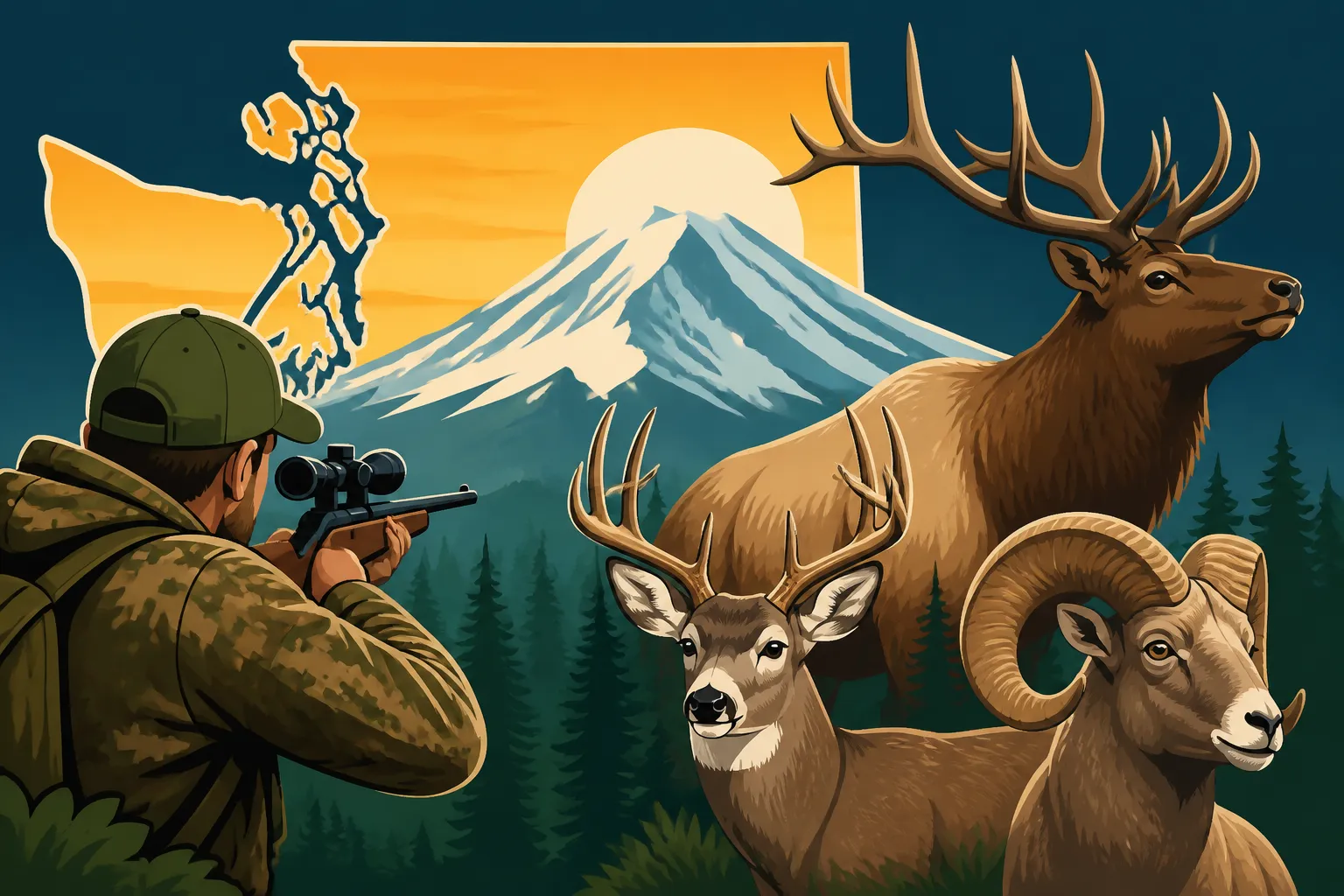
In Washington, "once-in-a-lifetime" primarily applies to three majestic big game species: moose, bighorn sheep, and mountain goat. The Washington Department of Fish and Wildlife (WDFW) has specific regulations stating that if you successfully draw a permit for one of these species, you generally cannot draw another permit for that same species ever again in Washington. This isn't just about the scarcity of the animals; it's a conservation measure designed to spread the opportunity among as many hunters as possible over time, ensuring that the privilege is shared. It creates a special kind of reverence for the hunt, knowing that this might be your one shot.
Imagine the feeling of finally having your name drawn after years, maybe even decades, of applying. It's more than just a hunt; it's a profound experience that connects you to the wild in a way few other hunts can. This strict rule amplifies the excitement and the responsibility that comes with such a tag. It demands meticulous preparation, respect for the animal, and a deep appreciation for the unique opportunity presented. It's not uncommon for hunters to spend years just researching units, glassing areas, and learning the habits of these animals long before they ever get a tag in hand.
The Rarity and Value of These Permits
The value of a once-in-a-lifetime permit isn't measured in dollars, but in the incredible rarity of the experience. We're talking about single-digit draw odds in many cases, sometimes even fractions of a percent, depending on the species and the specific hunt choice. For example, some bighorn sheep units might only offer one or two tags across the entire state in a given year, making the competition astronomical. This extreme scarcity contributes to the mythical status of these hunts and why so many hunters faithfully apply year after year, fully aware of the long odds.
This rarity also makes these animals highly prized. Not only is the hunt itself a significant challenge, but the sheer effort and perseverance required just to obtain the permit imbues the experience with immense value. Hunters who draw these tags often treat them with the utmost seriousness, hiring experienced guides, dedicating weeks to scouting, and investing heavily in specialized gear. It’s an investment of time, money, and passion, all focused on making that one-time opportunity count. The stories shared by those lucky enough to draw are legendary, passed down around campfires and through hunting forums, inspiring others to keep putting in for their own chance.
Washington Moose: The Elusive Forest Giant
Few animals command as much respect and awe in Washington's forests as the moose. These massive, long-legged giants are a sight to behold, and pursuing them is an experience unlike any other. However, they are exceedingly rare across much of the state, making a moose permit one of the most sought-after tags available.
Where Washington Moose Herds Roam
While moose are slowly expanding their range, particularly in the northern reaches of Washington, they are predominantly found in the northeastern corner of the state. The Selkirk Mountains, straddling the border with Idaho and British Columbia, are the heart of Washington's moose population. Here, the landscape of dense lodgepole pine forests, willow bottoms, and clear-running streams provides the ideal habitat for these impressive animals. Units like the Selkirk (GMU 117), 49 Degrees North (GMU 121), and Huckleberry (GMU 124) are the primary areas where limited moose permits are offered. Occasionally, a permit might pop up in other far eastern Washington units, reflecting the gradual expansion of their territory.
These areas are rugged and vast, often requiring extensive hiking and bushwhacking through thick timber and challenging terrain. Unlike elk or deer, moose tend to be more solitary and prefer dense cover, making them a true test of a hunter's patience and woodsmanship. Knowing the specific types of browse they prefer, like willow and young aspen, and focusing on marshy areas or recent burns, can be key to locating them. Their presence is a testament to successful conservation efforts, slowly bringing these magnificent creatures back to a landscape where they were once absent for many years. You can learn more about specific herd locations in "Washington Moose Population Numbers".
Applying for a Washington Moose Permit
Applying for a Washington moose permit is an annual ritual for many dedicated hunters. It falls under the general special hunt permit application process, where you submit your application through the WDFW licensing system, typically during the spring application window. Each year, WDFW determines the number of available permits based on population surveys and management goals, which are usually very few. You'll specify your hunt choice, including the GMU and weapon type. It's crucial to understand that if you draw a moose permit, you cannot draw another one in Washington ever again, so careful research into your hunt choices is paramount.
The application fee is modest, but the investment of hope and time is significant. Hunters often research historical draw odds, analyze past harvest reports, and consider which units might offer a slightly better chance or a more desired hunting experience. This is where tools like GoHunt can be invaluable. Their insights and data can help you analyze past draw statistics, visualize unit boundaries, and research habitat, potentially giving you an edge in making your limited choices. Remember, the earlier you get your application in during the "Washington Special Hunt Application Deadline", the better, though the draw is random.
Hunt Experience and Expectations
Drawing a Washington moose tag is just the beginning of a truly unforgettable journey. A moose hunt is physically demanding, often taking place in dense, unforgiving terrain. Hunters should be prepared for long days of still-hunting through thick timber, navigating swamps, and dealing with potentially challenging weather conditions. These are not typically long-range shooting opportunities; moose often present themselves in close quarters within their preferred dense cover. Shot placement is critical due to their immense size and heavy bone structure.
Once a moose is down, the real work begins. Packing out a moose from the backcountry is an monumental task, requiring multiple trips and often a dedicated team. Their sheer mass, sometimes upwards of 1,000 to 1,500 pounds live weight, means hundreds of pounds of bone-in meat to transport. Thinking through your strategy for "Packing an Elk Out of Washington's Backcountry" will give you a good idea, but multiply that effort by at least two or three. It's an adventure that tests not only your hunting skills but also your endurance and resolve. Successful moose hunters often speak of the profound sense of accomplishment, not just from taking such a magnificent animal, but from overcoming the immense challenges of the hunt itself.
Washington Bighorn Sheep: Iconic Mountain Dwellers
The sight of a bighorn ram silhouetted against a craggy peak is the stuff of hunting legends. These magnificent animals, with their massive, curling horns, embody the spirit of the high country. In Washington, securing a bighorn sheep permit is arguably the toughest draw of all, offering a truly once-in-a-lifetime opportunity to pursue one of North America's most iconic big game species.
The Two Subspecies in Washington
Washington is home to two distinct subspecies of bighorn sheep: the California bighorn and the Rocky Mountain bighorn. The California bighorn sheep, identifiable by their slightly lighter coloration and more flared horns, primarily inhabit the arid, steep canyons and open sagebrush-covered hillsides of Eastern Washington, particularly in areas like the Sinlahekin and Methow valleys, as well as the Yakima River Canyon. These herds are often found in terrain that offers both escape cover and open areas for feeding.
The Rocky Mountain bighorn sheep, typically larger and darker with tighter curling horns, reside in the rugged, higher elevation mountain ranges of southeastern Washington, most notably in the Blue Mountains. These habitats are characterized by steep, timbered slopes interspersed with open rock slides and grassy alpine meadows. Both subspecies face unique challenges, including disease outbreaks like pneumonia, which can severely impact herd numbers and, consequently, the number of permits offered. Conservation efforts continually monitor these herds, and permit numbers are adjusted carefully to ensure their long-term health and stability. You can learn more about specific populations in "California Bighorn Numbers in Washington" and "Rocky Mountain Bighorn Herds in the Blues".
Draw Odds and Application Strategy
The draw odds for Washington bighorn sheep permits are famously low, often hovering in the single digits for the number of tags available statewide. It's not uncommon for less than ten bighorn tags to be offered across the entire state in a given year. This makes every application count. The application process is part of the general WDFW special hunt application, requiring you to carefully select your hunt choices (GMU and weapon type) during the spring application period. Because of the once-in-a-lifetime rule, many hunters dedicate years to researching specific units and understanding herd dynamics before they even consider applying.
When applying for "Washington Bighorn Sheep Permits", thoroughly understanding each hunt area's characteristics, historical success rates, and the number of tags offered is vital. Some units might be more accessible but have lower success rates, while others are extremely remote but boast higher success if a ram is located. Utilizing online resources like GoHunt can provide crucial data points, such as historical draw odds, unit statistics, and even user-submitted scouting reports. This kind of detailed information is indispensable for making informed choices on your application. Remember, once you draw, you're out of the running for future bighorn permits in Washington, so choose wisely.
The Challenging Bighorn Hunt
A bighorn sheep hunt is perhaps the most physically demanding hunt Washington has to offer. It requires exceptional physical fitness, mental toughness, and a tolerance for extreme elevations and rugged terrain. Hunters typically spend days, if not weeks, glassing vast mountain slopes with high-power optics, systematically searching for rams. The ability to spot a ram from a great distance, evaluate its size and horn characteristics ("Judging Antler Points Before the Shot"), and then execute a strategic stalk through unforgiving landscape is paramount.
The hunt is often conducted in remote wilderness areas, far from roads and services. This means carrying all your gear, food, and water for an extended period, often setting up a "Backpack Camps in Washington Wilderness". Weather conditions in the mountains can change rapidly, from warm sunshine to driving rain or even snow within hours. A successful bighorn hunt is a true test of a hunter's capabilities and a profound connection with some of Washington's most breathtaking wild places. The reward is not just the magnificent animal, but the unparalleled experience of pushing your limits in pursuit of a true mountain monarch.
Washington Mountain Goat: Alpine Acrobats
Mountain goats are the quintessential symbol of the high Cascades, their pure white coats standing out against the rugged granite peaks. Their agility and ability to thrive in extreme alpine environments make them one of the most remarkable animals a hunter can pursue. Like moose and bighorn sheep, a Washington mountain goat permit is an exceptionally rare, once-in-a-lifetime opportunity.
Where Goats Live in the Cascades
Washington's mountain goats primarily inhabit the highest, most rugged elevations of the Cascade Mountain Range, from the North Cascades down to the Goat Rocks Wilderness. These areas are characterized by steep, rocky slopes, alpine meadows, and permanent snowfields. Units like the Alpine Lakes Wilderness, Glacier Peak Wilderness, and the Pasayten Wilderness are known strongholds for these alpine acrobats. While they are stunning to behold, their habitat is often precarious and incredibly difficult for humans to access.
The goats' survival depends on their ability to navigate treacherous cliffs and find sparse vegetation in these harsh environments. They are incredibly adapted to the cold, with thick, shaggy coats and specialized hooves that provide exceptional grip on slippery rock. Their populations are carefully monitored, and while they can be found across a broad swathe of the Cascades, the specific areas open to hunting and the number of permits are highly restricted. Understanding their seasonal movements between high-altitude summer ranges and slightly lower, but still steep, wintering areas is key to locating them, and you can delve deeper into their distribution by reading "Washington Mountain Goat Herds".
Understanding Goat Permit Limitations
Drawing a "Washington Mountain Goat Permit" is another pinnacle achievement for a Washington hunter, and it comes with very specific limitations and responsibilities. As with moose and bighorn sheep, if you draw a goat permit, you cannot draw another one in Washington. This ensures that the limited opportunities are distributed as widely as possible among the hunting community. Furthermore, because of the unique challenges and sensitive nature of mountain goat populations, permit holders often receive extensive orientation and educational materials from WDFW, emphasizing ethical hunting practices, accurate identification (especially distinguishing billies from nannies to avoid taking nannies with kids), and specific carcass salvage requirements.
Due to past concerns regarding population declines and the desire to protect the species, particularly in the Olympic Mountains where goats were translocated and later removed, the management of mountain goats is extremely cautious. The number of permits is typically very low, often in the single digits statewide, reflecting a conservative approach to conservation. Hunters must understand the gravity of the opportunity and adhere strictly to all regulations to help maintain healthy goat populations for the future.
Gear and Fitness for a Goat Hunt
A mountain goat hunt is not for the faint of heart or the unprepared. It demands an elite level of physical fitness, often involving sustained climbing at high altitudes, navigating loose scree fields, and traversing exposure. You'll be carrying a heavy pack with all your essential gear, including optics for "Glassing at First Light" , water, shelter, and emergency supplies, into some of Washington's most remote and rugged terrain. Investing in top-tier boots with excellent ankle support and traction is non-negotiable, as is high-quality layering system to cope with rapid weather changes in the alpine environment.
Beyond physical fitness, mental toughness is crucial. The thin air, steep ascents, and potential for adverse weather can be incredibly draining. Hunters often spend days above treeline, relying on their binoculars and spotting scopes to locate goats, before initiating arduous stalks that can take hours or even a full day. Specialized gear like trekking poles, a lightweight and durable pack frame for carrying out meat and hide, and a reliable satellite communication device are highly recommended. Ethical shot placement is paramount, as a wounded goat can easily escape into impossible terrain, making recovery extremely difficult or impossible. This is a hunt where preparation truly dictates success and safety.
The Application Process for Once-in-a-Lifetime Tags
Successfully navigating the application process for Washington's once-in-a-lifetime tags can feel like solving a complex puzzle. It requires careful attention to detail, a clear understanding of the rules, and a bit of strategic thinking. Many hunters spend countless hours each spring preparing their applications, knowing that a single mistake could cost them their chance at a dream hunt.
Navigating the WDFW Special Hunt Application
The journey to a once-in-a-lifetime tag begins with the Washington Department of Fish and Wildlife's Special Hunt Permit application. This is a centralized system where you apply for all limited-entry hunts, including moose, bighorn sheep, and mountain goat. You'll need to have a current Washington hunting license to apply, though you don't necessarily need the associated big game tag at the time of application for these species; you only pay the application fee. The application window typically opens in April and closes in late May. Details on "How to Apply for a Washington Special Hunt Permit" can be found on the WDFW website, but the online portal is generally intuitive once you've logged into your WILD account.
When filling out the application, you'll select your desired species and then your hunt choices. Washington allows you to make up to four hunt choices, which can include different GMUs or weapon types for the same species, or even different species entirely. However, for moose, sheep, and goat, the quality hunt choices often limit you to fewer selections. It's critical to double-check the hunt code, GMU boundary, and weapon restriction for each choice. Making a mistake here means your application could be for a unit you didn't intend or for a weapon you don't use, potentially wasting your once-in-a-lifetime shot if drawn.
Maximizing Your Chances: Tips and Strategies
While the draw for once-in-a-lifetime tags is purely random in Washington (there are no preference points), there are still strategies to consider to "Maximize Your Chances" and make the most of your application. The first step is thorough research. Dive into the WDFW's annual Big Game Hunting Pamphlet to understand the number of permits offered for each species and unit. Look for units that might have slightly higher permit numbers, even if they're still very low, as this could statistically improve your odds. Consider applying for either-sex or antlerless permits if available, as these often have better odds, though they might not be an option for once-in-a-lifetime species.
Another strategy involves leveraging tools like GoHunt. Their "Insider" platform, for example, offers detailed draw odds, unit profiles, and historical data that can help you identify trends or less-pressured units. While it won't guarantee a tag, it equips you with the best available information to make informed decisions for your limited choices. You might also consider applying for specific hunt choices that are less popular, perhaps units that require significant hiking or are historically less successful, as these might have slightly better odds simply because fewer people apply for them. It's a calculated gamble, but for a once-in-a-lifetime tag, every little edge counts.
Important Dates and Deadlines
Missing a deadline for a once-in-a-lifetime hunt application would be heartbreaking, so keeping track of key dates is absolutely essential. The application period for special hunt permits in Washington typically opens in mid-April and closes in late May. This gives you a few weeks to finalize your choices and submit your application. It’s always a good idea to submit your application well before the official "Washington Special Hunt Application Deadline" to avoid any last-minute technical glitches or unforeseen issues. Don't wait until the final hour!
After the application period closes, WDFW conducts the random draw. The results are usually posted in June, and you can check your status through your personal WILD account online. If you're one of the lucky few, you'll receive a notification and further instructions on how to claim your permit. It’s also important to remember any subsequent deadlines for purchasing your tag if you are successful in the draw, as failing to do so could forfeit your permit. Being proactive and organized will save you a lot of stress and ensure you don't miss out on your incredible opportunity.
Beyond the Draw: Preparing for Your Dream Hunt
Drawing a once-in-a-lifetime tag is a monumental achievement, but it's only the first step. The real work—and excitement—begins the moment you realize your dream hunt is a reality. Proper preparation is not just about increasing your chances of success; it's about honoring the rarity of the tag and ensuring a safe, ethical, and unforgettable experience.
Scouting and E-Scouting for Rare Species
Once you have that coveted tag in hand, the real fun begins: scouting. For species like moose, bighorn sheep, and mountain goat, scouting is absolutely critical and should begin as soon as possible after the draw results are announced. Start with extensive "E-Scouting a Washington GMU From Home". Utilize satellite imagery on platforms like OnX Hunt or GoHunt to identify potential bedding areas, feeding zones, water sources, and travel corridors. Look for terrain features that these animals prefer – dense timber for moose, steep rocky slopes for sheep and goats, and alpine basins. Pay close attention to historical burn areas or recent clearcuts, as these can provide new growth that attracts game.
After e-scouting, if possible, conduct on-the-ground scouting trips. This allows you to verify what you've seen on maps, learn the terrain firsthand, and look for fresh sign. For mountain goats and sheep, this often means hiking into the high country and spending days glassing. For moose, it might involve systematically still-hunting through thick riparian zones. During these trips, focus not just on finding animals, but on understanding their movements, feeding patterns, and potential escape routes. Knowing how the animals behave in your specific unit will be invaluable when the season opens.
Essential Gear for a High-Country Hunt
The gear requirements for hunting Washington's once-in-a-lifetime species are often more specialized and demanding than for general season deer or elk hunts. You'll be operating in some of the state's most challenging environments, requiring durable, reliable, and often lightweight equipment. For bighorn sheep and mountain goat, high-quality optics are paramount. A good set of 10x or 12x binoculars on a tripod is essential for "Glassing Sage and Wheat Edges for Washington Mule Deer" that are applicable to sheep as well, and a powerful spotting scope (20-60x or higher) will be necessary for identifying and evaluating animals at extreme distances in the rugged terrain. A reliable rangefinder with angle compensation is also crucial for accurate shot placement in steep country.
Beyond optics, consider your pack. A sturdy frame pack designed for heavy loads is a must, especially for packing out a moose or a bighorn sheep from remote areas. Layering clothing is key for the variable mountain weather, focusing on moisture-wicking base layers, insulating mid-layers, and a waterproof/breathable outer shell that can withstand Washington's unpredictable conditions. A robust pair of broken-in boots, a dependable water filtration system, and a comprehensive first-aid kit are also non-negotiable. Don't forget a satellite communication device for emergency situations, as cell service will likely be nonexistent in these remote areas.
Physical and Mental Preparation
You can have the best gear and the most detailed scouting reports, but without adequate physical and mental preparation, a once-in-a-lifetime hunt can quickly turn into a grueling ordeal. For mountain goat and bighorn sheep hunts, you need to be in peak physical condition. This means consistent cardiovascular training (hiking with a weighted pack, trail running) and strength training focusing on your core, legs, and back. Start months in advance, gradually increasing intensity and duration. Simulate hunt conditions by hiking steep terrain with your loaded pack. The ability to climb thousands of feet in elevation, potentially multiple times a day, is often required.
Mentally, these hunts are equally challenging. The sheer effort, the solitude, the potential for bad weather, and the pressure of a once-in-a-lifetime tag can be immense. Develop resilience and patience. Practice decision-making under stress. Visualize the hunt, from spotting an animal to making an ethical shot and the arduous pack-out. For all three species, especially moose, the pack-out itself will be one of the most physically and mentally taxing aspects of the entire hunt. Having a solid plan for "Getting Meat Off the Mountain Before Dark" and anticipating these challenges will better prepare you for the reality of these demanding adventures.
The Washington Raffle Permits: Another Path to the Dream
While the general special hunt permit draw is the primary route to a once-in-a-lifetime tag, Washington also offers another exciting avenue: the raffle permits. These unique permits provide an additional, albeit different, chance to pursue one of these coveted species, and they can be a great way to support wildlife conservation efforts in the state.
How Raffle Permits Work
Washington's raffle permits are distinct from the regular special hunt draw. Instead of applying for a permit with a standard application fee and hoping for a random draw, you purchase raffle tickets. Each ticket gives you an entry into a separate draw for a specific species and hunt area. The more tickets you purchase, the higher your chances of winning that particular raffle. These raffles are often hosted by conservation organizations in partnership with WDFW, and the funds generated from ticket sales directly support wildlife management, habitat improvement, and other vital conservation programs within Washington.
The species offered through raffles typically include deer, elk, moose, bighorn sheep, and mountain goat. What makes raffle permits particularly appealing is that they often grant access to premier hunt units or extended seasons, sometimes offering more flexibility than general draw permits. Even if you apply for and don't draw a regular special permit, you can still purchase raffle tickets, providing a second chance at a dream hunt in the same year. This flexibility and the direct contribution to conservation make them an attractive option for many hunters.
Strategic Raffle Ticket Purchases
When considering "Washington Raffle Ticket Prices by Species" and participating in the raffles, a strategic approach can maximize your investment and chances. First, decide which species truly holds your interest. If a moose hunt is your ultimate dream, focus your raffle ticket purchases on the moose raffle. While it might be tempting to spread your tickets across multiple raffles, concentrating your efforts on one or two specific species will give you a higher probability of winning that particular hunt.
Research the specific hunts offered through the raffles. Some raffles might offer a "Minister's Tag" or a "Governor's Tag" which can grant unparalleled access or an extended season length. Understand the odds by looking at how many tickets are typically sold for each raffle. While still long, the odds might be slightly better than the general draw for some of the rarest species, especially if fewer people buy tickets for a particular hunt. Furthermore, remember that this is not a once-in-a-lifetime restriction if you win a raffle tag – you can potentially win a raffle tag multiple times for the same species, making it an excellent alternative path for hunters.
Combining Raffle and General Applications
One of the best strategies for Washington hunters dreaming of a once-in-a-lifetime species is to combine both the general special hunt application process and participation in the raffle permits. There's no conflict between the two; you can apply for a moose permit through the WDFW draw and purchase tickets for the moose raffle in the same year. This effectively doubles your chances, giving you two distinct opportunities to secure that coveted tag.
For example, you could apply for your top choice bighorn sheep unit in the regular draw, then also buy several tickets for the bighorn sheep raffle. If you're fortunate enough to win both, you would then have to choose which permit to accept, as you can only hold one tag for that species per year, and the once-in-a-lifetime rule still applies to the WDFW draw tag. This combined approach demonstrates a deep commitment to pursuing these rare animals and significantly increases your odds over just relying on one method. It's a testament to the dedication that hunters have for these extraordinary experiences, knowing that every little bit helps in the pursuit of a dream.
| Species | Primary Habitat | Physical Difficulty | Average Draw Odds (General) | Once-in-a-Lifetime? | Typical Harvest Method |
|---|---|---|---|---|---|
| Moose | Northeastern forests, swamps | High | <1% | Yes | Still-hunt, short-range rifle |
| Bighorn Sheep | Arid canyons, high mountains | Very High | <0.5% | Yes | Spot & stalk, long-range rifle |
| Mountain Goat | Alpine peaks, steep cliffs | Extremely High | <0.5% | Yes | Spot & stalk, medium-range rifle |
Disclaimer
The information provided in this guide is for general informational purposes only and is not intended as legal advice. Hunting regulations in Washington can change annually. Always consult the most current Washington Department of Fish and Wildlife (WDFW) hunting regulations pamphlet and official WDFW resources before planning any hunt. It is your responsibility to understand and adhere to all applicable laws and regulations.