Where Washington Moose Live
Washington moose populations inhabit the Selkirk Mountains and northeastern counties like Pend Oreille, Stevens, and Ferry.
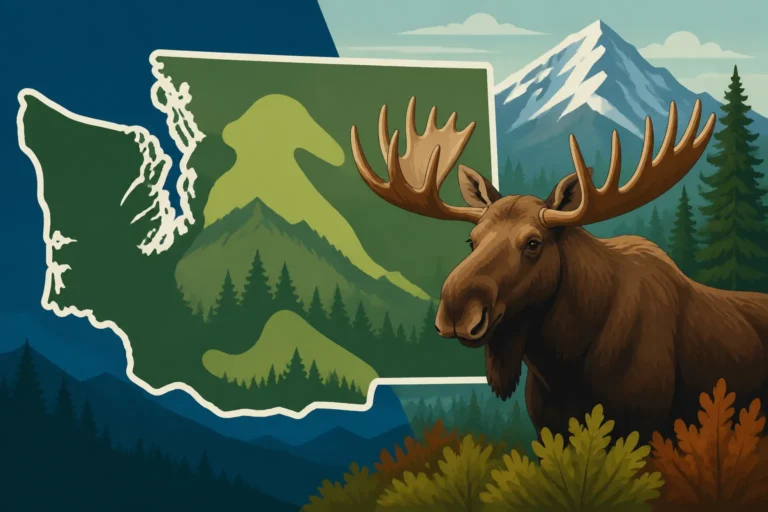
Washington moose populations inhabit the Selkirk Mountains and northeastern counties like Pend Oreille, Stevens, and Ferry.
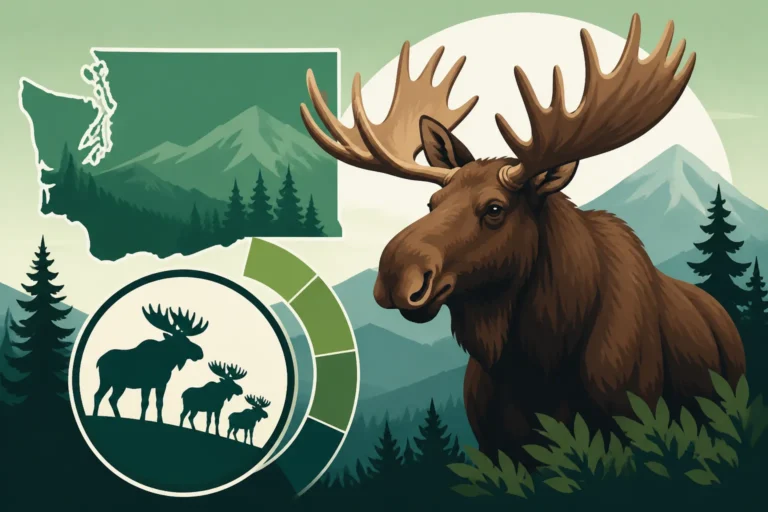
Washington moose population numbers, historical range recovery in the Selkirk Mountains, and factors influencing habitat presence are detailed.
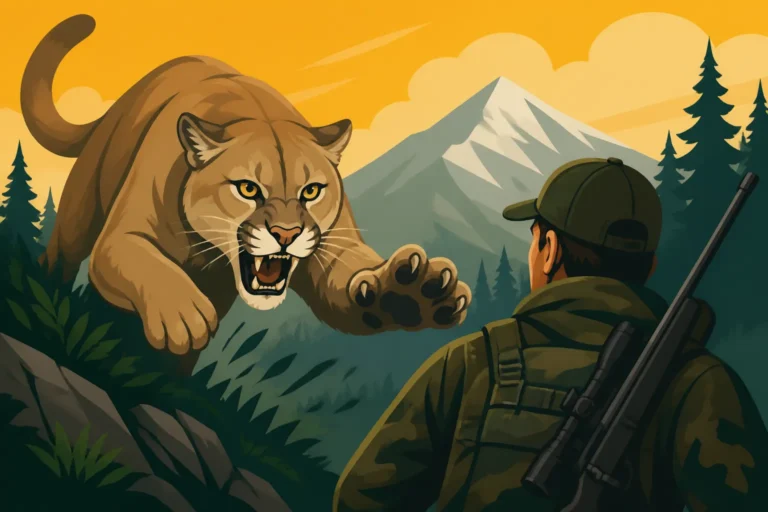
Historical cougar attacks in Washington and practical safety methods help prevent dangerous encounters with these wild predators.
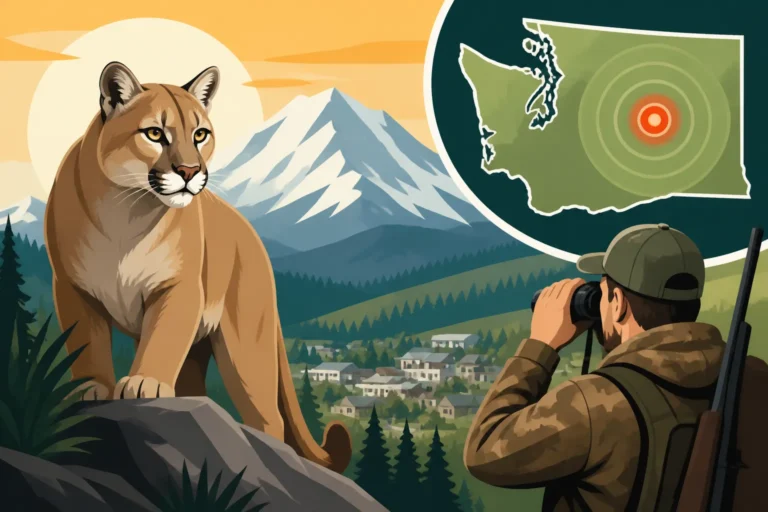
Cougar sightings near Washington towns happen because growing human populations and urban deer herds attract these animals.
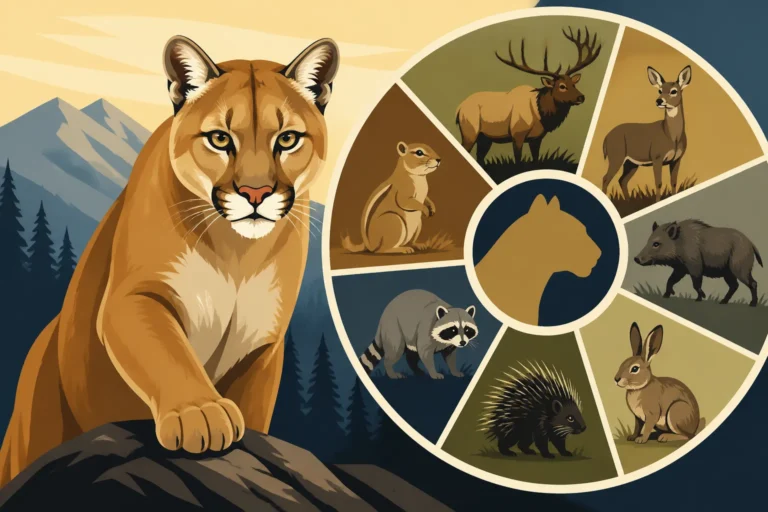
Washington cougar predation habits, annual deer and elk kill rates, and factors influencing predator success in local ecosystems.
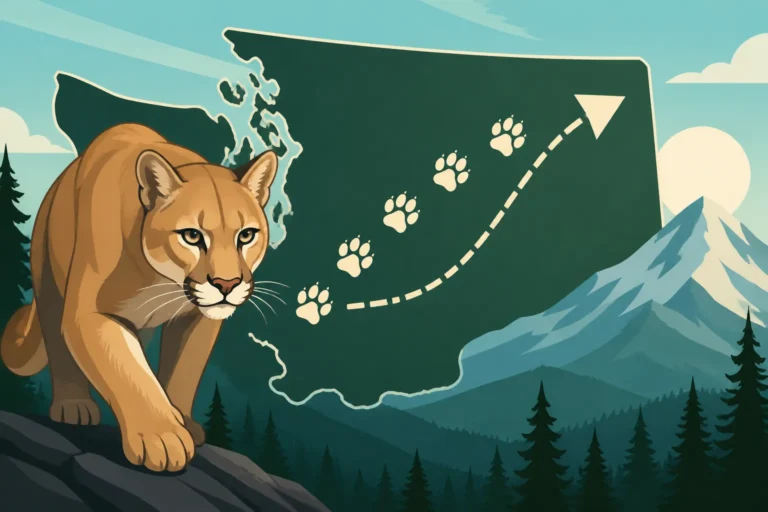
Washington cougar travel distances and movement patterns explained through home range size, habitat quality, and daily hunting routes.
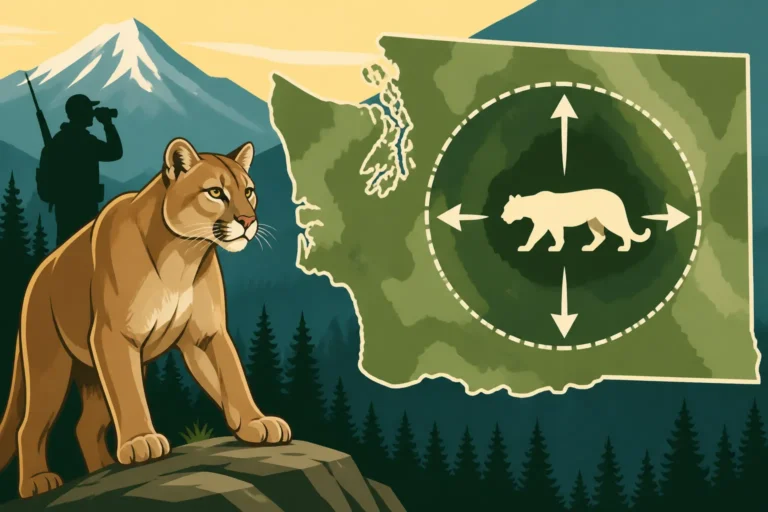
Washington cougar home range sizes, overlapping territories, and the biological differences between male and female wanderers.
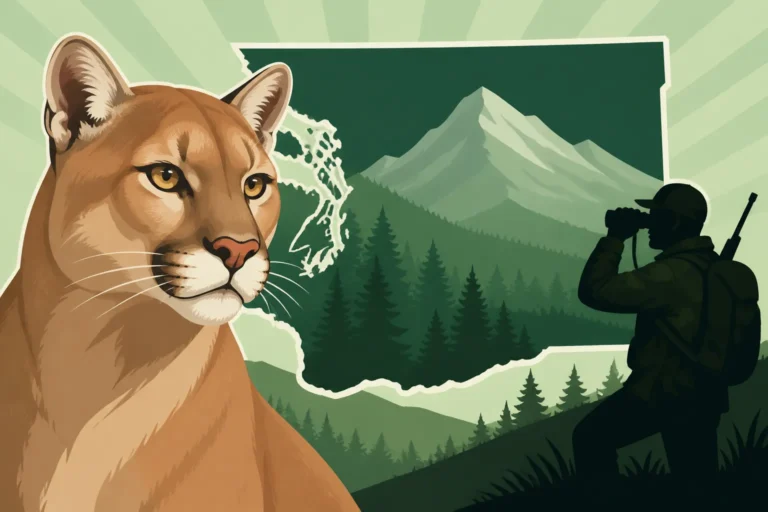
Washington cougar population estimates use scientific methods and mathematical models to track secretive predators across diverse state habitats.
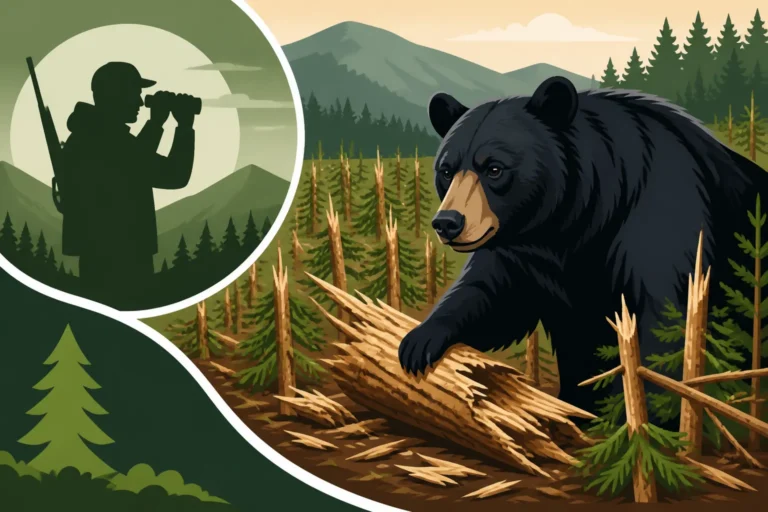
Black bear damage to Washington timber plantations reveals why black bears strip bark from young conifers for spring nutrition.
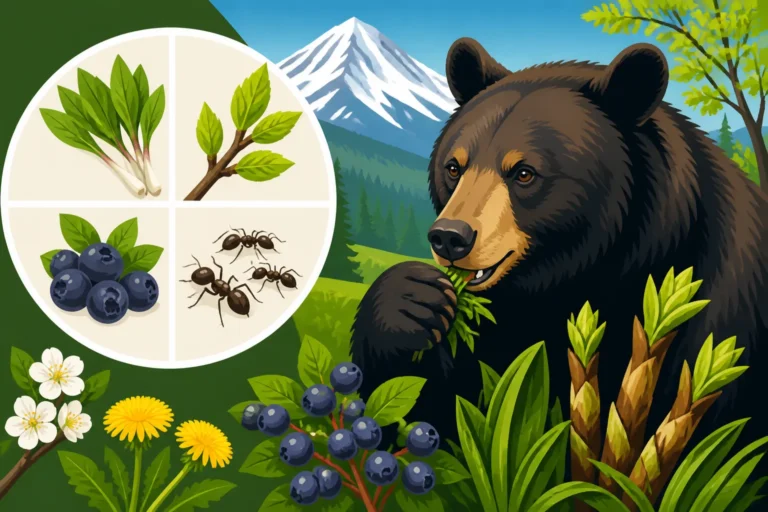
Washington black bears eat succulent plants, roots, bulbs, fungi, and carrion in spring to replenish lost energy after denning.