Bullet Weight for Elk Versus Deer
Washington hunters comparing bullet weights for elk and deer learn terminal ballistics differences for Washington landscapes.
See it before it sees you.
Binoculars, spotting scopes, and rangefinders, plus packs, boots, layering systems, blinds, and stands that earn their weight.
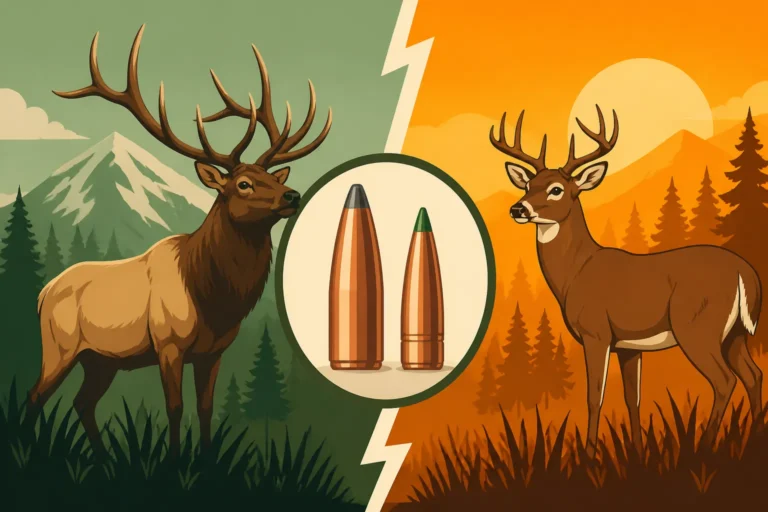
Washington hunters comparing bullet weights for elk and deer learn terminal ballistics differences for Washington landscapes.
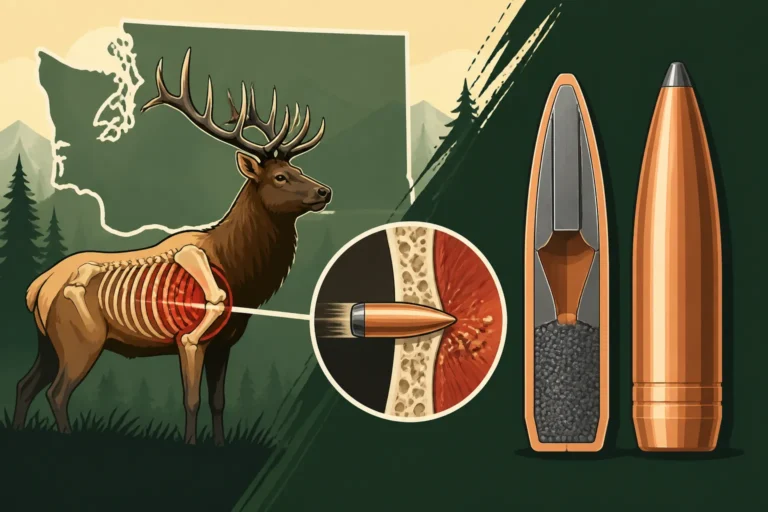
Bullet construction explains how bonded cores, lead designs, and copper monolithic projectiles penetrate heavy bone on big game animals.

Recoil management strategies help smaller hunters reduce flinching and improve accuracy using appropriate calibers and rifle setups.
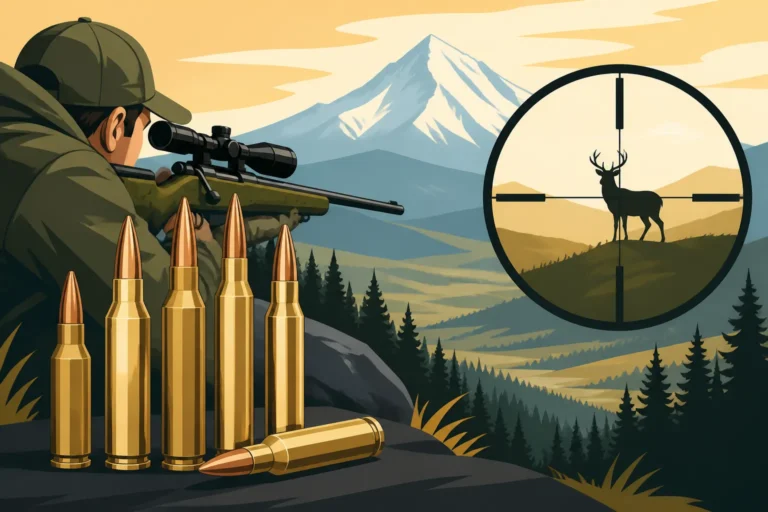
Cartridge selection for long-range mule deer and elk hunting in Eastern Washington requires understanding ballistics and environmental factors.
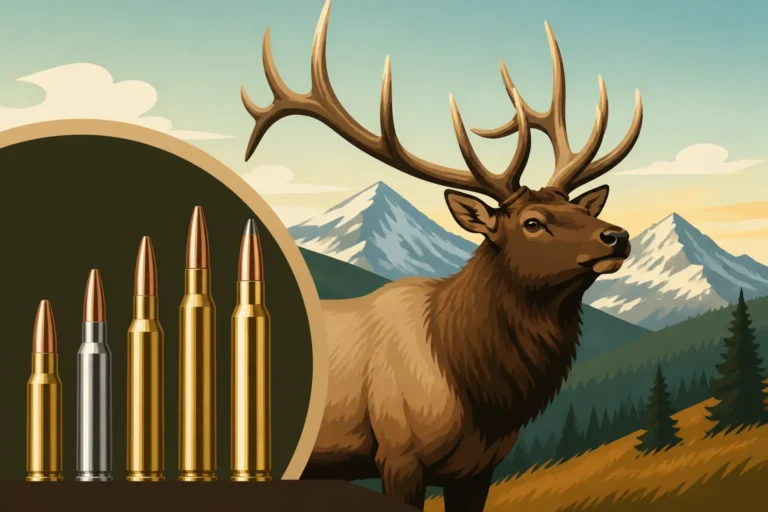
Rifle cartridges for Washington Roosevelt elk hunting deliver heavy impact energy and deep penetration to anchor a thousand pound bull.

Washington hunting regulations permit a point two-two centerfire rifle for cougars despite larger minimums for deer and elk.
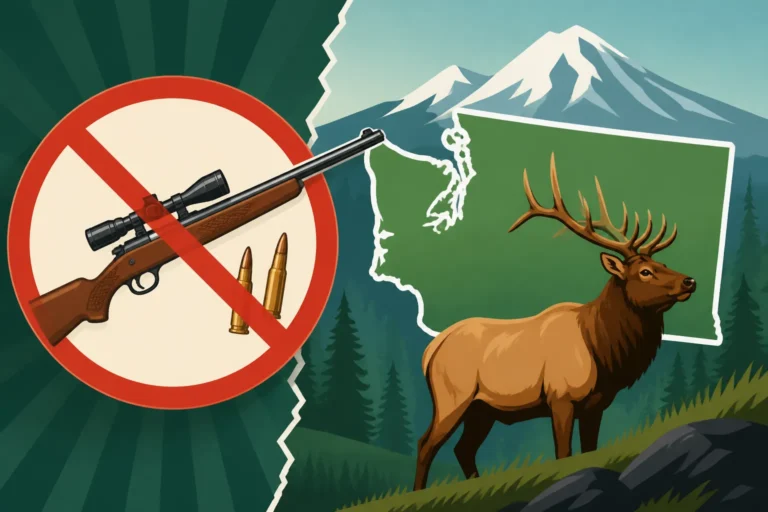
Washington big game regulations explain why rimfire ammunition lacks the necessary energy and penetration for an ethical harvest.
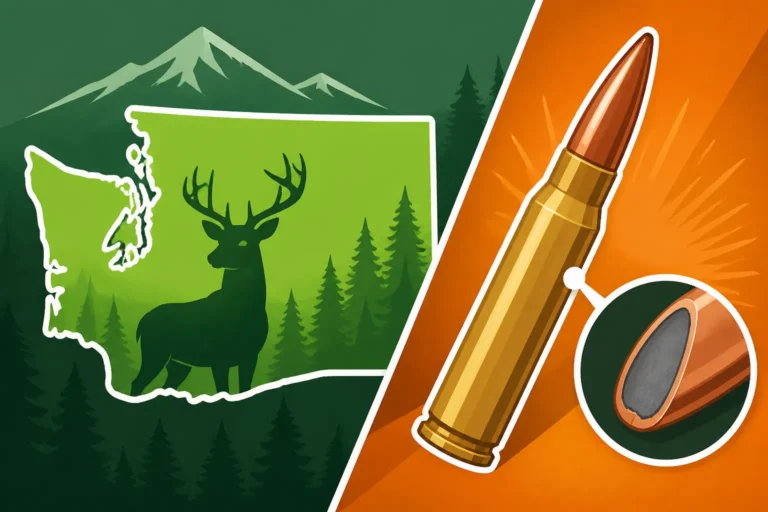
Washington’s point two four caliber minimum for big game hunting explains legal rifle requirements and excludes smaller cartridges.
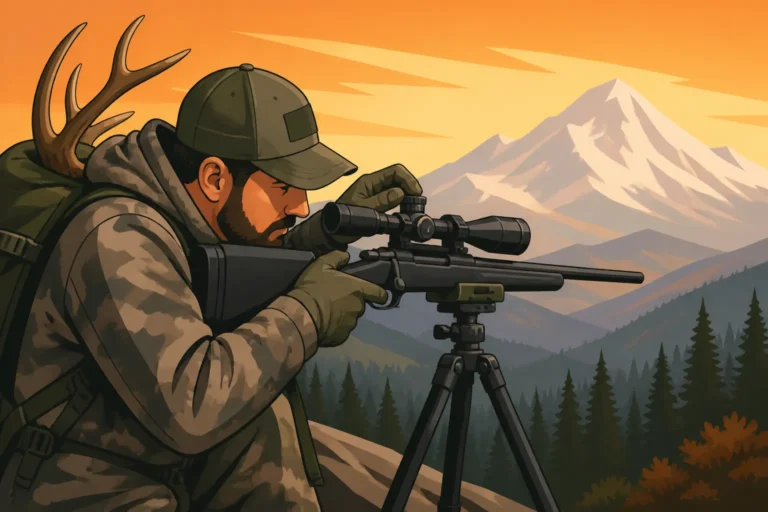
Rifle zero checking techniques for Washington backcountry hunters help correct shifts caused by rough ATV rides or falls.
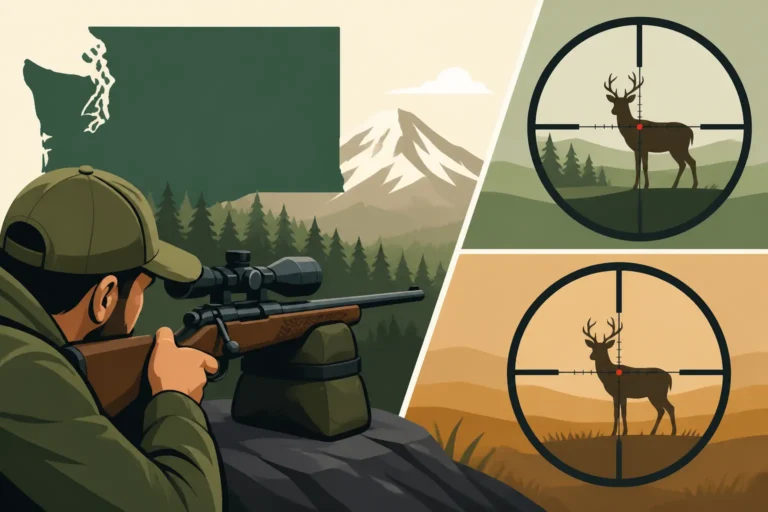
Washington hunters choose a 100-yard zero for dense western timber or a 200-yard zero for eastern sagebrush flats and open wheat fields.