Washington Wilderness Areas Open to Hunting
There's a special kind of hunter who feels the magnetic pull of Washington's wilderness areas. It's not just about escaping the crowds or finding less pressured game; it's about testing yourself against raw, untamed nature. But let's be real, embarking on a wilderness hunt isn't for the faint of heart, and it certainly isn't a casual stroll in the park. This guide will walk you through the unique challenges and incredible rewards of pursuing game in Washington's designated wilderness areas, helping you understand the rules, plan your adventure, and stay safe.
The Allure and Reality of Washington's Wilderness Hunting
There’s an undeniable romanticism about hunting deep in a wilderness area. For many of us, it represents the purest form of hunting, a true test of skill, endurance, and self-reliance. But before you strap on your pack and head for the hills, it’s crucial to understand both the siren call and the gritty reality of what awaits.
Why Wilderness Calls to Hunters
The primary draw for many hunters is the promise of solitude. In a state like Washington, where general season units can feel crowded, slipping into a wilderness area often means leaving the vast majority of hunters behind. You won't find green-dot roads or ATV trails cutting through these lands; it’s all boots on the ground, and that filters out a lot of people. This means you’re more likely to experience quiet mornings, unmarred by the distant crack of another hunter’s rifle or the rumble of a side-by-side.
Beyond solitude, there’s the hope of finding animals that haven't been constantly bumped and pressured. While no elk or deer is truly "dumb," those in wilderness areas often exhibit more natural behaviors, less wary of human presence simply because they encounter it less frequently. This can translate into unique hunting opportunities, like calling an elk that hasn't heard a thousand bugles that season or stalking a mule deer buck completely unaware of your approach. The untouched landscapes, pristine rivers, and towering old-growth forests also offer an aesthetic reward, making the entire experience feel more profound and deeply connected to the wild. It’s an opportunity to truly disconnect from the modern world and immerse yourself in the natural rhythms of the ecosystem.
The Harsh Truth: What You're Up Against
However, the very elements that make wilderness hunting so appealing also create its most significant challenges. The lack of infrastructure means you’re entirely on your own. There are no convenience stores for forgotten supplies, no quick exits if the weather turns, and often, no cell service to call for help. The physical demands are immense; you'll be navigating steep, untracked terrain, crossing rivers, and climbing elevations that would make a mountain goat pause. Packing an animal out of a wilderness area can be one of the most grueling experiences a hunter can face, turning what might be a single trip in other areas into multiple, soul-crushing treks over miles of rough country.
Unpredictable weather is another major hurdle. A sunny autumn morning can quickly devolve into a torrential downpour or an early-season snowstorm, especially in the higher elevations of the Cascades or the Olympics. You must be prepared for anything, from freezing nights to scorching days, often within the same hunt. Furthermore, wilderness areas are vast. Finding game can be like looking for a needle in a haystack, requiring superior scouting, navigation skills, and a deep understanding of animal behavior in these remote environments. It's a test of self-reliance, pushing your limits both physically and mentally. This isn't a place for casual hunters; it demands a high level of preparation, skill, and grit.
Understanding Washington's Wilderness Hunting Regulations
Navigating the rules and regulations for hunting in Washington’s wilderness areas can feel like a labyrinth. It’s not just about understanding state hunting laws, but also overlaying them with federal wilderness mandates. Getting it wrong can lead to serious consequences, so a thorough understanding is paramount before you even consider stepping foot into these protected lands.
Federal vs. State Rules and Management
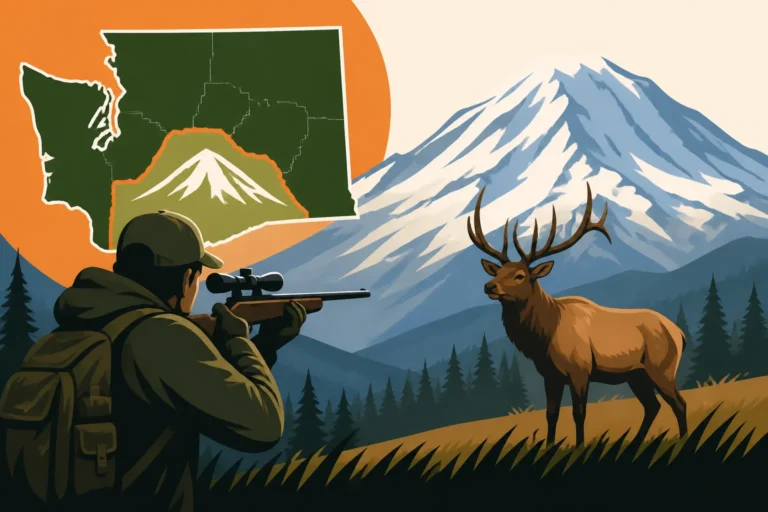
Wilderness areas in Washington are federally designated lands, primarily managed by the U.S. Forest Service (USFS), and occasionally by other federal agencies. These federal designations come with specific regulations aimed at preserving the "wilderness character" – essentially, keeping them as wild and untrammeled by human impact as possible. This means strict limitations on development, motorized access, and even certain types of recreational equipment. However, hunting itself is regulated by the Washington Department of Fish and Wildlife (WDFW), which sets seasons, bag limits, weapon restrictions, and licensing requirements.
The challenge for hunters lies in the intersection of these two sets of rules. While WDFW dictates how and what you can hunt, the federal wilderness rules dictate how you can get there and what you can use to do it. For instance, WDFW might allow a modern firearm hunt in a specific GMU that overlaps with a wilderness area, but federal rules would prohibit you from using an e-bike or ATV to access it. You might legally harvest an elk, but then realize you cannot use a motorized cart to help pack it out. It’s critical to consult both federal wilderness regulations (typically found on USFS websites for specific wilderness areas) and the annual WDFW Big Game Hunting Seasons and Regulations pamphlet to ensure full compliance. This dual layer of management is what makes wilderness hunting distinct and requires extra diligence.
Permitted Equipment and Access Restrictions
The most significant restriction in Washington's wilderness areas revolves around mechanization. This is where the federal "untrammeled" mandate really comes into play. You absolutely cannot use motorized vehicles of any kind, including ATVs, motorcycles, e-bikes, or even drones, within wilderness boundaries. This rule extends to wheeled carts, wagons, or any other form of mechanized transport that is not explicitly human-powered or animal-powered. This means if you're planning a multi-day trip or anticipate packing out a large animal, your primary modes of transport are your own two feet, or traditional pack animals like horses or llamas.
When it comes to weapons, the WDFW regulations for your chosen season and GMU still apply. If it’s an archery season, you’ll be using a bow and arrow, subject to specific draw weight and broadhead rules. For muzzleloader or modern firearm seasons, the relevant caliber, scope, and other equipment rules apply just as they would outside a wilderness area. The key difference is how you transport yourself and your gear to your hunting spot. This strict "no motors" rule is a major filter, ensuring that only those willing to put in the physical effort and rely on traditional means of travel can access these remote areas. For detailed information on specific weapon requirements, you might want to check out Washington's Legal Equipment Rules by Weapon. Understanding these access limitations is crucial, as they define the very nature of a wilderness hunt and influence every aspect of your planning.
Camping, Fires, and Group Size Limits
Beyond access and weapons, there are important rules concerning your presence within wilderness areas, largely guided by Leave No Trace principles. The core idea is to minimize your impact on the environment, leaving it as you found it, or better. This means packing out everything you pack in, including all trash, food scraps, and even animal waste. Burying human waste properly and using biodegradable soaps away from water sources are also standard practices.
Fire restrictions are often a critical consideration, especially during dry hunting seasons in late summer and early fall. Many wilderness areas will implement burn bans, prohibiting campfires entirely, or restricting them to established fire rings only. Always check the current fire danger and any specific area closures or restrictions with the local Forest Service office before your hunt. Ignorance of fire regulations is not an excuse, and wildfires can have devastating consequences. Additionally, some wilderness areas have explicit group size limits, typically to ensure minimal impact on sensitive areas and to preserve the sense of solitude for other users. While these limits are often generous for small hunting parties, it's something to be aware of if you're planning a larger group hunt. These rules are in place to protect the fragile ecosystems and the very experience of wilderness itself, and compliance is a non-negotiable part of responsible hunting. You can find more practical advice on setting up camp in these remote zones in Backcountry Camps in Washington Wilderness and understand the implications of Fire Restrictions During Dry Hunting Seasons on your hunt planning.
Key Wilderness Areas for Hunting in Washington
Washington is blessed with numerous wilderness areas, each offering its own unique character and hunting opportunities. While they all share the common thread of remoteness and self-reliance, understanding their specific features can help you choose the right one for your adventure. Let's delve into a few of the more prominent wilderness areas that draw the attention of dedicated hunters.
Pasayten Wilderness: A Backcountry Gem
The Pasayten Wilderness, sprawling across the North Cascades of north-central Washington, is a truly immense and rugged backcountry gem. It’s one of the largest wilderness areas in the state, boasting vast expanses of high-alpine meadows, towering peaks, deep valleys, and extensive lodgepole pine forests. This remoteness translates into a genuine wilderness experience and holds significant potential for both Rocky Mountain elk and mule deer. Given its size and relative inaccessibility, animals here tend to see far less human pressure than in easily roaded units.
Access to the Pasayten is typically from trailheads along the eastern side near Mazama and Winthrop, or from the Chewuch and Methow River drainages. Be prepared for long hikes, often covering ten to fifteen miles just to get into prime hunting country. The sheer scale of the landscape means you need to be proficient with navigation tools like a reliable GPS app or a good old-fashioned map and compass. While the challenge is undeniable, the reward can be substantial, with opportunities to find mature bucks and bulls that have learned to thrive away from human disturbance. Hunters often target high-elevation basins and timber pockets, where game can seek refuge during hunting season. For detailed information on specific entry points, you might want to look at Pasayten Wilderness Hunting Access.
Alpine Lakes and Glacier Peak Wilderness: Rugged and Rewarding
Nestled within the central Cascades, the Alpine Lakes Wilderness is renowned for its stunning granite peaks, crystal-clear alpine lakes (over 700 of them!), and incredibly steep, rugged terrain. Similarly, the Glacier Peak Wilderness, further north, surrounds the state's most remote stratovolcano, offering a landscape of vast glaciers, old-growth forests, and incredibly deep, challenging river valleys. Both areas are physically demanding, making them prime territory for hunters seeking an extreme challenge and a truly solitary experience. While general season opportunities exist for mule deer and some elk, these areas are particularly known for their potential to hold elusive high-country mule deer bucks and, for those lucky enough to draw a tag, mountain goats or bighorn sheep.
Hunting in these areas requires exceptional physical fitness, advanced mountaineering skills, and a deep understanding of route finding. Access often involves navigating washed-out trails, steep scree slopes, and dense timber. Many of the trailheads are located at higher elevations, but even then, the internal terrain is relentlessly vertical. Game populations can be sparser than in other areas, but the quality of animals, particularly the reclusive bucks that inhabit these high peaks, can be outstanding. Hunters must be prepared for drastic weather changes, including early snows and sudden storms, and reliable rain gear is an absolute must. The views alone are worth the effort, but harvesting an animal in these majestic, unforgiving landscapes is an achievement few hunters ever experience. To better understand the specific challenges and rules in these areas, consider exploring Alpine Lakes Wilderness Hunting Rules and Glacier Peak Wilderness Access.
Wenaha-Tucannon Wilderness: Blue Mountain Challenge
Shifting gears to the southeastern corner of Washington, the Wenaha-Tucannon Wilderness stands apart with its distinctive Blue Mountains landscape. This area is characterized by deep, steep canyons carved by the Wenaha and Tucannon Rivers, interspersed with high ridges covered in mixed conifer forests and some open grassy slopes. It's prime habitat for Rocky Mountain elk, whitetail deer, and mule deer, and has a well-earned reputation for offering a physically demanding but potentially very rewarding elk hunt. The terrain here can be just as unforgiving as the Cascades, with incredibly steep descents into canyon bottoms and equally brutal climbs out.
Access is primarily from the Umatilla National Forest side, with several trailheads leading into the wilderness. Hunters often target the transition zones between timber and open slopes, or the dense timber pockets along the north-facing slopes where elk often bed. The presence of significant timber and deep draws means that still-hunting skills and a keen eye for subtle sign are crucial. Water sources are generally plentiful, but navigating the topography effectively requires careful planning. Many hunters opt for spike camps deep within the wilderness to maximize their time in hunting country and reduce daily travel time. The reward for enduring the physical exertion in the Wenaha-Tucannon can be a memorable encounter with a Blue Mountain bull. For more specifics on how to reach this area, consult Wenaha-Tucannon Wilderness in Washington.
| Wilderness Area | Primary Game Species | Key Challenges | Notable Features |
|---|---|---|---|
| Pasayten Wilderness | Mule Deer, Rocky Mountain Elk | Immense size, extreme remoteness, long packing distances | High alpine meadows, vast forest, numerous lakes |
| Alpine Lakes Wilderness | Mule Deer, Mountain Goat (permit) | Steep granite peaks, extensive rock, demanding climbs | Over 700 alpine lakes, stunning scenic beauty |
| Glacier Peak Wilderness | Mule Deer, Roosevelt Elk, Black Bear | Rugged terrain, glaciers, dense timber, remote volcano area | Glacier-capped peaks, deep valleys, old-growth forests |
| Wenaha-Tucannon Wilderness | Rocky Mountain Elk, Whitetail Deer | Steep canyon systems, dense timber, physically demanding | Blue Mountains topography, river drainages, mixed forest/grass |
Planning Your Wilderness Hunt: Maps, Access, and Scouting
A successful wilderness hunt isn't born in the field; it's meticulously crafted long before you ever set foot on the trailhead. Proper planning is your greatest ally when venturing into these remote landscapes, turning potential frustrations into manageable challenges. This involves leveraging modern technology while still respecting traditional scouting methods.
Essential Mapping and Navigation Tools
In the wilderness, getting lost isn't just an inconvenience; it can be life-threatening. Therefore, having a robust navigation strategy is non-negotiable. While a traditional paper map and compass are fundamental backups, modern GPS units and smartphone apps have revolutionized backcountry navigation. Apps like onX Hunt are incredibly valuable for wilderness hunters. They allow you to clearly see wilderness boundaries, land ownership, topography, and potential access points, all on your phone. You can mark waypoints for camp, water sources, likely game crossings, and even potential animal locations, creating a digital breadcrumb trail.
The critical step for wilderness use is to download offline maps of your entire hunting unit, and then some, before you leave home. Cell service is virtually non-existent in these remote areas, rendering online maps useless. Relying solely on cell signal for navigation is a recipe for disaster. Carry a portable power bank to keep your devices charged, as cold weather can quickly drain batteries. Remember that electronics can fail, so knowing how to use a physical map and compass in conjunction with your digital tools is a vital skill. Practicing this before your hunt, especially if you're exploring GPS Units Versus Phone Apps, will give you confidence and a crucial safety net when deep in the backcountry. For deeper insights into managing your digital tools, check out Downloading Offline Maps for Washington.
Identifying Trailheads and Entry Points
Finding legal and accessible trailheads is the first hurdle in planning any wilderness hunt. Many wilderness areas have a limited number of official entry points, and researching these thoroughly is key. Start by consulting the relevant U.S. Forest Service or National Park Service websites for the specific wilderness area you intend to hunt. These resources will list official trailheads, often providing details on trail conditions, mileage, and elevation gain. Pay close attention to any seasonal road closures. Forest Service roads leading to trailheads can be subject to winter closures, active logging, or washouts, which can severely impact your access, especially if you are hunting during shoulder seasons.
Beyond finding the trailheads, it's essential to understand the permit requirements for parking or accessing certain federal lands. Many national forest trailheads require a Northwest Forest Pass or a Discover Pass for parking. Having the correct pass displayed can save you a frustrating ticket. Always double-check current conditions and road reports as close to your hunt date as possible. A road that was open last year might be closed this year due to storm damage, turning a short drive into a multi-mile hike just to reach the official trailhead. Don't let unexpected road closures derail your entire hunting plan; flexibility and backup plans are vital. It's always a good idea to research Washington Winter Range Closures That End Late Hunts as these can sometimes overlap with potential access roads.
Remote Scouting and E-Scouting Wilderness
E-scouting has become an invaluable tool for wilderness hunters, allowing you to "walk" the terrain from your living room. Platforms like onX Hunt and GoHunt provide detailed satellite imagery, topographic maps, and land ownership overlays that are critical for planning. Look for natural funnels, saddle points, north-facing slopes with dense timber for bedding areas, and open south-facing slopes for feeding. Identify potential water sources, especially in drier units, as game will always be close to water. Pay attention to changes in vegetation, old burn areas, or clearcuts (outside wilderness boundaries, which animals may still use) that could concentrate game.
Beyond identifying potential game habitat, e-scouting helps you plan your ingress and egress routes, locate suitable spike camp locations, and anticipate areas of difficult terrain. You can measure distances, calculate elevation gains, and even visualize how long it might take to pack an animal out from a specific spot. While e-scouting can't replace boots-on-the-ground reconnaissance, it allows you to narrow down vast wilderness areas to more manageable, high-potential zones. This focused approach saves you valuable time and energy once you're in the field. Remember, even in wilderness, animals follow patterns, and good e-scouting helps you predict those patterns without expending precious physical resources. For a deeper dive into this planning method, check out E-Scouting Washington GMUs Before the Draw.
Gear, Fitness, and Safety for Wilderness Adventures
Hunting in Washington’s wilderness areas is a commitment. It demands more than just a hunting license and a rifle; it requires a complete package of specialized gear, peak physical conditioning, and an unwavering commitment to safety. Skimping on any of these elements can turn an epic adventure into a dangerous ordeal.
Specialized Gear for Deep Backcountry Hunts
When you're miles from the nearest road, every piece of gear in your pack takes on immense importance. The mantra for wilderness gear is lightweight, durable, and reliable. Your pack frame is paramount; it needs to be comfortable enough for long miles but robust enough to handle the immense weight of an elk quarter or a boned-out deer. Look for external or internal frame packs with load shelves designed for hauling heavy meat. Beyond the pack itself, a quality shelter is non-negotiable. Whether it's a lightweight tent or a tarp system, it needs to withstand fierce winds, heavy rain, and potentially snow, while keeping you and your gear dry.
Water filtration is another critical component. Carrying enough water for a multi-day hunt is impractical, so a reliable water filter or purification tablets are essential for accessing safe drinking water from streams and springs. Navigation tools, as discussed, are key, but also include backup batteries, a compass, and a whistle. Don't forget a comprehensive first-aid kit tailored for backcountry emergencies, headlamps with spare batteries, and a sharp, sturdy knife or replaceable blade system for field dressing. Every item should have a purpose and earn its place in your pack. Thinking about how much weight you can really carry is important, and for insights into options, you might want to look at Packs Sized for a Washington Elk Quarter or learn more about Water Filters for Backcountry Camps.
Physical and Mental Preparation
There’s no sugarcoating it: wilderness hunting in Washington is physically brutal. You'll be climbing thousands of feet in elevation, traversing steep sidehills, and potentially packing hundreds of pounds of meat over rugged, often unmaintained trails. This isn't the time to discover you're out of shape. Start your physical conditioning months in advance. Focus on cardiovascular endurance (running, hiking with a weighted pack), strength training (especially legs, core, and back), and flexibility. Spend as much time as possible hiking steep trails with a loaded pack, simulating the conditions you'll face.
Beyond the physical, the mental game is equally crucial. Wilderness hunting often involves long periods of strenuous effort with no immediate reward, followed by moments of intense pressure. You need mental fortitude, the ability to push through discomfort, solve problems on the fly, and remain positive even when things go wrong (and they will). Self-reliance is key; you are your own first responder, mechanic, and chief strategist. Practice decision-making under stress, visualize difficult scenarios, and cultivate a "never give up" attitude. This blend of physical and mental toughness is what separates successful wilderness hunters from those who turn back early. To get you started on some general fitness concepts, consider reading Chukar Country Fitness and Footwear.
Wilderness Safety and Emergency Protocols
Safety in the wilderness is paramount, and it begins with planning and communication. Always leave a detailed trip plan with a trusted person back home. This plan should include your exact route, expected return date, contact information for emergency services, and details about your gear. If you fail to check in, they know exactly where to start looking. In areas without cell service, a satellite communication device like a Garmin InReach or Zoleo is a vital piece of gear. These devices allow you to send and receive text messages and, most importantly, trigger an SOS call to emergency services even without cellular signal.
Beyond communication, basic wilderness survival skills are a must. Know how to build a fire in wet conditions, purify water, signal for help, and provide basic first aid for common backcountry injuries. Carry enough extra food and water for an unexpected overnight stay. Understand the risks of hypothermia and hyperthermia, and how to prevent and treat them. Hunting solo in the wilderness amplifies these risks, so consider taking a partner or at least being extra diligent with your safety precautions if you venture out alone. Your life might depend on the knowledge and tools you carry. Knowing how to communicate when out of range is critical, so be sure to check out Satellite Messengers for Solo Washington Hunts, and never forget the importance of Leaving a Trip Plan at Home.
Disclaimer
This article is for general informational purposes only and does not constitute professional advice. Laws, prices and regulations vary by location and change over time. Consult a qualified professional for guidance on your specific situation.