Meat Care Gear for Warm Washington Openers
There’s nothing quite like the thrill of a Washington big game opener. That crisp morning air, the hope, the anticipation… but then the sun crests the ridge, and suddenly that beautiful fall morning turns into a sweat-soaked afternoon. If you’ve ever harvested an animal early in the season, especially here in Washington when temperatures can still be surprisingly high, you know the crushing anxiety of getting that precious meat cooled down before it spoils. That’s why having the right meat care gear and a solid plan isn’t just a convenience; it’s absolutely essential for preserving your hard-won protein. This guide will walk you through the indispensable tools and strategies you need to protect your harvest, from the moment it hits the ground until it’s safely in your cooler or at the processor, even when Mother Nature throws a curveball with unseasonably warm weather.
The Urgency of Early Season Meat Care in Washington
When you’re out hunting in Washington, especially during those early season deer and elk openers, the weather can be incredibly unpredictable. One day it's cool and damp, the next it's a dry, sunny seventy degrees. This variability is a huge challenge for meat care, and frankly, it's where a lot of hunters lose valuable meat or compromise its quality. The biggest frustration isn’t just the hard work of packing an animal out, but the thought of that effort being wasted because the meat spoiled. We owe it to the animal and ourselves to ensure every pound is cared for properly.
Why Warm Temperatures are Your Biggest Enemy
Warm temperatures are a hunter's worst nightmare when it comes to meat. Bacteria thrive in heat, and they start multiplying on and in the carcass almost immediately after the animal expires. This process, known as putrefaction, leads to sour meat, off-flavors, and ultimately, spoilage. The internal temperature of a large animal like an elk or a big deer can remain surprisingly high for hours, even on a seemingly cool day. If the ambient air temperature is above about 40-45 degrees Fahrenheit, you're in a race against the clock. Factors like humidity, direct sunlight, and lack of airflow will accelerate this process significantly. Imagine you're hunting blacktails in Western Washington in September, and it's a sunny 60-degree day. That dense forest might offer some shade, but without proper ventilation and quick cooling, that meat is still cooking from the inside out. Even a slight delay in field dressing or quartering can be the difference between prime cuts and regret.
Recognizing the Signs of Spoilage
Knowing the signs of spoilage is crucial, but prevention is always better than detection. The most obvious sign is a foul, sour smell, often described as putrid. This odor can sometimes be subtle at first, especially in the muscle tissue deep inside a large quarter, so it's important to be vigilant. Other indicators include a slimy or tacky texture on the meat's surface, particularly if it feels unusually warm. You might also notice a greenish tint to the meat, especially around bone joints or where blood has pooled. In extreme cases, pockets of gas can form, causing the meat to feel spongy or emit a noticeable hiss when cut. While a little surface drying (forming a "pellicle") is good as it helps inhibit bacteria, excessive sliminess is a red flag. If you suspect spoilage, it's always best to err on the side of caution. No amount of seasoning can hide spoiled meat, and consuming it can lead to serious illness.
Essential Gear for Field Processing and Cooling
When that animal hits the ground, especially on a warm day, you don't have time to second-guess your tools. Having the right gear, and knowing how to use it efficiently, is paramount. This isn't just about getting the job done; it's about doing it quickly and cleanly to minimize contamination and maximize cooling. Think of it as a surgery in the field – precision and hygiene are key.
Knives and Sharpeners for Clean Work
A good knife is literally the first tool you need. Forget flimsy blades; you want something sturdy, sharp, and easy to handle. Many seasoned Washington hunters prefer a fixed-blade knife with a comfortable, non-slip grip. Replaceable blade knives, like those from Havalon or Outdoor Edge, have gained immense popularity because you can swap out dull blades in seconds for a razor-sharp edge, eliminating the need to sharpen in the field. This is a game-changer when you're elbow-deep in an elk and trying to work quickly. I always carry at least a few spare blades. For traditional knives, a small, packable sharpening stone or ceramic stick is a must. You never know when you'll hit bone or hide that dulls your edge. Knives and Sharpeners for Field Work covers this in more detail. The goal is clean, efficient cuts that open up the carcass and separate the meat without excessive sawing or tearing, which can spread bacteria and heat.
Breathable Game Bags: Your First Line of Defense
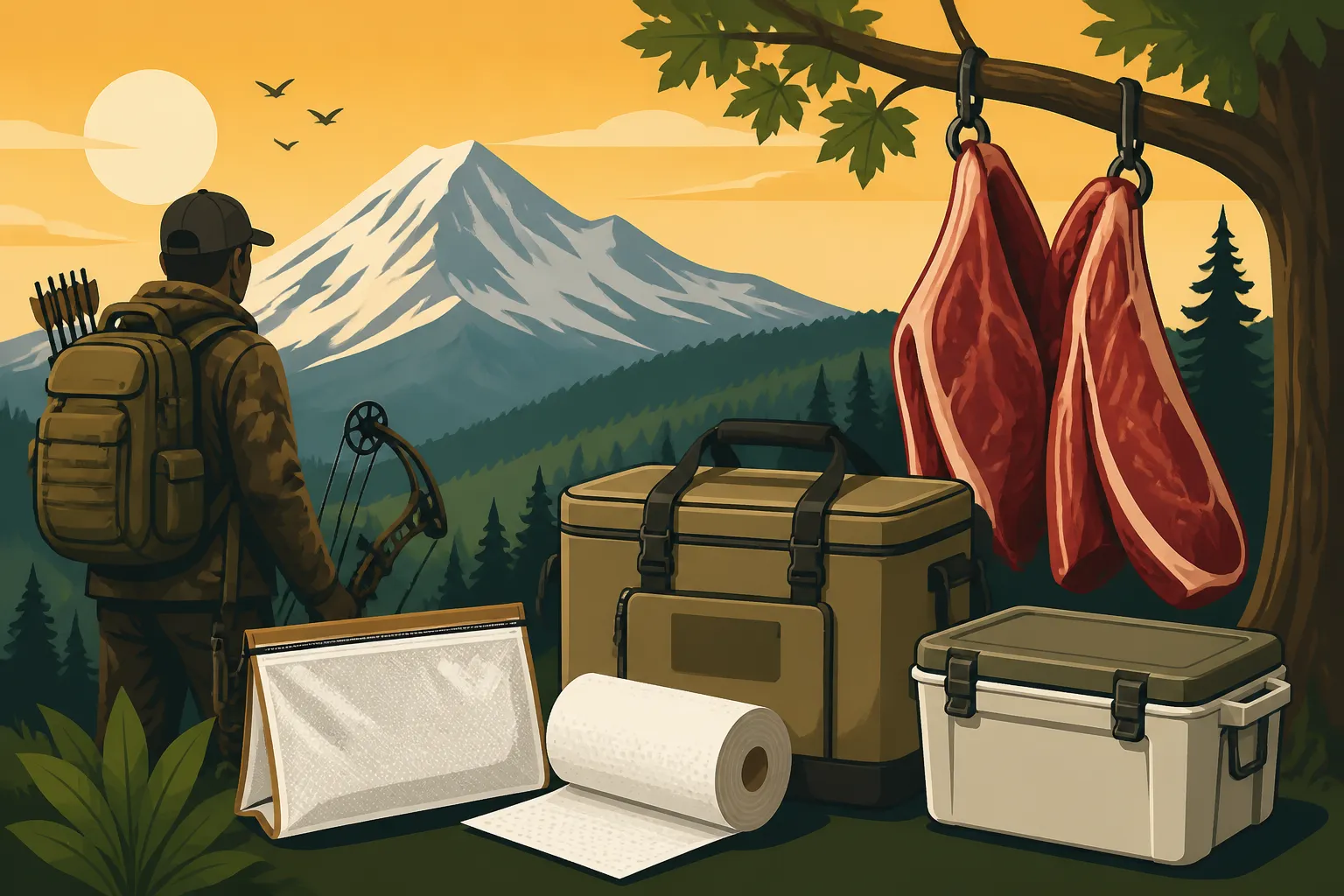
Once you've got the hide off and the meat separated, game bags are your next critical piece of gear. This isn't the time for old pillowcases or cheap burlap sacks. You need bags made from breathable, durable material that allows air to circulate around the meat while protecting it from flies, dirt, and debris. Synthetic mesh bags, often made from nylon or similar materials, are excellent. They’re lightweight, strong, washable, and allow the meat to cool down rapidly by exposing it to air. Cotton bags can work, but they tend to absorb blood and moisture, becoming heavy and less breathable, and they're harder to clean. Look for bags specifically designed for big game, with robust stitching and ties. Having enough bags for all four quarters, backstraps, tenderloins, and trim is crucial. A set of good quality game bags from brands like T.A.G. or Alaska Game Bags will easily pay for themselves by saving your meat.
Here's a quick comparison of common game bag types for warm weather:
| Feature | Traditional Cotton Bags | Synthetic Mesh Bags (e.g., T.A.G., Alaska Game Bags) |
|---|---|---|
| Breathability | Good, but can become saturated and heavy | Excellent, allows maximum airflow |
| Fly Protection | Good, but can stain and attract flies if bloody | Excellent, fine mesh keeps insects out |
| Durability | Moderate, can tear or fray | High, resists tears and punctures |
| Weight (Wet) | Heavy, absorbs blood and moisture | Light, repels water and blood |
| Cleanliness | Harder to wash, can retain odors and stains | Easy to wash, quick-drying, less odor retention |
| Cooling Rate | Good, but can be hindered by moisture saturation | Superior, promotes rapid heat dissipation |
| Reusability | Moderate, lifespan can be limited by stains/wear | High, designed for multiple seasons |
The Gutless Method and Quartering Tools
For many Washington hunters, especially those going deep into the backcountry or dealing with warmer temperatures, the "gutless method" has become the go-to field processing technique. As the name suggests, it involves skinning and quartering the animal without opening the body cavity. This not only keeps the meat much cleaner by avoiding contact with stomach contents and feces, but it also means you're not working with a large, warm, blood-filled cavity. It's faster, less messy, and greatly reduces the initial bacterial load, which is a massive advantage in warm weather. Bone Saws Versus the Gutless Method further explains this method.
Beyond your primary knife, consider a small, lightweight bone saw for separating quarters if you're not fully butchering in the field. Many hunters prefer to cut around joints or use the gutless method to avoid bone entirely. A plastic tarp or game sheet is invaluable to keep the meat clean as you're working on the ground. Laying the quarters out on the tarp in the shade, allowing air to circulate, is the next step after bagging. Companies like GoHunt provide valuable mapping tools that can help you identify shaded ravines or north-facing slopes before the shot, giving you a pre-planned cooling station for your meat.
Transporting and Cooling Your Harvest Immediately
You've done the hard work of field dressing and quartering. Now comes the equally critical step: getting that meat cooled down rapidly and transported out of the field. This phase is where many hunters drop the ball, and it can mean the difference between delicious table fare and a tragic waste. In warm Washington openers, time is absolutely not on your side.
Insulated Coolers and Ice Management
Your coolers are your lifeline once the meat is off the animal. Don't skimp here. You need high-quality, well-insulated coolers that can hold ice for days. Rotomolded coolers from brands like Yeti, Orca, or RTIC are investments that pay off handsomely. For an elk, you'll need at least two large coolers, maybe three, to properly fit all the quarters and trim without overcrowding. For a deer, one or two smaller coolers should suffice. Check out Cooler Size for a Bull Elk for specifics.
The key is ice management. Pre-chill your coolers with sacrificial ice or frozen jugs a day or two before the hunt. On the day of the harvest, drain that pre-chill water and pack in fresh ice. Block ice lasts much longer than cubed ice, so a combination is often best. Lay a layer of ice on the bottom, then a layer of bagged meat (still in breathable game bags!), then more ice, and so on. Never put bare meat directly on ice or in ice water unless you intend to process it immediately, as this can leach flavor and bacteria into the meat. The game bags protect the meat while allowing the cold to penetrate. Ice Versus Frozen Jugs offers great tips on maximizing your ice life.
Strategies for Getting Meat Off the Mountain Fast
This is where your pre-hunt planning, potentially with tools like GoHunt's mapping features to mark access points and potential routes, becomes absolutely vital. If you’re hunting solo, you need a realistic plan for Quartering and Packing an Elk Solo or a deer. For large animals in rugged terrain, this might mean multiple trips or having a partner. If you’re hunting with a buddy, divide and conquer. One person can start packing out while the other finishes processing or gets the vehicle closer. The priority is to break the animal down and get those quarters into a cooler filled with ice as quickly as humanly possible.
This might mean forgoing certain cuts in the field if time and temperature are truly critical, focusing on getting the primary muscle groups out. Think about routes that offer the most shade or the quickest descent to your vehicle. Some hunters will even stage coolers and ice at pre-determined points along their pack-out route if vehicle access allows. Every minute the meat spends above 40 degrees is a minute of compromise. Getting Meat Off the Mountain Before Dark is not just about safety; it's about meat quality.
Finding a Processor or Setting Up Your Home Station
Once the meat is off the mountain and safely in coolers, your next step depends on whether you process your own meat or use a professional butcher. If you're using a processor, contact them immediately. Many Washington processors are swamped during big game season, especially with warm openers, and might have wait times. Call ahead, confirm their hours, and understand their drop-off procedures. Finding a Processor in Hunting Season is a common challenge, so having a few contacts beforehand is smart.
If you're processing at home, you need a clean, cool space. A garage or basement where temperatures can be controlled is ideal. Lay out plastic sheeting, gather your cutting tools, and ensure you have ample freezer paper, vacuum seal bags, or other wrapping materials ready. Having a dedicated cutting board, sharp knives, and a meat grinder will make the process smoother and more efficient. For those just starting out, Cutting and Wrapping Your Own Deer can be a rewarding, albeit time-consuming, experience.
Beyond the Field: Protecting Your Meat at Home
The work isn't over just because the meat is out of the field. How you handle it in the next 24-72 hours can significantly impact its tenderness and flavor. This is where patience, cleanliness, and continued temperature control come into play.
Aging Meat Safely (If Temperatures Allow)
Many hunters love the idea of "aging" their meat, which is essentially hanging it in a controlled environment to allow natural enzymes to break down muscle fibers, making it more tender. This is a fantastic way to improve meat quality, but it requires strict temperature control—ideally between 34-40 degrees Fahrenheit (1-4 degrees Celsius) with good air circulation.
In warm Washington opener conditions, dry-aging a whole carcass or even large quarters is often not feasible unless you have a walk-in cooler or a large spare refrigerator that can maintain those temperatures. If you've quartered the meat and have it in breathable game bags, you might be able to hang it in a very cold garage or shed overnight if outside temperatures drop sufficiently. However, if temps are above 40F for any extended period, aging like this isn't worth the risk. It's better to cool it rapidly and process it sooner. For smaller cuts, you can experiment with "wet aging" in vacuum-sealed bags in your regular refrigerator. For longer term aging, consider Aging Meat in a Spare Refrigerator.
Proper Storage Before Processing
Whether you plan to process within a day or two, or you're waiting for a processor, proper temporary storage is critical. Keep the meat in those breathable game bags and continue to keep it cold. This means replenishing ice in your coolers regularly, or transferring the bagged meat to a spare refrigerator if you have the space and capacity. Never leave meat sitting in standing water at the bottom of a cooler. Drain melted ice frequently and elevate the meat if possible, perhaps on a grate, to keep it out of the water.
Ensure good air circulation around the bags if they're in a fridge. Don't stack them too tightly. The goal is to keep the surface of the meat dry and cold. If you're storing it for more than a couple of days before processing, you might want to consider removing the meat from the game bags, trimming any dried or discolored edges, and re-bagging it in fresh, clean bags before returning it to the cooler or fridge. This continued vigilance will ensure that your hard-earned Washington game meat is delicious and safe to eat when it finally hits your plate.
Disclaimer
This article is for general informational purposes only and does not constitute professional advice. Laws, prices and regulations vary by location and change over time. Consult a qualified professional for guidance on your specific situation.