Bone Saws Versus the Gutless Method
You've just dropped a magnificent elk or a prime mule deer in the rugged Washington backcountry, and the rush of adrenaline is giving way to the monumental task ahead: getting that precious meat off the mountain. This is where the rubber meets the road, and hunters often face a critical decision on how to process their animal in the field – specifically, whether to reach for a bone saw or employ the increasingly popular gutless method. This guide will meticulously break down both approaches, helping you understand their nuances, benefits, and drawbacks so you can make an informed choice that suits your hunt, your gear, and the conditions you face in Washington.
The Traditional Bone Saw Method: Time-Tested But Labor-Intensive
For generations, hunters have relied on saws and axes to break down big game in the field. This traditional approach typically involves gutting the animal first, then often splitting the sternum and pelvis, and finally, segmenting the carcass into manageable quarters, often leaving bone in. It’s a method many of us grew up watching our fathers and grandfathers use, and it certainly has its place.
The Process of Field Dressing and Sawing
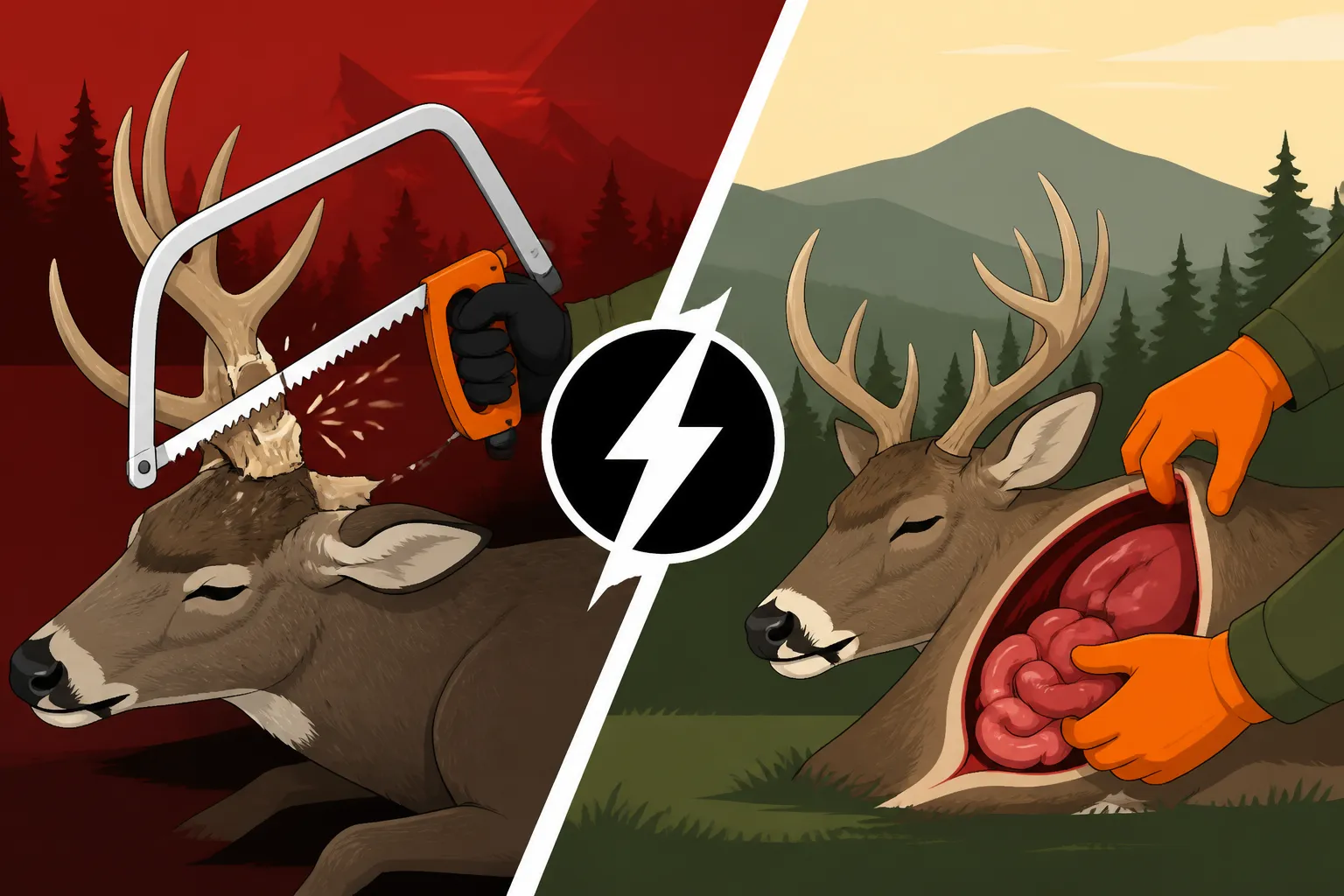
The classic bone saw method usually begins with a thorough field dress. This means opening the body cavity, carefully severing the esophagus and trachea, and removing all the internal organs. For larger animals like elk, this is a significant undertaking that can be messy and physically demanding. Once the animal is gutted, hunters often proceed to use a bone saw to split the sternum and pelvis. This helps to further cool the carcass and, if you're planning to take the animal out in two large halves, facilitates easier handling.
After the initial gutting, the animal is typically rolled onto its side, and the legs are severed at the joints or sawed through the bone to create quarters. This is where a good, sturdy bone saw really shines. Whether it's a dedicated game saw, a small bow saw, or even a robust reciprocating saw (if you’re lucky enough to be hunting near a power source, which, let's be honest, is rare in the backcountry), the goal is to create smaller, more manageable sections. Some hunters even split the spine to make two halves of the animal, or cut ribs to get at backstraps and tenderloins. The process is often done with the hide still on, offering some protection to the meat during transport, though it adds considerable weight.
When the Bone Saw Shines and When It Struggles
A bone saw can be incredibly effective when you're hunting relatively close to a road or vehicle access, or if you have ample help. If you've got a quad or side-by-side, or if you've packed in with horses or llamas, hauling out bone-in quarters might not be such a monumental challenge. The bone-in method often feels more "complete" to traditionalists and can sometimes be quicker for those familiar with it, especially on smaller animals like deer where the bones aren't quite as heavy. It also allows for the entire carcass to be cooled more uniformly if you can get it to a game pole or into a cooler quickly.
However, the bone saw method has its drawbacks, particularly in the challenging Washington wilderness. Gutting an animal, especially a large elk, in steep terrain or deep timber can be incredibly difficult. The sheer weight of an animal once gutted, even before quartering, can make maneuvering it into a position suitable for sawing a real struggle, especially if you're hunting solo. Plus, the internal organs, which you're legally required to leave at the kill site, can attract predators like cougars and bears, creating a situation you definitely want to avoid if you're spending an extended time processing. You can see why a strong understanding of Solo Hunting Safety Precautions becomes even more vital when going this route.
The weight of bone-in meat is also a major factor. If you're backpacking deep into a place like the Pasayten Wilderness or the Wenaha-Tucannon, every extra pound matters. Hauling out a heavy bone-in hindquarter, even a deer hindquarter, can quickly wear you down. For Washington's often warm early seasons, dealing with the gut pile can also pose issues with flies and rapid spoilage if not handled correctly. Field Dressing in Warm Early-Season Weather is a critical skill here.
The Gutless Method: A Backcountry Game-Changer
The gutless method has gained immense popularity over the last couple of decades, especially among backcountry hunters. As the name suggests, it allows you to break down an animal into boneless or near-boneless portions without ever opening the body cavity or dealing with the entrails. This technique streamlines the process, reduces weight, and significantly minimizes mess, making it a true game-changer for solo hunters or those packing into remote areas.
How the Gutless Method Works
The core idea behind the gutless method is to peel the meat off the exterior of the animal. You start by rolling the animal onto its side. With a sharp knife, you make a series of precise cuts to skin one side of the animal, typically starting from the back and working down. Once one side is skinned, you begin to remove the large muscle groups – the hindquarter, front shoulder, backstraps, and neck meat – meticulously cutting them free from the bone and connective tissue. You’re essentially deconstructing the animal from the outside in.
After you've stripped all the usable meat from one side, you carefully roll the carcass over and repeat the entire process on the other side. The final steps involve carefully reaching into the chest cavity through the openings where the front shoulders were removed to extract the inner tenderloins. These are often considered a delicacy and are relatively easy to access without opening the entire gut cavity. The heart and liver, if desired, can also be retrieved through strategic cuts. The bones and gut pile remain largely intact within the hide, undisturbed. This significantly reduces your time exposed to the messy, smelly internal organs and lessens the risk of contamination to your meat.
Advantages and Disadvantages of Going Gutless
The biggest advantage of the gutless method, hands down, is the reduced weight for packing. By leaving most of the bone behind, you’re often shedding 20-30% of the carcass weight, which is monumental when you're Packing an Elk Out of Washington's Backcountry or a deer across a few miles of steep terrain. This makes it ideal for Quartering and Packing an Elk Solo. The minimized mess is another huge plus; there's no gut pile spilling out, making for a cleaner processing site and less blood and gore on your clothing and gear. This also means less scent to attract predators, a valid concern in areas with healthy cougar and bear populations.
The method also allows for faster cooling of the boneless meat, especially when placed immediately into breathable game bags. If you’re hunting in Washington’s early archery season, for instance, when temperatures can still be quite warm, getting the meat off the bone and into a cool environment quickly is paramount for quality. A tool like the mapping software from GoHunt can help you identify shaded north-facing slopes or drainages where you might find cooler air to store your game bags temporarily.
However, the gutless method isn't without its challenges. It requires a very sharp knife and a good understanding of animal anatomy to efficiently remove the meat. You also need to be meticulous to ensure you don't leave any usable meat behind. Some hunters also find it more physically demanding to continuously bend and work on the animal for an extended period, especially on uneven ground. Finally, depending on local regulations, some states require a certain portion of the animal (like a rib or leg) to remain bone-in for identification purposes, so always double-check Washington's specific rules before committing to fully boneless packing. Washington generally allows boneless meat, but understanding the rules around "proof of sex" is important.
Comparing the Methods: Which One Fits Your Hunt?
Choosing between the bone saw and gutless methods really boils down to your specific hunting scenario. There's no single "best" way; rather, there's the best way for your particular situation.
Situational Suitability
- Proximity to Vehicle/Road: If you're fortunate enough to drop an animal within a short walk of your truck, the bone saw method might be perfectly acceptable. You can quickly quarter the animal, load it, and get it back to camp or a processing facility. But if you've used a tool like GoHunt to scout a remote basin several miles in, the gutless method becomes almost a necessity.
- Terrain: Trying to gut and saw an animal on a steep, unstable hillside is a recipe for disaster. The gutless method, by keeping the animal more intact, can sometimes be easier to manage on difficult terrain, as you’re not trying to roll a flimsy, gutted carcass.
- Help Available: If you have multiple hunting partners, a gut pile isn't as much of a concern, and the added weight of bone-in quarters can be distributed among several packs. A solo hunter, however, will almost always lean towards the gutless method to minimize load weight.
- Weather Conditions: In very cold weather, the traditional gut-and-saw method allows for rapid cooling of the entire carcass, which can be advantageous. However, in warmer conditions, the gutless method gets the meat off the bone and into game bags faster, crucial for preventing spoilage. Meat Care Gear for Warm Washington Openers is paramount here.
- Target Species: Smaller animals like deer can sometimes be easier to process with a bone saw for bone-in quarters. Larger animals like elk almost always benefit from the gutless method due to the sheer size and weight of their bones.
Hygiene and Meat Quality
Both methods, when performed correctly, can result in excellent meat quality. The key is cleanliness. With the traditional bone saw method, there's a higher risk of rupturing organs during the gutting process, which can contaminate the meat. Also, once the body cavity is open, it's exposed to dirt, leaves, and insects.
The gutless method, by avoiding opening the gut cavity, significantly reduces the risk of fecal contamination. However, you still need to be incredibly careful with your knife work, ensuring it doesn't touch the hide after making initial skinning cuts, and definitely keeping it away from any bodily fluids. Regardless of the method, having quality game bags, like those discussed in Game Bag Fabric and Fly Protection, is crucial for keeping your meat clean and protected once removed from the carcass.
Time Efficiency and Physical Demands
Many hunters find the gutless method to be quicker overall, especially once they've practiced it a few times. The speed comes from not having to deal with the cumbersome process of evisceration and the heavy lifting associated with maneuvering a gutted animal. It’s also often less physically demanding in terms of heavy lifting and awkward positions, though it requires sustained knife work.
The bone saw method can be quick for the actual cutting, but the prior gutting, and the subsequent handling of heavy, bone-in sections, often makes it more time-consuming and labor-intensive from start to finish.
Here's a quick comparison:
| Feature | Bone Saw Method (Traditional) | Gutless Method (Modern Backcountry) |
|---|---|---|
| Gutting Required | Yes, full evisceration | No, internal organs remain intact |
| Bone Removal | Often bone-in quarters, sawed through bone | Boneless or near-boneless meat, deconstructed from exterior |
| Weight for Pack | Heavier, due to bone | Significantly lighter, ideal for backpacking |
| Mess Factor | Higher, large gut pile, more blood and fluid exposure | Lower, contained gut pile, cleaner processing |
| Contamination Risk | Higher, risk of rupturing organs, external debris | Lower, less exposure to internal contents |
| Skill Required | Basic field dressing, proficient with a saw | Precise knife skills, knowledge of animal anatomy |
| Time (Experienced) | Moderate to long, depends on animal size and help | Often faster, especially for larger animals |
| Ideal Scenarios | Close to vehicle, ample help, cold weather, traditionalist | Deep backcountry, solo hunting, warm weather, minimal mess |
| Gear Needs | Game saw, field dressing knife, game bags | Very sharp knife (replaceable blades are great), game bags |
Making Your Choice for Washington Hunts
Washington hunting presents a diverse array of conditions, from the dense, wet forests of the Olympic Peninsula to the arid, broken terrain of Eastern Washington. Your choice of field processing method should be tailored to these specific challenges.
Washington-Specific Considerations
- Westside Wet and Steep: Hunting Roosevelt elk or blacktail deer in Western Washington often means steep slopes, thick brush (like salal and devil's club), and persistent rain. The gutless method shines here. Minimizing time on the ground and reducing the amount of blood and guts that attract flies (even in cooler temps) is a huge advantage. Plus, the lighter load is invaluable on those relentless uphill climbs. Knowing Still-Hunting Blacktails in Wet Washington Brush means you're already prepared for tough movement, and the gutless method complements that.
- Eastside Open and Dry: Eastern Washington mule deer and Rocky Mountain elk hunts can involve vast, open landscapes and, particularly in early seasons, warm, dry conditions. While roads might be more prevalent, some of the best hunting is still in remote breaks or deep timber. In warmer weather, the urgency to cool meat quickly makes the gutless method attractive. You can get boneless meat into game bags and hung in a shaded area faster. GoHunt's satellite imagery can be incredibly helpful for identifying these shaded spots or potential hanging trees even before you head out.
- Predator Concerns: Both sides of the state have healthy populations of cougars and bears. A large, exposed gut pile can be a significant draw. The gutless method, by keeping the entrails mostly contained within the hide, reduces the scent footprint and the visual attractant, making your kill site less inviting to unwanted guests. Always be vigilant, and consider carrying bear spray, especially if you're alone.
- Ethical Considerations: Regardless of method, the primary goal is to retrieve all usable meat quickly and cleanly. Leaving meat behind is unacceptable and illegal. Both methods, when done proficiently, achieve this.
Practice and Preparation are Key
Don't wait until you have an animal down to try a new method. Watch videos, read guides, and mentally walk through the steps. For the gutless method, some hunters practice on an old deer or even a large domestic animal to get the knife cuts dialed in. Familiarity with The Gutless Method on an Elk or deer before you're out in the field will boost your confidence and efficiency.
Make sure your knives are razor sharp. This can't be stressed enough. A dull knife is dangerous and makes any field dressing method exponentially harder. Consider a replaceable blade knife for the gutless method, as it ensures you always have a fresh, sharp edge. Have several quality game bags ready – not just trash bags – to protect your meat. Knives, Game Bags and Meat Care Gear is a good review of what you'll need.
Ultimately, the best method is the one you are most comfortable and proficient with, given your specific hunting conditions and available resources. For many Washington backcountry hunters, the gutless method has become the preferred choice for its efficiency, reduced weight, and cleanliness. But knowing both methods arms you with the versatility to adapt to whatever the wild throws your way.
Disclaimer
This article is for general informational purposes only and does not constitute professional advice. Laws, prices and regulations vary by location and change over time. Consult a qualified professional for guidance on your specific situation.