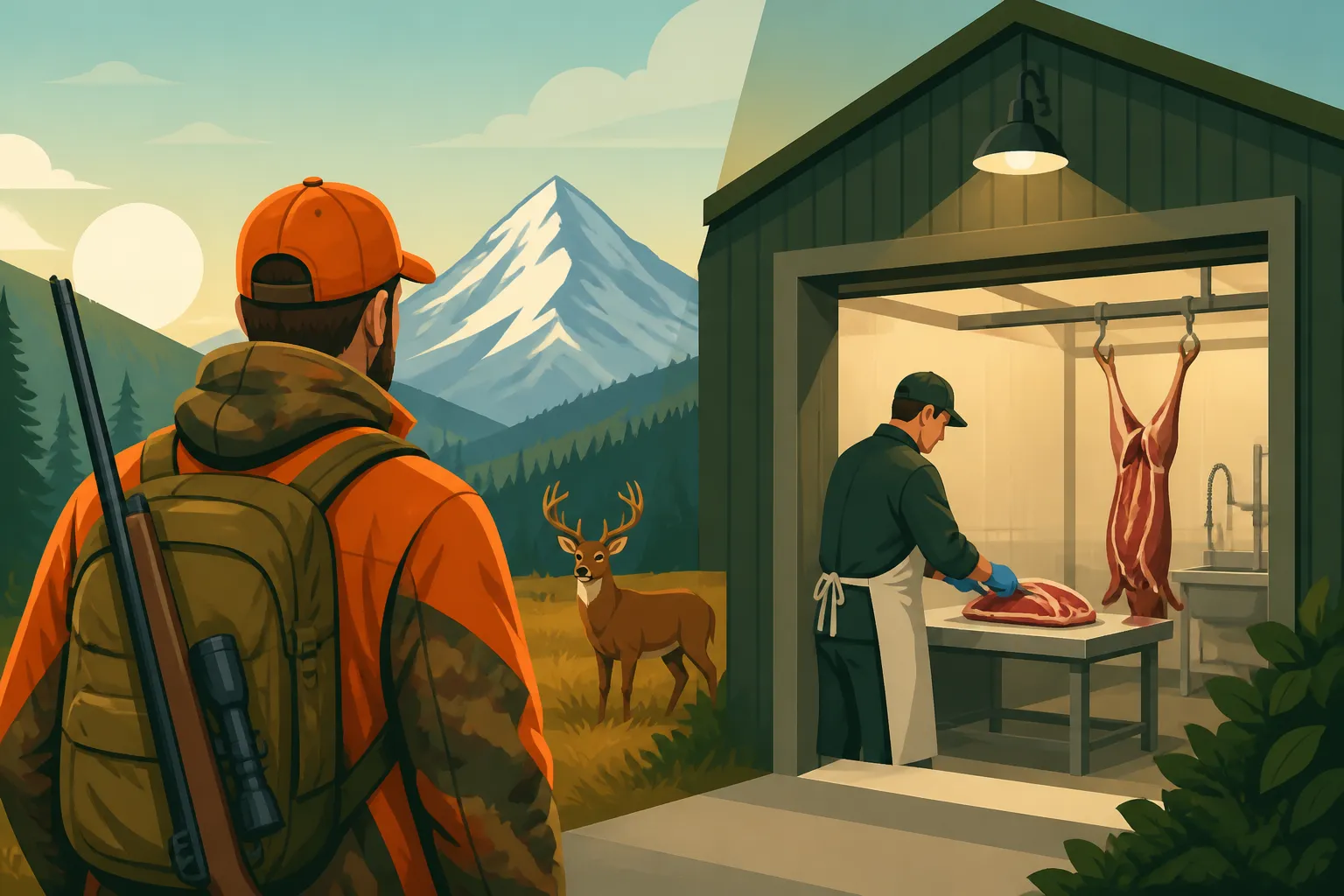
Finding a Processor in Hunting Season
You've just put in the hard work, the early mornings, the miles hiked, and the patience of a seasoned hunter, and now you've got a beautiful deer or elk on the ground. Congratulations! But then, the immediate high gives way to a practical, often stressful question: "Now what?" Finding a reliable game processor, especially smack in the middle of hunting season, can feel like an impossible feat. This guide is here to walk you through the real challenges and offer practical strategies to ensure your hard-earned harvest is handled properly.
The Frustration of Finding a Processor During Peak Season
There's nothing quite like the pride of a successful hunt. The adrenaline is still pumping, the fatigue hasn't quite set in, and you're already picturing those delicious meals. But then reality hits – where are you going to take this animal? For many Washington hunters, the dream quickly morphs into a frantic search for a meat processor, and during the peak of deer and elk season, this can become a significant bottleneck. It's a universal struggle, whether you're bringing in a blacktail from the wet western slopes or a mule deer from the arid eastern breaks.
Why It's So Hard During Peak Season
The simple truth is that everyone else is doing the same thing. Washington's hunting seasons, particularly for popular big game species like elk and deer, are concentrated into relatively short windows. This creates an enormous surge in demand for processing services all at once. Small, local processors, which many hunters prefer for their personalized service and attention to detail, often have limited capacity. They can only handle so many animals in a day, and once their coolers are full and their cutting schedule is booked, they simply can't take any more. You might call five places, only to hear the same disheartening message: "Sorry, we're full."
This isn't just about space; it's about skilled labor and time. Professional processors need experienced butchers to break down carcasses efficiently and hygienically. During the busiest weeks of the general season, these shops are working long hours, pushing through a backlog of animals. They're often dealing with varying degrees of field care – some hunters bring in pristine carcasses, others… not so much. This impacts their workflow and further limits how many new animals they can accept, creating a ripple effect of frustration for hunters who are often racing against the clock, especially in warm weather.
Common Pitfalls and What to Avoid
One of the biggest mistakes hunters make is waiting until they have an animal down to start looking for a processor. This reactive approach almost guarantees stress and potential issues. Imagine you've just packed out a quartered bull elk from deep in the Gifford Pinchot National Forest; the last thing you want is to drive around for hours in search of an open cooler. Another pitfall is assuming that your usual processor will automatically have space. Loyalty is great, but even the most dedicated shops can get overwhelmed. Always call ahead, even if you've used them for years.
Then there's the quality aspect. In desperation, some hunters might resort to a processor they know little about, simply because they're the only ones with availability. This can lead to disappointment later, whether it's poor cuts, mixed-up meat, or unexpected charges. Avoid processors that seem too cheap, don't ask about your field care, or have questionable hygiene practices. Your hard-earned meat deserves the best possible treatment, not a rush job from an unknown entity. Remember, the quality of the final product heavily depends on both your initial Field Dressing in Warm Early-Season Weather and the processor's expertise.
Planning Ahead for a Smooth Process
The key to avoiding the processing headache is proactive planning. Just as you scout your hunting unit and dial in your rifle, you should have a game plan for what happens after the shot. This foresight can save you immense stress, preserve your meat quality, and ensure you get exactly what you want from your harvest.
Pre-Season Research and Contact
Before hunting season even begins, do your homework. Start by making a list of potential game processors in or near the GMU you plan to hunt, as well as closer to your home. Websites like GoHunt often have forums or resources where local hunters share recommendations for reliable processors. Pay attention to their operating hours, especially around opening day and weekends. Some processors might close early or be by appointment only. Don't be shy – call them up and ask about their typical lead times during peak season, if they require appointments, and what their policies are regarding animal intake.
Many processors appreciate a heads-up that you'll be hunting in the area. Some might even allow you to pre-book a slot, though this is less common for general season tags. Ask about their cold storage capacity – can they hold a carcass for a day or two if needed? This is particularly important for those hunting remote areas or on multi-day trips. Having a few options, rather than just one, gives you flexibility if your primary choice is full. It's also a good idea to consult the annual Washington Big Game Pamphlet Release for any updated regulations that might affect how processors operate or what information they require from you.
Understanding Processor Services and Costs
Not all processors are created equal, and their services can vary significantly. Some offer basic cut-and-wrap, while others provide a full range of specialty products like sausage, jerky, and burger patties with added pork or beef fat. Before you're standing there with a dead animal, understand what each processor offers and what their pricing structure looks like. Prices can be per pound (hanging weight or finished weight), or a flat fee per animal, sometimes with additional charges for caping, deboning, or special requests.
It’s crucial to know exactly what you’re paying for. Get a clear quote or at least a detailed price list. Ask about minimum batch sizes for specialty products if you're splitting meat with hunting partners. For example, if you want a certain amount of summer sausage, do they need 25 pounds of trim, or can they accommodate smaller amounts? Also, inquire about their packaging methods – vacuum sealing is generally preferred for freezer longevity over butcher paper. Some processors will even help you with your Washington Harvest Reporting Requirements by providing the necessary tag information, making your post-hunt paperwork a bit smoother.
Here's a quick comparison of common processor services:
| Service | Description | Typical Cost Structure | Notes |
|---|---|---|---|
| Basic Cut & Wrap | Deboning, cutting into steaks/roasts, grinding into burger, freezer wrapping. | Per lb. (hanging) or flat fee | Essential service; usually includes standard cuts. |
| Vacuum Sealing | Meat sealed in airtight plastic bags. | Per lb. or additional flat fee | Extends freezer life significantly; highly recommended. |
| Sausage/Jerky | Processing trim into various sausage types (e.g., breakfast, Italian) or jerky. | Per lb. of finished product | Often requires additional ingredients (pork/beef fat, seasonings). |
| Tenderizing | Mechanical tenderizing of less tender cuts. | Per lb. or small flat fee | Can improve texture of certain cuts. |
| Caping/Taxidermy | Preparing hide/head for taxidermy. | Flat fee | Specialized service; confirm their experience. |
| Storage Fees | Holding carcass/meat beyond a specified pickup time. | Per day | Important if you can't pick up immediately. |
Field Care: Your Role in Quality Meat
No matter how good your processor is, the quality of your finished meat starts with you in the field. Neglecting proper field care can lead to spoilage, off-flavors, and may even result in a processor refusing your animal. This is especially true in Washington's varied climate, where early season hunts can be surprisingly warm, even in the mountains.
Getting the Carcass Cooled Fast
This cannot be stressed enough: cool your meat down as quickly as possible. Heat is the enemy of fresh game meat. As soon as you've harvested an animal, the clock starts ticking. The first step, of course, is field dressing. Remove all internal organs promptly to allow air circulation and facilitate heat escape from the body cavity. For larger animals like elk, you'll need to work fast. If it's warm, consider splitting the brisket to really open up the chest cavity, or even removing the hide partially or completely if you're close to your vehicle and transport is imminent.
After field dressing, focus on air flow. Prop the cavity open with sticks, or hang the animal if possible. If you're out in the backcountry, getting the animal quartered and into game bags is paramount. This allows the individual quarters to cool much faster than a whole carcass. Spread the game bags out in the shade, ideally off the ground, where any breeze can help. If you're on an early season hunt, especially for bears or blacktail deer on the coast, even a slight temperature increase can drastically reduce the shelf life and quality of your meat. Think about how you'll manage Getting Meat Off the Mountain Before Dark and into a cooler or to a processor.
The Gutless Method and Quartering for Transport
For many Washington hunters, especially those pursuing elk in steep country or packing out a deer solo, the "gutless method" has become a game-changer. This technique involves skinning and quartering the animal without opening the body cavity, leaving the guts largely intact. It's cleaner, often faster, and allows you to get meat into game bags more efficiently. Learning how to properly apply the gutless method and then perform Quartering and Packing an Elk Solo is an invaluable skill that will not only make your pack out easier but also contribute significantly to meat hygiene and cooling.
Once the animal is quartered and in quality game bags, the next challenge is transport. If you're driving, consider having large coolers filled with ice ready to go. For a bull elk, you might need several large coolers. Knowing the appropriate Cooler Size for a Bull Elk or even a large deer will help you prepare. Make sure the meat isn't sitting directly in melted ice water – use grates or elevate it to keep it dry, or simply drain the water frequently. Many hunters will place frozen two-liter bottles of water alongside the meat, which keeps things cold without making the meat soggy. The goal is to keep that precious meat cool and clean until it reaches the processor or your own home for further handling.
Last-Minute Solutions and Alternatives
Despite all your best planning, sometimes things just don't go according to script. Maybe you drew a late tag in a unit you don't typically hunt, or your usual processor unexpectedly closed down. Don't panic! There are still options available, even if they require a bit more effort on your part.
Community Resources and Local Leads
When you're in a pinch, sometimes the best resources are your fellow hunters. Local hunting clubs, online forums, and even outdoor gear shops can be goldmines of information. Many communities, especially in rural Washington, have small, unadvertised butcher shops or even individuals who process game on the side. These are often word-of-mouth recommendations, so don't be afraid to ask around. GoHunt's community features, for instance, are an excellent place to tap into the collective knowledge of Washington hunters who might know about smaller, less-known operations that are still taking animals.
Another option is to look beyond dedicated game processors. Some local butcher shops or even grocery store meat departments (though less common these days) might be willing to cut and wrap your game, especially if you bring it in already deboned and clean. Be upfront about it being game meat and inquire about their specific requirements. They might charge a higher rate, but it could be a lifesaver if you have no other options. Always call ahead and explain your situation clearly.
Processing Your Own Game at Home
If all else fails, or if you simply prefer to have complete control over your meat, processing your own game at home is a rewarding and cost-effective alternative. It's a skill that every serious hunter should consider developing. While it might seem daunting for a large animal like an elk, it's very manageable, especially for deer. You'll need some basic tools: sharp knives, a cutting board, game bags, a meat grinder (if you want burger), and a vacuum sealer.
There are tons of resources available, from online videos to instructional books, that can guide you through the process of Cutting and Wrapping Your Own Deer or even an elk. Breaking down the animal yourself allows you to customize your cuts exactly how you like them, and you can take your time. You can also experiment with different sausage recipes or learn the art of Aging Meat in a Spare Refrigerator for enhanced flavor and tenderness. It takes a bit of space, some dedicated time, and a willingness to learn, but the satisfaction of knowing you handled every step from field to freezer is truly unmatched. Plus, you’ll never have to worry about finding an open processor again!
Disclaimer
The information provided in this guide is for general informational purposes only and does not constitute professional advice. Hunting regulations, processing availability, and service costs can change frequently. Always consult the most current Washington Department of Fish and Wildlife (WDFW) regulations and confirm details directly with game processors or relevant authorities before making any decisions. The author and publisher are not responsible for any actions taken based on the information in this guide.