Washington’s April 20 to May 27 Application Window
It’s a frustrating truth for many Washington hunters: missing out on a coveted special permit hunt because you simply forgot to apply. That brief window each spring can slip by in the blink of an eye, leaving you to wait another year for a chance at a true trophy or a unique hunting experience. This comprehensive guide will walk you through everything you need to know about Washington’s special hunt application window, specifically from April 20 to May 27, ensuring you're prepared and ready to submit your applications for the hunts of a lifetime.
Understanding the Washington Special Hunt Application Period
The special hunt application period in Washington State isn't just another date on the calendar; it's a pivotal moment for anyone dreaming of pursuing big game beyond the general seasons. For many, this is their one shot at drawing a tag for specific, often trophy-rich, Game Management Units (GMUs) or for species with very limited permits. It’s the gatekeeper to hunts that offer unique challenges and incredible opportunities that general season tags simply don’t provide.
Why the Application Window is Crucial
The Washington Department of Fish and Wildlife (WDFW) uses special permits to manage game populations, distribute hunting pressure, and offer quality hunting experiences for specific species or in particular areas. These permits are limited in number, making the competition stiff, but the reward — a chance at an unpressured bull elk, a mature mule deer buck in prime habitat, or even a once-in-a-lifetime bighorn sheep tag — is well worth the effort. Missing the application deadline means forfeiting your opportunity entirely for the entire year, and with Washington’s random draw system, every year you apply is a fresh chance. There are no preference points, so consistency in applying is key to eventually drawing a tag.
Think about the sheer excitement of getting an archery elk tag in a premier unit, or a late-season deer tag when conditions might be perfect for Tracking Bucks in Fresh Eastern Washington Snow. These are the kinds of opportunities that only special permits can unlock. The application window is where all those hopes and dreams begin, and it requires meticulous attention to detail to ensure your application is submitted correctly and on time. It's not just about filling out a form; it's about making informed choices that could define your hunting season.
Key Dates: April 20 to May 27 Explained
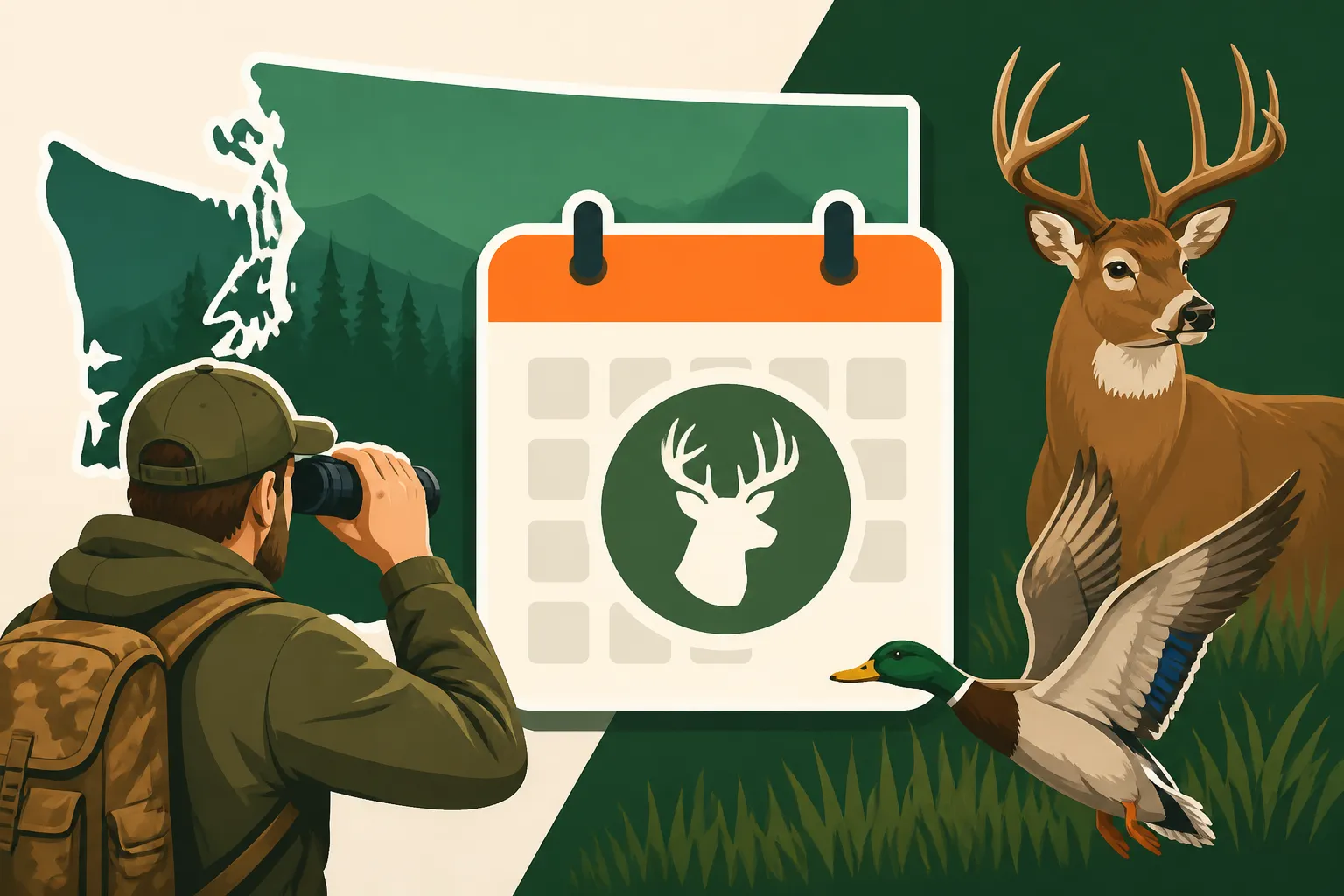
The core application window for most special permits in Washington generally runs from April 20 to May 27. While WDFW occasionally adjusts these dates slightly or extends deadlines (as they did in 2026), these are the dates you should always mark on your calendar. During this period, the WDFW's online licensing system, WILD, opens up for permit applications. This specific timeframe gives hunters just over a month to research, strategize, and submit their applications. It's a critical period that requires planning, not just a last-minute rush.
This window encompasses the application period for the majority of Washington's special big game hunts, including quality deer, quality elk, moose, bighorn sheep, and mountain goat. It’s also when you can apply for specific bear and cougar permits if you're looking for unique hunting experiences for those species outside of the general tag purchase. The key is to treat the start date, April 20, as your green light to begin the actual submission process, but your research and planning should ideally begin much earlier.
It’s important to understand that while the application period is clearly defined, the actual process can take some time. Many hunters spend weeks leading up to April 20 pouring over hunt statistics, E-Scouting Washington GMUs Before the Draw, and discussing strategies with fellow hunters. The May 27 deadline is absolute; systems typically close promptly at midnight Pacific Time, and no late applications are accepted. This hard deadline underscores the importance of not procrastinating, especially if you encounter any technical issues or need to finalize group applications.
What Happens if You Miss the Deadline
Missing the May 27 deadline for Washington's special hunt applications is a tough pill to swallow, and unfortunately, it means you're out of luck for those specific permit hunts for the entire year. Unlike some other states that might offer a late application period with reduced odds or different fees, Washington is quite strict. Once the window closes, it closes. There's no back-door entry, no last-minute appeals, and no sympathetic ear at WDFW that can override the system.
This reality makes it paramount to set multiple reminders, perhaps even an old-fashioned calendar entry in addition to digital alerts. For hunters eagerly awaiting a chance at a trophy bull in the Blue Mountains or a unique mule deer hunt in the Okanogan, a missed deadline is a year wasted in terms of drawing a special permit. You would still be able to purchase general season tags, of course, but the specific, often less-pressured or higher-opportunity hunts offered through the special permit draw would be off-limits.
Beyond missing out on the hunt itself, there's the psychological impact. Many hunters invest significant time into scouting, planning, and dreaming about these special opportunities. To have that snatched away by a simple oversight is incredibly disheartening. That's why being proactive and making your application submission part of your early spring routine is so vital, ensuring you can participate in the annual tradition of applying for what could be your dream hunt.
Species Available Through Special Hunt Permits
Washington's special hunt permits cover a wide array of big game species, offering hunters opportunities that range from highly sought-after trophy hunts to specific management hunts in unique areas. These permits are distinct from general season tags, providing access to more controlled environments, different weapon seasons, or more favorable timing. Understanding which species are available through this draw is the first step in crafting a successful application strategy.
Premier Big Game: Elk, Deer, Moose, Bighorn Sheep, Mountain Goat
This category represents the pinnacle of Washington's special permit hunts. For elk, these permits often target specific GMUs known for quality bulls or provide access to early archery or late modern firearm seasons that aren't available to general tag holders. Hunters dream of drawing a tag for the Blue Mountains Elk Herd or the Colockum, where genetics and habitat produce impressive animals. Similarly, special deer permits can open up access to trophy mule deer in eastern Washington or offer unique antlerless hunts for population management. The draw odds for these can be incredibly challenging, but the potential reward is immense.
Moose, bighorn sheep, and mountain goat fall into a truly "once-in-a-lifetime" category for most hunters, as success in drawing one of these tags is extremely rare. Washington offers a limited number of permits for these majestic animals, primarily in the northeastern and North Cascades regions. The application process is the same as for other special permits, but the odds are notoriously long, often in the thousands-to-one range. Despite the slim chances, many dedicated hunters apply year after year, knowing that one lucky draw could lead to an unparalleled hunting adventure. The application fee for these premier species is often higher, reflecting the rarity and desirability of the tags.
The allure of these premier species isn't just about the trophy; it's about the experience. Imagine trekking into high-alpine country for a mountain goat or pursuing a shiras moose through dense timber. These hunts often occur in rugged, remote terrain, demanding extensive preparation and physical fitness. Even just applying for these hunts is part of the tradition for many Washington hunters, a hopeful gesture toward a dream that might one day come true.
Bear and Cougar Permit Opportunities
While black bear and cougar are also available through general tag purchases, special permits can offer distinct advantages or access to unique hunting scenarios. For black bear, special permits might grant access to specific units or extended seasons, allowing hunters to target bears during different feeding patterns or in areas with higher densities. For instance, a permit might allow a hunter to pursue bears during an early season when they are still active on green-up slopes, as described in Spotting Bears on Avalanche Chutes. These permits are crucial for managing bear populations and mitigating timber damage or conflicts with human habitation.
Cougar permits, too, can differ from general tags. While Washington banned the use of hounds for cougar hunting years ago, special permits might allow for different harvest guidelines or extended opportunities in specific GMUs. Hunters often rely on strategies like Calling Cougars Without Dogs in Washington or meticulously Reading Cougar Sign in the Snow to increase their chances. These permits play a role in managing cougar populations, especially in areas where depredation on deer or elk herds is a concern. The WDFW closely monitors cougar harvest to ensure sustainable populations while addressing management needs.
Applying for bear and cougar special permits alongside your deer or elk applications can be a smart strategy to diversify your hunting opportunities. While the draw odds for these species might not be as extreme as for moose or bighorn sheep, they still offer a chance at a more tailored hunting experience. Always consult the current WDFW hunting regulations pamphlet for specific unit restrictions and season dates, as these can change annually based on population assessments and management goals.
Other Species and Permit Types
Beyond the marquee big game, Washington’s special permit system also encompasses a range of other unique hunting opportunities. For example, some spring turkey seasons or quality hunts for specific deer or elk tags might be allocated through a draw, rather than over-the-counter purchases. These permits often aim to distribute hunting pressure, enhance hunter success, or achieve specific management objectives that general season hunting cannot address.
Sometimes, these "other" permit types might include antlerless deer or elk permits in certain areas, which are critical for population control. These can be valuable for hunters looking to fill their freezer or introduce new hunters to the field. While less glamorous than a branch-antlered bull tag, they serve an important conservation purpose and can provide excellent hunting opportunities, particularly for those who prioritize meat over antlers.
It's always worth carefully reviewing the entire list of available special permits during the April 20 to May 27 window. The WDFW hunt pamphlet and online portal will detail all the options, including any youth-specific hunts, disabled hunter permits, or special archery-only areas. Don’t overlook these smaller draws, as they can sometimes offer higher odds of success and still lead to incredibly rewarding experiences in the Washington outdoors. Every year there are subtle changes, so diligent review is critical.
Navigating the Application Process on WDFW WILD
The Washington Department of Fish and Wildlife (WDFW) manages all hunting and fishing licenses, permits, and harvest reporting through its online portal, known as WILD. For special hunt applications, this platform is your sole gateway to entry. While generally user-friendly, navigating the WILD system requires attention to detail to ensure your application is submitted correctly and without issues.
Setting Up and Managing Your WILD Account
Before you can even think about applying for special permits, you need a WILD account. If you’ve ever purchased a hunting or fishing license in Washington, you likely already have one. Your WILD ID is a unique number that identifies you within the system. If you're a new hunter or haven't purchased a license in a while, you'll need to create an account. This typically involves providing personal information, establishing a username and password, and linking any past hunting history. It's crucial that all your information is accurate and up-to-date, especially your contact details, as this is how WDFW will notify you if you draw a permit.
Managing your WILD account also means keeping track of your Hunter Education certification, which is a prerequisite for purchasing a license and applying for permits. If you've taken the course, ensure your certification number is correctly associated with your profile. Regularly checking your account well before the application window opens is a good practice. This allows you to update passwords, confirm personal details, and verify your hunter education status without the pressure of a looming deadline. Remember, if you’re planning to apply for Washington Special Hunt Permits and How to Apply, having your WILD account squared away is step one.
For non-residents, the process is similar but might involve an extra step or two to confirm residency status if you've recently moved or if your address is not yet updated. Having a current email address linked to your account is particularly important, as WDFW primarily uses email for important notifications, including draw results and harvest reporting reminders. Don't wait until May 26th to try and log in for the first time in a year – verify your access and information well in advance.
Step-by-Step Application Submission
Once logged into your WILD account during the application window, you’ll find a dedicated section for "Special Hunt Applications." The process is fairly intuitive, guiding you through selecting the species you wish to apply for, followed by your hunt choices. Washington allows hunters to select up to four hunt choices for most species, ranking them in order of preference. For some premium species or quality hunts, the number of choices may be limited, so always double-check the regulations pamphlet.
When making your choices, you'll typically select a GMU, a weapon type (archery, muzzleloader, or modern firearm), and the specific hunt period. For example, you might apply for an archery elk tag in the Colockum GMU, followed by a muzzleloader elk tag in the Yakima unit as your second choice. The system will clearly display the available options based on your license and weapon declarations. It's vital to carefully review each selection before proceeding, as errors can render your application invalid or lead to drawing a hunt you didn't intend to.
After selecting your hunt choices, you’ll be prompted to confirm your application and pay the associated fees. These fees are typically non-refundable application fees and are separate from the actual tag cost if you successfully draw. The system will provide a confirmation page and usually send an email receipt. This receipt is your proof of application, so save it. It’s the peace of mind knowing your hard work of research and selection has culminated in a valid entry into the draw. For more details on the process, consult the guide on How to Apply for a Washington Special Hunt Permit.
Understanding Hunt Choices and Group Applications
Washington’s special hunt application system allows for a certain number of hunt choices per species, typically four for general special permits, but sometimes fewer for quality or premier hunts. These choices are ranked, meaning your first choice is considered before your second, and so on. Understanding this ranking is critical, as it directly impacts your strategy. You want to place your most desired (and often hardest to draw) hunts as your first choice, followed by progressively more attainable options. It's a strategic game of balancing ambition with realism.
For those who hunt with partners or family, Washington offers the option for group applications. This allows two or more hunters to apply together for the same hunt choices. If any member of the group draws, all members draw a tag for that hunt. However, if even one member of the group is ineligible or their application has an error, the entire group's application can be rejected. This makes meticulous planning and communication within a group absolutely essential. Each member still needs their own valid WILD account and to meet all licensing requirements.
When considering a group application, remember that your odds are essentially pooled. If a hunt has 10 permits and 1000 applicants, and you apply as a group of two, you're competing for 10 permits with roughly 999 other "applications" (individual or group). Your probability of drawing for a specific hunt doesn't increase simply by applying as a group; rather, if your group is successful, all members are successful. The main benefit is ensuring you get to hunt with your chosen partners if you draw a permit. You'll need each other's WILD IDs to link applications correctly, so gather that information well ahead of time.
Strategies for Maximizing Your Draw Odds
Drawing a special permit in Washington can feel like winning the lottery, especially for highly coveted tags. While the WDFW uses a random draw system with no preference points, meaning every applicant has an equal chance each year, smart strategy can still give you an edge. This isn't about manipulating the system, but about making informed decisions that increase your effective odds by targeting hunts where success is more likely or where competition is less fierce.
Researching GMUs and Hunt Success Rates
The foundation of any successful special hunt application strategy lies in thorough research of Game Management Units (GMUs) and historical hunt success rates. The WDFW publishes this data annually, and it's gold for applicants. You can find information on how many permits were offered for a specific hunt, how many applicants there were, and what the success rate was for the hunters who drew those tags. This data will tell you, for example, that applying for a branch-antlered bull permit in the Colockum (GMU 328) might have 1,000 applicants for 10 permits, while a late-season antlerless permit in a less popular unit might have 100 applicants for 50 permits.
Beyond just draw odds, research should extend to the unit itself. What kind of terrain is it? Is it mostly public land or private? What kind of habitat does it offer? Is there good access, or is it a wilderness unit that requires significant backpacking? Tools like satellite imagery, topographic maps, and even on-the-ground scouting (if feasible) can provide invaluable insights. For instance, if you're targeting elk, understanding Washington Elk Herds and Where They Live can help you narrow down which GMUs might align with your hunting style and expectations. This depth of understanding helps you pick units where, if you do draw, you're actually prepared and enthusiastic about hunting there.
Consider not just the draw odds but also the hunter success rates once a tag is drawn. A unit might have great draw odds, but if hunters only have a 10% success rate, is it truly a desirable hunt for you? Conversely, a tough draw might lead to a 70% success rate for those who get a tag, indicating a high-quality hunting experience. This comprehensive research is what differentiates a speculative application from a strategic one.
Balancing Desirability and Practicality in Choices
With multiple hunt choices allowed, a key strategy is to balance your dream hunts with more practical, higher-odds alternatives. Your first choice might be that legendary spike-only elk permit in a trophy unit, where draw odds are astronomically low. That’s perfectly fine – you have to apply for what you truly want! But your subsequent choices should then pivot to hunts with progressively better odds of drawing. This could mean applying for a general season elk tag in a less popular unit for your second choice, or an antlerless deer permit as your third.
It's tempting to fill all four slots with only the most desirable, low-odds hunts. However, doing so dramatically reduces your overall chance of drawing any special permit. A more pragmatic approach ensures that while you chase the dream, you also have a realistic shot at getting a tag that will put you in the field during a special season. This is where researching draw odds really pays off; you can strategically place "safety" choices that still offer a good hunting experience but come with much higher probability of being drawn.
Another aspect of practicality is considering your personal capabilities and resources. Drawing a mountain goat tag might sound incredible, but if you don't have the physical fitness, gear, or time off work to execute a high-altitude wilderness hunt, it might not be the most practical choice. Similarly, if you primarily hunt with a bow, ensure your choices reflect seasons open to archery equipment. A well-balanced set of choices reflects both your aspirations and your realistic capacity to hunt effectively if successful.
Leveraging Tools and Resources
In today's digital age, hunters have access to an incredible array of tools and resources to help with special hunt applications. The WDFW website is the primary source for regulations, harvest reports, and draw statistics. Beyond that, private services and platforms like GoHunt offer advanced analytics, mapping tools, and community forums that can provide a significant advantage. GoHunt often aggregates WDFW data into user-friendly interfaces, allowing you to easily sort GMUs by draw odds, success rates, and even trophy potential.
These tools can help you visualize unit boundaries, overlay public and private land ownership, and identify potential access points, helping with decisions like Finding Old Logging Roads on Satellite. They often include filtering options to quickly narrow down hunts based on species, weapon, season dates, and even specific antler restrictions (like Washington's Three-Point Rule and What Counts). This kind of detailed information, often updated year-round, allows for continuous learning and refinement of your application strategy.
Joining online hunting forums specific to Washington can also be a valuable resource. Experienced hunters often share insights, tips, and personal experiences about different GMUs and special permit hunts. While you should always verify information with official WDFW sources, these communities can offer nuanced perspectives that aren't available in official publications. Combining official data with community wisdom and advanced tools like GoHunt creates a powerful research methodology, giving you the best chance to make informed decisions for your special hunt application.
Financial Considerations and License Requirements
Applying for Washington's special hunt permits isn't entirely free, and understanding the financial obligations and licensing requirements is crucial before you even click submit. These costs vary based on residency and the species you're applying for, and they are distinct from the actual cost of a tag if you draw.
Application Fees and Licensing Costs
When you apply for special permits in Washington, you'll incur a non-refundable application fee for each species you apply for. For example, if you apply for elk and deer permits, you'll pay an application fee for each of those species, regardless of how many hunt choices you list under them. These fees are typically modest but add up if you apply for multiple species. These fees go towards funding wildlife management and the administration of the draw system. They are generally around $10-15 per species, but it's essential to check the current WDFW fee schedule as part of your application preparation.
Beyond the application fees, you must possess a valid Washington hunting license at the time of application. This means you need to have purchased your annual hunting license, typically a Big Game Combination license, before the May 27 deadline. The cost of a hunting license can vary, with different rates for residents, non-residents, youth, and seniors. For instance, a Washington Resident Big Game Combo Price will be significantly lower than the Washington Nonresident Big Game Combo Cost. If you don’t have a valid license, your special permit application will be rejected, even if you’ve paid the application fees.
It's a common mistake for new hunters to assume they only need to purchase a license if they draw a permit. In Washington, the license must be in hand before you apply for special permits. This upfront cost is part of the investment in your hunting season. Factor these costs into your overall hunting budget early in the year, well before the April 20 application window opens.
Non-Resident vs. Resident Fee Structures
Washington State, like most others, differentiates between residents and non-residents when it comes to hunting license and tag fees. This is primarily because residents contribute to the state's tax base and conservation efforts through other means, and licenses are often subsidized for them. Non-residents typically face significantly higher costs for both licenses and general tags, and sometimes for special permit application fees as well. This tiered structure is designed to give residents priority and more affordable access to their state's wildlife resources.
For non-residents, the Washington Nonresident Big Game Combo Cost can be a substantial investment, often several hundred dollars. This combo license is required even before applying for special permits. While the higher cost can be a deterrent, many non-residents find the quality of Washington's hunting opportunities, especially for species like Roosevelt elk or high-country mule deer, to be well worth the expense. The special permit draw offers non-residents the same random chance as residents once they've paid their fees and hold the necessary license.
It's crucial for non-residents to verify all current fee structures well in advance of the application period. These fees are subject to change, and staying up-to-date with the latest WDFW regulations is vital to avoid any surprises or application rejections due to insufficient payment. Planning your budget and securing your license early will ensure a smooth application process during the crucial April 20 to May 27 window.
What if You Don't Have a License Before Applying?
This is a frequently asked question and a critical point of confusion for many hunters, especially those new to Washington or those who are used to systems in other states. In Washington, you must possess a valid annual hunting license before you can apply for special hunt permits. This includes your general big game hunting license. You cannot apply for a special permit without it.
If you don't have a license by the May 27 deadline, your special permit application will be considered invalid. The WDFW system is designed to check for this prerequisite, and it will either prevent you from completing the application or flag it for rejection. This means you won't be entered into the draw, and you'll forfeit your application fees. This rule applies to all applicants, whether resident or non-resident, and regardless of the species you're targeting.
The best practice is to purchase your annual hunting license, along with any necessary endorsements like the Western Washington Pheasant Enhancement or Migratory Bird Permit, early in the year. This way, when the special permit application window opens on April 20, you're ready to go. Don't wait until the last minute, or worse, until after you've submitted your special permit application, to buy your base license. Ensure your license is active and valid to avoid disappointment and wasted application fees. You can find more details on this important step in Applying Without a Washington Hunting Licence.
What Happens After You Apply: Draw Results and Next Steps
Once you've navigated the application process and clicked submit, the waiting game begins. This period, from the May 27 deadline until the draw results are posted, can feel agonizingly long. But just as important as applying is knowing what to expect next and what steps to take, whether you draw a tag or not.
When and How to Check Draw Results
The WDFW typically announces special hunt draw results sometime in mid to late June, although the exact date can fluctuate slightly from year to year. Historically, this has been around June 20-30. The most reliable way to check your results is by logging into your WILD account. The WDFW system will display your application status, indicating whether you were successful in drawing a permit for any of your chosen hunts. While WDFW sometimes sends out email notifications, relying solely on these can be risky, as they can occasionally go to spam folders or be delayed.
For those who applied as a group, all members of the group will see the same result in their individual WILD accounts. If your group drew a permit, congratulations! If not, it’s back to the drawing board (literally) for next year. Many hunters also keep an eye on WDFW’s official social media channels and website news releases, as they often announce when results have been posted. Knowing the general timeframe for results helps manage expectations and reduces the anxiety of constantly checking your email. You can find up-to-date information on Washington Draw Results Posting Date by checking the WDFW website.
Understanding Your Permit Details
If you're one of the lucky few to draw a special permit, the excitement is palpable! However, your work isn't quite done. You'll need to carefully review the details of your drawn permit within your WILD account. This will include the specific GMU, the weapon type (e.g., archery, muzzleloader, modern firearm), the valid hunt dates, and any special restrictions (e.g., spike-only, branch-antlered, antlerless). It is absolutely critical to understand every aspect of your permit before heading into the field.
After drawing, you will typically need to "claim" or purchase your special permit tag. This is where you pay the actual tag fee, which is separate from the initial application fee. The tag will then be mailed to you or made available for printing, depending on the WDFW's current system. Make sure your mailing address is correct in your WILD account to ensure prompt delivery. This physical tag, along with your general hunting license, must be carried with you while hunting.
Understanding your permit details also extends to thoroughly reading the current year's WDFW hunting regulations pamphlet. This pamphlet will provide extensive information on your specific GMU, any access restrictions, safety zones, and legal requirements for hunting your drawn species. Don't assume anything; even if you've hunted the unit before, regulations can change annually. This attention to detail ensures a legal and enjoyable hunting experience.
What to Do if You Don't Draw
For the vast majority of applicants, the draw results bring disappointment. With hundreds, sometimes thousands, more applications than available permits for desirable hunts, not drawing is the more common outcome. It's a tough part of the special permit system, but it's important not to get discouraged. Many veteran hunters go years, even decades, without drawing certain premier tags.
If you don't draw a special permit, your next step is to focus on general season opportunities. Washington offers robust general seasons for deer and elk, along with bear and cougar tags that can be purchased over the counter. This might be the time to revisit your plans for Washington General Season Versus Special Permit Hunts and fully commit to scouting and preparing for those general season dates. Use the summer months to dial in your gear, practice your shooting, and scout alternative public lands.
Don't let a "no draw" outcome dampen your hunting spirit. View it as another year of building anticipation for next year's draw and an opportunity to explore different hunting avenues. Take the time to analyze why you didn't draw – perhaps your choices were too competitive, or you didn't include enough "safety" options. Use this information to refine your strategy for the following year's application window, which will open again in April. The experience you gain during general seasons will only make you a better, more prepared hunter for when that special permit finally comes through.
Common Pitfalls and How to Avoid Them
The special hunt application process, while designed to be straightforward, is rife with potential pitfalls that can lead to a rejected application or a missed opportunity. Avoiding these common mistakes requires diligence and a clear understanding of the rules.
Incorrect Hunt Choice Selection
One of the most frequent mistakes hunters make is incorrectly selecting their hunt choices. This isn't just about picking a desirable unit; it's about ensuring your selections align with your weapon declaration and the season dates. For instance, if you declared an archery-only elk tag when you purchased your license, but then apply for a modern firearm elk hunt as a special permit choice, your application could be rejected or you might draw a tag you can't legally hunt with your chosen weapon. Similarly, if you apply for a spike-only hunt but intend to hunt a branch-antlered bull, you've fundamentally misunderstood the permit.
Carefully read the hunt choice descriptions provided in the WDFW regulations pamphlet and on the WILD application portal. Pay close attention to the GMU number, the specific dates, the antler restrictions (if any), and the legal weapon type for that hunt. A common error is mixing up east side and west side GMUs or not realizing certain units have specific access restrictions. Double-check your choices before finalizing your application, ideally with a copy of the current regulations pamphlet open beside you. Understanding Declaring a Weapon on a Washington Elk Tag is foundational to making correct hunt choices.
Forgetting to Harvest Report General Season Tags
While not directly related to applying for a special permit, failing to harvest report any tag you held in the previous season – general season or special permit – can make you ineligible for future special permit draws. Washington takes harvest reporting very seriously. It’s how WDFW gathers crucial data on harvest numbers, success rates, and game populations, which directly informs future season setting and permit allocations.
Even if you didn't harvest an animal, you are still required to submit a report stating "no harvest." This applies to every tag you held, whether it was for deer, elk, bear, cougar, or turkey. The deadline for harvest reporting is typically late January. If you miss this deadline, WDFW can impose a penalty, which might include an inability to purchase future licenses or apply for special permits. This is not a risk worth taking.
Make harvest reporting a non-negotiable part of your post-season routine. Set reminders, use the WDFW mobile app, or make it a point to log into your WILD account before the end of January to submit all reports. This simple administrative step protects your ability to participate in future special permit draws and is a fundamental responsibility of every licensed hunter in Washington. More information on this can be found in Washington Harvest Reporting Requirements.
Not Understanding Special Season Regulations
Special permits often come with their own unique set of regulations that differ significantly from general season rules. This could include different bag limits, specific legal weapon requirements, limited hunting areas within a GMU, or even special access rules for private timberlands or tribal lands. Assuming that general season rules apply to your special permit hunt is a recipe for disaster and potential violations.
For example, some special permits might be for antlerless animals only, or for spike bulls in areas where general season allows for branch-antlered bulls. Other permits might allow for hunting during times when public access is typically restricted, such as late-season hunts on critical winter range. It is your responsibility as the permit holder to thoroughly read and understand all regulations specific to your drawn hunt. The WDFW pamphlet is your bible for this, but also check for any in-season emergency rule changes that might be posted on the WDFW website.
If you have any doubt or question about a specific regulation for your special permit hunt, contact WDFW directly. Their staff are there to help clarify rules and ensure hunters comply. Ignorance of the law is not an excuse. Taking the time to fully comprehend your special season regulations will ensure you have a legal, ethical, and successful hunt if you are fortunate enough to draw.
Preparing for Your Potential Special Hunt
Drawing a special permit is just the beginning; the real work starts after the results are posted. Whether it’s a premier elk tag or a unique deer hunt, adequate preparation is the key to capitalizing on the opportunity. This involves year-round effort, both physically and mentally, to ensure you’re ready when the season arrives.
Early Season Scouting and E-Scouting
Once you know which GMU and hunt period you might be hunting (or if you drew a tag!), early season scouting becomes paramount. For a spring application that yields a fall hunt, this means spending your summer months familiarizing yourself with the unit. Use physical maps, satellite imagery (Google Earth, onX Hunt), and WDFW online mapping tools to identify potential access points, bedding areas, feeding zones, and water sources. Look for distinct terrain features like saddles, ridges, and clear-cuts that might funnel animals. This process, often called E-Scouting a Washington GMU From Home, allows you to cover vast amounts of ground digitally before ever setting foot in the field.
If possible, make several physical scouting trips to your drawn unit during the summer. This allows you to verify what you saw on maps, assess road conditions, and identify current sign like tracks, rubs, and scat. These trips also give you a feel for the terrain, elevation changes, and typical vegetation. For an elk hunt, understanding their summer patterns can be invaluable, even if they shift slightly for the fall rut. Scouting helps confirm travel corridors and identify pinch points where you might intercept animals. It’s an investment of time, but it’s arguably the most critical step after drawing a tag.
Physical Preparation and Gear Checks
Many of Washington's special permit hunts occur in challenging terrain, from the steep, brushy mountains of the west side to the rugged, broken country of the east side. Adequate physical preparation is not just about comfort; it's about safety and increasing your chances of success. Start a rigorous exercise regimen well in advance, focusing on cardiovascular fitness, strength training (especially for carrying heavy loads), and endurance. Practicing hiking with a weighted pack on uneven terrain mimics the demands of a real hunt.
Beyond your body, your gear needs to be in top shape. Perform thorough checks of your rifle, bow, or muzzleloader, ensuring it’s sighted in and functioning perfectly. Review Washington's legal equipment rules by weapon type to confirm compliance. Inspect your boots for wear and waterproofing, your pack for torn seams or broken buckles, and your rain gear for any leaks. Assemble your full kit – from first-aid supplies to game bags – and ensure everything is accounted for and in working order. Don't wait until a week before the season to discover a critical piece of equipment is missing or broken. Consider a specific rifle setup for Washington elk and deer, knowing the conditions you might face.
Planning for the Unexpected
Even the most meticulously planned hunts can be derailed by unexpected events. Washington weather is famously unpredictable, especially in the mountains, so be prepared for sudden shifts from warm sun to cold rain or even early snow, particularly in higher elevations. This means packing appropriate layers (like the optimal Rain Gear for Westside Hunting or Layering for Wet Cold Weather), carrying emergency shelters, and always having a backup plan.
Access can also be an issue. Roads can close due to fires, landslides, or early snow. Timber companies may restrict access on their lands, even if you have a permit. Always have alternative routes and contingency plans for different access points. Furthermore, consider safety precautions for solo hunting, carry a satellite messenger if you'll be out of cell service, and always leave a detailed trip plan with someone reliable at home. Having a robust first aid kit for a remote hunt is non-negotiable. Thinking through these "what ifs" and having plans in place can make the difference between a successful adventure and a dangerous ordeal.
Disclaimer
This guide provides general information about Washington's special hunt application window and related topics. Hunting regulations, fees, and season dates are subject to change by the Washington Department of Fish and Wildlife (WDFW). It is the sole responsibility of each hunter to consult the most current WDFW regulations pamphlet and official WDFW website for accurate and up-to-date information before applying for permits or going afield. This content is not a substitute for official WDFW regulations.