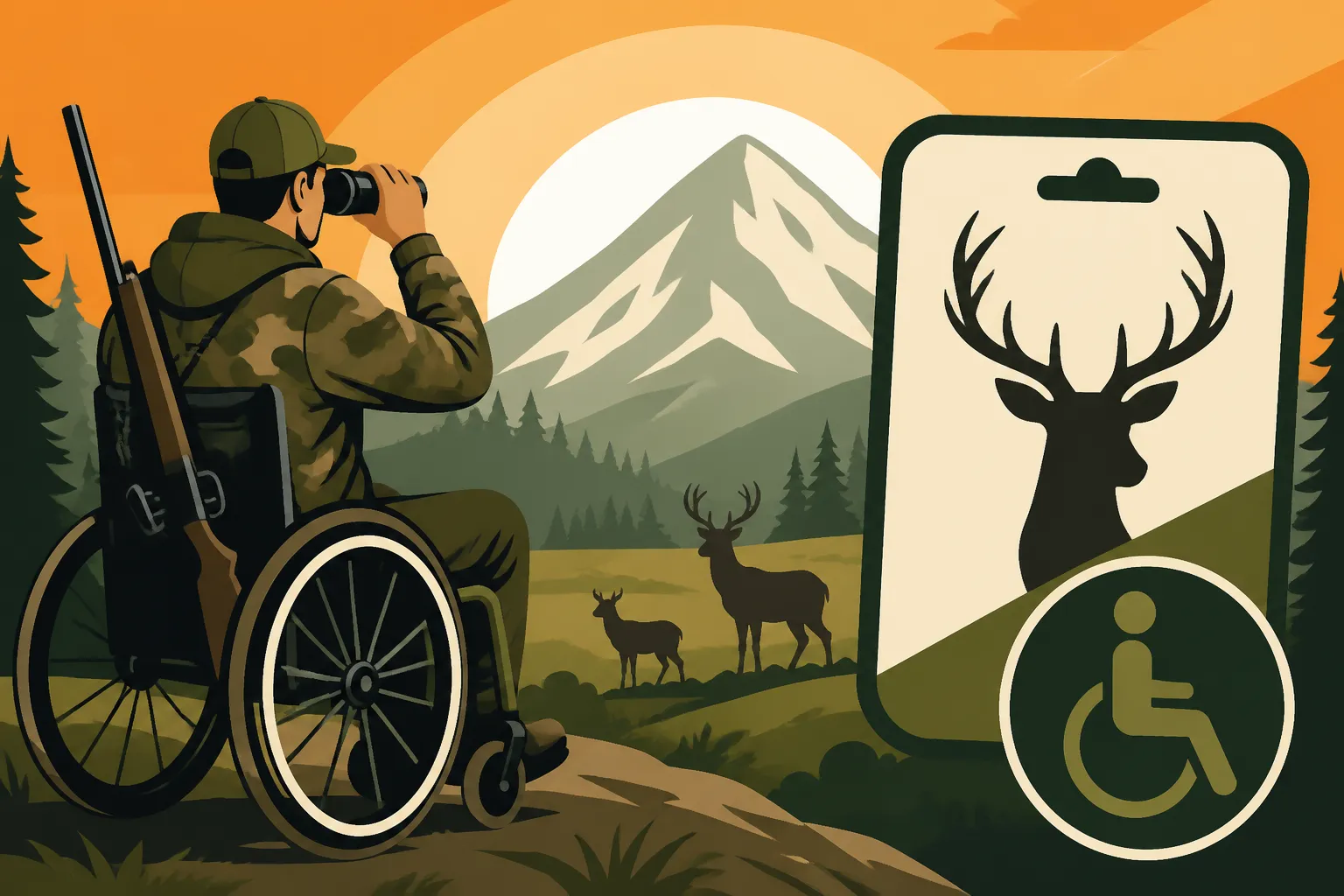
Washington Disability Hunting Permits
Hunting in Washington can be an incredibly rewarding experience, but for many folks living with a disability, the standard rules and physical demands can feel like an insurmountable barrier. It's frustrating when your passion for the outdoors is hampered by physical limitations, and the thought of navigating complex regulations just adds to the stress. This guide is here to shed light on Washington's disability hunting permits, explaining exactly what they are, who qualifies, how to apply, and what kind of accommodations they offer, so you can get back to doing what you love.
Understanding Washington's Disability Hunting Permits
Let's be honest, hunting is a physically demanding pursuit. Whether you're tracking elk through dense timber or glassing for mule deer across open sagebrush, it often requires mobility, stamina, and agility that not everyone possesses. The Washington Department of Fish and Wildlife (WDFW) recognizes this and has established specific permits and accommodations to ensure that hunters with certain disabilities still have opportunities to participate. These aren't handouts; they're designed to level the playing field, allowing individuals to enjoy our state's rich hunting heritage despite physical challenges.
Who Qualifies for a Disability Permit
Qualifying for one of these permits isn't just about having any disability; there are specific criteria set by the WDFW. Generally, these permits are for individuals whose physical limitations significantly impede their ability to perform essential hunting functions like walking, maintaining balance, or using standard hunting equipment. Think about folks who rely on wheelchairs, have significant ambulatory issues, or possess severe limitations in their upper body strength or coordination.
It's crucial to understand that these aren't granted lightly. The WDFW requires medical documentation from a licensed physician clearly stating the nature and extent of the disability, and how it directly affects your ability to hunt under regular regulations. This isn't just a doctor's note saying you have a bad back; it needs to be specific about the functional limitations. For instance, if you're seeking a permit to use a crossbow during archery season, the documentation would need to show why you can't draw and hold a traditional bow. Similarly, a permit allowing vehicle use on closed roads would require proof of a mobility impairment that prevents you from accessing areas on foot.
The Philosophy Behind These Accommodations
The core idea behind Washington's disability hunting permits is inclusion. The WDFW wants as many people as possible to experience the outdoors and participate in hunting, which plays a vital role in wildlife management and conservation. It’s about adapting the rules, not lowering the bar. These permits address the specific challenges faced by hunters with disabilities, providing reasonable accommodations so they can still safely and ethically pursue game. This means allowing the use of specific adaptive equipment, modifying access rules, or extending certain privileges that wouldn't be available to general season hunters.
For example, a hunter with a severe mobility impairment might be granted permission to use a vehicle on roads typically closed to the public, simply because walking those miles isn't an option. This doesn't give them an unfair advantage in locating game; it just allows them to reach areas that would otherwise be completely inaccessible. It's about equity, not superiority, ensuring that everyone who wants to contribute to hunting and conservation in Washington can do so.
Applying for a Washington Disability Hunting Permit
Navigating any permit application process can feel like a bureaucratic labyrinth, and disability hunting permits are no exception. But don't let that deter you! With a clear understanding of the steps and the required documentation, it's a manageable process. The key is to be thorough, plan ahead, and ensure all your paperwork is in order.
Step-by-Step Application Process
The journey to obtaining a disability hunting permit usually starts with a trip to the WDFW website or a call to their licensing division. You'll need to locate the specific application form for the type of disability accommodation you're seeking. There isn't just one universal "disability permit"; rather, there are different categories based on the specific need. These might include permits for permanent physically disabled hunters, those requiring specific weapon exemptions, or access permits.
- Obtain the Correct Application Form: This is your first critical step. Make sure you're filling out the most current version of the application.
- Consult Your Physician: This is non-negotiable. You'll need a medical professional to fill out and sign a specific section of the application, detailing your disability and how it affects your ability to hunt under standard regulations. This medical documentation is paramount.
- Complete Your Section of the Form: Fill out all your personal information accurately. Double-check everything.
- Gather Supporting Documents: Beyond the physician's statement, you might need proof of residency, your current hunting license number, or other relevant information.
- Submit Your Application: Follow the instructions for submission carefully. This could involve mailing it in, submitting it in person, or, in some cases, submitting it online.
- Wait for Review: The WDFW will review your application. This can take some time, especially if they need to request additional information or clarification.
It’s always a good idea to keep copies of everything you submit for your records. Tools like GoHunt can be helpful for researching general hunting seasons and regulations, which can indirectly inform you about what types of permits might be most beneficial for your specific situation, even if they don't directly handle the disability permit application itself.
Essential Documentation and Deadlines
The most critical piece of documentation is the signed medical certification from your physician. This needs to clearly outline the nature of your permanent physical disability and how it prevents you from safely and effectively hunting under typical conditions. For example, if you need a permit to use a crossbow during archery season, your doctor would need to certify a permanent disability that prevents you from drawing and holding a conventional bow. This isn't just about preference; it's about physical inability.
While many disability permits can be applied for at any time, it's wise to apply well in advance of the hunting season you wish to participate in. Processing times can vary, and you don't want to miss an opportunity because your permit hasn't been approved yet. There aren't usually hard deadlines like there are for applying for a Washington Special Hunt Permit, but it's best practice to get it done early. Make sure your current Washington Hunter Education and Licensing are also up to date, as these are prerequisites for any hunting activity.
| Permit Type | Typical Accommodation | Required Documentation | Application Timing |
|---|---|---|---|
| Mobility Impairment | Vehicle use on closed roads (specific units) | Physician's letter (mobility focus) | Anytime, allow 4-6 weeks |
| Upper Extremity Impairment | Crossbow use during archery season | Physician's letter (strength/dexterity) | Anytime, allow 4-6 weeks |
| Permanent Disability | General accommodation for specific rules (e.g., shooting from vehicle if safe) | Comprehensive physician's letter | Anytime, allow 4-6 weeks |
| Adaptive Equipment | Use of specific adaptive gear | Physician's letter, equipment details | Anytime, allow 4-6 weeks |
Types of Accommodations and Exemptions
Once you've navigated the application process, understanding the specific types of accommodations and exemptions available is crucial. These permits are designed to address a range of disabilities, offering tailored solutions so you can still hunt safely and ethically. They aren't a blanket pass; they provide specific allowances that directly mitigate the impact of your disability.
Crossbow Use During Archery Season
One of the most common and valuable accommodations for hunters with upper extremity disabilities is the permit to use a crossbow during Washington Archery Deer and Elk Dates. Traditional archery requires significant upper body strength and control to draw and hold a bowstring at full draw for an extended period. For many individuals, this is simply not feasible due to injury, age, or permanent disability.
With a WDFW-issued crossbow permit, you gain the ability to participate in archery seasons, which often offer earlier dates and unique hunting experiences. This permit ensures that hunters who cannot physically manage a conventional bow are not excluded from this popular season. Remember, you'll still need to adhere to other archery regulations, such as broadhead width rules in Washington, but the barrier of drawing the bow is removed. It's an excellent way to extend your hunting opportunities and enjoy the woods when other seasons might not be open.
Vehicle Use on Closed Roads
Mobility is a major factor in hunting success and enjoyment, especially in Washington's vast and often rugged terrain. Many prime hunting areas feature extensive road systems, but a significant portion of these are often closed to public vehicle traffic to protect wildlife habitat, prevent damage, and maintain a semi-wilderness experience. For a hunter with a severe mobility impairment, these closed roads can make large areas of public land effectively inaccessible.
A disability permit allowing vehicle use on certain closed roads is a game-changer. This permit enables hunters who cannot walk long distances to access areas they otherwise couldn't. It's not a license to go joyriding; these permits are typically very specific about which roads can be accessed and often require strict adherence to speed limits and other regulations to minimize disturbance. The intent is solely to provide reasonable access, not to create a competitive advantage. This can open up access to national forest lands, DNR land open to hunting, and even some industrial timber company gates, providing invaluable opportunities for those who qualify. When you're E-Scouting a Washington GMU From Home, look for those green dot roads or other gated access points that might become available with such a permit.
Special Considerations and Adaptive Equipment
Beyond crossbows and vehicle access, Washington's disability permits can also cover a range of other special considerations and the use of adaptive equipment. This might include permits to shoot from a stationary vehicle (only when safe and legal for the specific hunt), or to use specific aids that assist with aiming or steadying a weapon. Each case is evaluated individually, based on the medical documentation and the specific challenges faced by the hunter.
The goal is to ensure that a hunter can participate in a safe, ethical, and legal manner. For instance, if a hunter requires an adaptive shooting rest that isn't typically allowed under general regulations, a permit might be issued. These permits reflect a progressive approach to ensuring hunting remains accessible to a broad community, including those who depend on aids like GoHunt for detailed mapping and public land information to plan their hunts effectively, knowing their access is secured through these WDFW accommodations.
Navigating the Hunt with a Disability Permit
Having a disability permit in hand is a significant step, but it's just the beginning. Actually applying that permit to a successful and enjoyable hunt requires careful planning, preparation, and an understanding of how to make the most of your specific accommodations. It’s about being smart, safe, and respectful of the rules and other hunters.
Planning Your Hunt with Accommodations
When you're planning a hunt with a disability permit, your strategy will likely differ from a general season hunter. The key is to leverage your permit effectively while still adhering to all other regulations. Start by thoroughly researching the Game Management Units (GMUs) that align with your permit's allowances. If you have a vehicle access permit, focus on units with extensive gated road systems that would otherwise be inaccessible. Tools like GoHunt are invaluable here, as their mapping features can highlight private land boundaries, public land access, and road networks, helping you pinpoint optimal areas.
Consider the terrain, distance to amenities, and any potential physical challenges unique to that area. Even with vehicle access, you might still need to cover some ground on foot, so choose areas that match your remaining capabilities. Don't forget the fundamentals: check the Washington Big Game Licence and Tag Costs, review specific season dates for your chosen species, and ensure your rifle setup for Washington big game is properly sighted in. Preparing for the Washington general season versus special permit hunts is always good practice.
Essential Gear and Safety Considerations
Your gear list might look a bit different. If your permit allows specific adaptive equipment, ensure it's in top working order and you've practiced extensively with it. For example, if you're using a crossbow with a permit, make sure you're proficient with it, understand arrow flight, and are comfortable with various shooting positions. For those with mobility permits, consider what gear can make your vehicle-assisted access more comfortable and efficient, such as robust tires, extra fuel, and recovery gear.
Safety is paramount. Always hunt with a buddy if possible, especially when dealing with mobility challenges or in remote areas. Even if your permit allows vehicle access, you should still carry a full first aid kit for a remote hunt, a reliable form of communication like a satellite messenger or two-way radio, and a detailed trip plan left with someone at home. Layering for wet cold weather is crucial in Washington, regardless of your mobility. Your ability to self-rescue might be limited, so having backup plans and being prepared for emergencies is even more critical.
Respecting the Spirit of the Permit
It's vital to remember that these disability permits are granted to provide reasonable accommodation, not an unfair advantage. Always respect the spirit of the permit. For example, if you have permission to drive on a closed road, do so responsibly. Drive slowly, respect other hunters, and avoid disturbing wildlife unnecessarily. Your actions reflect on all hunters with disabilities, and maintaining a positive image is important for the continued availability of these programs.
Be prepared to carry your permit and medical documentation with you at all times while hunting and present it to a WDFW enforcement officer upon request. They are there to ensure rules are followed, and demonstrating your compliance helps everyone. By hunting ethically, safely, and respectfully, you contribute to a positive experience for all and help sustain these vital programs for other disabled hunters in Washington.
Disclaimer
Please note that the information provided in this guide is for general informational purposes only and does not constitute legal advice. Washington hunting regulations are subject to change, and specific interpretations of disability permits can vary. Always consult the official Washington Department of Fish and Wildlife (WDFW) regulations pamphlet, their official website, or contact them directly for the most current and accurate information regarding disability hunting permits and all applicable laws and regulations.