Washington Late Buck and Doe Hunts
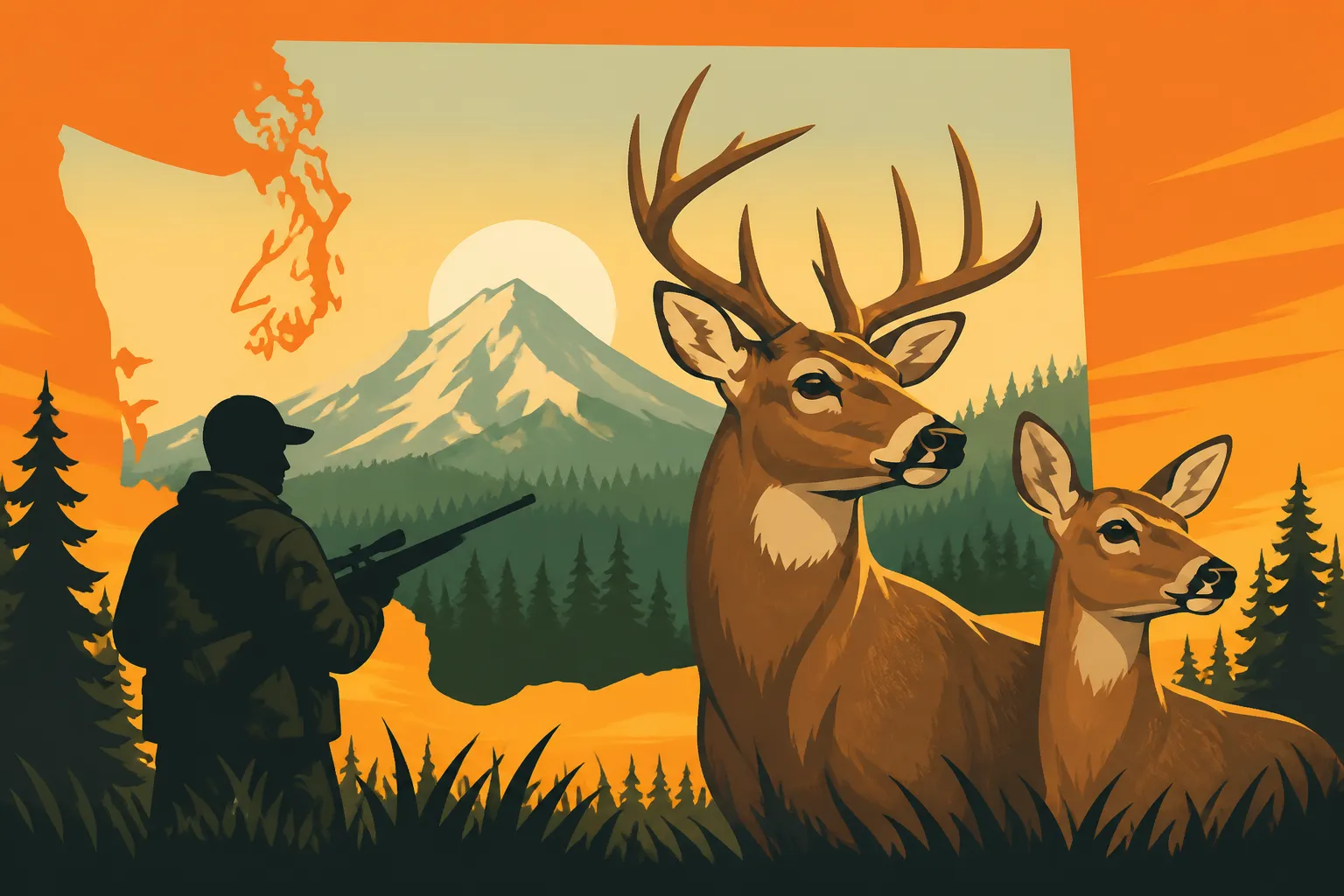
After the high-energy rush of Washington's general deer seasons fades, many hunters find themselves longing for more time in the field, perhaps even feeling a little discouraged if their early season efforts didn't pan out. It's a common frustration to see limited success during the main firearms seasons, or to feel like you just needed a few more days to connect with a buck. Thankfully, for those willing to brave cooler temperatures and often more challenging conditions, Washington offers a lifeline: late buck and doe hunts that provide an incredible opportunity to extend your deer season and fill the freezer. This guide will walk you through everything you need to know about these valuable late-season prospects.
Understanding Late Season Deer Opportunities
Washington's late season deer hunts aren't just an afterthought; they're strategic opportunities often designed to manage specific deer populations or provide access during prime post-rut periods. These hunts can offer a completely different experience from the chaos of early general seasons, often requiring a shift in tactics and gear.
Why Late Season Hunts Exist
Many factors contribute to the existence of late season deer hunts in Washington. For bucks, these seasons frequently align with the tail end of the rut or post-rut period, when animals are often more vulnerable as they recover from breeding activities. This can translate into better odds for hunters. For does, late season hunts are primarily a tool for wildlife management, specifically for population control. Washington Department of Fish and Wildlife (WDFW) uses antlerless permits to balance herd numbers, reduce agricultural damage, or manage disease risk in specific Game Management Units (GMUs). These hunts are crucial for maintaining healthy deer populations and ensuring sustainable hunting for years to come. Understanding this management aspect can give you insight into why certain GMUs have late doe opportunities while others don't.
General Season Versus Special Permit Late Hunts
It's important to differentiate between general season late opportunities and special permit hunts. Some GMUs might have a short, late general season for either-sex or antlerless deer, which you can simply purchase a tag for over-the-counter if it's available. However, many of the most coveted late season buck and doe hunts are only accessible through the special permit draw process. These "quality hunts," as they're often called, typically have much lower hunter density and higher success rates due to limited permits. For detailed information on these, you'll definitely want to check the annual WDFW Big Game Hunting Seasons and Regulations pamphlet, especially the sections on "Washington Special Hunt Permits and How to Apply". The draw for these permits happens much earlier in the year, so if you're reading this late in the game for the current year, make a note to plan for next season!
Eligibility and Application Process for Late Hunts
Getting into these late season hunts requires a bit of foresight and understanding of the WDFW system. It's not always as simple as walking into a license dealer; many of the best opportunities are tied to the special permit draw.
Securing a Washington Deer Tag
First and foremost, to participate in any Washington deer hunt, late season or otherwise, you need a valid hunting license and a deer tag. For general season late hunts, this usually means purchasing a general deer tag for the specific area and weapon type. However, for special permit late hunts, the process is different. You apply for these permits during the spring application window (typically April 20 to May 27 each year). You don't need to already possess a general deer tag to apply for a special permit; you simply pay the application fee. If you're successful in the draw, you then purchase the appropriate license and tag. This system allows hunters to apply for premier hunts without committing to a general season tag they might not need if they draw a special permit.
Applying for Special Permit Late Hunts
The special permit application process can feel a bit daunting at first, but it's well worth the effort for the quality of hunting it can provide. You'll apply online through your WDFW WILD account. You can select up to four hunt choices on your application, prioritizing them from your most desired to least. Many of the late buck and doe hunts fall under these special permits. Pay close attention to the specific GMU, weapon type (archery, muzzleloader, modern firearm), and date range for each hunt choice. Tools like GoHunt can be invaluable here, offering detailed draw odds, unit statistics, and application strategies that can significantly improve your chances of drawing a desirable tag. They break down historical data, showing you which units have the best success rates and how many applicants typically vie for a specific hunt choice. Remember, unlike some other states, Washington uses a random draw system, not a preference point system, so every applicant technically has an equal chance each year, regardless of how many times they've applied before.
Key Differences Between Late Buck and Late Doe Hunts
While both offer extended opportunities, late buck and late doe hunts come with distinct characteristics, regulations, and hunting strategies. Understanding these differences is crucial for selecting the right hunt for your goals.
Washington Late Buck Season Dates
Late buck hunts are often highly anticipated because they frequently coincide with the tail end of the rut or the post-rut feeding frenzy. Historically, these seasons in Washington can stretch into November and even early December, particularly in specific GMUs. The exact dates and units vary annually, so consulting the WDFW pamphlet is non-negotiable. For example, some units in Eastern Washington's Okanogan or Columbia Basin might offer late modern firearm buck hunts, or late archery opportunities for blacktail deer in Western Washington's timber country. "Washington Late Buck Season Dates" will provide a detailed overview of when these seasons typically run. The goal during these hunts is often to catch weary bucks moving predictably as they recover from the intense breeding season, or to hit migration corridors as deer move to winter range.
Washington Antlerless Deer Permits
Late doe hunts, also known as antlerless deer hunts, are a vital component of Washington's deer management strategy. These permits allow hunters to harvest a female deer, contributing to herd health and population control. "Washington Antlerless Deer Permits" are commonly offered in areas with high deer densities, urban interfaces, or agricultural conflicts. They are almost exclusively special permit hunts, meaning you must apply and draw a tag. These hunts are often less focused on "trophy" hunting and more on harvesting venison and participating in wildlife management. They typically occur later in the year, after the general buck seasons, often in November or December. Success rates can be quite high due to the abundance of does and the lack of hunter pressure compared to early season buck hunts.
| Feature | Late Buck Hunts | Late Doe Hunts |
|---|---|---|
| Primary Goal | Trophy potential, venison, extended season | Population management, venison |
| Season Timing | Often late November to mid-December | Often November through December |
| Weapon Types | Archery, Muzzleloader, Modern Firearm | Archery, Muzzleloader, Modern Firearm |
| Access Type | Mostly special permit, some limited general | Primarily special permit |
| Deer Behavior | Post-rut recovery, migration to winter range | Focused on food sources, larger groups |
| Hunter Pressure | Varies, typically lower than general season | Generally low, can be high in specific areas |
| Success Rates | Can be good due to post-rut vulnerability | Often higher due to management objectives |
| Challenges | Cold weather, snow, wary post-rut bucks | Cold weather, locating large groups, private land access |
Strategies for Success in Late Season Deer Hunting
Late season conditions demand different approaches than early fall hunts. The weather is colder, food sources might be scarce, and deer behavior shifts significantly. Being prepared for these changes is key to filling your tag.
Adapting to Winter Conditions
Hunting in late November and December in Washington means you're almost certainly going to encounter cold weather, and very likely rain or snow, especially in the Cascades or the higher elevations of Eastern Washington. Your gear choices become paramount. Layering is not just a suggestion; it's a survival strategy. Think wool or synthetic base layers, insulating mid-layers, and a waterproof, windproof outer shell. Having reliable rain gear that can withstand a relentless Western Washington downpour is crucial, as is understanding "Layering for Wet Cold Weather". Boots need to be insulated and waterproof, with good traction for slick, muddy, or snowy terrain. Don't forget quality gloves, a warm hat, and hand warmers. Beyond personal comfort, you also need to think about your weapon. Muzzleloaders need extra care to stay dry and ensure ignition in damp conditions, and modern firearms can still be affected by extreme cold on their moving parts.
Locating Deer on Winter Range and Food Sources
As temperatures drop and snow begins to fall, deer behavior shifts dramatically. They move from higher summer ranges to lower elevation winter ranges, seeking thermal cover and accessible food. This means you need to adjust your scouting and hunting locations. Focus your efforts on south-facing slopes that get more sun exposure, which often melts snow and allows vegetation to emerge. Look for stands of evergreens or dense timber that provide thermal cover from wind and snow. For food, deer will gravitate towards remaining agricultural fields, browse in clearcuts (especially those with new growth that's still accessible), or specific shrub species that retain their nutritional value longer into winter. In Eastern Washington, this might mean glassing sagebrush flats adjacent to agricultural fields or searching the edges of wheat stubble. A tool like GoHunt can help you pinpoint historical winter range maps and property boundaries, aiding in your e-scouting efforts before you even step foot in the woods. Pay attention to how deer move between cover and food, as these travel corridors become prime ambush points.
Tracking and Still-Hunting in Snow
If you're lucky enough to experience a fresh blanket of snow, late season hunting takes on a whole new dimension. Snow can be both a blessing and a curse. On one hand, it can make "Tracking a Buck After a Fresh Snow" incredibly effective, as you can easily identify fresh tracks and follow a deer's movements. You can often tell the size and sometimes even the sex of an animal by its track. On the other hand, moving silently through crunchy snow can be challenging, and visibility can decrease during heavy snowfall. When tracking, focus on the deer's behavior clues—how fast it's moving, if it's feeding, or if it's stopping to bed. Still-hunting becomes particularly effective in timbered areas with snow. Move slowly, taking one step at a time, pausing often to scan ahead, looking for horizontal lines in a vertical world, or the flick of an ear. The quiet of a snowy forest, combined with the visual contrast deer provide against white, can be a potent combination for success.
Top Washington GMUs for Late Season Opportunities
Washington's diverse landscape offers a variety of late season hunting experiences. From the dense forests of the west side to the open breaks of the east, certain GMUs consistently offer good prospects for late buck and doe hunts.
Western Washington Blacktail Hunts
For Western Washington hunters, late season blacktail opportunities often revolve around special permit antlerless hunts or limited late buck seasons. These hunts usually take place in November and early December, sometimes even pushing into January for antlerless tags in specific areas. The Willapa Hills GMU (658), Capitol Peak GMU (667), and some units around the Coweeman (560) and Ryderwood (568) are known for these permits. The terrain here is typically thick timber, clearcuts, and dense reprod. Blacktails are masters of disappearing in this cover. For these hunts, focus on clearcuts (especially those 3-5 years old) where new growth provides food, and dense timber fringes for bedding cover. Pay attention to "Blacktail Rut Timing in Western Washington" as late season can still catch some post-rut movement, although the peak will have passed. Road systems (especially DNR Green Dot roads) can offer access, but expect to do a lot of walking or still-hunting through thick brush.
Eastern Washington Mule Deer and Whitetail Hunts
Eastern Washington's late season deer hunts offer a stark contrast to the west side, with colder, drier conditions and more open country. For mule deer, focus on areas like the Okanogan (204), Methow (218), and Chelan (245) GMUs. Many of the late buck hunts here are special permits designed to harvest older bucks after they've pushed out of higher country onto "Mule Deer Winter Range and Survival". These hunts often involve significant glassing. Find a vantage point and spend hours behind your optics, systematically picking apart hillsides, coulees, and timber fringes for deer. Snow can significantly aid in spotting mule deer, which contrast well against white. Whitetail hunters in Northeast Washington can also find late season opportunities, particularly antlerless permits. Areas like the Huckleberry (117) and 49 Degrees North (108) GMUs are known for their whitetail populations. These hunts often occur in areas with mixed timber and agricultural lands, and deer will be focused on finding food.
Navigating Regulations and Reporting Requirements
The details matter, especially when it comes to late season hunts. Regulations can be unit-specific, and failing to report your harvest can lead to penalties.
Checking Specific GMU Regulations
It cannot be stressed enough: always read the current year's WDFW Big Game Hunting Seasons and Regulations pamphlet thoroughly. While this guide provides general information, the specifics for late buck and doe hunts can change annually, unit by unit, and by weapon type. What's legal in the Colockum (328) might not be legal in the Willapa Hills (658). Pay close attention to weapon restrictions (some areas might be shotgun-only), antler restrictions (e.g., three-point minimums or true spike-only), and any specific access rules for the GMU you drew a tag for. Understanding "Reading a Washington GMU Boundary" precisely is also crucial, as boundaries can often follow obscure lines like power lines, small creeks, or old logging roads. Don't assume anything; verify every detail for your specific hunt.
Harvest Reporting and Its Importance
Once you've successfully harvested a deer during a late season hunt, your responsibility isn't over. Washington has mandatory "Washington Harvest Reporting Requirements" for all big game animals, regardless of whether you filled your tag or not. This information is critical for WDFW to manage deer populations effectively, understand hunter effort, and set future seasons. You'll need to report your harvest online through your WILD account or by calling WDFW. Failure to report your harvest by the deadline (typically January 31st of the following year) can result in a penalty, including not being able to purchase a license or apply for special permits in subsequent years. So, even after the thrill of the hunt, make sure to take care of this important administrative step.
Disclaimer
Please remember that hunting regulations, seasons, and access rules in Washington can change frequently. This guide is intended for informational purposes only and should not replace your own thorough review of the current official Washington Department of Fish and Wildlife (WDFW) hunting regulations pamphlet and any specific landowner access requirements. Always verify all information before planning or engaging in any hunting activity.