Washington Youth Mentored Hunts
Getting young people into hunting can feel like a labyrinth, especially here in Washington where regulations can be as dense as our coastal rainforests. It’s tough to know where to start, how to ensure their safety, and how to instill a deep appreciation for the outdoors beyond just pulling a trigger. This guide aims to demystify Washington's youth mentored hunting opportunities, providing a clear path for parents and aspiring young hunters to connect with programs that teach critical skills, ethics, and a lifelong love for conservation.
What Washington Youth Mentored Hunts Offer
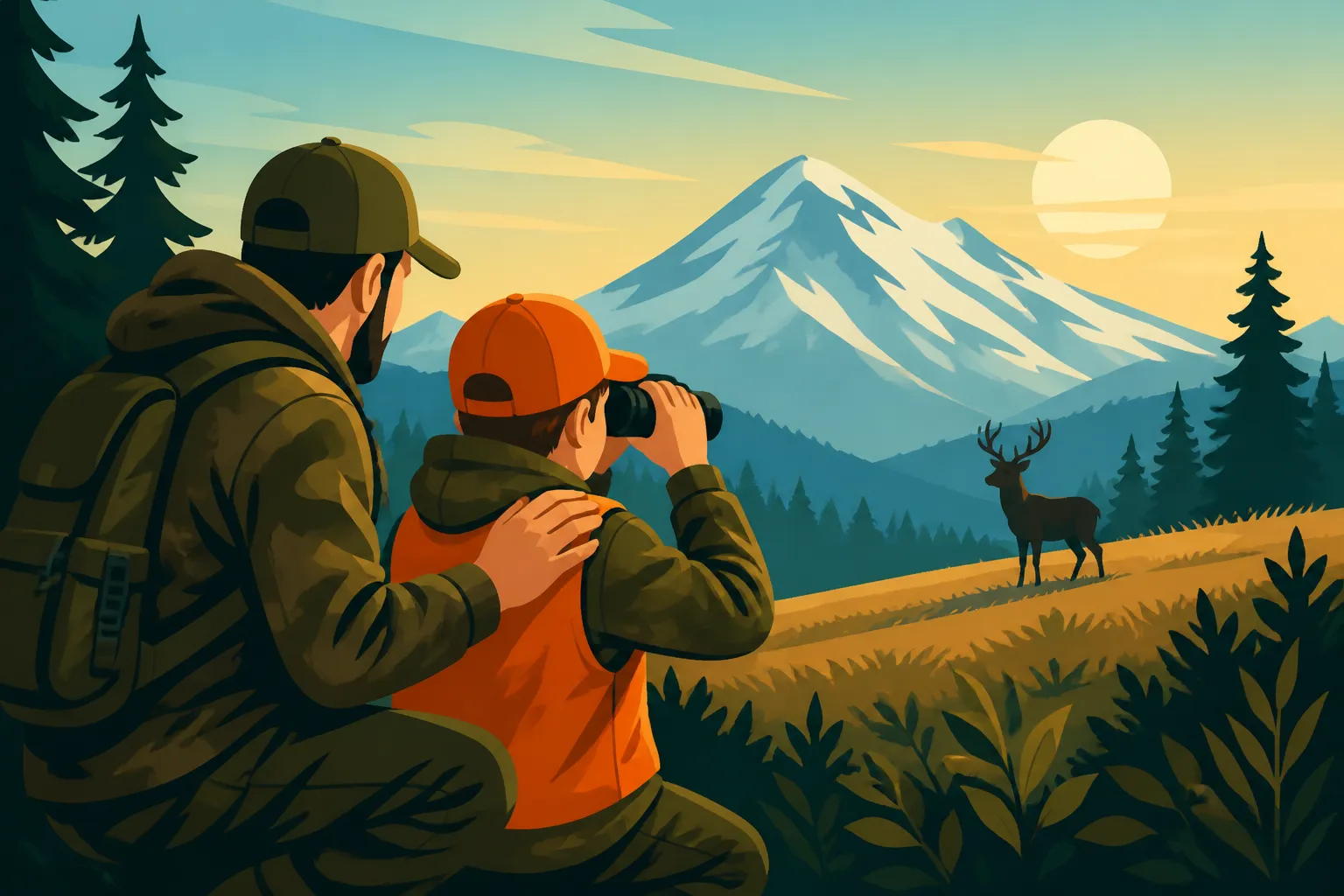
Washington's youth mentored hunts are an incredible gateway, designed specifically to bridge the gap between interest and actual experience for young, aspiring hunters. These aren't just regular youth seasons where a parent takes a child out; these are structured programs, often facilitated by the Washington Department of Fish and Wildlife (WDFW) or partner organizations, that pair experienced, ethical hunters with youth who are eager to learn. The intent is to provide a safe, educational, and deeply immersive first hunting experience, often in specific areas or for specific game species.
Think of it this way: instead of just handing a kid a rifle and hoping for the best, these programs ensure a foundational understanding of everything involved. This goes far beyond simply aiming and shooting. It encompasses understanding wildlife biology, habitat, tracking, ethical shot placement, and the crucial role hunters play in conservation. Many parents, even if they hunt themselves, find immense value in having another experienced mentor provide a fresh perspective and reinforce positive behaviors. It's a fantastic way to ensure the next generation not only participates but also becomes responsible stewards of our natural resources.
The benefits extend beyond just the practical skills. Mentored hunts are often about tradition, sharing stories, and fostering a deep respect for the animals and the land. They offer a unique environment where questions are encouraged, mistakes are learning opportunities, and the pace is set to the student's needs, rather than the pressure of "getting something." This careful approach helps avoid the common frustrations new hunters face, making the initial experiences positive and building confidence. It’s a chance for youth to learn how to move quietly through the forest, interpret animal sign, and appreciate the solitude and challenge of the pursuit, all under the watchful eye of someone who has walked those paths for decades.
Eligibility and Applying for Youth Mentored Hunts
So, you're interested in getting your child involved? Excellent! The first step is understanding the eligibility requirements. Generally, any youth hunter must complete an approved hunter education course. This is non-negotiable and provides the essential safety and ethical groundwork before even stepping into the field. If you're wondering about the specifics, you can find detailed information on the Washington Hunter Education Age Requirement and various Washington Hunter Education Options available, including online components paired with required field days. It's a commitment, but it's vital for safety and responsibility.
Once hunter education is complete, the youth will need to purchase a valid Washington hunting license. This license is the foundation for participation in any hunting season, including mentored hunts. After that, specific mentored hunt opportunities usually fall under the umbrella of WDFW's Special Hunt Permits. These are coveted opportunities, often for particular units, seasons, or species (like deer, elk, or bear) that have limited tags and are distributed through a draw system. Unlike general season tags which can be bought over the counter, Special Permits require an application. You can learn more about this process by looking into Washington Special Hunt Permits and How to Apply.
The application process for these mentored hunts can sometimes be separate from the general special hunt application, or specific "youth only" hunts might be listed within the general pamphlet. It's crucial to diligently review the annual WDFW Big Game Hunting Seasons and Regulations pamphlet when it's released, usually in late spring. This document will outline any specific youth-only or mentored hunt drawings, deadlines, and how to apply. Sometimes, partner organizations, like local chapters of the Rocky Mountain Elk Foundation, the Wild Sheep Foundation, or the National Wild Turkey Federation, also host their own mentored hunt events, often requiring a separate application directly through them. Keeping an eye on their websites and local events is a smart move. Platforms like GoHunt, which specialize in hunting data and applications, can also be a valuable resource for filtering specific youth opportunities or understanding the overall draw success rates that might indirectly impact youth-only draws.
The Deep Benefits of a Mentored Hunting Experience
A mentored hunt offers far more than just a chance to fill a tag; it's an education in itself, shaping a young person's understanding of wildlife, ecosystems, and their place within the natural world. One of the most critical aspects is the hands-on instruction in responsible hunting practices. This includes everything from proper firearm handling and safety protocols in the field to ethical shot placement. For example, understanding Shot Placement on a Quartering Elk is a complex skill that's best learned through direct guidance, rather than just reading about it. A mentor can explain angles, anatomy, and how to make the cleanest, most humane kill possible.
Beyond the shot, mentored hunts delve into the often-overlooked but essential skills of post-harvest care. This means learning how to Blood Trailing in Thick Understory—a common scenario in Washington's dense forests—and understanding how to field dress and care for the animal in varying conditions. In warmer early seasons, knowing how to cool a carcass quickly is paramount to preserving the meat. These are messy, hands-on lessons that build resilience and a profound appreciation for the animal that provided sustenance. It transforms the act of hunting into a holistic experience of respect and responsibility.
The presence of a mentor also provides a crucial layer of safety and confidence, especially when navigating Washington's diverse and often challenging terrain. From steep mountain slopes in Eastern Washington to the thick, wet timber of the Westside, a seasoned mentor can teach valuable wilderness skills: navigation, proper gear selection, and how to handle unexpected situations. They also instill the hunting ethic that emphasizes conservation above all else. Youth learn about wildlife management, population dynamics, and how their license dollars directly contribute to maintaining healthy game herds and habitat. This cultivates a deep connection to the land and fosters a sense of stewardship that often lasts a lifetime.
Finding and Preparing for Your Mentored Hunt
Finding these specific mentored hunt opportunities can sometimes feel like searching for a needle in a haystack, but with a bit of dedication, you'll uncover some fantastic options. The first place to always check is the official WDFW website. They often list specific youth hunts or programs, sometimes in partnership with conservation groups. Keep an eye on their "Hunting" section, particularly around the time the new hunting regulations pamphlet is released each spring. Local chapters of national conservation organizations, such as the National Wild Turkey Federation (NWTF), Ducks Unlimited (DU), or the Mule Deer Foundation, frequently host youth events and mentored hunts throughout the state. Attending local chapter meetings or checking their social media pages can reveal opportunities specific to your area.
Once you’ve identified a potential mentored hunt, preparation is key. This isn't just about showing up with a firearm; it's about being physically and mentally ready. Washington's terrain can be unforgiving, whether it's the steep, rocky draws of the Columbia Basin or the endless hills and thick brush of the Willapa Hills. Physical conditioning is important, especially for elk or mule deer hunts that might require significant hiking. Practicing with the chosen weapon is also crucial. If it's a rifle hunt, spend time at the range ensuring proficiency and confidence. For archery, consistent practice is essential, particularly for dealing with the unique challenges of Archery Practice for Wet Coastal Conditions.
Finally, good communication with the assigned mentor is paramount. Before the hunt, have a conversation to discuss expectations, gear lists, and any concerns. They can provide invaluable insight into what to expect regarding weather, terrain, and the specific game you'll be pursuing. For instance, they might advise on layering systems, like the importance of Layering for Wet Cold Weather for a late-season hunt, or suggest specific boots for the anticipated ground conditions. Using modern tools like the WDFW Hunt Planner or platforms such as GoHunt's map features can also help you and your youth E-Scouting a Washington GMU From Home to get familiar with potential terrain and access points beforehand, giving a helpful head start before you even step foot in the field. This kind of preparation not only enhances the chances of a successful hunt but also ensures a safer and more enjoyable experience for everyone involved.
Here's a quick comparison of typical youth hunting seasons versus dedicated mentored hunt programs in Washington:
| Feature | General Youth Hunting Season | Dedicated Mentored Hunt Program |
|---|---|---|
| Primary Goal | Provide youth access to general hunting seasons | Provide comprehensive education and first-hunt experience |
| Supervision Level | Parent/guardian provides supervision | Experienced, pre-approved mentor guides youth |
| Application Process | Purchase general youth license/tag over-the-counter | Often special permit draw or direct application to program |
| Hunt Structure | Youth hunt designated general seasons/GMUs | Specific, often limited entry, guided hunts |
| Educational Focus | Informal, family-led | Structured lessons in ethics, safety, biology, field craft |
| Gear/Equipment | Youth uses parent's/family's gear | Often provided or recommended by program/mentor |
| Opportunity Type | More numerous, general access | Fewer, highly sought-after, higher quality experience |
| Typical Game Species | Deer, Elk, Bear (general seasons) | Can include unique opportunities for specific game/units |
This table illustrates that while both avenues are valuable, a dedicated mentored hunt program offers a more structured and hands-on learning environment, which can be incredibly beneficial for new hunters. Don't forget to also check for opportunities in the Washington Youth Hunting Weekend, which often provides additional general season access specifically for youth hunters. For those interested in pursuing Washington Multi-Season Deer and Elk Tags, youth can also participate in these, opening up more hunting opportunities throughout the year.
Disclaimer
The information provided in this guide is for general informational purposes only and is subject to change. Hunting regulations, seasons, and access rules in Washington are complex and can be updated annually by the Washington Department of Fish and Wildlife (WDFW). Always consult the most current WDFW Big Game Hunting Seasons and Regulations pamphlet, relevant WDFW press releases, and any local land management agency rules before planning or participating in any hunting activity. It is the hunter's responsibility to know and follow all applicable laws and regulations.