Boots and Packs for Washington Backcountry
One of the biggest hurdles Washington hunters face, especially when heading into the vast and rugged backcountry, isn't just finding the game, but simply getting to it and getting it out. The sheer diversity of our state's terrain, from the soaking wet, dense rainforests of the west side to the arid, rocky, steep breaks of the east, means your boots and pack aren't just accessories; they are absolutely critical pieces of survival and success gear. This guide will walk you through making the right choices for these essential items, ensuring you're comfortable, safe, and effective no matter where your Washington hunting adventures take you.
The Unique Demands of Washington's Backcountry
Washington State truly is a land of extremes, and these extremes have a profound impact on what you need strapped to your feet and back when you venture beyond the road system. It's not enough to just have "hunting boots" or "a backpack"; you need gear specifically designed to tackle the unique, often brutal, challenges our diverse landscape throws your way.
Varied Terrain and Elevations
Imagine starting your hunt in a valley thick with timber, slogging through boggy ground and slick moss-covered logs, then ascending rapidly through steep, rocky chutes to alpine basins. This isn't an unusual day in many Washington GMUs. On the west side, you're battling thick undergrowth, slippery roots, and relentless rain. You might be traversing old growth forests, negotiating clearcuts, or pushing through nearly impenetrable salal and devil's club. The ground underfoot is often soft, muddy, and uneven.
Move east of the Cascades, and the landscape transforms. Here, you'll encounter volcanic rock, scree slopes, deep canyons, and dusty, sagebrush-covered hills. The footing can be loose, treacherous, and relentless on your feet and ankles. Whether you're chasing Mule Deer of Eastern Washington in the Okanogan or tracking Rocky Mountain Elk East of the Washington Cascades in the Blue Mountains, you'll be dealing with significant elevation changes that put immense strain on your body. Your boots need to provide stability, traction, and protection, while your pack needs to carry everything securely without shifting as you climb, descend, and sidehill.
Unpredictable Weather Patterns
Washington is famous for its weather, and not always in a good way, especially for hunters. A clear, crisp morning can quickly turn into a torrential downpour on the west side, or a sudden, freezing snowstorm east of the mountains. I've been caught in hail storms in September and unexpected blizzards in October, even at moderate elevations. The coastal ranges can see incredible amounts of rain, making waterproof boots and a truly weather-resistant pack paramount. In the higher elevations of the Cascades or the Blues, you can start in 70-degree sunshine and end the day fighting hypothermia in a driving wet snow.
This unpredictability means your gear needs to be versatile and robust. You can't just pack for sunshine; you have to pack for everything. Your boots must shed water effectively while still allowing your feet to breathe, and your pack needs waterproof covers or internal dry bags to protect your essentials from sudden downpours. Think about how miserable a hunt becomes when your feet are soaked and freezing, or your sleeping bag is wet inside your pack. It's not just discomfort; it's a safety issue.
Heavy Loads and Long Distances
This is where the rubber truly meets the road, or perhaps more accurately, where the sole meets the mountain. Washington is a big game state, and if you're fortunate enough to connect with a bull elk or a large mule deer buck deep in the backcountry, the real work begins. Packing an animal out of rugged terrain is arguably the most demanding physical aspect of hunting. You'll be carrying hundreds of pounds of meat, hide, and antlers, often over several miles, across challenging terrain, and potentially in rapidly deteriorating weather.
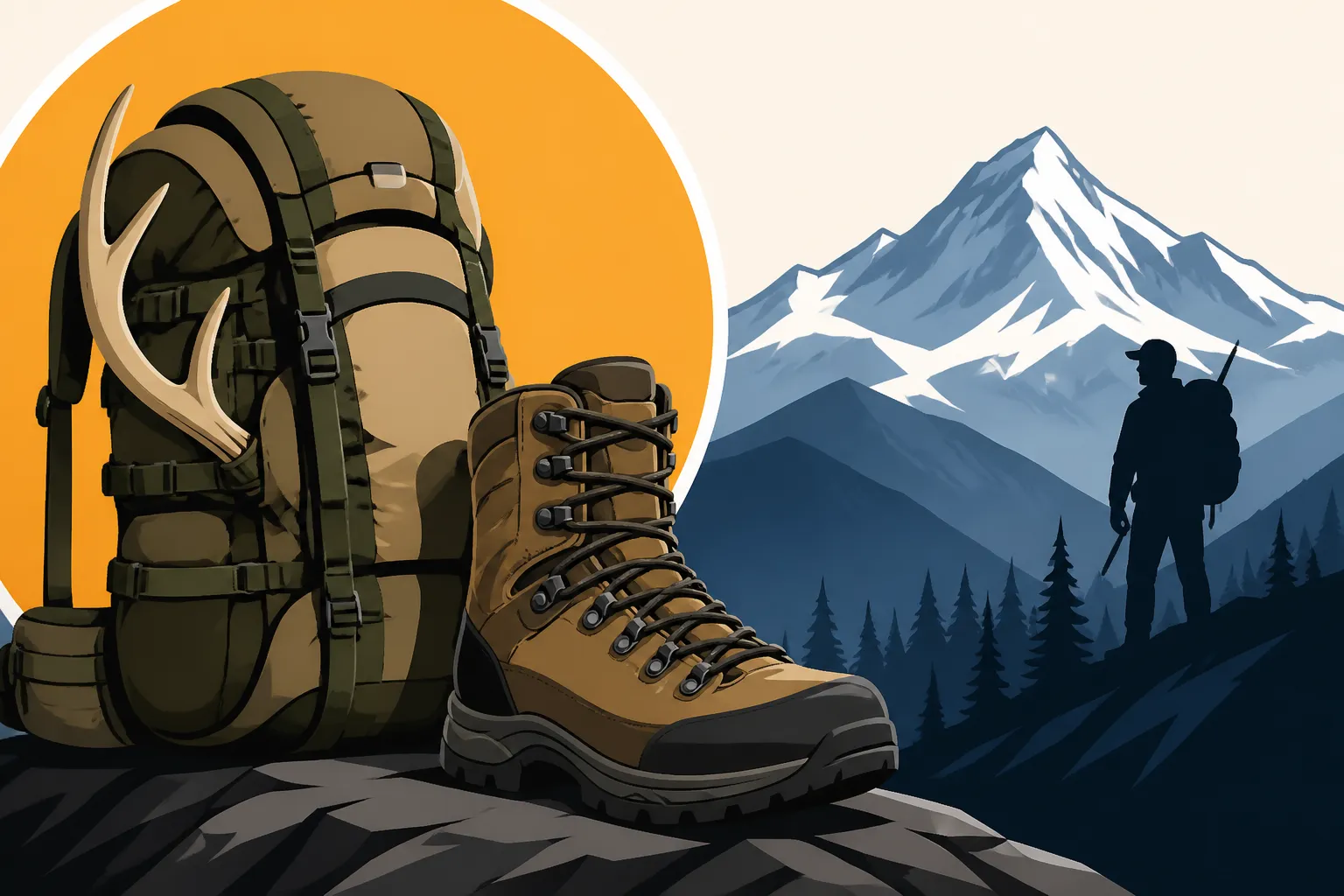
Your pack isn't just a container for your gear on the way in; it transforms into a heavy-duty hauler on the way out. This demands a pack system that can comfortably distribute extreme weight across your hips and shoulders without breaking down or causing injury. Packing an Elk Out of Washington's Backcountry often requires multiple trips, each load pushing your physical limits. The boots you wear must provide excellent support and traction under these heavy loads, preventing slips and protecting your feet from the added impact. Skimping on either your pack or your boots for these scenarios is a recipe for pain, potential injury, and a miserable pack out.
Choosing the Right Boots for Washington's Diverse Landscapes
Selecting the perfect pair of hunting boots for Washington is less about finding a single "best" boot and more about matching the boot to the specific terrain and conditions you'll face. The demands of Western Washington's rainforests are vastly different from the high desert of Eastern Washington.
Western Washington: Wet, Muddy, and Steep
If you're hunting blacktail deer in the Olympic National Forest or pursuing Roosevelt elk in the Willapa Hills, you're going to get wet. It's not a question of if, but how wet. Western Washington is notorious for its persistent drizzle, dense fog, and outright downpours. The ground is often saturated, creating slick, muddy conditions, and the thick underbrush means your feet will constantly be pushing through wet foliage.
For these conditions, absolute waterproofing is paramount. Look for boots with full-grain leather uppers, reinforced stitching, and a reliable waterproof membrane like Gore-Tex. The soles need aggressive lugs for superior traction on wet rocks, slick roots, and muddy slopes. Ankle support is also crucial here. The uneven, often hidden terrain can easily lead to a twisted ankle if your boots don't provide adequate stability. Many hunters opt for taller boots, 8-10 inches, to keep water and debris out, especially when Still-Hunting Blacktails in Wet Washington Brush. Brands like Kenetrek and Schnee's are popular among serious hunters for their durability and wet-weather performance.
Eastern Washington: Rocky, Dry, and Uneven
Head east of the Cascades, and the landscape demands a different kind of boot. Here, you're more likely to encounter dry, dusty conditions early in the season, transitioning to icy or snowy conditions late in the fall. The terrain is often steep, rocky, and riddled with loose scree and sharp volcanic rock. Think about the Colockum Elk Herd area or the Blue Mountains; you'll be climbing and descending constantly on unforgiving surfaces.
For Eastern Washington, durability of the sole and upper is key to withstand abrasion from sharp rocks. Stiffness in the sole is a huge benefit here, as it provides better support and reduces foot fatigue when traversing uneven terrain and carrying heavy loads. A stiffer sole also gives you more control when side-hilling. While waterproofing is still important for stream crossings or late-season snow, breathability can be a higher priority during warmer, drier early seasons to prevent overheating and blisters. Ankle support remains critical for navigating loose rock and steep pitches. Salomon, Lowa, and Crispi are favorites for their blend of support, durability, and comfort on this type of terrain. For more on specific needs, check out Boots for Washington's Eastside Rock and Westside Mud.
Key Boot Features for Backcountry Hunting
No matter which side of the state you're hunting, there are several universal features that make a boot well-suited for Washington's backcountry.
- Waterproofing: As mentioned, non-negotiable. A reliable membrane and durable exterior materials are a must.
- Ankle Support: Essential for stability on uneven terrain and for carrying heavy loads. Look for a boot that cups your heel and cinches snugly around your ankle without being restrictive.
- Sole Stiffness: A stiffer sole provides better support, reduces foot fatigue, and offers more purchase when edging on steep slopes. A flexible boot might be comfortable for walking flat trails but will leave your feet screaming after a day on a steep Washington sidehill.
- Traction: Aggressive, multi-directional lug patterns are vital for gripping varied surfaces, from slick mud to loose rock. Vibram soles are a common and trusted choice.
- Fit and Comfort: This is subjective but absolutely critical. Your boots must fit well with your preferred hunting socks. Too tight, and you'll get pressure points; too loose, and you'll get blisters. Your toes shouldn't touch the front when descending.
- Durability: You're putting your boots through hell. They need to be built tough, with quality materials and construction that can withstand abuse. Reinforced toe caps and full rand protection are excellent features.
Here's a quick comparison of general boot types for Washington:
| Boot Type | Ideal Terrain/Conditions | Key Advantages | Considerations |
|---|---|---|---|
| Light/Mid-Duty Hiker | Easier trails, day hunts, early season (dry) | Lightweight, comfortable for walking, breathable | Limited ankle support, less durable for heavy loads/rough terrain |
| Heavy-Duty Backpacking | Mixed terrain, multi-day trips, moderate loads | Good support, durable, often waterproof | Heavier, can be overkill for light day hunts |
| Mountaineering/Hunting | Steep, rocky, extreme conditions, heavy loads | Excellent ankle support, stiff sole, ultimate durability | Heaviest, requires break-in, less comfortable for flat walking |
Breaking In Your Boots: Don't Skip This Step
I cannot stress this enough: do not buy new boots a week before opening day and expect them to perform. New boots, especially high-quality leather ones, need to be broken in gradually. This process molds the boot to your foot, softens the materials, and reveals any potential hot spots before you're miles deep in the backcountry.
Start by wearing them around the house, then for short walks, gradually increasing the distance and difficulty of your hikes. Wear the same socks you plan to hunt in. Pay attention to any rubbing or pressure points. It's better to discover a blister risk on a training hike than when you're 5 miles from the truck with an elk down. This break-in period isn't just about comfort; it's about conditioning your feet to the boots and preventing debilitating blisters that can derail an entire hunt. Boots for Washington's Eastside Rock and Westside Mud goes into more depth on conditioning your footwear for specific Washington conditions.
Selecting a Pack System for Washington Elk and Deer
Just like boots, your choice of pack is dictated by the type of hunting you'll be doing and the amount of gear (and potential meat) you anticipate carrying. A small day pack won't cut it for a multi-day backcountry elk hunt, and a massive external frame pack is overkill for an afternoon scouting trip.
Day Packs: Quick Trips and Scouting
For those quick, in-and-out hunts, scouting missions, or short hikes on developed trails, a day pack is your go-to. These packs typically range from 1,500 to 2,500 cubic inches and are designed to carry essentials like water, snacks, a rain jacket, first-aid kit, game calls, and perhaps a small spotting scope. They're lightweight, agile, and won't hinder movement in thick brush.
However, a day pack is not designed for hauling heavy loads of meat. While some have compression straps that can hold a coat or perhaps a quarter of a deer in a pinch, trying to pack out an entire elk quarter in a standard day pack is an exercise in futility and pain. They lack the robust suspension system and sturdy frame needed to transfer weight efficiently to your hips. For example, when you're out E-Scouting Washington GMUs Before the Draw or on a morning Still-Hunting Pace in Wet Brush for blacktails, a good day pack is perfect. Just be realistic about its limitations.
Internal Frame Packs: Hauling Moderate Loads
Internal frame packs are the most common choice for multi-day backcountry hunts where you're carrying your camp, food, and enough gear for several days, plus the potential to pack out a quarter or two of an animal. These packs typically range from 3,000 to 7,000 cubic inches and feature an internal frame (usually aluminum stays or a plastic sheet) that provides structure and helps distribute weight.
The frame sits close to your body, offering a sleek profile that's less likely to snag on brush. They excel at carrying moderate to heavy loads (say, up to 70-80 pounds) comfortably, making them suitable for many Washington elk or deer hunters. Many modern internal frame packs are designed with an expandable meat shelf or dedicated compression systems to secure quarters close to your back, improving stability. Brands like Kifaru, Mystery Ranch, and Stone Glacier are highly regarded in the hunting community for their robust internal frame systems that integrate well with meat hauling. When considering a Pack Weight One Hunter Can Carry, an internal frame pack is often the sweet spot for many backcountry hunters.
External Frame Packs: The Workhorse for Heavy Meat
When it comes to hauling serious weight – think an entire elk boned out or multiple deer quarters – the external frame pack remains the undisputed king. These packs feature a rigid external frame, often made of aluminum, to which a pack bag is attached. The frame typically extends above and below the bag, providing a platform for strapping on awkward, heavy, or bulky items like elk antlers, entire boned-out quarters, or a full camp setup.
The key advantage of an external frame is its ability to transfer almost all the weight directly to your hips, bypassing your shoulders and allowing you to stand more upright. This is a huge benefit when you're hauling 100+ pounds. They also allow for better ventilation between your back and the pack, a nice bonus on warm early-season hunts. While they can be a bit bulkier and more prone to snagging in dense timber compared to internal frames, their load-hauling capability is unmatched. Many hunters use a dedicated external frame with just a basic load shelf for the pack-out, leaving their primary camp pack at the kill site if practical. For truly heavy loads and awkward shapes, such as a large bull elk, an external frame is invaluable for Quartering and Packing an Elk Solo.
Hydration and Organization Features
Beyond the basic frame and capacity, consider the creature comforts and practical features that can make a big difference in the field:
- Hydration Compatibility: Most modern packs have a sleeve for a hydration reservoir and ports for the drinking tube. Staying hydrated is critical in Washington's varied elevations and conditions.
- External Pockets and Access: Thoughtful pocket placement can save you time and frustration. Quick-access pockets for rangefinders, game calls, or a small first-aid kit are invaluable. Some packs offer full-length zippers for easy access to the main compartment, rather than just top-loading.
- Compression Straps: These are essential for cinching down your load to prevent shifting, which can throw you off balance, especially on steep terrain. They also help secure awkward items like tripods or spotting scopes to the outside of your pack.
- Weapon Carry System: Many hunting packs include dedicated straps or pockets for carrying a rifle or bow. This keeps your hands free for scrambling or using trekking poles. A good system secures your weapon firmly without bouncing or interfering with your movement.
- Water Resistance: While few packs are truly waterproof without an additional rain cover, look for durable, water-resistant fabrics and quality zippers that will shed light rain. Always consider adding a dedicated pack cover or using internal dry bags for critical items like sleeping bags and extra clothing, especially for Archery Practice for Wet Coastal Conditions trips. The folks at GoHunt often highlight the importance of protecting your gear from the elements when discussing packing for Western hunts.
The Art of Packing for a Washington Backcountry Hunt
Packing isn't just about throwing gear into a bag; it's an art form, especially when you consider the varied and challenging conditions of Washington's backcountry. A well-packed bag feels lighter, is more comfortable, and helps you stay organized when it matters most.
Smart Packing Strategies for Comfort and Balance
The key to comfortable packing is balance and strategic placement of weight. Imagine trying to sidehill a steep slope with all your heavy gear bouncing around or pulling you off balance – it's dangerous and exhausting.
- Heavy Items Close to Your Back: Always place your heaviest items (water, food, dense gear) closest to your back and centered, between your shoulder blades. This keeps the center of gravity stable and prevents the pack from pulling you backward.
- Medium Weight in the Middle: Place medium-weight items (extra layers, cooking gear) around the heavier items.
- Light/Bulky Items at the Bottom and Top: Sleeping bags, extra clothing, and other bulky but light items can go at the bottom. Quick-access items and essentials like your rain gear or first-aid kit should be at the top or in accessible external pockets.
- Even Distribution: Distribute weight equally left and right to maintain balance.
- Cinch it Down: Use all those compression straps! Cinching your pack tightly prevents internal contents from shifting, making the load feel more stable and manageable.
- External Attachment Points: Use external straps for items that don't fit inside or that you need quick access to, like trekking poles, a sleeping pad, or a tent. Ensure they are secured tightly and don't swing.
A well-packed bag should feel like an extension of your body, moving with you, not against you. Take the time to practice packing your bag before your hunt, especially if it's a multi-day trip.
Essential Gear for Every Backcountry Trip
While the specific items will vary depending on the length and nature of your hunt, there are some non-negotiables for any Washington backcountry adventure.
- Navigation: A reliable GPS unit or a smartphone with offline maps (like what GoHunt offers), a compass, and a paper map are essential. Cell service is often nonexistent deep in the mountains, so don't rely on it. Refer to Downloading Offline Maps for Washington for more on this.
- First-Aid Kit: Tailored to hunting, including items for blisters, cuts, sprains, and any personal medications.
- Water Filter/Purifier: Don't rely on finding potable water; filter it. Washington streams are often clean, but filtration is cheap insurance.
- Emergency Shelter/Fire Starter: A lightweight tarp, emergency blanket, and waterproof matches or a lighter are critical for unexpected overnights or severe weather.
- Headlamp/Flashlight: With spare batteries. Many hunts start and end in the dark, and packing out an animal often extends past sundown.
- Knife and Sharpening Tool: For field dressing and general utility.
- Communication Device: A satellite messenger or two-way radio is vital for emergencies in areas without cell service. Satellite Messengers for Solo Washington Hunts are a wise choice.
- Food and Water: Enough for the planned duration plus an extra day or two.
- Appropriate Clothing Layers: Rain Gear and Layering for Washington Hunts is a must-read. Even in summer, mountain evenings can be cold.
- Game Bags: Crucial for protecting meat from dirt, flies, and debris.
This is a minimalist list; adapt it to your specific hunt and personal needs.
Dealing with Unexpected Weather
Washington weather, as we've discussed, is a beast of its own. Your packing strategy needs to account for this.
- Rain Gear Accessibility: Always have your rain jacket and pants easily accessible, ideally in an outer pocket or top compartment. Don't bury them at the bottom of your pack.
- Waterproof Pack Liner/Cover: While some packs have built-in rain covers, an internal waterproof pack liner is often more effective at keeping everything inside dry. Trash compactor bags work surprisingly well and are cheap.
- Dry Bags for Critical Items: Use small dry bags or Ziploc bags for your sleeping bag, extra clothes, electronics, and food. This adds another layer of protection.
- Insulated Puffy: Even if the forecast is warm, a compressible insulated jacket can be a lifesaver if temperatures plummet or you're stuck out after dark. They're light and take up minimal space.
- Extra Socks: A fresh pair of dry socks can dramatically improve comfort and prevent blisters. Keep them in a waterproof bag.
Remember, the goal is to be prepared without being overloaded. Every ounce counts when you're climbing a steep ridge.
Specialized Considerations for Meat Hauling
This is often the reason serious hunters invest in higher-end pack systems. Getting an animal off the mountain is hard work, and having the right gear can make the difference between a successful, efficient pack out and a grueling, potentially dangerous ordeal.
Integrating a Pack Frame for Meat
If your pack system includes a dedicated external frame or an internal frame with a load shelf, learning how to properly use it for meat hauling is critical. The design of these frames is specifically to allow a heavy, dense, and often awkward load to be secured directly against the frame, close to your back.
- Clean and Cool: Before loading meat, ensure it's as clean and cool as possible. Game bags are essential to keep dirt and debris off the meat. For warm early-season hunts, read Field Dressing in Warm Early-Season Weather for tips on rapid cooling.
- Secure the Load: Place game bags directly onto the load shelf or between the main pack bag and the frame. Use all available compression straps, external lashing straps, and buckles to cinch the meat tightly against the frame. Any shifting or sagging will quickly lead to discomfort and instability.
- Balance is Key: Try to distribute the weight evenly. If you're packing out a single elk quarter, center it. If you have two quarters, balance one on each side. The goal is to keep the center of gravity as stable and close to your body as possible.
- Antlers: If you're bringing out antlers, they are often the most awkward part. They can be lashed to the top or side of an external frame, or sometimes securely attached to the main bag of an internal frame if they fit the profile. Be mindful of their width in tight timber.
Many hunters will use their internal frame pack to carry their camp in, and then once an animal is down, they might detach the main bag and use just the frame system with a minimal "kill kit" to haul meat out. This allows for dedicated meat hauling capacity without committing to a full external frame for the entire hunt.
Game Bags and Meat Care in the Field
Good game bags are indispensable. They protect your hard-earned meat from dirt, leaves, pine needles, and most importantly, flies. There are various types, from lightweight cheesecloth-style bags to durable synthetic materials that breathe well.
- Material: Breathable, durable synthetic bags are generally preferred. They allow air circulation, which helps cool the meat, and they're tough enough to withstand multiple uses and rough handling. Brands like Alaskan Game Bags or Caribou Gear are popular.
- Size: Carry bags appropriate for the animal you're hunting. For an elk, you'll need at least four large bags for quarters, plus a fifth for backstraps, tenderloins, and trim. For a deer, two or three smaller bags are usually sufficient.
- Placement: After quartering, get the meat into the bags immediately. Hang the bags in a shady, breezy spot if possible, especially if you need to hike out and retrieve another load later. This helps with cooling.
- Protecting from Critters: In bear country, hanging meat is crucial. Look for a sturdy tree branch high enough to be out of reach, or implement other bear-resistant strategies.
Your pack's ability to compress and hold these bags securely is what makes the difference during the grueling pack-out. The GoHunt community often shares tips on efficient meat care in various conditions, underscoring the importance of quality game bags.
The Solo Hunter's Packing Challenge
Solo hunting in Washington's backcountry is incredibly rewarding, but it amplifies the challenges of packing out an animal. Without a partner to share the load, you're looking at multiple trips, potentially over long distances, often through the night.
- Prioritize Gear: When you make that first trip out with meat, you'll have to decide what gear stays and what goes. Essentials like your rifle, optics, knife, water, and emergency supplies always go with you. Your tent, sleeping bag, and extra food might stay, to be retrieved on a later trip.
- Route Planning: Before you even pull the trigger, mentally map out your pack-out route. Are there any steep sections that will be particularly difficult with a heavy load? Is there a stream crossing that becomes dangerous in the dark? E-scouting tools are fantastic for this, helping you identify the path of least resistance.
- Hydration and Nutrition: Make sure you have plenty of water and calorie-dense snacks for the pack-out. You'll be expending a tremendous amount of energy.
- Lighting: A powerful headlamp with spare batteries is absolutely critical for solo night packing. Trust me, Packing Meat Out After Dark in Washington's steep timber is not where you want your headlamp to die.
- Patience: Don't rush. Take breaks. It's a marathon, not a sprint. Your body will thank you, and you'll be safer.
Solo hunting requires maximum efficiency in both packing strategy and physical endurance. Your boots and pack become your absolute best friends in these moments.
Maintaining Your Boots and Pack
You've invested time and money into these essential pieces of gear, and they've carried you through tough hunts. Proper care and maintenance will ensure they serve you well for many seasons to come. Think of it as a small price to pay for reliable performance year after year.
Cleaning and Drying After the Hunt
This is probably the most overlooked step in gear care, but it's crucial for longevity.
- Boots: As soon as you get home, clean the mud, dirt, and debris off your boots. Use a stiff brush and water, paying special attention to the seams and the sole's lugs. For leather boots, once clean, apply a quality leather conditioner or waterproofing wax (following the manufacturer's instructions) to keep the leather supple and prevent cracking.
- Drying: This is key. Never dry your boots or pack near direct heat (like a campfire or a heater vent). High heat can damage waterproofing membranes, delaminate materials, and cause leather to crack. Instead, remove the insoles, open up the boots, and let them air dry naturally in a cool, well-ventilated area. You can stuff them with newspaper to absorb moisture and help them retain their shape. For faster drying, use a boot dryer on a low, gentle setting.
- Pack: Empty your pack completely. If it's muddy or dusty, wipe it down with a damp cloth. For tougher grime, a mild soap and water solution can be used, but avoid harsh detergents. Pay attention to zippers, buckles, and suspension components. Make sure the pack is thoroughly dry before storing it to prevent mildew and odor. Hang it upside down or in a way that allows air to circulate around all parts.
Repairing and Extending Gear Life
Sometimes, despite your best efforts, gear takes a beating. Knowing how to perform minor repairs can extend the life of your boots and pack significantly.
- Boot Laces: Carry spare boot laces. They always seem to break at the worst possible time.
- Seam Sealant: Small leaks in boot seams or pack fabric can often be repaired with a quality seam sealant or fabric glue.
- Buckles and Straps: Minor rips in pack straps or broken buckles can often be stitched or replaced. Many outdoor gear repair shops offer these services, or you can find replacement parts online.
- Patches: Small holes in your pack fabric can be repaired with adhesive patches designed for outdoor gear. This prevents the hole from growing larger and compromising your pack's integrity.
Don't ignore small issues. A tiny rip can quickly become a large tear, and a small leak can turn into a soaked sleeping bag. Proactive repairs save money and frustration down the line.
Storage for Off-Season Preparedness
Proper storage is the final step in ensuring your boots and pack are ready for next season.
- Clean and Dry: Ensure both are absolutely clean and dry before storing to prevent mildew, odors, and material degradation.
- Cool, Dry Place: Store them in a cool, dry place away from direct sunlight, which can degrade materials over time. Basements or closets are often good options. Avoid hot attics or damp garages.
- Avoid Compressing: Don't store your pack under heavy items that could compress the frame or foam padding. Allow it to maintain its shape. You might even hang it.
- Rodent Protection: If storing in a garage or shed, consider placing boots and packs in sealed plastic totes to protect them from rodents, who love to chew on fabric and leather.
Taking care of your boots and pack is an investment in your future hunting success and comfort. These workhorses are critical to Washington Elk Hunting Tactics by Weapon Season and Blacktail Deer Hunting in Western Washington Timber alike, enabling you to go farther, stay longer, and pack out your prize.
Disclaimer
This article is for general informational purposes only and does not constitute professional advice. Laws, prices and regulations vary by location and change over time. Consult a qualified professional for guidance on your specific situation.