Leaving a Trip Plan at Home
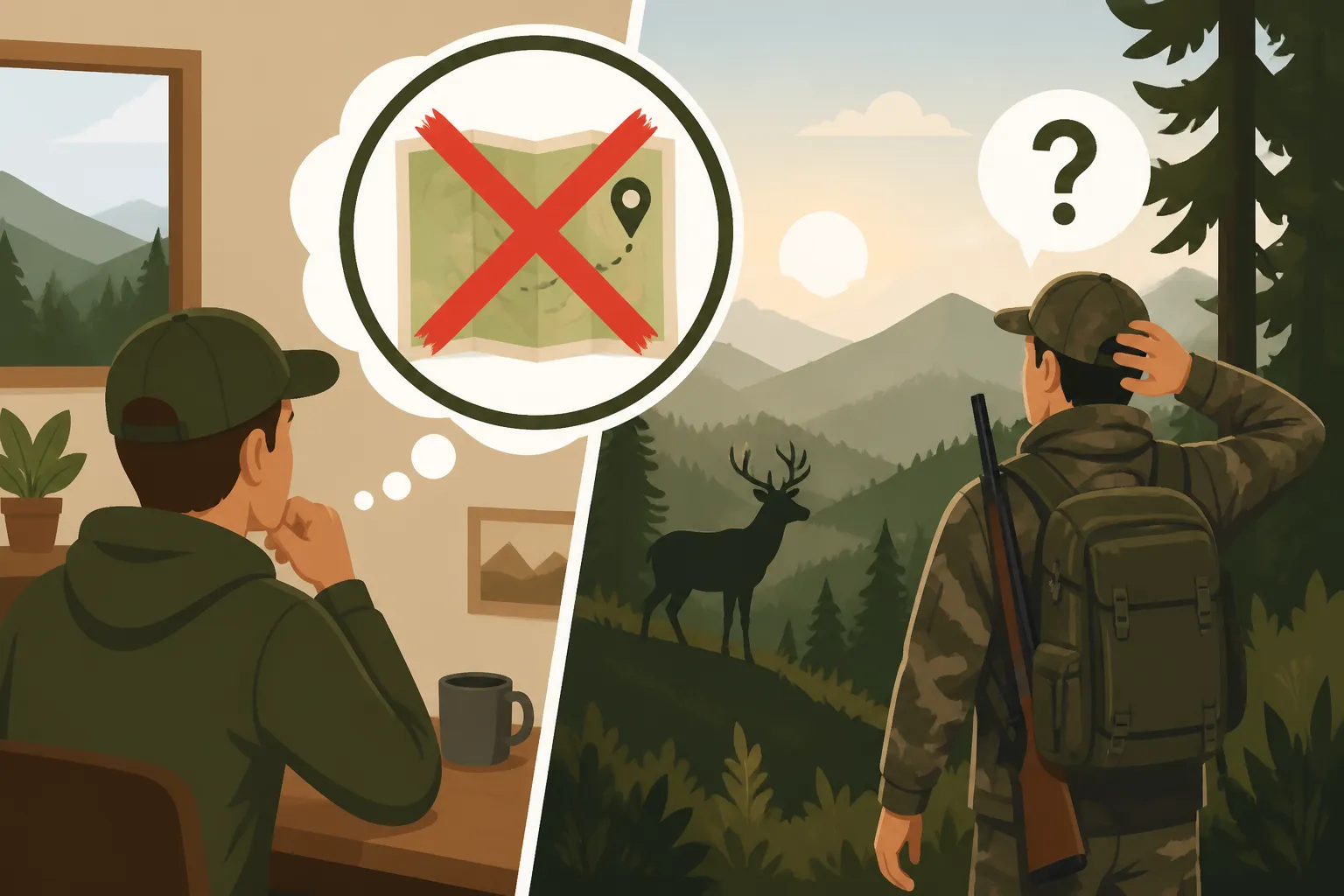
It's an age-old tradition: packing your gear, topping off the truck, and heading out into the vast wildlands of Washington for a hunt. But amidst the excitement of chasing elk in the Blues or blacktails in the thick timber of the Olympics, there’s one crucial piece of preparation that far too many of us overlook or, worse, completely skip: leaving a detailed trip plan at home. We get it, you're experienced, you know the mountains, and nothing bad has ever happened, right? Unfortunately, the mountains don't care about experience, and a quick turn of weather, a wrong step, or an unexpected mechanical issue can turn a dream hunt into a desperate situation in a heartbeat. This guide isn't about fear-mongering; it's about practical, realistic steps to ensure that if the unthinkable happens, someone knows where to start looking for you.
Why a Trip Plan is Absolutely Critical Beyond the Obvious
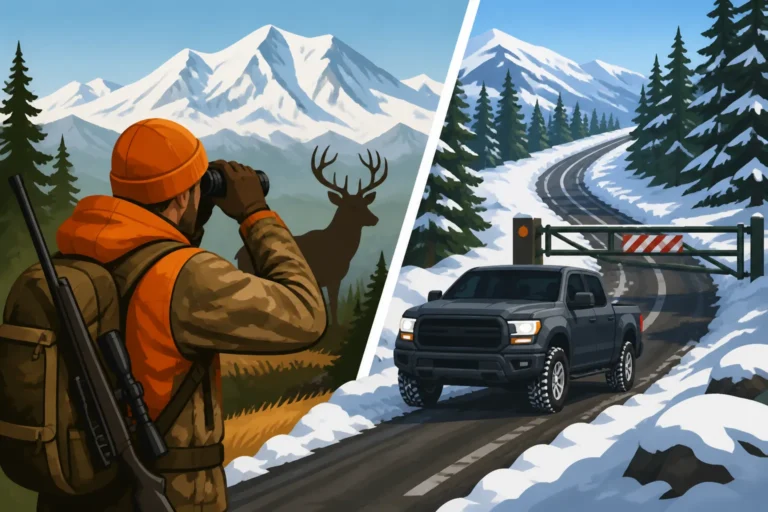
Let's face it, none of us plan to get lost, injured, or stranded. That's why they call them accidents or emergencies. But ignoring the potential for these things in the rugged, unpredictable terrain of Washington State is a dangerous game. Think about it: one minute you're Still-Hunting Blacktails in Wet Washington Brush, focused on the rustle in the salal, and the next, you've slipped on a mossy log, twisted an ankle, and now you're miles from the truck with limited cell service. Or maybe your trusty rig breaks down on a remote forest road while Hunting Behind Timber Company Gates, and you're suddenly facing a much longer walk out than anticipated, in rapidly dropping temperatures.
The reality is, Washington's wilderness areas, from the dense rainforests of the west side to the vast, open expanses of the east, can be incredibly unforgiving. Weather can change from sunny to snowing in hours, especially in the high country. A simple fall can become life-threatening if you're alone and exposed. Without a trip plan, your loved ones are left guessing, delaying critical search and rescue efforts when every minute counts. It’s not just about getting found; it’s about providing peace of mind to those at home and giving first responders a crucial head start. Imagine the relief for your family, knowing that even if you can't check in, there's a clear, actionable plan in place.
What to Include in Your Washington Hunting Trip Plan
A comprehensive trip plan doesn't need to be a novel, but it does need to be detailed enough to be genuinely useful. Think of it as a roadmap for rescuers, even if you’re just doing a day hunt. The more specific you can be, the better. This isn't just a scribble on a napkin; this is a document that could literally save your life or the lives of your hunting partners.
Personal and Group Information
Start with the basics. List every single person in your hunting party: full names, emergency contact numbers (for their non-hunting loved ones), and any critical medical information. This includes allergies, existing medical conditions (like diabetes or heart issues), and any medications being taken. It might feel intrusive, but in an emergency, this information can be vital for medical personnel.
Next, detail your vehicle(s). Make, model, color, and most importantly, license plate numbers. Specify where you plan to park your vehicle, providing GPS coordinates if possible, or a clear description of the trailhead or pull-off. If you’re coordinating with an app like GoHunt, you can often drop a pin right on your intended parking spot and share that directly. Don't forget to list who the vehicle belongs to, in case contact needs to be made.
Detailed Itinerary and Hunt Area Information
This is the meat of your plan. Specify your exact departure date and time, and your expected return date and time. Crucially, establish a "trigger" time – a precise time by which, if you haven't checked in, your emergency contact should initiate their protocol (e.g., calling WDFW, county sheriff, or search and rescue).
Now, get specific about your hunting area. Which Game Management Unit (GMU) are you hunting in? What are your primary and secondary entry/exit points? If you've been doing your E-Scouting a Washington GMU From Home, you should have a good idea of main roads, trails, and potential escape routes. Include the names of any specific trails you plan to use, estimated mileage, and planned camp locations. If you're setting up Backcountry Camps in Washington Wilderness, pinpointing its general location on a map or with coordinates is crucial. Describe key landmarks you expect to pass or hunt near, such as specific ridges, drainages, or notable clearcuts.
If you're using a satellite messenger or a two-way radio, include the brand and model, and specify how often you plan to check in (e.g., "I'll send an 'all clear' message via Garmin inReach every evening at 7 PM"). This helps establish a communication pattern.
Gear and Emergency Preparations
List the major pieces of gear you're carrying that could aid in a search or survival situation. This includes a satellite messenger (like a Garmin inReach or Zoleo), two-way radios, a compass, GPS device, and any significant survival gear. Mention if you have a First Aid Kit for a Remote Hunt and what key items it contains.
Also, describe the clothing you’ll be wearing. What color is your rain gear? Do you have an orange vest? This seemingly minor detail can be incredibly helpful for aerial searches. If you're planning for cold weather, mention your Layering for Wet Cold Weather strategy.
| Category | Essential Information to Include | Example Detail |
|---|---|---|
| Hunters | Full Names, Emergency Contacts, Medical Info | John Doe (555-1234, wife Jane), Mary Smith (555-5678, brother Bob), John has severe bee allergy (EpiPen in pack) |
| Vehicles | Make, Model, Color, License Plate, Parking Location | 2018 Toyota Tacoma, Grey, WAS-12345, parked at N47.12345 W121.67890 (Tinkham Rd TH) |
| Dates/Times | Departure, Expected Return, Missed Check-in Trigger | Depart Oct 10, 6 AM. Return Oct 13, 8 PM. If no check-in by Oct 13, 10 PM, initiate protocol. |
| Hunt Area | GMU, Primary/Secondary Access, General Route, Camp Site | GMU 460. Primary TH: Elk Lake. Secondary: Iron Peak. Plan to hunt Greenwater River drainage, camp near Naches Pass. |
| Communication | Satellite Messenger Type/Number, Check-in Schedule | Garmin inReach Explorer+ (SN: 123456789). Daily check-in via preset message at 6 PM. |
| Emergency Gear | Key Survival/First Aid Items | Spot PLB, Full First Aid Kit, Bivy Sack, Water Filter, Fire Starter. |
| Wildlife Agency Info | WDFW Region, Local Sheriff Contact | WDFW Region 4, Kittitas County Sheriff (509-962-7525) |
Who Should Get Your Trip Plan and How to Share It
Sharing your trip plan isn't a formality; it's a strategic move. You need to entrust this vital document to reliable individuals who understand its importance and know what to do if you don't check in.
Choosing Your Emergency Contacts
Select at least two, preferably three, trusted individuals who are not joining you on the hunt. These should be people who are responsible, understand the seriousness of the situation, and can be relied upon to follow through with the established protocol. Ideally, one person should be a primary contact and the others backups. Make sure these individuals are fully briefed on the plan, know how to access it, and understand the "trigger" time for initiating a response. They need to be aware of the specific contact numbers for local authorities, such as the county sheriff's office or the WDFW regional office that covers your hunting area. Sometimes a quick web search on a site like GoHunt can provide relevant local contacts specific to your planned GMU.
Methods of Sharing the Plan
Don't just verbally tell someone your plans. Write it down, type it out, and distribute it widely to your designated contacts.
- Hard Copies: Provide physical copies to your primary and secondary contacts. Keep one in your vehicle (perhaps in the glove box, where it's easily accessible even if you lock your keys in the cab) and another in your hunting pack, sealed in a waterproof bag. This ensures that if you're found, responders immediately have your details.
- Digital Copies: Email the plan to all your contacts. Consider uploading it to a shared cloud document (like Google Docs or Dropbox) that can be accessed from anywhere. Make sure it's clearly named and easy to find. This allows for quick updates if your plans change slightly on the fly.
- WDFW Reporting (Optional but Recommended): While not a formal trip plan submission, you can often leave general details with a local WDFW officer if you have a specific concern or are hunting a particularly remote area. This is less about daily check-ins and more about giving them a heads-up that someone will be in the area during specific dates. They may not have the resources for constant monitoring, but it adds another layer of awareness.
Regardless of how you share it, review the plan with your contacts before you leave. Answer any questions they might have and ensure they feel confident in executing the emergency protocol if needed. This step is critical; a plan is only as good as the understanding of those who hold it.
Regular Check-Ins and Emergency Protocols
The trip plan isn't a "set it and forget it" document. It's an active safety measure that relies on consistent communication and a clear understanding of what to do if communication fails.
Establishing a Check-In Schedule
Before you even leave home, agree on a check-in schedule with your emergency contacts. This might be daily, every other day, or at specific milestones (e.g., "I'll check in when I reach camp," or "I'll send an 'all clear' when I'm back at the truck"). Be realistic about cell service. In many remote areas of Washington, particularly the rugged mountains of the North Cascades or the thick timber of the Olympic Peninsula, cell signal is non-existent. This is where a Satellite Messengers for Solo Washington Hunts or Two-Way Radio Use While Hunting becomes absolutely invaluable.
When you do check in, don't just say "I'm okay." Provide a brief update on your location, condition, and any changes to your plans. For example, "Checked in from camp near Beaver Lake, all good, saw a spike, planning to hunt the south ridge tomorrow." This adds context and reassurance. If you're using a satellite messenger, preset messages can make this quick and easy.
Defining "Missed Check-In" and Escalation
This is perhaps the most critical part of your trip plan. Clearly define what constitutes a "missed check-in" and, more importantly, what actions your emergency contacts should take when it happens.
- Trigger Time: As mentioned, establish a specific time after which, if no check-in has been received, action should be taken. This shouldn't be too early (allowing for reasonable delays) but not so late that valuable search time is lost.
- Initial Action: Advise your contacts to try all available methods to reach you – phone, text, satellite messenger. They should try all numbers for everyone in the hunting party.
- Escalation Protocol: If no contact is made after a reasonable period (e.g., 2-4 hours after the trigger time), your emergency contacts should activate the full protocol. This means:
- Contacting Authorities: They should call the local county sheriff’s non-emergency line or 911 (if it's a dire, immediate emergency), and the WDFW regional office responsible for your GMU. Provide them with the entire trip plan, including all specific details about your location, vehicle, and expected movements. This is where Reporting an Accident in the Field comes into play for your contacts, even if it's just a missing person report.
- Providing Information: Your contacts should be ready to share all the information from the trip plan: names, vehicle details, precise location, planned routes, emergency contacts for other hunters in the party, and any known medical conditions.
- Staying Available: Your emergency contacts should remain available for communication with search and rescue teams.
It's a scary thought, but being prepared means acknowledging that things can go wrong. By putting a solid trip plan in place, sharing it with trusted individuals, and adhering to a communication schedule, you're not just being cautious – you're being responsible. It allows you to focus on the hunt, knowing that a safety net is in place, ready to activate if Washington’s wild country decides to throw you a curveball.
Disclaimer
The information provided in this guide is for general informational purposes only and does not constitute professional advice. Hunting in Washington carries inherent risks, and conditions can change rapidly. Always exercise extreme caution, use appropriate safety gear, and consult official Washington Department of Fish and Wildlife (WDFW) regulations and local authorities before embarking on any hunting trip. Personal responsibility for safety is paramount.