Huckleberry Unit Whitetail Ground
For many Washington hunters, the dream of a successful whitetail hunt often leads to places like the Huckleberry Unit. It's a challenging but rewarding landscape, known for its dense cover, steep draws, and elusive deer. This guide is here to help you unravel the complexities of hunting this iconic Northeast Washington area, providing realistic insights and practical advice to increase your chances of connecting with a whitetail buck.
Understanding the Huckleberry Unit: A Whitetail Stronghold
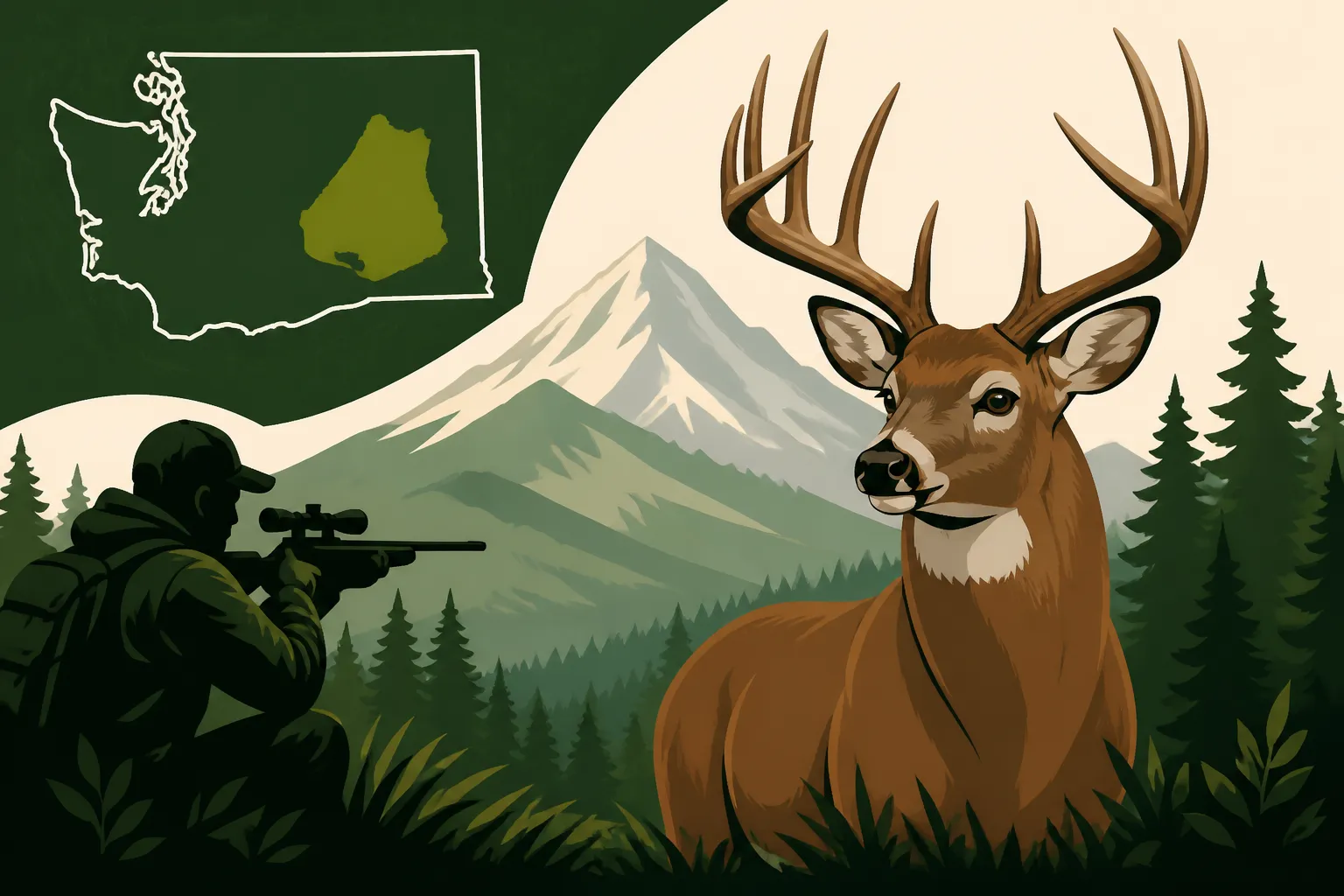
The Huckleberry Unit, nestled in Northeast Washington, isn't just another hunting area; it's a dedicated whitetail stronghold. Unlike many other units in the state that might offer mixed bag opportunities for mule deer or elk, Huckleberry is predominantly about the whitetail. This region's unique geography, vegetation, and historical timber practices have created an ideal environment for these cunning deer to thrive, presenting both exciting opportunities and formidable challenges for hunters.
The Terrain and Vegetation of Huckleberry Country
When you envision the Huckleberry Unit, picture a rugged tapestry of dense conifer forests, brushy clearcuts, and steep, timbered slopes. It's not the wide-open sagebrush country of Eastern Washington, nor the rainforest-like conditions of the Westside. Here, you'll find thick stands of Douglas fir, ponderosa pine, and larch, interspersed with serviceberry, alder, and, of course, huckleberry bushes. This dense undergrowth provides excellent cover for whitetails, making them incredibly difficult to spot. The terrain itself is often steep and broken, with numerous drainages and ravines that deer use for travel and escape. You'll spend a lot of time still-hunting through thickets and navigating unforgiving grades, so physical fitness is key. Washington White-Tailed Deer in Northeast Washington explores this habitat more broadly.
Historical Influences on Whitetail Populations
The current landscape of the Huckleberry Unit has been shaped significantly by historical logging and forest management practices. Decades ago, large tracts of old-growth timber were harvested, leading to extensive clearcuts. As these clearcuts regenerated, they created a mosaic of young, dense timber and brushy openings – perfect whitetail habitat. Whitetails thrive in these "edge" environments, where they can browse on new growth in the clearings while quickly retreating into thick cover for safety. This constant cycle of logging and regrowth has maintained a dynamic habitat, ensuring a steady supply of food and cover for the deer. This is also why understanding things like Reading a Three-Year-Old Clearcut for Bucks can be so vital here. The deer learn these patterns, and so must hunters.
Why Huckleberry is a Premier Whitetail Destination
Hunters are drawn to the Huckleberry Unit because of its consistent whitetail populations and the chance at a mature buck. While the deer here might not be as large-bodied as those found in some Midwest states, they are incredibly wary and offer a true challenge. The dense cover and broken terrain allow these deer to grow old and develop impressive racks, often eluding hunters season after season. Furthermore, the unit offers a relatively long general season, giving hunters ample opportunity to pursue their quarry. It's a place where persistence, patience, and a deep understanding of whitetail behavior truly pay off.
Navigating Access and Land Ownership in Huckleberry
Hunting the Huckleberry Unit isn't just about understanding the deer; it's also about understanding the land. This unit comprises a mix of public and private ownership, including national forest, state lands, and a significant amount of private timber company property. Navigating these boundaries and understanding access rules is paramount to a successful and legal hunt. It can be a real headache trying to figure out where you can and can't go, especially with checkerboard ownership, but with the right tools and knowledge, it's manageable.
Public Land Access: National Forest and State Lands
A good portion of the Huckleberry Unit falls within the Colville National Forest, offering extensive public hunting opportunities. These lands are generally open access, though specific rules regarding vehicle use on roads (often marked with "Green Dot" road systems) and camping should always be checked with the Forest Service. Additionally, Washington Department of Natural Resources (DNR) lands are scattered throughout the unit, usually marked with signage or identifiable through mapping tools. DNR lands typically require a Discover Pass for vehicle access to trailheads and parking areas. Always double-check current regulations for camping and fire restrictions on both national forest and DNR properties. Washington DNR Land Open to Hunting provides broader context for these lands.
The Challenge of Private Timber Lands
One of the biggest frustrations for hunters in the Huckleberry Unit comes from the extensive private timber company holdings. These lands often block access to public areas or contain prime hunting habitat themselves. Many timber companies have shifted to a paid permit system, or restrict access entirely, which can change year to year. It's not uncommon to find a promising area on a map only to arrive and discover a locked gate and "No Trespassing" signs unless you have a specific permit. Always assume private timber land requires permission or a permit unless explicitly stated otherwise. Resources like Timber Company Permits in Western Washington offer insights, though Huckleberry is Eastern Washington, the principles of seeking permission remain.
Essential Mapping Tools for Huckleberry Hunters
To effectively navigate the complex land ownership patterns in the Huckleberry Unit, a reliable mapping tool is non-negotiable. This is where applications like onX Hunt become invaluable. You can download maps for offline use, showing public and private land boundaries, property owner names, and roads – including those that might be closed to vehicle traffic. This means you can identify those critical walk-in only areas behind locked gates or distinguish between a national forest parcel and a private timber tract in real-time. Another great resource is GoHunt for detailed GMU information and drawing odds, helping you strategize where to focus your permit applications if you're looking for special hunts. Always make sure your maps are updated, especially before heading into areas with fluctuating access rules.
Here's a quick look at land types and typical access in the Huckleberry Unit:
| Land Type | Primary Ownership/Management | Typical Access Requirements | Considerations for Hunters |
|---|---|---|---|
| Colville National Forest | Federal | Generally open; some Green Dot roads may restrict vehicle access. | Free to access; check for road closures, fire restrictions, and camping rules. Great for dispersed camping. |
| Washington DNR Lands | State | Discover Pass often required for parking/vehicle access. | Good hunting opportunities; check specific DNR rules, especially regarding motorized vehicles and target shooting. |
| Private Timber Lands | Private Companies | Varies widely: paid permits, written permission, or no access. | Crucial to research yearly. Many gates are locked. Use mapping apps to identify boundaries. |
| Other Private Holdings | Individual Owners | Written permission is almost always required. | Respect "No Trespassing" signs. Knock on doors before the season to ask permission. |
Whitetail Hunting Strategies in the Huckleberry Unit
Hunting whitetails in the dense Huckleberry country requires a different approach than chasing elk in open clearcuts or spotting mule deer across sagebrush flats. These deer are masters of stealth, using the thick cover to their advantage. Success here comes down to a combination of meticulous scouting, adaptable tactics, and a deep understanding of whitetail behavior in this unique environment.
Scouting for Success: Pre-Season and In-Season
Effective scouting is the bedrock of a successful Huckleberry whitetail hunt. Before the season, spend time studying maps (using onX Hunt is a huge leg up here) to identify potential bedding areas on leeward slopes, major drainages that deer use for travel corridors, and clearcut edges where they might feed. Look for pinch points, saddles, and benches that funnel deer movement. Once you're on the ground, focus on finding fresh sign: tracks, rubs, scrapes, and droppings. During the season, especially after a fresh rain or light snow, these signs become even more evident. Don't just scout from the truck; get out and walk. These deer leave subtle clues, and a keen eye will pick them up. E-Scouting Washington GMUs Before the Draw is a good primer, but in-person scouting is critical for Huckleberry.
Still-Hunting and Stand Hunting Tactics
Given the dense vegetation, still-hunting is an incredibly effective tactic in the Huckleberry Unit. This involves moving slowly, taking a few steps, then pausing for several minutes to scan for movement, ear flick, or the subtle outline of a deer. Use the wind to your advantage, moving into it to prevent deer from scenting you. Focus on moving through bedding areas or along travel corridors during midday, when deer are often less active but still moving. Alternatively, stand hunting can be highly productive, especially during the rut. Setting up a tree stand or ground blind on a well-used trail, near a fresh scrape line, or overlooking a natural funnel can pay dividends. Focus your stand placement on morning and evening movements when deer are typically moving between bedding and feeding areas.
The Whitetail Rut in Northeast Washington
Understanding the whitetail rut timing is crucial for Huckleberry hunters. While it can vary slightly year to year based on weather and deer health, the peak rut in Northeast Washington typically occurs in mid-November. This is when bucks become more active during daylight hours, cruising for does and responding to calls. During the pre-rut, bucks will start making rubs and scrapes, which are excellent indicators of their presence and travel patterns. As the rut progresses, focus on areas with high doe concentrations. Grunt calls and rattling antlers can be very effective in drawing in curious bucks during this time. Whitetail Rut Timing in Washington offers more detail on this critical period.
Preparing for Your Huckleberry Whitetail Hunt
A successful hunt in the Huckleberry Unit isn't just about finding deer; it's about being prepared for the conditions, understanding the regulations, and having the right gear. Northeast Washington can throw a lot at you, from cold, wet weather to steep, unforgiving terrain, so planning ahead is key.
Licensing, Tags, and Regulations
Before you even think about setting foot in the Huckleberry Unit, ensure all your licensing and tags are in order. You'll need a valid Washington hunting license and a deer tag for the general season. Always review the current WDFW hunting pamphlet for the most up-to-date regulations specific to the Huckleberry Unit (GMU 117). Pay close attention to season dates, weapon restrictions, and any antler point restrictions (which are common for bucks in Washington). Ignorance of the law is no excuse, and wardens patrol these areas. Make sure you also understand Washington Harvest Reporting Requirements after your hunt.
Essential Gear for Northeast Washington
The gear you bring to Huckleberry needs to be rugged and reliable. Given the likelihood of cold, wet weather, quality rain gear is non-negotiable. Look for waterproof and breathable layers that can handle thick brush without tearing. Sturdy, waterproof hiking boots with good ankle support are essential for navigating the steep, often slippery slopes. A comfortable backpack is also a must, capable of carrying your essentials for a day hunt and potentially packing out meat.
Consider this gear checklist for a Huckleberry whitetail hunt:
- Optics: 10×42 binoculars are excellent for scanning dense timber. A rangefinder is also useful for confirming distances in broken terrain.
- Weapon: Your chosen rifle or bow should be sighted in and reliable. Remember Washington's caliber requirements if using a rifle. Rifle Setup for Washington Elk and Deer can offer some universal insights.
- Navigation: A GPS unit or a phone with onX Hunt loaded with offline maps is critical for land navigation and staying within boundaries. A compass and paper map are good backups.
- Clothing: Layering system (base, mid, outer) including waterproof, quiet outer layers. Warm hat, gloves, and gaiters.
- Emergency: First-aid kit, fire starter, headlamp with extra batteries, knife, signaling device.
- Game Care: Sharp knife, game bags, paracord, and a small saw for field dressing and quartering. Field Dressing in Warm Early-Season Weather is worth reviewing, even if Huckleberry often isn't "warm."
Local Amenities and Services
While the Huckleberry Unit feels remote, there are small towns surrounding it that can provide essential services. Chewelah, Colville, and Deer Park are good options for gas, groceries, and sometimes even a hot meal or a place to stay. Knowing where these resources are located can save you valuable hunting time and prevent last-minute scrambles. It's always a good idea to fuel up and grab supplies before heading deep into the hunting grounds. Remember, cell service can be spotty to non-existent in much of the unit, so don't rely on your phone for navigation or communication once you're off the main roads.
Disclaimer
This article is for general informational purposes only and does not constitute professional advice. Laws, prices and regulations vary by location and change over time. Consult a qualified professional for guidance on your specific situation.