Getting a Register to Hunt Permission Slip
It's a familiar ache for many Washington hunters: acres of prime habitat behind locked gates, leaving you wondering if you'll ever get a shot at that elusive buck or bull that calls that private parcel home. Navigating access to private land can be one of the most frustrating aspects of hunting in our state. This guide is all about one fantastic solution to that dilemma: getting your hands on a "Register to Hunt" permission slip, demystifying the process, and helping you unlock new opportunities.
Understanding Washington's Register to Hunt Program
Let's face it, finding a good piece of ground to hunt in Washington can feel like looking for a needle in a haystack, especially when you start eyeing those tantalizing private parcels. The Washington Department of Fish and Wildlife (WDFW) knows this struggle, which is why they've developed several programs to bridge the gap between landowners and hunters. The "Register to Hunt" program is one of the more structured and often most rewarding options for securing access to private property.
What is "Register to Hunt" and How Does it Work?
At its heart, the Register to Hunt program is a cooperative effort between private landowners and the WDFW to provide managed hunting access on private property. Think of it as a handshake agreement, facilitated by the state, where landowners open their gates to a limited number of hunters who agree to specific rules. This isn't just a free-for-all; it's a controlled system designed to benefit everyone involved. You're not just showing up at a gate hoping for the best; you're applying for and receiving a legitimate permission slip, often for specific dates and species. It's a formal process that brings much-needed clarity and security to both the hunter and the landowner. Instead of cold-calling or knocking on doors, you're engaging with a system built on trust and mutual understanding, which is a huge relief when you're trying to Getting Written Permission on Private Land.
When a property is enrolled in the Register to Hunt program, the landowner provides specific details to the WDFW: what species can be hunted, during which seasons, and how many hunters will be allowed. The WDFW then handles the application and selection process, issuing the official permission slips. This structured approach helps prevent overcrowding, minimizes impacts on the land, and ensures that everyone knows the rules before they step foot on the property. It's about maintaining a quality hunting experience while respecting private property rights and stewardship.
Benefits for Hunters and Landowners
This program truly is a win-win, and that's why it's so valuable. For us hunters, the most obvious benefit is access. We gain legal, permitted entry to private lands that might otherwise be completely off-limits. These aren't always small parcels; sometimes, they're extensive timber holdings or agricultural lands that offer fantastic habitat for deer, elk, and other game. Knowing you have a permission slip in your pocket dramatically reduces the anxiety of hunting on private land – no more wondering if you're welcome or if you're about to trespass. It means more time actually hunting and less time worrying about legalities. Plus, because hunter numbers are limited, you often experience less pressure than on popular public lands, potentially increasing your chances of success.
For landowners, the benefits are equally compelling. They get controlled access, meaning they dictate the terms: species, dates, hunter numbers, and specific rules of engagement. This helps them manage wildlife populations on their property, reduce potential game damage to crops or timber, and even generate goodwill with the hunting community. The WDFW also helps monitor compliance, taking some of the burden off the landowner. This managed approach builds trust, encouraging more landowners to participate and ultimately creating more hunting opportunities for all of us. It's a great example of how collaboration can improve hunting access across the state, especially when dealing with Timber Company Permits in Western Washington.
Key Differences from "Feel Free to Hunt" and "Hunt by Reservation"
Washington offers a few different private land access programs, and it's easy to get them mixed up. Understanding the distinctions is crucial for knowing how to approach each opportunity.
"Feel Free to Hunt" properties are generally the most open-ended. These are lands where the landowner has essentially put out a welcome mat for hunters, often requiring no prior contact or registration. You simply show up, check the signs, and hunt according to state regulations and any posted property-specific rules. It's fantastic for casual access, but it also means less control over hunter numbers, which can lead to crowding in popular spots. You might find some good spots through the Feel Free to Hunt Properties Explained system, but it's generally first-come, first-served.
"Hunt by Reservation" is another structured program, but it typically involves booking a specific hunting time slot through an online system. Think of it like making a restaurant reservation for your hunt. You select a date, time, and sometimes a specific area within the property, and you get exclusive access for that period. This offers even greater control for the landowner and a guaranteed, unpressured experience for the hunter, but it requires planning ahead and spots fill up quickly. You'll often find these properties detailed on the WDFW website, where you can learn about Hunt by Reservation Sign-Ups.
"Register to Hunt" sits somewhere in the middle. It requires an application and selection process like Hunt by Reservation, but it doesn't always guarantee exclusive time slots. Instead, it grants permission for a specific period (e.g., the general deer season) within a designated area, with a set number of hunters allowed simultaneously. The key here is the "permission slip" – it's your official document granting access, often required to be carried with you. It provides more certainty than "Feel Free to Hunt" but might offer less exclusivity than "Hunt by Reservation."
Here's a quick comparison to help keep them straight:
| Program Type | Access Method | Hunter Control/Selection | Exclusivity/Pressure | Key Feature |
|---|---|---|---|---|
| Feel Free to Hunt | Show up, no prior contact required | None, open access | High potential for crowding | Open public access on private land |
| Register to Hunt | Apply via WDFW, receive permission slip if selected | WDFW selects limited hunters | Moderate, limited hunter numbers | Formal permission slip for designated period |
| Hunt by Reservation | Book specific time slot online | Hunter reserves specific slot | High, often exclusive access | Scheduled, guaranteed access for booked times |
| Written Permission | Direct contact with landowner, obtain own form | Landowner's discretion | Varies, can be exclusive | Individual agreement with private landowner |
Step-by-Step Guide to Getting Your Permission Slip
Alright, let's talk about the practical side of things. Actually getting one of these coveted Register to Hunt permission slips involves a few steps, and knowing them beforehand can save you a lot of frustration. It’s not always straightforward, but the reward of access to potentially prime hunting ground is absolutely worth the effort.
Finding Available Register to Hunt Properties
The first hurdle is knowing where these opportunities even exist. The WDFW is your primary resource here. They maintain an online map and a list of enrolled properties, typically updated before each hunting season. You'll want to head over to their private lands access section on their website. Look for headings related to "Private Lands Access" or "Hunt Opportunities."
When you're browsing, pay close attention to the details for each property. They'll specify the GMU, the species available (e.g., deer, elk, bear), the weapon types allowed, and the specific season dates. Some properties might only be open for archery elk, while others could be for modern firearm deer. This is where your pre-season scouting, even just from your computer, really comes into play. You can cross-reference these locations with mapping tools like onX Hunt. E-Scouting a Washington GMU From Home becomes much more effective when you know the exact parcel you might get access to. Using mapping apps, you can look at terrain, access roads, and even potential pinch points or bedding areas on these private parcels before you ever apply, giving you a huge leg up if you're selected. Many hunters also use a service like GoHunt to scout and plan their season, which can sometimes provide insights into these types of access programs, especially when combined with WDFW's official postings.
The Online Registration Process
Once you've identified a Register to Hunt property that aligns with your hunting goals, the next step is usually an online application through the WDFW's WILD system. This is the same system you use to buy your licenses and tags.
Here's a general flow:
- Log In to Your WILD Account: You'll need your customer ID and password. If you don't have one, you'll need to create an account first.
- Navigate to the Application Section: Look for "Permits" or "Special Hunt Applications," though this program might be listed under "Private Land Access Opportunities." The WDFW website can sometimes feel like a maze, so be patient and click around until you find the relevant section.
- Find the Register to Hunt Listing: Browse the available properties. They are usually listed by GMU or region.
- Review Property-Specific Rules: Before applying, read every single detail about the specific property you're interested in. These rules can include restrictions on vehicle access, camping, party size, target species, and even retrieval methods. Ignoring these rules is a quick way to lose access for everyone.
- Submit Your Application: The application itself is usually straightforward: confirm your personal details, select the property, and confirm you understand the rules. There may or may not be an application fee, so be prepared for that possibility. Some applications might be for a random draw, similar to applying for Washington Special Hunt Permits and How to Apply, while others might be first-come, first-served until a quota is met. Pay close attention to the deadlines!
It's vital to note that some Register to Hunt opportunities might be offered on a first-come, first-served basis, meaning you need to be ready to apply right when the application window opens. Others might go into a random drawing. The WDFW will specify this for each opportunity.
Receiving and Understanding Your Permission Slip
If you're one of the lucky hunters selected, you'll typically receive notification via email or through your WILD account. The permission slip itself will usually be available to print from your WILD account.
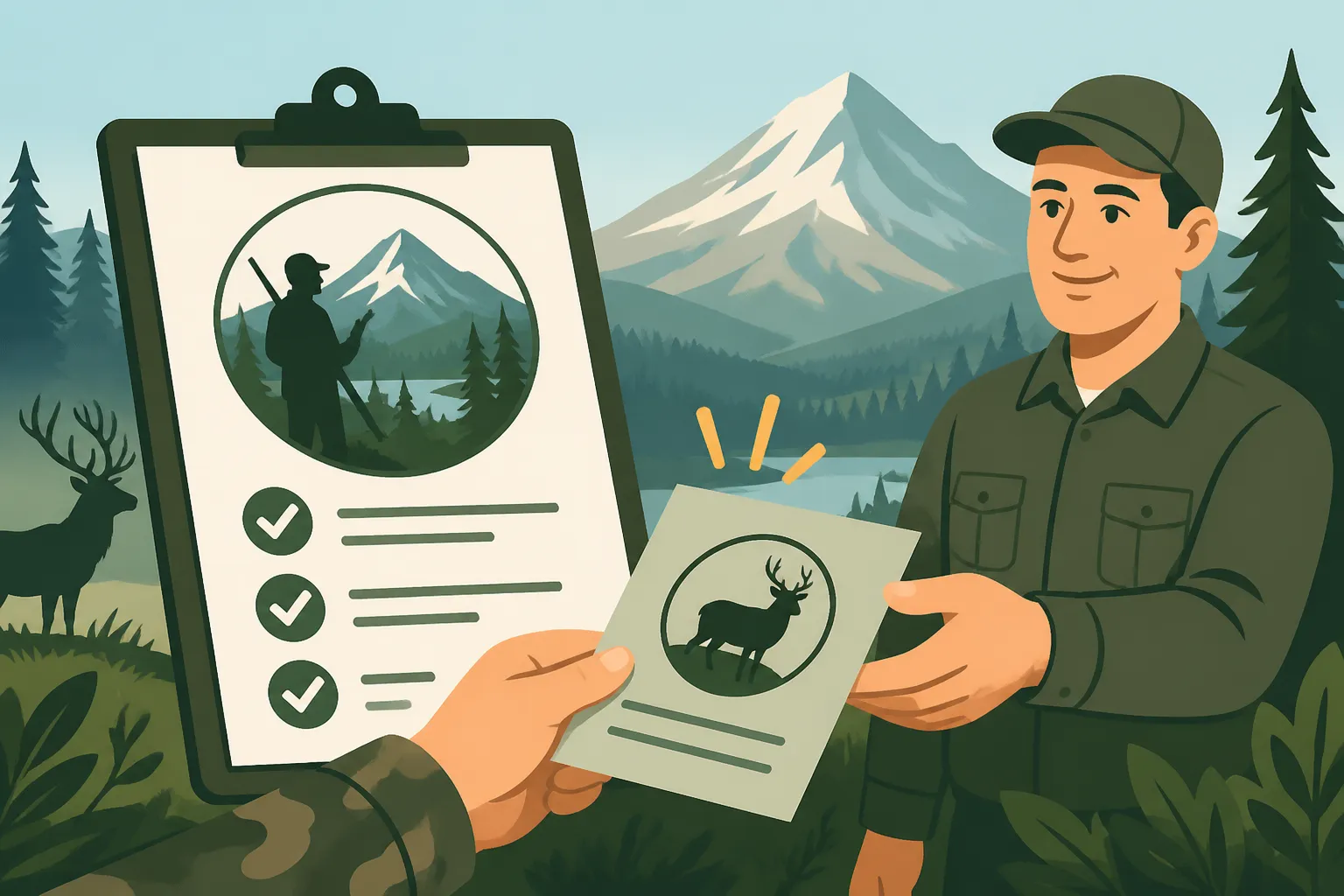
This slip isn't just a piece of paper; it's your golden ticket and your responsibility. It will contain:
- Your Name and Customer ID: Proof that you are the authorized individual.
- Property Name/ID: Clear identification of the specific private land parcel.
- Authorized Dates: The exact window during which you are permitted to hunt. This is crucial—don't show up early or stay late.
- Allowed Species and Weapon Type: Reinforcement of what you can hunt and how.
- Specific Property Rules: A reiteration of any unique regulations for that parcel.
- Contact Information: Sometimes a WDFW contact or, less commonly, the landowner's contact for emergencies or reporting.
It is absolutely essential to have this permission slip with you at all times while hunting on the enrolled property. A printed copy is best, but a digital copy on your phone might be acceptable, though I always recommend having a paper backup in case your phone battery dies or you lose service. Game wardens will ask to see it, and it validates your presence there. Think of it like your hunting license – it's non-negotiable.
Maximizing Your Chances and Being a Responsible Hunter
Getting a Register to Hunt permission slip is more than just navigating a website; it's about being strategic and, most importantly, being a responsible representative of the hunting community. Landowners are offering a privilege, and we need to treat it as such.
When and How to Apply
Timing is everything, as they say, and it's especially true for these limited-access programs. The WDFW typically announces these opportunities well in advance of the seasons. Keep a close eye on their website, especially their "Land Access" and "Special Hunt" sections. Subscribing to WDFW email newsletters can also give you a heads-up.
- Be Early: For first-come, first-served opportunities, literally be ready to apply the minute the window opens. Set a reminder, have your WILD account logged in, and be prepared to click. These spots can go in minutes, not hours.
- Research Thoroughly: Don't just apply for any property. Do your homework. What GMU is it in? What are the success rates for that unit? Is it reasonable access for you? Consider if you'd be comfortable Packing an Elk Out of Washington's Backcountry from that specific parcel. The more informed your choices, the better your chances of a successful hunt if you're selected.
- Have Backup Plans: Don't put all your eggs in one basket. Apply for Register to Hunt properties, but also have public land options scouted. Remember, this is supplemental access, not a guarantee for your entire season.
Adhering to Specific Property Rules
I cannot stress this enough: read and follow every single rule for the specific property you are hunting. These aren't just suggestions; they are conditions of your access. Property rules might include:
- Vehicle Restrictions: "Walk-in only" access is common, even if there are roads on the property. Respect it.
- Weapon Restrictions: Beyond state rules, a landowner might restrict certain weapon types or ammunition.
- Boundary Lines: Know the exact property boundaries. Use your onX Hunt app or other GPS device to stay within the designated area. Accidental trespass can lead to severe consequences.
- Camping/Fire Rules: Many properties prohibit camping or open fires. Be clear on what's allowed.
- Waste Disposal: Pack out everything you pack in. Leave no trace. This includes spent shell casings, broadhead packaging, and food wrappers.
- Harvest Reporting: Some landowners might request you report your harvest directly to them, in addition to the state's mandatory Washington Harvest Reporting Requirements.
Disregarding these rules jeopardizes not only your future hunting opportunities but also the entire program for other hunters. Landowners are taking a leap of faith; don't give them a reason to close their gates.
Building a Good Relationship for Future Access
Your actions on a Register to Hunt property have ripple effects. Be an ambassador for hunters.
- Leave No Trace: This should be standard practice everywhere, but it's especially critical on private land. Pack out all trash, don't damage fences or gates, and tread lightly.
- Respect the Landowner's Wishes: If you happen to encounter the landowner, be courteous and grateful. A simple "thank you" goes a long way.
- Report Concerns: If you notice something amiss – downed fences, poaching activity, or other issues – report it to the WDFW or the landowner if instructed.
- Share Your Success (Appropriately): If you're successful, and it's permitted, a quick note or photo to the WDFW contact (or landowner if they allow direct contact) expressing your gratitude can foster goodwill. It shows that the program is working and that you appreciate the opportunity.
By being an exemplary hunter, you not only improve your own chances for future access but also help ensure that these valuable private land opportunities remain open for all of us. This is especially true for programs like Hunting Washington's Register to Hunt Properties where landowner trust is paramount.
Common Challenges and Troubleshooting
Even with the best intentions, navigating hunting access programs can sometimes throw a wrench in your plans. It's not always a smooth sail, but knowing the potential bumps in the road can help you prepare.
Limited Availability and High Demand
The biggest challenge with Register to Hunt properties is often their popularity. Good hunting ground, especially private land, is always in high demand. This means:
- Low Odds: For popular units or species, the draw odds can be slim, much like applying for any special permit. Don't get discouraged if you don't get selected on your first try.
- Fast Filling Spots: For first-come, first-served opportunities, you're competing against many other hunters who are just as eager. Internet speed and quick reflexes can sometimes make the difference.
- Few Opportunities: There simply aren't endless Register to Hunt properties. The program relies on willing landowners, and while it's growing, it's not a silver bullet for all access issues.
My advice? Keep applying! Treat it like a lottery ticket. You can't win if you don't play. Also, consider applying for properties that might be less popular, perhaps for a less sought-after species or during a less competitive season.
Technical Glitches and WDFW Website Navigation
Let's be honest, government websites can sometimes be a bit clunky. The WDFW WILD system, while functional, isn't always the most intuitive. You might encounter:
- Website Crashes: On application opening days, high traffic can sometimes bog down the system. Patience is key. If it's not working, try again a few minutes later, or even an hour later.
- Confusing Navigation: Finding the exact page for Register to Hunt applications can sometimes feel like a treasure hunt. Don't be afraid to use the search bar on the WDFW site or look for current news releases that might link directly to the application portal.
- Login Issues: Ensure your WILD account details are up to date well before application season. Nothing is more frustrating than a forgotten password when time is of the essence.
If you're truly stuck, don't hesitate to call the WDFW customer service line. While they can't guarantee you a permit, they can often guide you through the technical steps.
When "Register to Hunt" Isn't the Right Fit
Sometimes, despite your best efforts, the Register to Hunt program just might not work out for your specific hunting goals or location. If you consistently strike out or can't find suitable properties, remember there are other avenues for private land access in Washington:
- Direct Landowner Contact: While challenging, building a relationship directly with a landowner for Getting Written Permission on Private Land is always an option. This often requires boots on the ground, respectful conversations, and a willingness to offer help (e.g., fence repair, nuisance animal control).
- Other WDFW Programs: Revisit "Feel Free to Hunt" and "Hunt by Reservation" properties. They might offer different types of access that could suit your needs.
- Private Timber Company Permits: Large timber companies like Weyerhaeuser or Hancock often sell access permits to their lands. While these come with a fee, they can open up vast tracts of hunting ground. This often involves a lottery for specific units or an annual pass purchase. You can often find information on Access Fees on Private Timber Land by checking the timber company websites directly.
- Public Land Scouting: Never underestimate the power of dedicated public land scouting. While it can be more pressured, there are still amazing opportunities on national forests, DNR lands, and BLM acreage if you're willing to hike further and work harder. Tools like onX Hunt are invaluable for Finding Legal Access in Washington and identifying walk-in opportunities.
The key is persistence and an open mind. Don't let one program's limitations deter you from exploring all the incredible hunting possibilities Washington has to offer.
Disclaimer
This article is for general informational purposes only and does not constitute professional advice. Laws, prices and regulations vary by location and change over time. Consult a qualified professional for guidance on your specific situation.