Capitol Peak Unit DNR Land
Hunting public land in Washington can feel like navigating a maze, especially when you're trying to pinpoint reliable access and understand specific unit regulations. The Capitol Peak Unit, managed by the Department of Natural Resources (DNR), is a popular spot, but knowing how to hunt it effectively, what to expect, and where to find the details can be a real headache. This guide is here to untangle that knot, offering a clear roadmap for hunting the Capitol Peak Unit, from understanding its unique characteristics to maximizing your chances for success.
Understanding the Capitol Peak Unit and DNR Land Access
The Capitol Peak Unit, often simply referred to as "Capitol Forest" by local hunters, is a significant chunk of working forestland managed by the Washington State Department of Natural Resources (DNR). For many Western Washington hunters, this area represents one of the most accessible and diverse public hunting opportunities for species like blacktail deer and Roosevelt elk. It’s right there, practically in the backyard for folks living around Olympia and the surrounding counties, which is both a blessing and a curse in terms of pressure.
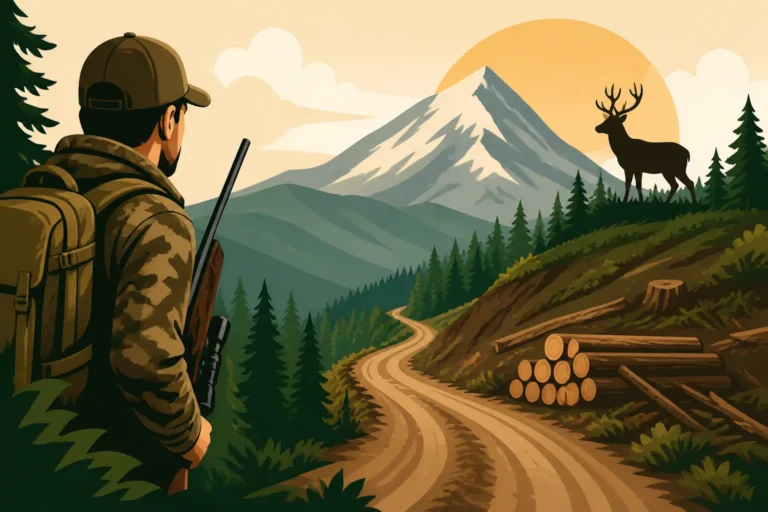
Unlike vast national forests where access might be more straightforward but require serious backcountry commitment, DNR lands like Capitol Forest are primarily managed for timber production. This means you’ll encounter a constantly changing landscape of recent clearcuts, replanted saplings (reprod), and mature timber stands. This dynamic environment profoundly impacts how wildlife uses the area and, consequently, how you approach your hunt. Many hunters get frustrated by gates, changing road status, and the sheer amount of logging activity, but with a little preparation, you can turn these challenges into advantages. You might also encounter active logging operations, so always be aware of your surroundings, respect industrial equipment, and adhere to any posted safety warnings.
Gaining access to these working lands often requires a Discover Pass, which is essentially your entry ticket for parking and recreation on most DNR and State Parks lands. Without one, you risk a ticket, and who needs that added stress on a hunt? It's a small investment for the opportunities these lands provide. Always check current regulations for specific access requirements, as things can change from year to year. You can also dive deeper into Washington DNR Land Open to Hunting for a broader understanding of how these lands operate.
Navigating Regulations and Species in Capitol Forest
Hunting in the Capitol Peak Unit falls under specific Game Management Unit (GMU) rules, primarily GMU 603. It's absolutely critical to consult the current Washington Department of Fish and Wildlife (WDFW) Big Game Hunting Pamphlet every year because regulations—like season dates, weapon restrictions, and bag limits—are subject to change. What was legal last year might be different this year. Relying on old information is a surefire way to get yourself into trouble.
For many, the primary draw to Capitol Forest is its healthy population of Columbian Blacktail Deer in Western Washington. You'll find blacktails throughout the forest, often favoring the edges of clearcuts, dense reprod, and stream bottoms where cover is thick. While not as numerous as deer, Roosevelt Elk of Western Washington also call Capitol Forest home. These coastal giants are notoriously reclusive, especially during hunting season, and you'll need to work hard to find them in the dense timber. Black bears are also present, offering opportunities for Washington Black Bears Coast to Cascades during the appropriate seasons. Small game and upland birds, such as grouse, can also be pursued, often as a bonus during a deer or elk hunt.
Key Species and Seasons in Capitol Peak Unit (GMU 603 – General Information Only, Always Check Current Pamphlet)
| Species | Primary Season Type | General Season Dates (Example) | Common Regulations (Example) |
|---|---|---|---|
| Blacktail Deer | Archery, Muzzleloader, Modern Firearm | Early September – Late October | Buck only, often 2-point or 3-point minimum, check unit specific rules. |
| Roosevelt Elk | Archery, Muzzleloader, Modern Firearm | Early September – Mid November | Spike bull only, antlerless permits through draw. |
| Black Bear | Modern Firearm, Archery, Muzzleloader | Early August – Mid November | One bear per hunter, check specific unit closures/quotas. |
| Forest Grouse | Shotgun, Archery, .22 Rimfire | Early September – December | Daily bag and possession limits. |
Disclaimer: The dates and regulations in this table are illustrative examples. Always refer to the most recent WDFW Big Game Hunting Pamphlet for current and accurate information for GMU 603.
Beyond big game, Capitol Forest is also home to a variety of small game and upland birds, including Ruffed Grouse and Blue Grouse. These can provide a fun secondary objective or a dedicated hunt, especially in the late season when big game tags have been filled or expired. Remember, even for small game, you need the proper licenses and tags. If you're new to hunting in Washington, make sure you understand Washington Hunter Education and Licensing requirements before heading out.
Scouting and Tactics for Success in Capitol Peak
Hunting the Capitol Peak Unit successfully requires a blend of pre-season preparation and adaptive in-the-field tactics. Because it’s a working forest, conditions change rapidly. A clearcut from last year might now be chest-high reprod this year, creating new bedding and feeding areas, or new obstacles for access. This constant evolution is why digital scouting tools are invaluable.
Start your scouting long before the season opens. Use satellite imagery on platforms like onX Hunt to identify potential clearcuts, logging roads (both open and gated), and dense timber patches. Look for areas with a mix of cover and feed, especially along drainages or benches. What often looks impenetrable on a map might reveal hidden trails or natural funnels when you zoom in. onX Hunt also provides excellent land ownership data, helping you distinguish DNR land from private parcels or state parks where hunting might be restricted. Pay close attention to the Washington Green Dot Road Systems if you plan to use a vehicle for access, as these roads have specific rules for motorized use.
For blacktail deer, focus on the edges of clearcuts and dense reprod. Blacktails are masters of using thick cover, and even a small patch of reprod can hold a mature buck. They will often browse on new growth in clearcuts during low light, then melt back into the thick stuff as the sun comes up. Still-hunting through dense brush, taking one slow step at a time, can be incredibly effective. Consider how you'll move through this kind of habitat; Still-Hunting Blacktails in Wet Washington Brush is a skill you'll need to develop.
Elk in Capitol Forest are particularly challenging. They often inhabit the steepest, thickest draws, and old-growth timber patches. They are less likely to be seen out in the open compared to their Eastern Washington counterparts. Calling can be effective during the archery season, but these Roosevelt elk are wary. Look for fresh sign: tracks, rubs, and droppings, especially near reliable water sources. Identifying fresh sign is paramount, as they can cover significant ground. Understanding Roosevelt Bulls and Why They Bugle Less can help adjust your calling expectations.
Pressure from other hunters is a significant factor in Capitol Forest due to its proximity to population centers. To escape the crowds, you'll need to put in the effort to get away from easily accessible roads and trailheads. This often means embracing walking and hiking into areas that others deem too far. Consider using a mountain bike on gated logging roads to cover more ground efficiently, but always be aware of DNR regulations on bike use. Many hunters overlook the importance of knowing what access programs are in place, so checking out resources like Hunting Washington's Register to Hunt Properties can sometimes uncover less-pressured areas.
Don't forget to utilize the WDFW's online resources, including their mapping tools and harvest reports. While not as detailed as a commercial app like GoHunt, WDFW provides invaluable baseline data on harvest trends and GMU descriptions. Cross-referencing this with your onX Hunt intel can give you a comprehensive picture of the unit. Remember, success often comes down to covering ground efficiently and intelligently, even in seemingly crowded areas.
Practical Tips for Capitol Peak Hunters
Before you even step foot in the Capitol Peak Unit, a little logistical planning goes a long way. First and foremost, check the weather. Western Washington is synonymous with rain, and Capitol Forest is no exception. Be prepared for wet, chilly conditions, even in early fall. Waterproof gear is not optional; it's essential. Think about layering effectively to manage your body temperature as you hike through varied terrain and vegetation.
Road conditions are another crucial consideration. Logging activity and heavy rains can rapidly change road accessibility. Some roads might be temporarily closed due to operations, or become impassable for two-wheel drive vehicles after significant rainfall. Always have a backup plan for access points and be ready to walk further than anticipated. Carrying a chainsaw, shovel, and tire chains can save your hunt if you encounter unexpected obstacles, though always check if chains are appropriate for the conditions.
Consider your exit strategy, especially if you're hunting solo or venturing deep into the unit. Packing out a deer or, even more so, an elk, can be a monumental task over rough terrain and through thick brush. Having a reliable frame pack and knowing how to field dress and quarter your animal efficiently are skills you’ll be grateful for. Quartering and Packing an Elk Solo or even a large deer will test your stamina. A GPS device or a robust phone app with downloaded offline maps (like onX Hunt) is critical for navigation, especially in areas with poor cell service or rapidly changing forest landscapes. Downloading Offline Maps for Washington is a step you should never skip.
Finally, always be mindful of other forest users. Capitol Forest is popular with hikers, mountain bikers, horseback riders, and off-road vehicle enthusiasts, especially on weekends. Practice extreme caution and always identify your target and what's beyond it. Be respectful of private property boundaries, even those adjacent to DNR land. Ethical hunting not only respects the game but also contributes to a positive image for all hunters.
| Essential Gear for Capitol Peak | Why It Matters |
|---|---|
| Discover Pass | Required for parking and access on DNR lands to avoid fines. |
| Waterproof Rain Gear | Western Washington is wet; staying dry is critical for comfort and safety. |
| Quality Hiking Boots & Gaiters | Navigate uneven terrain and thick, wet brush effectively. |
| GPS Device / onX Hunt App | Critical for navigation in a constantly changing forest, especially with poor cell service. |
| Game Bags | Protect your meat from dirt and flies, essential for cooling in the field. |
| Headlamp & Spare Batteries | Invaluable for early morning starts or packing out after dark. |
| First Aid Kit | Accidents happen; be prepared for minor injuries. |
| Bear Spray | For unexpected encounters with black bears, especially in dense cover. |
| Water & Snacks | Stay hydrated and energized, particularly during long hikes. |
| WDFW Hunting Pamphlet | Your ultimate source for current regulations, seasons, and harvest reporting info. |
This article is for general informational purposes only and does not constitute professional advice. Laws, prices and regulations vary by location and change over time. Consult a qualified professional for guidance on your specific situation.