Klickitat Wildlife Area Rules
Navigating the myriad of rules and regulations for hunting in Washington can feel like trying to track a ghost elk through a thick fog, especially when you're focusing on a specific, diverse area like the Klickitat Wildlife Area. Hunters often arrive with assumptions from other public lands, only to find unique local nuances that can lead to frustration or, worse, unintended violations. This guide is designed to clarify the specific rules and considerations for hunting in the Klickitat Wildlife Area, helping you plan a successful and legal hunt.
Understanding the Klickitat Wildlife Area Landscape
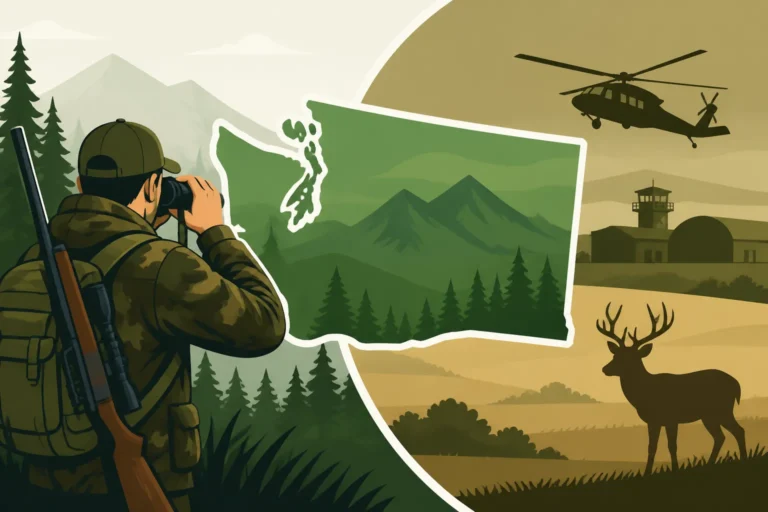
The Klickitat Wildlife Area, managed by the Washington Department of Fish and Wildlife (WDFW), is a real jewel of eastern Washington, but it's also a complex patchwork of habitats and rules. It's not just one homogenous chunk of land; rather, it encompasses several distinct units that stretch across diverse terrain. You'll find everything from oak woodlands and shrub-steppe to ponderosa pine forests and riparian zones along the Klickitat River. This ecological diversity is fantastic for wildlife, supporting everything from trophy mule deer to robust populations of upland birds, but it also means that "Klickitat Wildlife Area rules" aren't always a simple, one-size-fits-all answer.
Diverse Habitats and Species
Picture this: you're walking through the lower elevations of the wildlife area in early fall, the oaks are just starting to turn, and the air is crisp. Here, you might be focused on Blacktail Deer Hunting in Western Washington Timber if you were on the west side, but in Klickitat, it's all about mule deer and whitetails on the eastern edge. Later in the season, you might move up into the higher, timbered draws, where the ponderosas stand tall, and the habitat changes dramatically. This mix supports a fantastic array of game. Mule deer are a primary draw for many hunters, especially in the more open, sage-dotted areas. The river bottoms and brushier draws can hold impressive whitetails, too, though they might be a bit more elusive. Beyond the big game, the Klickitat is also a haven for upland bird hunters, with chukar, Hungarian partridge, and quail thriving in the broken, rocky terrain. Understanding these varied habitats helps you anticipate what species you might encounter and, crucially, what access methods and regulations apply to those specific areas and species.
Key Units of the Klickitat Wildlife Area
The Klickitat Wildlife Area isn't a single, continuous block of land. It's comprised of several units, each with its own character and sometimes subtle variations in access or use. For instance, the main Klickitat Canyon unit, stretching along the river, offers prime riparian habitat, while units like the Goldendale or Swale Canyon areas might be more open and shrub-steppe dominated. The WDFW website provides detailed maps of these units, and I highly recommend using a mapping app like onX Hunt to overlay these boundaries with topography, private land, and roads. This becomes incredibly important because some of these units might butt right up against private timber company land or small private parcels, which can have entirely different access rules. Knowing which specific unit you're in helps clarify whether you're dealing with a specific seasonal road closure or a particular restriction unique to that habitat type. Ignoring these unit distinctions is a common mistake that can lead to walking for miles only to realize you're on a closed road or, worse, trespassing.
General Washington Wildlife Area Regulations
Before diving into the specifics of Klickitat, it's crucial to understand that all WDFW-managed wildlife areas operate under a baseline set of rules that apply statewide. These regulations are designed to protect wildlife, manage habitat, and ensure public safety and enjoyment across all these valuable lands. Think of them as the fundamental principles before any area-specific amendments.
Common Prohibitions and Restrictions
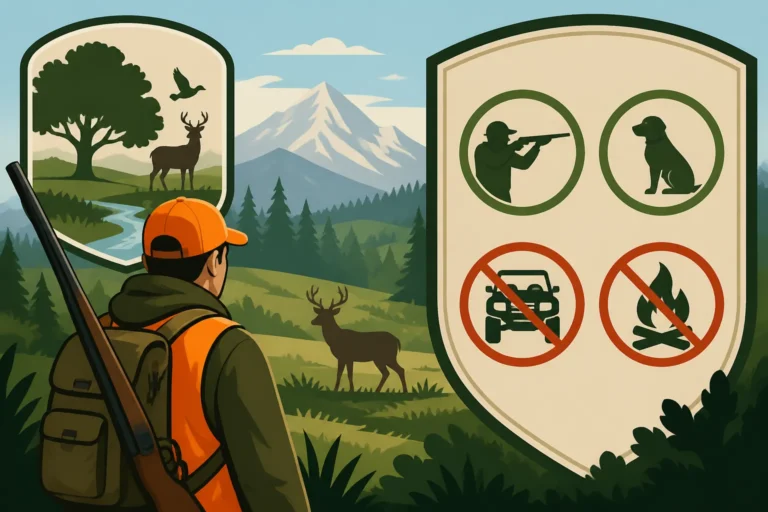
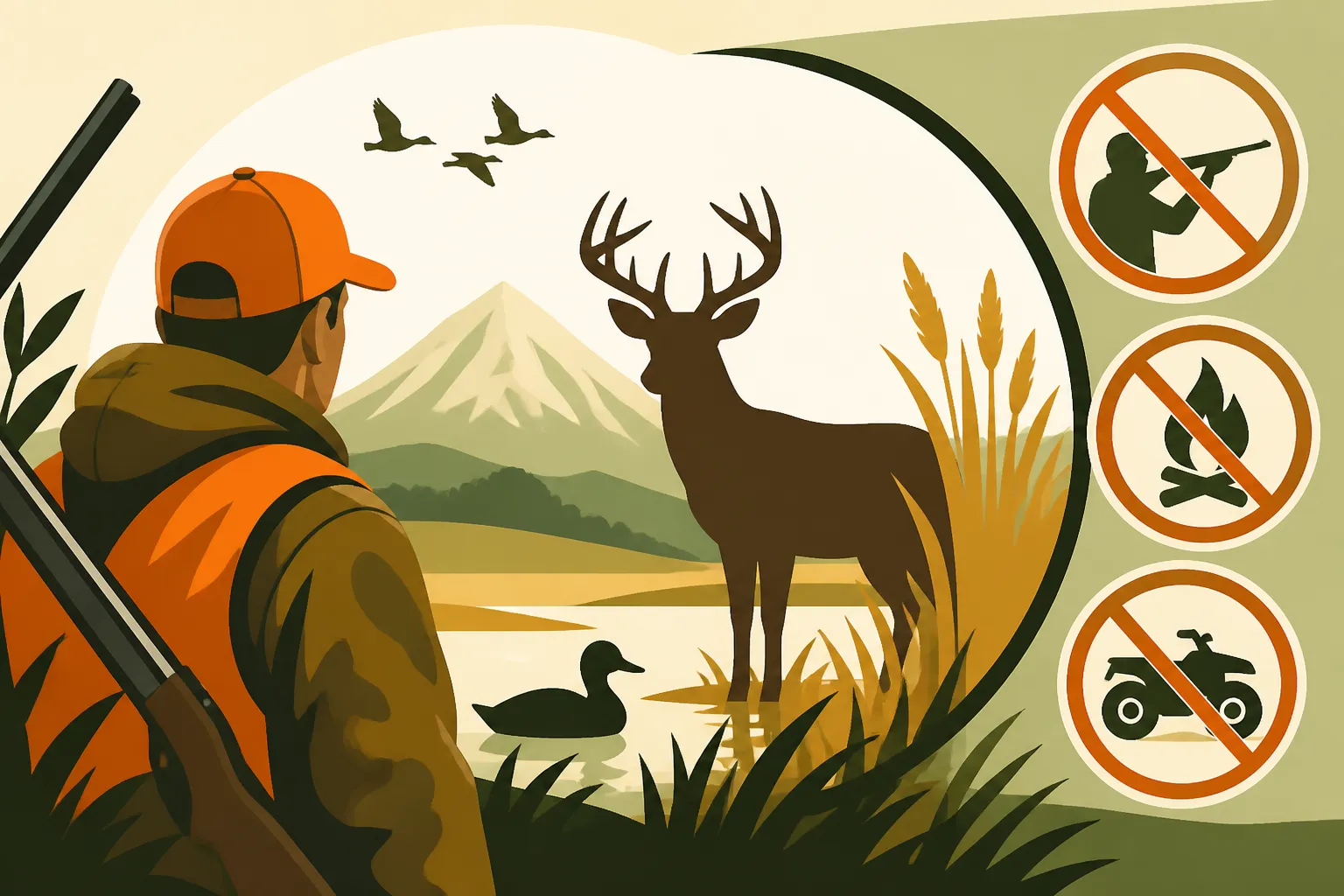
Across all Washington wildlife areas, including Klickitat, certain activities are generally prohibited or heavily restricted to minimize impact and preserve the natural environment. For example, target shooting is a big one. While many national forests allow it, WDFW wildlife areas often have strict rules against indiscriminate target shooting, if it's allowed at all. This is often due to safety concerns for other users and to prevent littering. Motorized vehicle use is another area where many hunters get caught out. While you might be able to drive certain roads, venturing off-road is almost universally prohibited. This means no driving across meadows or up dry creek beds to get closer to your hunt area.
Camping is also typically restricted. Some wildlife areas have designated campgrounds, but dispersed camping (just pitching a tent wherever) is usually not allowed. This can be a bummer if you're used to backpacking into Backcountry Camps in Washington Wilderness on Forest Service land. Always check for signs at entry points or consult the specific wildlife area's online regulations for camping allowances. Fires are another critical point; often, only campfires in designated rings are permitted, and total fire bans are common during dry summer and fall months, which often coincide with hunting seasons. Littering is a no-brainer, but it's worth reiterating: pack out everything you pack in, including spent shell casings. These rules are in place to maintain the integrity of these critical habitats and ensure that everyone can enjoy them sustainably.
Access and Permitting Requirements
Gaining access to a Washington wildlife area is usually straightforward: you just show up. However, there are nuances. While you don't typically need a separate "access permit" for general entry to WDFW wildlife areas, if you plan to park a vehicle, you'll need a Discover Pass. This pass is required for parking at most state recreation lands, including wildlife areas, state parks, and DNR lands. It's a small fee that contributes to the maintenance of these public spaces, and getting a ticket for not having one is a frustrating way to start or end a hunt.
Beyond the Discover Pass, always be mindful of specific road closures. Many roads within wildlife areas are seasonally closed to protect wintering wildlife, prevent road damage during wet periods, or simply manage access. These closures are typically well-signed, but it's always best to check the WDFW website or consult a reliable mapping tool like onX Hunt for current information before you head out. Don't assume a gate is open just because it was last year. Sometimes, certain hunts, particularly for antlerless deer or elk, or specific species like turkey, might require special permits or tags beyond your general hunting license. Make sure you understand Washington Big Game Licence and Tag Costs and any additional permit requirements for the species and season you're pursuing in the Klickitat.
Klickitat Wildlife Area Specific Rules and Regulations
Now, let's zero in on the unique aspects of hunting in the Klickitat Wildlife Area. While the general rules apply, Klickitat has its own set of particularities that can greatly influence your hunt planning and execution. This is where attention to detail really pays off, ensuring your hunt is both enjoyable and compliant.
Vehicle and Road Access Limitations
Vehicle access in the Klickitat Wildlife Area is a significant point of confusion for many hunters. While some main gravel roads might be open year-round, many interior roads are subject to seasonal closures, especially from early December through April to protect wintering deer and elk. You might encounter "Green Dot" road systems on some adjacent public lands, but within the wildlife area boundaries, it's crucial to consult the specific WDFW Klickitat Wildlife Area map for designated open and closed roads. I’ve seen countless hunters drive for miles only to hit a locked gate that was clearly marked on the WDFW map, wasting precious hunting time.
Furthermore, within certain units, there may be "walk-in only" zones or areas where motorized vehicles are entirely prohibited beyond the main access points. These restrictions are often in place to provide quieter hunting experiences and to reduce disturbance to game. Always look for signage at trailheads and entry points. If you're planning on covering a lot of ground, knowing these limitations beforehand will help you pack appropriately and avoid the frustration of having to hike miles back to your truck because you misjudged an access road. Using a GPS with updated land ownership and road maps, such as those available through onX Hunt, is invaluable here.
Target Shooting and Firearm Restrictions
As mentioned in the general rules, target shooting is heavily restricted on WDFW wildlife areas, and Klickitat is no exception. This isn't a place to set up tin cans and blast away. The primary purpose of the wildlife area is for wildlife conservation and regulated hunting, not recreational shooting. Always verify the current regulations for any specific area within Klickitat before even considering target practice. Violating these rules can lead to significant fines and even loss of hunting privileges.
For actual hunting, Klickitat falls within Washington's general regulations regarding legal firearms. However, always double-check the hunting pamphlet for the specific GMU (Game Management Unit) you'll be in, as some GMUs may have firearm restriction areas or different rules for certain seasons. For instance, some areas close to populated zones might be shotgun-only for deer, though this is less common in the more remote Klickitat units. Understanding Washington's Legal Equipment Rules by Weapon is fundamental before you even load your truck.
Camping and Overnight Stays
Dispersed camping is generally not permitted in the Klickitat Wildlife Area. There might be specific, designated campsites in or near some units, but these are few and far between and often fill up quickly during peak hunting seasons. If you plan to stay overnight, your best bet is to look for established campgrounds in nearby national forest lands, state parks, or private campgrounds. Some adjacent national forest lands might allow for Dispersed Camping in Washington Hunting Season, but you must confirm the specific regulations for those areas as well.
The prohibition on dispersed camping within the wildlife area is largely due to fire danger, human impact on sensitive habitats, and waste management concerns. If you're planning a multi-day hunt, you'll likely need to either return to a vehicle-accessible camp outside the wildlife area each evening or be prepared for extensive day trips, packing in and out everything you need. This can significantly impact how much gear you can carry and how far you can venture, especially if you're thinking about a Quartering and Packing an Elk Solo endeavor.
Planning Your Hunt in Klickitat
Successfully hunting the Klickitat Wildlife Area requires more than just showing up with a rifle and a tag. It demands meticulous planning, a thorough understanding of the regulations, and a smart approach to scouting and access. Overlooking any of these steps can quickly turn a hopeful hunt into a frustrating ordeal.
Researching Regulations and Seasons
Your first and most important step is always to thoroughly read the current Washington Big Game Hunting Seasons & Rules pamphlet. This is your bible. It outlines all statewide regulations, as well as specific rules for each GMU that might be part of the Klickitat Wildlife Area. Pay close attention to the season dates for your target species (deer, elk, bear, upland birds), weapon choice (archery, muzzleloader, modern firearm), and specific bag limits and antler restrictions for the GMU you intend to hunt. For example, some units might be spike-only for elk, while others could have a three-point minimum for bucks.
Don't just skim it; read the fine print. Look for special permit drawings, late-season opportunities, or any harvest reporting requirements. The WDFW website will also have specific pages for the Klickitat Wildlife Area, often including maps and current alerts regarding road closures, fire restrictions, or other temporary changes. Websites like GoHunt can also provide valuable insights into draw odds and unit breakdowns, but always cross-reference with the official WDFW pamphlet. This upfront research saves you from making easily avoidable mistakes in the field.
Scouting and E-Scouting Strategies
Effective scouting is paramount for hunting in Klickitat. Given the area's diverse terrain and vegetation, what works in one unit might not apply in another. Start with E-Scouting Washington GMUs Before the Draw from home using satellite imagery and topographic maps. Identify potential bedding areas, feeding zones (oaks for acorns, clearcuts for browse), water sources, and travel corridors. Pay close attention to elevation changes and north-facing slopes, especially during warmer early seasons, as these often hold game.
Once you have some areas of interest, hit the ground. Scout before the season, if possible. Look for fresh sign: tracks, scat, rubs, and beds. Identify potential access points and confirm road conditions. If you're targeting chukar, for instance, you'll be looking for steep, rocky slopes near water sources. For mule deer, you might focus on ridges and saddles, Glassing Sage and Wheat Edges for Washington Mule Deer. Use your mapping app to drop pins for observations, potential stand sites, or water caches. During your physical scouting, you'll also notice areas that get high pressure, which can inform your hunting strategy come opening day. Remember, the Klickitat can get busy, so finding those less-pressured pockets is key.
Ethical Hunting and Conservation Practices
Hunting in the Klickitat Wildlife Area, like any public land, comes with a responsibility to uphold ethical hunting practices and contribute to conservation. This means respecting wildlife, other users, and the land itself. Always know your target and what's beyond it. Ensure you have a clean shot and practice Shot Placement on a Quartering Elk or deer before you go. If you do make a kill, commit to recovering the animal. This might mean following a blood trail in thick cover or dealing with difficult terrain for packing out. Blood Trailing in Salal and Devil's Club is tough in western Washington, and the broken ground in Klickitat can be equally challenging.
Beyond the shot, proper game care is crucial, especially in warmer early-season weather. Field Dressing in Warm Early-Season Weather quickly and getting the meat cooled down is essential to prevent spoilage. Pack out all your trash, including gut piles if local regulations require it or if you're in a heavily trafficked area. Adhere to all antler point restrictions and harvest limits. By following the rules and practicing good outdoor ethics, you ensure that the Klickitat Wildlife Area remains a premier hunting destination for generations to come, reflecting positively on the hunting community as a whole.
| Regulation Category | General Washington Wildlife Area Rule | Klickitat Wildlife Area Specifics & Considerations |
|---|---|---|
| Vehicle Access | Generally limited to designated roads; no off-road travel. | Many interior roads seasonally closed (Dec-Apr) for winter range. Check WDFW Klickitat maps for specific open/closed roads and walk-in only zones. onX Hunt highly recommended for real-time map data. |
| Camping | Dispersed camping typically prohibited. | No dispersed camping allowed. Check for designated campgrounds outside the wildlife area. Plan for day trips or find alternative accommodations. |
| Target Shooting | Heavily restricted or prohibited. | Prohibited or strictly limited to specific designated areas (rare). Assume it's not allowed unless explicitly stated. |
| Fires | Campfires in designated rings only; seasonal bans common. | High fire danger in dry seasons. Assume fire restrictions, especially outside of established rings. Check current WDFW alerts. |
| Permits & Passes | Discover Pass required for parking; valid hunting license and tags. | Standard WA hunting license and tags apply. Special permits for certain species/hunts (e.g., antlerless, turkey) may be required depending on the GMU and season. |
| Game Retrieval | No off-road vehicle use for retrieval unless specifically permitted. | Expect to pack out game by hand or with pack animals (where permitted). Plan for difficult terrain and potentially long hauls. |
| Littering | Pack it in, pack it out. | Absolutely no littering. This includes spent casings, trash, and any non-biodegradable items. |
Disclaimer
This article is for general informational purposes only and does not constitute professional advice. Laws, prices and regulations vary by location and change over time. Consult a qualified professional for guidance on your specific situation.