Dispersed Camping in Washington Hunting Season
One of the trickiest parts of planning a Washington hunting trip isn't always finding the game, but finding a good, legal spot to set up camp, especially if you prefer to avoid crowded campgrounds. The confusion around public land rules, where you can and can't stay, and what's expected of you can really add stress to a hunt. This guide is here to clear up the mystery of dispersed camping in Washington during hunting season, helping you confidently find and utilize those quiet, out-of-the-way spots that make a hunt truly memorable.
Understanding Dispersed Camping in Washington
Let's start with the basics, because "dispersed camping" can mean different things to different people. In Washington, particularly when you're thinking about hunting season, it generally refers to setting up your camp outside of developed campgrounds. That means no picnic tables, no fire rings (unless you build your own in a safe, legal manner), no vault toilets, and certainly no potable water or garbage services. You are essentially on your own, responsible for everything.
What "Dispersed" Really Means Here
When we talk about dispersed camping, we're talking about finding a spot in the national forests, on certain DNR lands, or occasionally on Bureau of Land Management (BLM) property, and simply parking your rig or pitching your tent. It's about self-reliance and minimal impact. You won't find designated sites marked with numbers; instead, you're looking for pull-offs, old logging spurs, or clearings that have been used before. The beauty of it, especially for hunters, is the ability to camp closer to your hunting area, reducing travel time in the mornings and evenings. Imagine being able to wake up, step out of your tent, and already be in the hunting unit, rather than driving twenty minutes from a busy campground. This proximity can be a game-changer, allowing you more time for Public Land Scouting in Washington Before Opening Day or to simply enjoy the quiet before the first rays of light.
Key Regulations and Restrictions
This is where many hunters get tripped up, and it's vital to understand the rules before you head out. While dispersed camping offers freedom, it's not a free-for-all.
- Stay Limits: Most federal lands (National Forests, BLM) have a 14-day stay limit within a 30-day period. This means you can't just set up a permanent base camp for an entire month-long season. The idea is to prevent long-term residency and ensure fair access for everyone.
- Distance from Water and Roads: A common rule is that you must camp at least 100-200 feet (often 200 feet is cited) from any water source (streams, lakes, springs) to protect water quality and riparian habitats. Similarly, there are often rules about how far you must be from developed roads or recreation sites. This helps maintain a sense of wilderness and prevents vehicle damage to delicate areas.
- Fire Restrictions: This is absolutely critical during Washington's often dry hunting seasons, especially in early fall. Fire restrictions can change daily based on weather and fire danger. What was allowed yesterday might be banned today. You must check current conditions before lighting any fire, even a small camp stove. Often, during peak fire season, only propane stoves are permitted, and open fires are completely prohibited. Neglecting this rule can lead to hefty fines and, worse, devastating wildfires. You can learn more about this by Checking Washington Fire Closures Before You Go.
- Group Size: There might be limits on how many people or vehicles can be in a single dispersed campsite, though these are more common in wilderness areas or heavily used spots. Always check the specific forest or district regulations if you're planning a large group hunt.
These regulations aren't there to annoy you; they're in place to protect the land, wildlife, and ensure everyone has a positive experience. A little research beforehand can save you a lot of headache.
Leave No Trace Principles for Hunters
Dispersed camping inherently means you need to practice Leave No Trace (LNT) principles. For hunters, this is even more critical, as we spend time deep in wildlife habitats. The core idea is to leave no evidence that you were ever there.
- Plan Ahead and Prepare: Know the regulations, carry maps, pack appropriate gear, and know the weather. This includes having a plan for food, water, and waste.
- Travel and Camp on Durable Surfaces: This means setting up your tent on bare dirt, rock, or established sites, not trampling fragile vegetation. When driving, stay on existing roads and pull-offs. Avoid creating new tracks.
- Dispose of Waste Properly: This means all waste. Pack out everything you pack in, including food scraps, foil, and toilet paper. Human waste should be buried in a "cat hole" 6-8 inches deep and at least 200 feet from water, trails, and camp. When you're processing an animal, be mindful of offal disposal; scatter it widely or pack it out where required, away from water sources and trails frequented by other users.
- Leave What You Find: Don't build structures, cut live trees, or take souvenirs. Leave rocks, plants, and natural objects as they are.
- Minimize Campfire Impacts: If fires are allowed, use existing fire rings. Keep fires small, use only dead and downed wood, and ensure the fire is dead out and cold to the touch before leaving.
- Respect Wildlife: Observe from a distance. Don't approach, feed, or disturb animals. Store food securely, especially in bear country.
- Be Considerate of Other Visitors: Camp away from trails and other groups. Keep noise levels down.
Adhering to these principles ensures that the wild places we cherish for hunting remain wild and accessible for generations to come. This also applies when Packing an Elk Out of Washington's Backcountry, ensuring you don't leave a mess that harms the environment or future access.
Where to Find Legal Dispersed Campsites on Washington Public Lands
Washington offers a variety of public land types, each with its own rules and opportunities for dispersed camping. Knowing the differences is key to finding a legal and enjoyable spot.
National Forests: The Go-To for Most Hunters
National Forests (like the Okanogan-Wenatchee, Gifford Pinchot, and Colville) are typically the best bet for dispersed camping during hunting season in Washington. They cover vast areas, particularly in the Cascade and eastern Washington ranges, and are often laced with forest service roads that provide excellent access.
- Abundant Space: These forests are designed for multiple uses, including recreation like hunting and camping. You'll find countless pull-offs and clearings along logging roads or old spurs where you can legally set up shop.
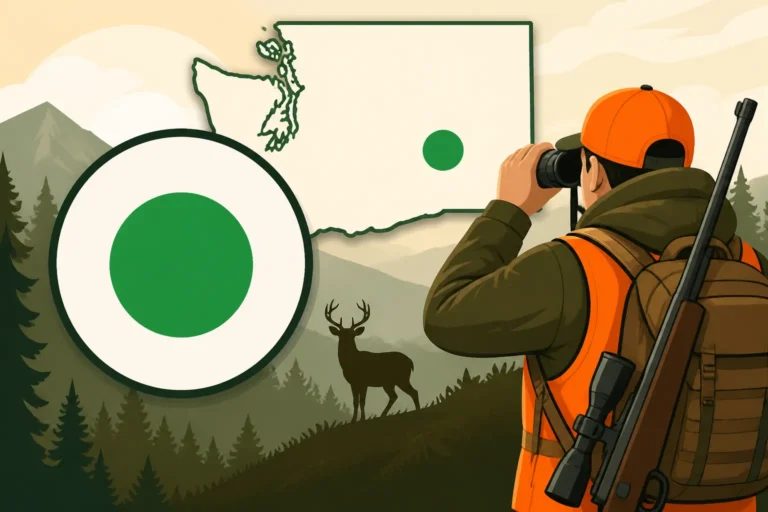
- Green Dot Road Systems: Many National Forests in Washington utilize "Green Dot" road systems. These are crucial for hunters. Green Dot roads are generally open to vehicle traffic, while non-green dot roads (often marked with red or other colors, or simply not marked) are closed seasonally or year-round to protect wildlife habitat, prevent erosion, or manage access. It's important to have a current map that shows these designations, as dispersed camping is usually permitted along open Green Dot roads but might be restricted on closed roads. Understanding Washington Green Dot Road Systems is absolutely essential.
- Proximity to Hunting Areas: Often, these roads lead directly into prime hunting country, allowing you to camp very close to where you plan to hunt. Just remember the rule about being a certain distance from the road itself.
- Resources: The National Forest websites for specific forests (e.g., Gifford Pinchot National Forest, Colville National Forest) will have detailed motor vehicle use maps (MVUMs) that show open roads, closed roads, and camping restrictions. Always consult these.
If you're looking for a relatively straightforward dispersed camping experience, the National Forests are usually your best bet. More information can be found in our guide on Camping on Washington National Forest.
Washington DNR Lands: A Bit More Nuanced
Washington Department of Natural Resources (DNR) manages a significant amount of land, much of which is open to public recreation, including hunting. However, dispersed camping on DNR lands often comes with slightly different rules and sometimes requires a Discover Pass.
- Discover Pass Required: Most activities on DNR lands, including dispersed camping, require a Discover Pass displayed on your vehicle. This pass helps fund the maintenance and management of these state lands.
- Varying Rules: While some DNR lands allow dispersed camping, the rules can be more restrictive than in National Forests. It's not always a blanket permission. Some areas might have specific prohibitions or require you to be in designated "dispersed camping" zones, which essentially turns them into primitive campgrounds.
- Check Specific Areas: You absolutely must check the specific DNR land unit you intend to hunt and camp in. Their website provides maps and rules for individual areas. Don't assume that if it's open to hunting, it's automatically open to dispersed camping. Our article on Washington DNR Land Open to Hunting can give you a head start.
BLM Lands and State Wildlife Areas: Fewer, But Worth Knowing
Bureau of Land Management (BLM) lands are less common in Washington compared to National Forests, but they do exist, primarily in the eastern part of the state. Rules for dispersed camping on BLM land are generally similar to National Forests, focusing on minimal impact and specific stay limits. If you find BLM land in your hunting unit, it's worth exploring as an option.
Washington Department of Fish and Wildlife (WDFW) manages many State Wildlife Areas, which are fantastic for hunting. However, these areas are primarily managed for wildlife habitat and public access for hunting/fishing, not necessarily for camping.
- Generally Restricted Camping: Most WDFW Wildlife Areas have very strict camping rules. Dispersed camping is often not allowed. If camping is permitted, it's usually only in designated areas, which function more like primitive campgrounds. The purpose is to minimize human disturbance to wildlife and manage visitor impact.
- Check Each Wildlife Area: Just like DNR lands, you need to check the specific regulations for the WDFW Wildlife Area you are interested in. You can usually find this information on the WDFW website under the individual wildlife area's page. Familiarizing yourself with Washington Wildlife Area Rules is a good idea before considering these spots for camping.
Areas Where Dispersed Camping is Not Allowed
Equally important as knowing where you can camp is knowing where you cannot.
- Private Timber Company Lands: While many timber companies (like Weyerhaeuser or Hancock) offer hunting access through permits or programs, these permits almost never include dispersed camping rights. Camping is usually restricted to designated areas or not allowed at all. These lands are actively managed and private, even if they allow public access for hunting.
- Washington State Parks: These are strictly designated campgrounds, no dispersed camping here.
- National Parks: Hunting is generally prohibited in National Parks, and therefore dispersed camping for hunting purposes is not applicable.
- Urban/Suburban Areas: While obvious, it's worth stating: don't attempt to dispersed camp near populated areas.
- Closed Roads/Areas: If a road is gated, signed as closed, or designated as off-limits to vehicles, camping there is typically also prohibited. These closures are often in place to protect sensitive winter range or specific habitats, which you can read about in Washington Winter Range Closures That End Late Hunts.
Practicalities of Setting Up a Dispersed Camp During Hunting Season
Once you've found a legal spot, there are still some key considerations to ensure your camp is functional, safe, and doesn't negatively impact your hunt or the environment.
Choosing Your Spot Wisely
Picking the right specific location for your dispersed camp can make a huge difference in your hunting experience.
- Game Movement: Try to choose a spot that's not directly on a major game trail or in a known bedding area. While you want to be close to the action, setting up your tent where animals frequently pass can alter their movement patterns, making your hunt harder and potentially pushing them out of the area.
- Water Access (Safe Distance): You need water for drinking, cooking, and basic hygiene. While you should be 200 feet away, finding a spot that offers relatively easy access to a reliable water source (creek, spring) can save you a lot of hauling. Just be sure to filter or treat all water from natural sources.
- Cover and Wind Breaks: Look for natural features that offer protection from wind and rain. A small stand of trees, a low ridge, or a depression can provide significant shelter and make your camp much more comfortable, especially during unpredictable Washington weather.
- Minimize Disturbance: Pick a spot that's somewhat out of sight from main roads or trails to maintain privacy and reduce the visual impact of your camp. The goal is to be a quiet observer, not a glaring presence.
- Flat Ground: This might seem obvious, but overlooking a slightly sloped tent site can lead to uncomfortable nights and waking up feeling like you slid out of your bag. Take a moment to test the ground for levelness.
Essential Gear for a Backcountry Camp
Dispersed camping means bringing everything you need for survival and comfort, as there are no amenities provided.
- Water Filtration/Purification: A reliable water filter or purification tablets are non-negotiable. Giardia and other pathogens are no joke. Even if the water looks clear, assume it needs treatment.
- Food Storage: In Washington, especially in elk and bear country, secure food storage is paramount. Bear-resistant canisters, Ursacks, or hanging your food properly are crucial to prevent unwelcome visitors. Don't leave food or scented items in your tent or accessible in your vehicle overnight.
- Quiet Lighting: A good headlamp is essential, but also consider a small lantern for camp. Keep light discipline in mind to avoid spooking game or disturbing other hunters who might be in the vicinity.
- Emergency Communications: Cell service is often nonexistent in remote hunting areas. A satellite messenger (like a Garmin InReach or Zoleo) or a two-way satellite phone can be a lifesaver in an emergency. Always leave a detailed trip plan with someone responsible back home.
- Appropriate Shelter: A tent or shelter rated for the expected weather, a warm sleeping bag, and an insulated sleeping pad are critical. Washington weather can turn on a dime, so prepare for rain, cold, and even snow, especially during later seasons. You can find more specific advice in Backcountry Camps in Washington Wilderness.
- Navigation Tools: While we'll discuss digital tools, a physical map and compass are essential backups. Know how to use them!
Managing Fire and Safety
Fire safety cannot be stressed enough, especially when hunting during Washington's dry seasons.
- Current Fire Restrictions: Check them. Every single day. Before you even pack your vehicle. WDFW, Forest Service, and DNR websites all update fire danger and restrictions regularly. A seemingly innocent campfire could be illegal and lead to a significant fine or even cause a catastrophic wildfire.
- Safe Fire Practices (If Allowed): If fires are allowed, use an existing fire ring if one is present, or construct a small, safe one in a cleared area. Keep it small. Never leave a fire unattended. Always have water nearby to douse it. Before you leave camp or go to bed, ensure the fire is completely dead out and cold to the touch. Stir the ashes, add water, and feel for any heat.
- Avoiding Fire-Prone Areas: Choose a camp spot with minimal dry fuels (grass, needles, deadfall) around your fire area. Avoid camping near large amounts of standing dead timber, which can be extremely flammable.
- First Aid Kit: A well-stocked first aid kit is non-negotiable. You are often hours from help. Know how to use what's in it.
- Situational Awareness: Always be aware of your surroundings, potential hazards (dead trees, steep terrain, dangerous wildlife), and the weather.
Waste Management and Camp Hygiene
This goes back to Leave No Trace, but it's worth highlighting for dispersed camping.
- Pack Out Everything: If you carried it in, it comes out with you. This includes packaging, empty fuel canisters, broken gear, and even tiny bits of food scraps (which can attract animals).
- Human Waste Disposal: As mentioned, dig a cat hole 6-8 inches deep and at least 200 feet from water sources, trails, and your camp. Bury the waste and cover the hole completely. Pack out all toilet paper; do not bury it.
- Food Scraps: Do not leave food scraps lying around, even biodegradable ones. They can attract animals, condition them to human presence, and create an unsightly mess. Pack them out.
- Washing Up: If you're washing dishes or yourself, do so at least 200 feet from any water source and use biodegradable soap sparingly. Scatter the wastewater widely.
| Land Type | Typical Dispersed Camping Rules | Discover Pass Required? | General Vehicle Access | Typical Stay Limit | Open Fire Rules (Check Current Status!) |
|---|---|---|---|---|---|
| National Forest | Usually allowed along open roads, 200ft from water/roads. | No | Green Dot roads | 14 days/30 days | Often allowed, but with restrictions |
| Washington DNR | Varies greatly; some allow, some only in designated primitive areas. | Yes | Specific roads/areas | Varies by area | Varies greatly, often more restrictive |
| BLM Land | Similar to National Forests, 200ft from water/roads. Less common in WA. | No | Open roads | 14 days/30 days | Often allowed, but with restrictions |
| WDFW Wildlife Area | Generally not allowed; only in designated areas if at all. | No | Limited/specific roads | Varies | Highly restricted, often prohibited |
| Private Timber | Almost never allowed, even with hunting permits. | Varies by company | Permit-based | Not allowed | Prohibited |
Tools and Tactics for Scouting Dispersed Camping Spots
Finding those perfect, secluded dispersed camping spots isn't always obvious. Thankfully, modern tools and good old-fashioned scouting make it much easier.
Digital Mapping Applications: Your Best Friend
In this day and age, a robust digital mapping application is absolutely essential for any serious hunter, and especially for finding dispersed camping. You need something that clearly shows land ownership, road status, and topographical features.
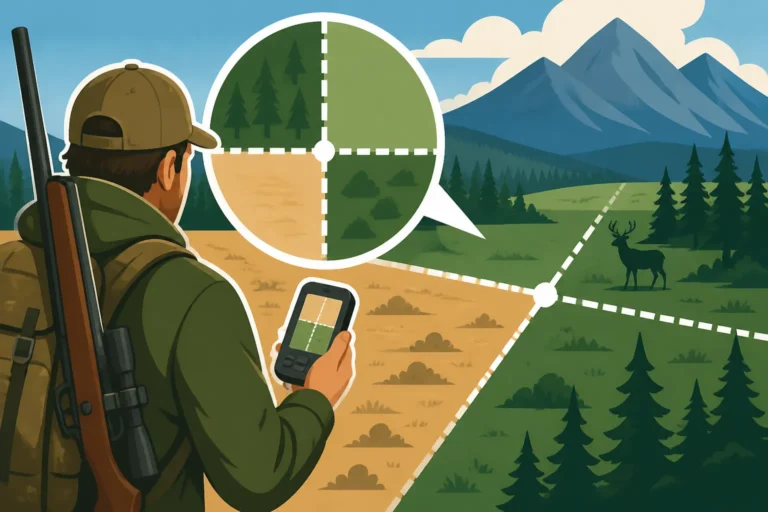
- onX Hunt: This app is a game-changer for Washington hunters. It shows land ownership layers (National Forest, DNR, BLM, Private, Tribal) in different colors, making it immediately clear where you can legally hunt and potentially camp. It also overlays topographical maps, satellite imagery, and often shows Forest Service and DNR road numbers, including those all-important Green Dot designations. You can pinpoint potential flat areas, old logging landings, or secluded pull-offs. I rely heavily on onX Hunt to scope out potential camp spots during my E-Scouting a Washington GMU From Home efforts. Before I even leave the house, I'm marking possible camping areas, checking their proximity to water and roads, and verifying land ownership.
- GoHunt: While often geared towards Western preference point states, GoHunt also provides valuable mapping tools that can help identify public land and terrain features. It's another excellent resource to cross-reference and get a different perspective on an area. Many hunters use GoHunt for its extensive data on draws and hunt strategies, but don't overlook its mapping capabilities for scouting camping locations.
- Key Features to Look For:
- Land Ownership: Crucial for legality.
- Topography: Identify flat spots, benches, saddles, or areas protected from wind.
- Satellite Imagery: Zoom in to see clearings, old roads, or areas of sparse timber that could make good campsites.
- Roads and Trails: Understand the road network and identify any Green Dot designations or closures. This helps you figure out access points and how far you might have to hike from a vehicle-accessible spot.
- Offline Maps: Crucial, as cell service is rare in Washington's backcountry. Make sure to Downloading Offline Maps for Washington for your entire hunting unit before you head out.
Using these apps allows you to virtually scout numerous potential camping spots from the comfort of your home, saving valuable time and fuel once you're in the field.
Old-School Maps and Recon
While digital maps are amazing, don't completely discount traditional methods.
- Physical Maps: Always carry a waterproof, paper map of your hunting unit. Batteries die, phones break. A good USGS topo map or Forest Service map is an essential backup for navigation and can sometimes highlight features not immediately obvious on digital versions.
- Driving Access Roads: There's no substitute for boots-on-the-ground (or tires-on-the-gravel) reconnaissance. Drive the open forest roads and logging spurs in your chosen unit. Look for existing pull-offs, established (but dispersed) campsites, or areas that just feel right. This is especially important for finding good spots if you're planning a short-duration hunt that relies on easy vehicle access. You might find a spot that looked only "okay" on a satellite image, but is perfect in person.
E-Scouting for Camping: Before You Go
E-scouting isn't just for locating game. It's incredibly effective for finding good camp spots, especially when paired with the right digital tools.
- Satellite Imagery Analysis: When looking at satellite imagery, seek out:
- Old Logging Landings: These are often flat, open, and on durable surfaces. They're usually found at the end of spur roads.
- Wide Pull-Offs: Look for areas where vehicles have clearly pulled off the main road, indicating a potential existing dispersed site.
- Natural Benches or Ridges: These can offer good views, airflow, and flat ground.
- Sparse Timber or Openings: Avoid setting up in dense, thick timber if possible, as it can feel claustrophobic and offer less airflow.
- Utilize Map Layers: Layers on apps like onX Hunt can show you potential water sources, south-facing slopes (which might be warmer in late season), or areas with good tree cover for wind protection.
- Mark Waypoints: Once you've identified potential spots during your e-scouting, mark them as waypoints on your GPS or mapping app. When you're in the field, you can easily navigate to these marked locations to check them out in person. This systematic approach reduces wasted time driving around blindly.
By combining thorough digital scouting with a bit of real-world recon, you'll be well-prepared to find comfortable, legal, and ideally, game-rich dispersed camping spots throughout Washington's diverse hunting landscapes.
Disclaimer
This article is for general informational purposes only and does not constitute professional advice. Laws, prices and regulations vary by location and change over time. Consult a qualified professional for guidance on your specific situation.