Shillapoo Wildlife Area Access
Hunting in Washington, especially around more populated areas, often comes with a unique set of challenges. One of the biggest headaches for hunters is figuring out where you can actually go, what permits you need, and how to navigate the intricate tapestry of public and private land. The Shillapoo Wildlife Area, nestled right near Vancouver, Washington, is a prime example of a hunting ground that, despite its potential, can leave even seasoned hunters scratching their heads about access. This guide aims to clear up some of that confusion, helping you understand the ins and outs of accessing and hunting Shillapoo, so you can spend less time guessing and more time enjoying your time afield.
Understanding Shillapoo Wildlife Area's Unique Access Challenges
The Shillapoo Wildlife Area isn't your typical vast, remote chunk of public land. It's an area defined by its proximity to a major metropolitan center and its specific ecological role. This creates a distinct set of access challenges that hunters need to be aware of.
The Urban-Wildland Interface and Its Impact
Imagine trying to find a quiet corner to hunt ducks or even a small deer, but you're constantly aware of suburban sprawl just beyond the tree line. That's the reality at Shillapoo. This wildlife area is situated in Clark County, right on the Columbia River, and directly adjacent to the city of Vancouver. This urban-wildland interface means that public access points can be limited, parking can be scarce, and there's often a checkerboard of private parcels mixed in with the public lands. It's frustrating, I know, to see green on a map and then realize half of it is private property you can't touch without permission. This close proximity to homes and businesses also means an increased likelihood of non-hunting public recreationists, adding another layer of consideration for hunter safety and etiquette.
Waterfowl-Centric Management and Seasonal Restrictions
Shillapoo Wildlife Area is primarily managed for waterfowl. That's its bread and butter. The wetlands, sloughs, and agricultural fields are intentionally developed and maintained to provide habitat for ducks, geese, and other migratory birds. While this is fantastic for waterfowlers, it means that access and hunting opportunities for other species, like deer or upland birds, might be secondary or restricted. During peak waterfowl seasons, certain areas may be closed entirely to general access or restricted to specific hunting methods or times of day to minimize disturbance to birds and ensure hunter safety. You might show up hoping to walk some fields for pheasant, only to find it's a "waterfowl only" day or the gates are locked due to seasonal closures. It requires diligent research to avoid a wasted trip.
Specific Entry Points and Parking Limitations
Because of its unique geography and management, Shillapoo doesn't have endless roads leading into it. Access is often concentrated around a few specific entry points, and these points often come with limited parking. We've all been there: driving around in the dark before legal shooting hours, trying to find an open gate or a designated parking spot, only to find the few available spaces already full. Many areas of Shillapoo are only accessible by walk-in, and even getting to those walk-in access points can be a puzzle. Some parking areas may require a specific pass, beyond just your hunting license. It's a common frustration that you just can't pull off the side of the road and walk in anywhere you please, especially when private property fences and "No Trespassing" signs line the perimeters of the wildlife area.
Navigating Access Rules and Regulations for Shillapoo
Understanding the "how-to" of gaining legal access to Shillapoo is critical. Washington's wildlife areas have their own set of rules, and Shillapoo is no exception. Missing a detail can mean a fine, or worse, losing access privileges.
Washington Discover Pass and Wildlife Area Parking Permits
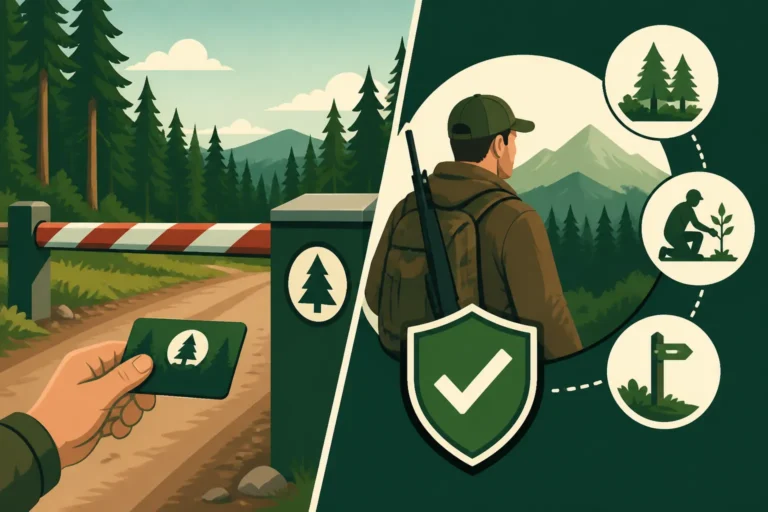
First things first, let's talk about permits. For most state-managed recreation lands in Washington, including many wildlife areas, you're going to need a Washington DNR Recreation Passes or a similar access pass. The most common is the Discover Pass. This pass typically covers vehicle access to state parks, recreation lands, and many WDFW wildlife areas. However, WDFW also has specific Washington Wildlife Area Parking Permits that are often included with your hunting license purchase, or you might need an additional WDFW Vehicle Access Pass. It can get a little confusing, so always double-check the current regulations specifically for the Shillapoo Wildlife Area. The general rule of thumb is to have both your Discover Pass visible and your WDFW Vehicle Access Pass (if required for that specific lot) displayed. Don't risk a ticket – these passes directly support the areas we love to hunt.
Seasonal Closures and Area Restrictions
As mentioned earlier, Shillapoo's primary focus on waterfowl means specific seasonal closures and area restrictions are common. It's not uncommon for certain units or sections to be closed during non-hunting seasons to provide undisturbed refuge for wildlife, or during specific times of the day during hunting season to allow birds to rest. For instance, some areas might be open for waterfowl hunting only on certain days of the week, or only until a certain time in the afternoon. Other areas might be permanently designated as non-hunting zones for safety or wildlife management reasons. This isn't just about hunter convenience; it's about managing wildlife populations and ensuring a sustainable resource. Always consult the current Washington Game Hunting Rules pamphlet – specifically the sections for wildlife areas and the Shillapoo entry – before heading out. Overlooking these details can lead to wasted time, or even accidentally hunting in a closed area, which nobody wants.
Understanding Hunting Rules within Shillapoo
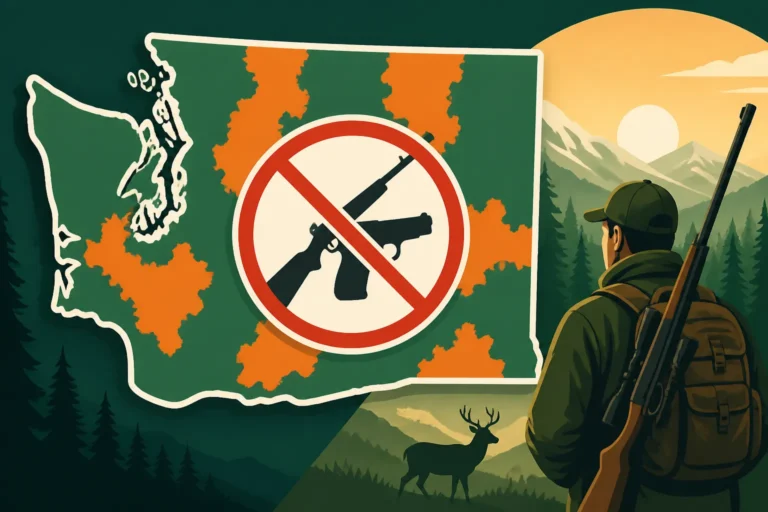
Beyond general access, the actual hunting rules within Shillapoo are crucial. Due to its proximity to an urban area, there are often specific regulations on what weapons you can use. You might find areas designated "shotgun only" or "archery only" to ensure public safety. For instance, high-powered rifles might be prohibited in certain sections near residential zones. Bag limits, shooting hours, and species-specific rules for waterfowl, upland birds, and deer (if permitted) will always apply. It’s also vital to remember that all Washington hunting regulations apply. For example, ensuring you have reported any previous harvests is a requirement statewide, and there are penalties for not doing so. Make sure you understand Washington Harvest Reporting Requirements and when Washington Harvest Report Deadline is. Don't forget, even for casual outings, Washington Hunter Education and Licensing is a prerequisite for all hunters, ensuring everyone in the field has a baseline understanding of safety and regulations.
Here's a quick overview of some access considerations for Shillapoo:
| Access Type | Requirement | Typical Availability | Notes |
|---|---|---|---|
| Vehicle Parking | Discover Pass/WDFW Pass | Limited spots, specific areas | Some lots might require WDFW specific pass |
| Walk-In Access | Valid hunting license | Year-round, but seasonal zones | Check for seasonal closures & time limits |
| Waterfowl Hunting | State/Federal Duck Stamp | Specific seasons & days | Primary management focus, detailed rules |
| Upland Bird Hunting | Small Game License | Limited areas, specific seasons | Secondary focus, consult regulations |
| Big Game (Deer) Hunting | Deer Tag | Very limited, specific permits | Check pamphlet for any special permits |
| Other Recreation | Discover Pass | Year-round, non-hunting areas | Kayaking, birdwatching, dog walking |
Practical Strategies for Planning Your Shillapoo Hunt
You've got the permits, you've read the regs – now how do you actually put a successful plan together for Shillapoo? It’s all about smart preparation.
Utilizing Digital Mapping Tools for Access Planning
In a place like Shillapoo, where public and private land can be confusingly intermingled, a reliable digital mapping tool is your best friend. I can't stress this enough: onX Hunt is practically essential. Imagine staring at a topographical map, seeing a promising slough or a brushy hedgerow, only to realize the thin line separating public from private land is invisible on the ground. That's where a tool like onX Hunt becomes your personal guide. It clearly overlays public and private property boundaries, often identifies landowners, and highlights land features that can be critical for navigation. You can identify designated parking areas, potential walk-in access points, and quickly see if that promising patch of cover is actually on property you can legally hunt. Before you even leave the house, you can E-Scouting a Washington GMU From Home, which is invaluable for areas like Shillapoo. While other tools like GoHunt offer fantastic resources for drawing odds and unit analysis, for navigating the ground and avoiding trespass, onX Hunt is particularly powerful for complex access scenarios. Don't rely on generic phone maps that won't show you these critical boundaries. Downloading Offline Maps for Washington for your chosen hunting area within Shillapoo is also a non-negotiable, as cell service can be spotty, even near urban centers.
Scouting and Pre-Season Reconnaissance
There's no substitute for boots on the ground, even with the best digital maps. If you can, visit Shillapoo before the season opens (making sure you respect any pre-season closures or access rules). This allows you to physically confirm access points, locate designated parking, and identify potential hunting spots. Look for signs of waterfowl activity, observe flight patterns, or find areas that might hold upland birds. Pay attention to how hunters are accessing the area during the season – often, fellow hunters are a great source of information, assuming you approach them respectfully. You can also get a feel for the terrain, the condition of trails, and what areas might be less pressured. Sometimes, the most frustrating part of a new area is just finding where to go, and pre-scouting eliminates that stress. It's a key part of Public Land Scouting in Washington Before Opening Day.
Respecting Boundaries and Minimizing Impact
When hunting in an area like Shillapoo, which sees heavy public use and borders private land, being an ethical and respectful hunter is paramount. This means meticulously respecting all posted signs, private property boundaries, and rules. Do not cross fences onto private land without explicit, written permission – even if it looks like prime habitat. This is especially true for property bordering the wildlife area, where "No Trespassing" signs are common. Always remember you are a representative of the hunting community. Being a good steward of the land means leaving no trace, packing out all your garbage, and picking up any litter you see. Park responsibly, don't block gates or driveways, and be considerate of other users, whether they are birdwatchers, hikers, or fellow hunters. Maintaining a positive image for hunters in high-visibility areas like Shillapoo is crucial for preserving our hunting opportunities for the future. You might even consider discussing Getting Written Permission on Private Land for some of the adjacent parcels if you identify promising spots.
Alternative and Nearby Opportunities
If Shillapoo proves to be too restrictive for your specific hunting goals, or if you simply want to explore other options, southwest Washington offers other places to consider.
Other WDFW Lands in Southwest Washington
Shillapoo is just one of many wildlife areas managed by WDFW. While its access challenges are unique, there are other WDFW properties in Southwest Washington that might offer different hunting experiences. Areas like the Cowlitz Wildlife Area or the Klickitat Wildlife Area, though further afield, might provide more extensive public access, different species opportunities, or less urban pressure. These areas might also have different Washington Green Dot Road Systems in place, offering vehicle access further into the backcountry. Each wildlife area has its own set of rules and access quirks, so it’s worth diving into the WDFW pamphlet and online resources to see what other options are available in your region.
Private Land Permission Strategies
Sometimes, the best access isn't found on public land, especially in areas with a mix of agriculture and timber. If you're looking for opportunities near Shillapoo but finding public access difficult, consider reaching out to private landowners. Many farmers or timberland owners are open to granting hunting permission, especially for waterfowl or deer, if you approach them respectfully, offer to help with chores, and demonstrate you are a responsible hunter. Always seek written permission and clarify exactly what you are allowed to hunt and where. This can open up some fantastic hunting that most public-land hunters never experience. Remember to always know the rules about Hunting Behind Timber Company Gates if you are looking at larger private timber holdings in the region, as many of these now require permits or have specific access periods.
Disclaimer
This article is for general informational purposes only and does not constitute professional advice. Laws, prices and regulations vary by location and change over time. Consult a qualified professional for guidance on your specific situation.