Coolers and Meat Transport Gear
There’s nothing worse than putting in all the hard work to harvest an animal in Washington, only to worry about the meat spoiling on the way home, especially during those unexpectedly warm early-season hunts. It’s a gut-wrenching feeling that can turn a triumphant moment into a stressful ordeal. This guide is all about equipping you with the knowledge and gear you need to confidently care for your hard-earned wild game, from the field right to your freezer.
The Critical Importance of Proper Meat Care in Washington
After all the planning, scouting, and the physical effort of a hunt, the last thing any hunter wants is to compromise the quality of their hard-earned meat. Here in Washington, where temperatures can swing dramatically from crisp, cool mornings to surprisingly warm afternoons, especially during early seasons, proper meat care isn't just a suggestion—it's absolutely essential. Ignoring these crucial steps can lead to spoilage, a poor eating experience, and frankly, a waste of a magnificent animal.
Battling Washington's Variable Climate
Washington's diverse geography means we encounter a wide range of climatic conditions during hunting seasons. You might be chasing elk in the high country of the Blue Mountains where mornings are frosty, but by midday, the sun is beating down, pushing temperatures into the 60s or even 70s. On the other side of the Cascades, a blacktail hunt in the thick timber might feel cool and damp, but even then, a poorly ventilated game bag or meat left out too long can quickly become a problem. The early archery season for elk, particularly in September, is notorious for warm weather that can make meat care a real race against the clock. This variability demands preparedness and a proactive approach to cooling.
It's not just the external temperature you're fighting. An animal's body heat, especially a large one like an elk, takes a significant amount of time to dissipate. Even if the air feels cool, the deep muscle tissue can retain heat for hours. This internal heat, combined with external warmth and poor air circulation, creates a perfect breeding ground for bacteria, leading to souring or spoilage. That's why getting the hide off and the meat broken down and cooled as quickly as possible is your first line of defense.
Preserving the Quality and Flavor of Your Harvest
Beyond preventing spoilage, meticulous meat care directly impacts the taste and tenderness of your wild game. Rapid cooling helps prevent bacterial growth that can cause off-flavors and mushy textures. It also allows the natural enzymes in the meat to begin the tenderizing process, often referred to as aging, which contributes to a more palatable meal down the line. We often dream of those succulent elk steaks or tender deer roasts, and achieving that starts right after the shot.
Think about it: you've invested time, money, and personal effort into this pursuit. The reward is not just the memory of the hunt, but the sustenance it provides for you and your family. Skimping on proper meat handling is akin to buying a gourmet cut of beef and then leaving it in the sun. It undermines all the good intentions and hard work. Ensuring your meat is pristine from the moment it leaves the animal until it hits your freezer is the ultimate respect for the animal and the hunting tradition.
Legal and Ethical Considerations for Game Meat
In Washington, as in many places, there are legal and ethical expectations surrounding game meat. WDFW regulations typically require hunters to salvage all edible portions of the animal. This isn't just about avoiding a citation; it's about deep-seated hunter ethics. Wasting game meat due to negligence in handling is widely considered unethical and reflects poorly on the hunting community as a whole. Every hunter has a responsibility to ensure their harvest is handled with care and respect.
Furthermore, proper meat care ensures that the wild game you bring home is safe for consumption. Health risks can arise from improperly handled meat, from common foodborne illnesses to more serious concerns. By taking the time to learn and implement best practices for field dressing, cooling, and transport, you're not only protecting your investment but also the health of those who will share in your bounty. It's a critical part of the entire hunting process that cannot be overlooked.
Understanding Your Cooler Options for Washington Hunts
When it comes to transporting your hard-earned meat, your cooler isn't just a box; it's a vital piece of gear that stands between fresh game and spoilage. Choosing the right cooler for your Washington hunting adventures can make all the difference, especially when you're dealing with varied temperatures and potentially long hauls home from remote areas. It's not a one-size-fits-all situation, and understanding the strengths and weaknesses of different types will help you make an informed choice.
Rotomolded Coolers: The Rugged Workhorses
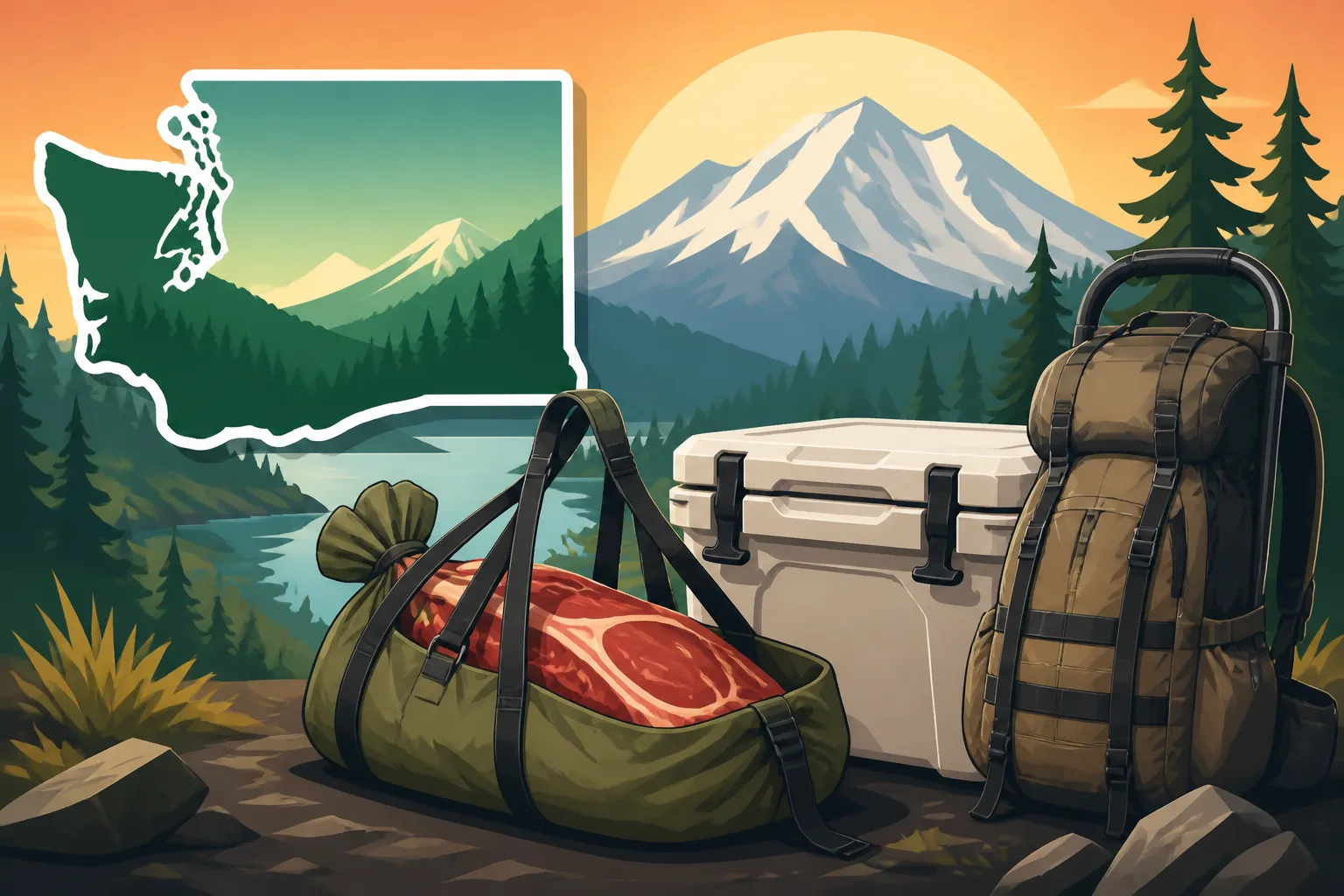
Rotomolded coolers, often referred to as "premium" or "high-performance" coolers, have become a staple for serious hunters and outdoor enthusiasts. Brands like YETI, RTIC, and Orca are well-known in this category. They are built using a rotational molding process, which results in a single, seamless piece of plastic for the cooler body and lid, making them incredibly durable and virtually indestructible. This construction, combined with thick, pressure-injected insulation, gives them superior ice retention capabilities, often keeping ice for several days, even in warmer conditions. Cooler Size for a Bull Elk touches on just how much capacity you might need.
The downside, of course, is their weight and cost. Rotomolded coolers are significantly heavier than traditional coolers and carry a higher price tag. However, for a multi-day hunt where you'll be quartering an animal and keeping it cool in the field before the long drive home, their performance is unmatched. Their robust design also makes them excellent for truck beds, resisting punctures and impacts from rough roads or other gear. For anyone planning extended backcountry trips or hunting large game like elk, investing in a good rotomolded cooler is almost non-negotiable for reliable meat transport.
Traditional Coolers and Their Place
While rotomolded coolers get a lot of attention, traditional coolers still have a role, especially for budget-conscious hunters or those focusing on smaller game or shorter trips. These are your classic Igloo or Coleman coolers, typically made from blow-molded plastic with a foam insulation core. They are much lighter and more affordable than their rotomolded counterparts, making them easy to toss in the back of a truck or ATV for a day hunt or to supplement a larger cooler setup.
The primary drawback is their ice retention. Traditional coolers generally hold ice for a shorter duration, often only a day or two in ideal conditions, and less in warm weather. Their thinner walls and less robust lid seals mean they're not as efficient at keeping the cold in. However, for smaller game like deer, or if you're hunting close to home and can quickly get your meat to a processing facility or a walk-in cooler, they can certainly get the job done. Many hunters will use several traditional coolers to pack out different cuts of meat or to keep their food and drinks separate from game meat.
Soft-Sided Coolers and Specialized Bags
For quick trips, specific cuts, or as an additional cooling option, soft-sided coolers and specialized insulated bags can be incredibly useful. These are much lighter and more flexible than hard-sided coolers, making them easy to carry into the field for smaller quartered game or boned-out cuts. They often feature good insulation, though generally not on par with rotomolded coolers, and are excellent for keeping lunch cool or packing a few smaller pieces of meat on a shorter walk.
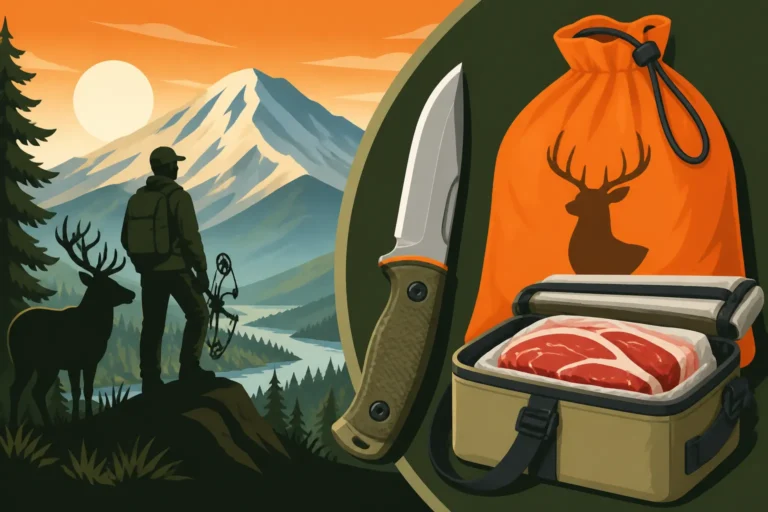
Specialized game bags, particularly insulated versions designed for boned-out meat, offer a unique solution for backpack hunters. They provide a protective, breathable layer that helps cool meat while allowing moisture to escape, preventing bacterial growth that can occur in sealed plastic bags. While not a true cooler for long-term storage, these bags are crucial for getting meat off the mountain efficiently and preserving its quality until it can be transferred to a larger cooler with ice. Brands like GoHunt often feature various soft-sided cooler and game bag options designed with the hunter in mind, perfect for those times when a rigid cooler isn't practical.
| Cooler Type | Pros | Cons | Best Use Case |
|---|---|---|---|
| Rotomolded Coolers | Superior ice retention, extreme durability | Heavy, expensive | Multi-day hunts, large game, long transport |
| Traditional Coolers | Lightweight, affordable, easy to handle | Limited ice retention, less durable | Day hunts, smaller game, short transport, secondary |
| Soft-Sided Coolers | Lightweight, flexible, portable | Moderate ice retention, less capacity | Boned-out cuts, short hauls, supplementary |
| Insulated Game Bags | Very lightweight, highly portable, breathable | Not a cooler, limited cold retention | Backcountry packing, immediate field cooling |
Field-to-Cooler Strategies: Getting Meat Cooled Fast
You've made the shot, and the animal is down. This is where the real race against the clock begins. How quickly and effectively you cool your meat in the field will dictate its quality on your dinner plate. Washington's varying temperatures demand a proactive approach, and understanding these strategies will make you a more successful and responsible hunter. This isn't just about tossing meat in a cooler; it's about a systematic process that prioritizes rapid heat removal. Getting a Carcass Cooled Fast is paramount.
The Gutless Method and Quartering in the Field
For larger game like elk or even bigger deer, the gutless method has become a game-changer, especially for backcountry hunters or those facing a long pack out. Instead of traditional gutting, which can be messy and challenging in steep terrain, the gutless method involves skinning and quartering the animal without opening the body cavity. This means less exposure to bacteria from the gut and often allows for a quicker breakdown of the animal into manageable pieces.
Once you've skinned and quartered the animal using the gutless method, you have individual pieces of meat—quarters, backstraps, tenderloins—that can cool down much faster than a whole carcass. This significantly increases the surface area exposed to the cooler air, allowing the heat to radiate away more efficiently. After breaking down the animal, it's crucial to get these quarters off the ground, ideally hanging them in a shaded, breezy spot if conditions allow, to promote air circulation. This initial field cooling is critical before even thinking about packing them into game bags and eventually a cooler. The Gutless Method on an Elk can save you a ton of time and effort, especially when solo.
Maximizing Cooling with Ice and Frozen Jugs
Once your meat is broken down, getting it into a cooler with ice is the next critical step. But it's not enough to just throw a few bags of ice on top. For optimal cooling, you want maximum contact between the meat and the cold source. Start by pre-chilling your coolers with ice a day or two before your hunt. This brings the cooler's internal temperature down, so it's not trying to cool itself and your meat simultaneously. When loading meat, aim for layers of ice and meat, ensuring that every surface of the meat has contact with ice.
Using frozen jugs of water instead of loose ice has a few advantages. First, they don't leak water all over your meat as they melt, which helps keep the meat dry and reduces bacterial growth. Second, the melted water can be used for drinking or cleaning, extending its utility. A combination of both can be effective: use frozen jugs for the initial contact and then fill gaps with loose ice. Remember that ice chests are designed to hold ice, not water. You will need to drain melted water regularly if you use loose ice, as stagnant water can promote bacterial growth. Cooler Size for a Bull Elk and Coolers Sized for a Washington Elk emphasize the need for ample capacity and sufficient ice.
The Role of Quality Game Bags
Game bags are far more than just glorified pillowcases; they are an integral part of field-to-cooler meat care. Their primary function is to protect your meat from dirt, flies, and other contaminants while allowing air to circulate. This breathability is key, as it enables the meat to cool down and form a protective "rind" on the surface, further inhibiting bacterial growth. Using cheap tarps or plastic bags is a common mistake; plastic traps heat and moisture, creating a perfect environment for spoilage.
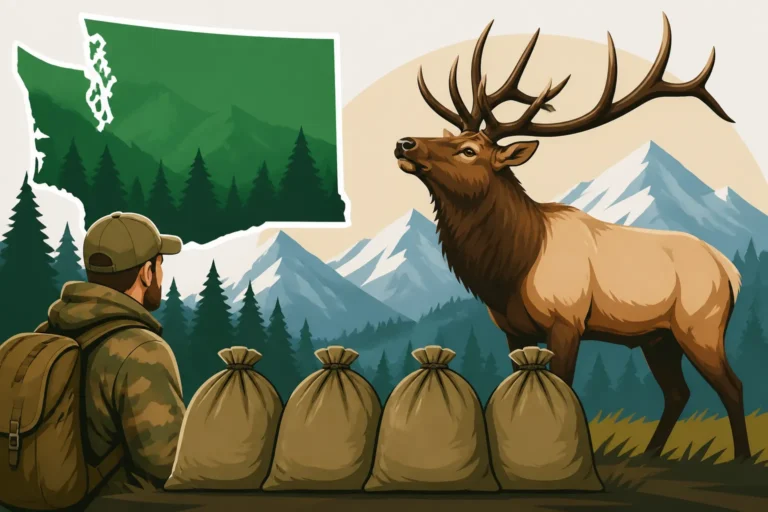
For Washington hunting, especially in the often-wet Western Washington timber, choosing breathable, sturdy game bags made from materials like synthetic cloth or cotton-poly blends is essential. They need to be durable enough to withstand being packed out over rough terrain and resistant to tears. When packing meat into game bags, avoid overstuffing them, as this can impede airflow. For an entire elk, you'll need several bags, usually one for each quarter, plus smaller bags for backstraps, tenderloins, and trim. Companies like Argali and Kuiu offer excellent game bags designed for rugged backcountry use. Game Bag Fabric and Fly Protection and How Many Game Bags an Elk Takes are good resources to consult for specifics.
Transporting Your Game Home: From Mountain to Kitchen
The field care is done, your meat is in the coolers, and now it’s time for the journey home. This leg of the trip can sometimes be as challenging as the hunt itself, especially after a long day or multiple days in the backcountry. Proper preparation for transporting your game from the Washington wilderness back to your kitchen or processor is essential to maintain all the hard work you’ve already invested. Don't let your guard down once the meat is packed!
Securing Your Load for the Drive
Whether you’re driving a short distance or crossing the state, securing your coolers in your vehicle is vital. Heavy coolers filled with ice and meat can shift dramatically with sudden stops, turns, or bumps on rough logging roads. This isn't just a safety hazard; it can damage your coolers or even compromise the meat inside if they jostle open. Use ratchet straps or heavy-duty bungee cords to firmly secure coolers in your truck bed or trailer. If you’re using a pickup, consider placing a tarp underneath and over your coolers to protect them from road grime, dust, and direct sunlight, which can quickly warm them up.
Remember to also plan for potential leaks. Even the best coolers can sometimes weep a little water as ice melts and you bounce down a bumpy forest road. A heavy-duty rubber mat or a thick tarp lining the truck bed can prevent melted ice water from mixing with other gear or dripping onto the road. Keeping the meat cool and dry within the cooler is paramount, but keeping the outside of the cooler, and your vehicle, clean adds another layer of preparedness.
Managing Long Drives and Overnights
Driving across Washington, say from the Blue Mountains back to the Puget Sound, can take many hours. For these longer hauls, proactive temperature management is key. If you're going to be on the road for more than 6-8 hours, or if you anticipate overnight stops, you need a strategy to keep your coolers functioning optimally. This might mean having extra ice on hand, especially if you're traveling through warmer regions. Check your ice levels regularly, and don't hesitate to add more if needed.
If an overnight stop is unavoidable, ensure your coolers are stored in a cool, secure location. An air-conditioned hotel room or a cold garage is ideal. Avoid leaving them exposed in a hot vehicle overnight. For really extended trips, or if temperatures are particularly warm, consider finding a local butcher shop or cold storage facility along your route that might offer temporary cold storage for a fee. Planning your route and understanding the weather forecast can help you make these decisions proactively. How Long Meat Keeps on the Drive can help you plan your travel strategy effectively.
Preparing for a Processor or Home Butchering
Before you even leave for your hunt, you should have a plan for what happens to your meat once you get home. Are you taking it to a professional wild game processor, or are you going to butcher and wrap it yourself? If you're using a processor, contact them beforehand to understand their drop-off procedures, hours, and any specific requirements they have for meat received. Some processors prefer meat to be in specific bags or have it fully boned out. Finding a Processor in Hunting Season highlights the importance of this pre-planning, as many processors get incredibly busy during peak hunting season.
If you're opting for home butchering, ensure you have all your supplies ready: a clean workspace, sharp knives, a meat grinder if you plan on making burger, vacuum sealer, and wrapping paper. Having a clear refrigerator or freezer space ready to receive the meat, either for aging or immediate freezing, is crucial. Remember, the goal is to get the meat into its final storage condition as quickly and hygienically as possible after arriving home. This final step is just as important as the initial field care.
Essential Gear Beyond the Cooler
While coolers are undeniably central to meat transport, they are far from the only piece of gear you’ll need to ensure your Washington game meat makes it home in prime condition. There’s a whole ecosystem of supporting items that play critical roles, from protecting the meat in the field to keeping your vehicle clean and organized for the journey. Thinking through these additional items can save you headaches, wasted effort, and potentially, wasted meat.
Game Bags: Not All Are Created Equal
We touched on game bags earlier, but it bears repeating: they are indispensable. Forget those cheap, flimsy cotton pillowcases that rip at the first sign of a sharp bone. For serious hunting in Washington, especially for larger animals like elk or substantial deer, you need robust, breathable game bags designed for the task. Synthetic materials like nylon or blends are often preferred because they are durable, reusable, and less likely to absorb moisture and bacteria. They offer superior protection against flies, dirt, and debris while allowing the meat to "breathe" and cool. Game Bag Fabric and Fly Protection details this further.
Look for bags with sturdy drawstrings or closures and perhaps even reflective elements for easier recovery in low light. Some advanced game bags are even treated with antimicrobial agents to further inhibit bacterial growth. Investing in a good set of game bags is a small cost compared to the value of the meat they protect. Whether you use them for the gutless method in the backcountry or simply for transferring quarters from the truck to the processor, they are a non-negotiable item for any responsible hunter.
Tarps, Straps, and Cleaning Supplies
A robust tarp is an incredibly versatile piece of gear for meat handling. In the field, it can serve as a clean workspace to skin and quarter your animal, keeping the meat off the dirt and debris. Back at the truck, it can protect your vehicle's interior or truck bed from blood and melting ice. Choose a heavy-duty, waterproof tarp that's easy to clean. Coupled with strong ratchet straps or tie-downs, you'll be able to secure your coolers and any other gear, preventing costly and dangerous shifting during transport.
Don't forget cleaning supplies. Even with the best precautions, blood and grime are part of hunting. A small kit with heavy-duty wipes, paper towels, and maybe even a spray bottle with a mild cleaning solution can make a huge difference in keeping your gear and vehicle hygienic. A dedicated knife sharpening tool is also crucial; a dull knife makes field dressing significantly harder and more dangerous. These seemingly small items collectively make the entire process smoother and more sanitary.
Emergency Cooling Solutions for the Unexpected
Sometimes, despite all your planning, the unexpected happens. A hunt might run longer, or you might hit unseasonably warm weather. Having some emergency cooling solutions can be a lifesaver. This could be as simple as carrying a few extra bags of ice in a separate, smaller cooler, or even a couple of large frozen water bottles you can deploy if your primary ice starts to diminish faster than expected. For backpack hunters, a lightweight emergency blanket or survival tarp can be draped over hung meat in a shady spot to provide extra insulation against direct sun if an immediate pack out isn't possible.
Another consideration, particularly in remote areas, is a basic first aid kit for yourself, and perhaps a small repair kit for your gear. While not directly meat-related, being able to address a minor cut or repair a torn game bag means you can continue focusing on the vital task of meat care. Preparedness for these minor contingencies ensures that your focus remains where it needs to be: on preserving your hard-earned game. For planning and packing, resources like GoHunt often have checklists or articles that detail essential gear beyond just the obvious, helping you think through every scenario.
Avoiding Common Pitfalls in Meat Transport
Even with the best intentions and the right gear, mistakes can happen. In the world of wild game meat care, a simple oversight can lead to disastrous consequences. Learning to recognize and avoid common pitfalls is just as important as knowing the best practices. Many hunters, even seasoned ones, have a story about a close call or a lesson learned the hard way. Let’s make sure those lessons are learned from others' experiences, not your own, especially when hunting in Washington's diverse and sometimes challenging environments.
The Dangers of Overpacking and Poor Airflow
One of the most frequent mistakes hunters make is trying to cram too much meat into a cooler. While it might seem efficient to pack every available space, overpacking severely hinders proper airflow around the meat. Meat cools by releasing heat, and if pieces are tightly compressed against each other without air circulation, that heat gets trapped. This leads to uneven cooling, and the inner portions of the meat may remain warm for too long, creating ideal conditions for bacterial growth and spoilage.
When loading your coolers, resist the urge to stack meat solid. Instead, create layers with ice. Ensure that there's space for air and melted ice water to circulate. This might mean using an additional cooler, but it's a small price to pay to save your entire harvest. Think of it like packing groceries – you wouldn't jam everything into one bag if it meant crushing delicate items; similarly, you shouldn't suffocate your hard-earned meat. The goal is contact with cold, and movement of air or cold water to remove heat, not just contact with other warm meat.
Why Draining Melted Ice is Crucial
"Leave the plug in and let the meat soak in the icy water," is a piece of advice that, unfortunately, still circulates among some hunters. This is a critical error. While cold water is effective at cooling meat, prolonged submersion in stagnant water, even cold water, can be detrimental. Water, especially bloody water, becomes a breeding ground for bacteria over time. Meat that sits in this contaminated liquid can absorb off-flavors and experience accelerated bacterial growth, potentially leading to spoilage.
The purpose of ice in a cooler is to cool the air and any items within, and the melted water carries away heat. Once the ice melts and the water accumulates, it needs to be drained and replaced with fresh ice. This keeps the meat clean, dry, and consistently cold. Regularly draining your coolers, especially on longer trips, is a non-negotiable step. If you're concerned about draining water on public land, consider using frozen water bottles or milk jugs as your primary cooling source, as they keep the water contained. Cooling Meat in a Pickup Bed often requires careful management of melting ice and drainage.
Underestimating Weather and Travel Time
Washington's weather can be notoriously unpredictable, and underestimating its impact on meat care is a common pitfall. A crisp 40-degree morning can quickly turn into a 65-degree afternoon, especially in eastern Washington’s open country or during early archery seasons. Direct sunlight, even on a seemingly cool day, can rapidly warm up an exposed carcass or cooler. Always assume conditions will be warmer than ideal and plan accordingly.
Similarly, underestimate travel time at your peril. A hunting trip often involves longer drives than anticipated, especially if you're navigating rough forest roads or hitting unexpected traffic. Factor in potential delays when calculating how long your ice will last. Planning for a worst-case scenario—longer travel times, warmer temperatures—will ensure you have enough ice and proper cooling strategies to keep your meat pristine. This might mean bringing an extra bag of ice, or planning for a stop to replenish it. By thinking ahead and preparing for the challenges, you significantly increase your chances of bringing home high-quality, delicious wild game.
Disclaimer
This article is for general informational purposes only and does not constitute professional advice. Laws, prices and regulations vary by location and change over time. Consult a qualified professional for guidance on your specific situation.