Packing Meat Out After Dark
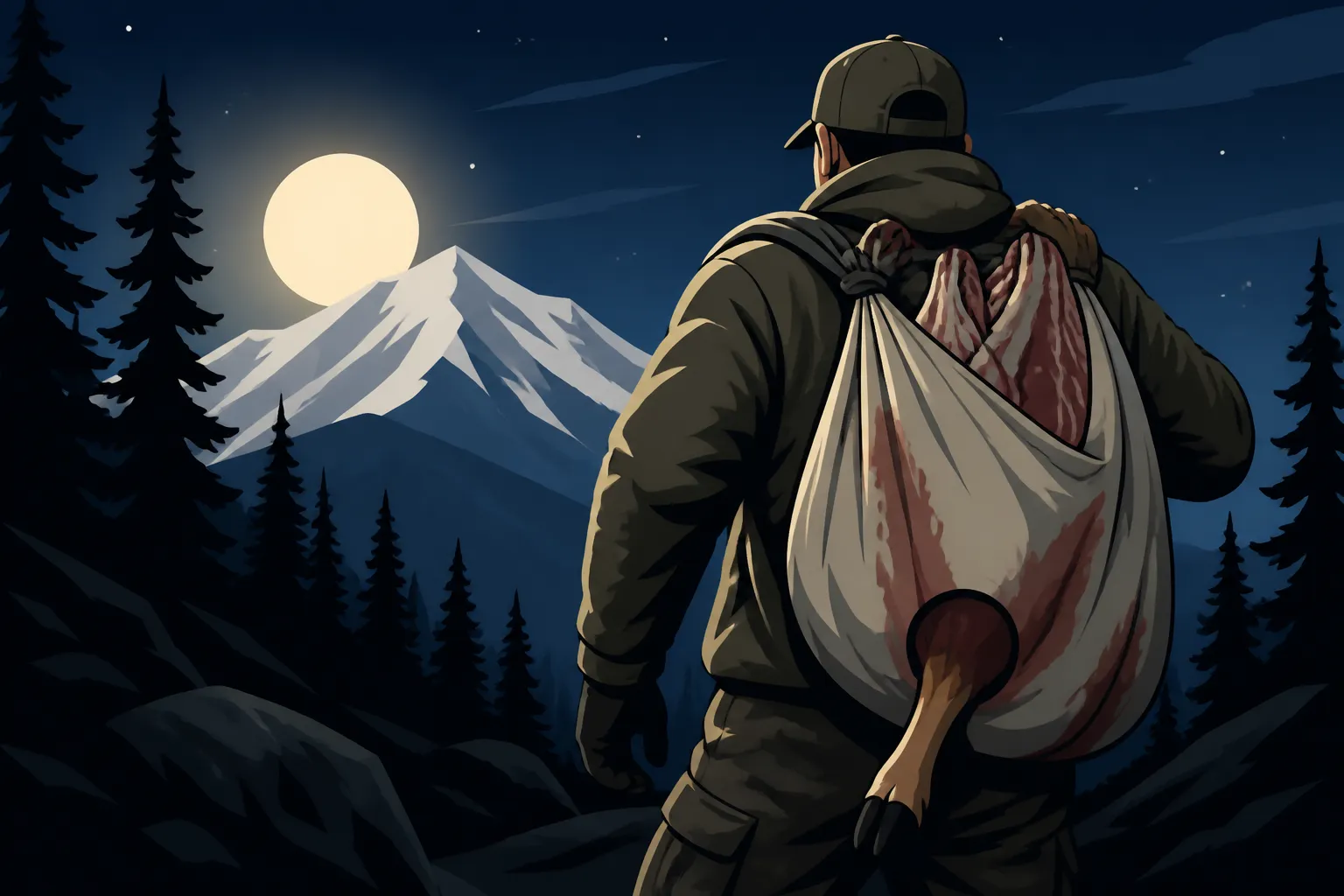
It's a scenario every Washington hunter dreads but most eventually face: that moment when you drop an animal, and the light is fading faster than your optimism. Whether it's a deer in thick Western Washington timber or an elk in the vast, broken country of the Eastside, the reality of Packing Meat Out After Dark is often unexpected and always challenging. This guide is here to walk you through the essential preparations, safety protocols, and practical strategies to ensure you get your hard-earned meat off the mountain safely and efficiently when the sun dips below the horizon.
The Unplanned Night Shift: Why It Happens to the Best of Us
Let's be honest, no one plans to pack an animal out in the dark. We all envision that perfect scenario: animal down, sun high, easy trail to the truck. But reality often has other plans. Maybe you tracked a bull for hours longer than anticipated, or that blacktail buck took one last dash into a particularly nasty patch of devil's club right before dusk. Perhaps you got the shot you wanted at the absolute last legal shooting light. Whatever the reason, finding yourself in the backcountry with a downed animal and only the fading glow of twilight can be incredibly daunting, and it's a common experience for Washington hunters.
The Realities of Last Light Success
When that moment of success arrives just as the day is ending, the adrenaline is pumping, and the celebration is brief before the heavy realization sets in: you've got a lot of work ahead of you, and not much time. The clock starts ticking the moment the animal hits the ground, not just for field dressing, but for meat care and extraction. The fading light exacerbates every challenge. What seemed like a manageable quarter-mile walk back to the road suddenly feels like a dangerous expedition through unfamiliar territory. The thick understory that was just a nuisance in daylight becomes a treacherous obstacle course under the cloak of night.
The primary concern, beyond sheer exhaustion, is meat spoilage, especially during Washington's warmer early seasons. Even if the night air is cool, getting that animal field-dressed and cooled quickly is paramount. This often means working faster and under more stress than you'd prefer, all while battling diminishing visibility.
Safety First: Assessing the Situation
Before you even think about lifting a knife, take a breath. Seriously, stop for a minute. The first and most critical step is to quickly and thoroughly assess the situation. Is the animal truly down and expired? Approaching a wounded animal in the dark is incredibly dangerous. Once confirmed, mark the location unmistakably. Drop a reflective ribbon, turn on a GPS waypoint, or even hang a bright piece of clothing on a nearby branch. You'd be amazed how disorienting the dark can be, turning a familiar spot into an alien landscape.
Next, check your own condition. Are you alone? Tired? Hydrated? Do you have enough light, and working spares? This quick self-assessment can prevent mistakes down the line. If you're with a partner, communicate clearly about the plan. Decide who's doing what. Having a clear head and a solid plan, even a rapidly formed one, is crucial for a safe and effective dark pack-out. This is where tools like GoHunt's mapping features can be a lifesaver, allowing you to quickly mark your location, plan routes, and even see terrain features that might be hidden by darkness.
Essential Gear for Navigating the Night
You wouldn't head into the backcountry without your rifle, bow, or muzzleloader, right? Well, approaching a night pack-out unprepared is just as foolish. Having the right gear, and knowing how to use it, can be the difference between a successful, albeit grueling, experience and a dangerous ordeal.
Lighting the Way: Headlamps and Spares
This might seem obvious, but it bears repeating: multiple reliable light sources are non-negotiable. A high-quality headlamp is your primary tool. Look for one with a strong beam, long battery life, and multiple settings (including a red light mode to preserve night vision). But don't stop there. Always carry a secondary light source, like a small, powerful handheld flashlight, and at least one spare set of batteries for all your lights. Nothing grinds a dark pack-out to a halt faster than a dead headlamp in the middle of a steep, brushy incline.
When you're trying to perform delicate tasks like Field Dressing in Warm Early-Season Weather or carefully making your way over uneven ground, you need hands-free illumination. Ensure your headlamp is comfortable and won't slip, even when you're sweating or wearing a hat. I've been there, fumbling with a flimsy headlamp while trying to quarter an elk, and it's a quick recipe for frustration and potential injury.
Navigation and Communication: Staying Found and Connected
In the darkness, familiar landmarks vanish. A GPS device or a smartphone with a reliable hunting app like GoHunt, loaded with offline maps, becomes your best friend. Mark your vehicle, your kill site, and any natural obstacles or potential trails. Knowing Where Washington's Ten Elk Herds Are is one thing, but knowing exactly where you are within that habitat after dark is another. These tools are invaluable for plotting a safe course, especially if you're navigating complex terrain or trying to avoid private property boundaries. Remember to keep your phone charged, perhaps with a portable power bank, as cold temperatures and constant screen use can drain batteries quickly.
| Gear Item | Primary Use | Night-Specific Tip |
|---|---|---|
| Headlamp | Hands-free illumination | High lumens, long battery, red light mode, spare batteries |
| Backup Flashlight | Secondary light, focused beam | Robust, waterproof, easy to access |
| GPS/Phone with App | Navigation, marking waypoints | Offline maps, fully charged, power bank |
| Satellite Messenger | Emergency communication, check-ins | Crucial for solo hunts or remote areas |
| Game Bags | Protect meat from dirt and insects | Lightweight, breathable, carry extras |
| Sharp Knife/Saw | Field dressing, quartering | Keep sharp, small saw for bone separation |
| First Aid Kit | Addressing minor injuries | Include blister treatment, pain relievers, bandages |
| Water/Snacks | Stay hydrated and fueled | Easy-to-eat energy bars, water purification |
Communication is another critical layer of safety. While cell service can be spotty in many Washington hunting units, carrying a Satellite Messengers for Solo Washington Hunts or a two-way radio (if hunting with partners in range) is a smart move. Let someone back home know your general location and your plan, including the possibility of a late return. Checking in regularly, even if it's just a quick text through a satellite messenger, provides peace of mind for you and your loved ones.
Meat Care and Packing: The Right Tools for the Job
Your knife, or knives, must be razor sharp. You'll be doing a lot of cutting, and a dull blade is a dangerous one, especially in the dark. Consider carrying a replaceable blade knife for efficiency. As for game bags, they are absolutely essential. Don't skimp on quality here. Good game bags, like those from Stone Glacier or KUIU, protect your meat from dirt, insects, and debris while allowing it to cool. Carry enough for all your quarters and any extra trim.
A sturdy backpack, preferably a frame pack designed to handle heavy, awkward loads, is paramount. You'll be performing the challenging task of Quartering and Packing an Elk Solo or a deer, and proper support for your back and shoulders is vital. Even if you don't plan to use the gutless method, understanding it can be a quick alternative in a pinch. Consider how you'll manage Pack Weight One Hunter Can Carry – sometimes, multiple trips are safer and more effective than trying to haul out too much at once, risking injury or damaging the meat.
Strategies for a Safe and Efficient Dark Pack-Out
Okay, you've got your gear, you've assessed the situation. Now it's time to execute. This is where smart decisions and a methodical approach really pay off. Rushing or cutting corners in the dark can lead to injuries, lost meat, or getting completely turned around.
Establishing a Secure Worksite and Field Dressing
The moment you find your animal, create a small, illuminated workspace. Use your headlamp and perhaps another light source positioned to reduce shadows. Clear away any sharp sticks or rocks from around the animal. If you're working on a slope, try to position the animal so it's stable and won't roll.
When it comes to field dressing or quartering, maintain a slow, deliberate pace. Visibility is low, and fatigue will set in. Be extra cautious with your knife. The general principles of field dressing remain the same, but you'll need to rely more on touch and feel. Ensure you open the cavity wide to promote cooling, especially if the air is still warm. For larger animals like elk, the gutless method, while challenging the first few times, can be incredibly efficient in the dark, as it minimizes turning the animal and exposes less surface area to dirt.
Navigating the Trail: Slow and Steady Wins the Race
Once the meat is bagged and loaded, the real grunt work begins: the pack-out. This is not the time to hurry. Every step needs to be deliberate, especially when descending steep terrain or traversing slippery, muddy trails common in Western Washington. If you're moving heavy loads, consider using trekking poles, even if you don't typically. They offer extra stability and can prevent falls.
Pay close attention to your footing. Use your headlamp to scan the ground directly in front of you, looking for roots, loose rocks, or holes. If you have to climb over blowdown or through thick brush, take it slow. Mark your path with reflective tape or cairns if you're concerned about finding your way back for subsequent trips. On an unfamiliar route, constantly check your GPS to confirm you're on track. Tools from GoHunt can help you plot a safe course even before you start the pack-out, by showing terrain features, contours, and possible game trails.
Safety Protocols: Solo vs. Group
Solo Hunter:
If you're hunting alone, the stakes are higher. This is where your First Aid Kit for a Remote Hunt becomes even more crucial. Ensure it's easily accessible. Before you even head out on a solo mission, tell someone exactly where you're going and when you expect to return. Give them a "trigger time" – a point where if they haven't heard from you, they should initiate contact or call for help.
When packing alone, don't overload your pack. It's better to make multiple, manageable trips than one heroic, dangerous one. You don't want to risk injury far from help, especially when the wilderness is known for its unforgiving nature, increasing your Hypothermia Risk on a Wet Hunt. Stay hydrated, take regular breaks, and listen to your body.
Group Hunt:
Hunting with a partner or group provides significant safety advantages. Designate a lead packer and a rear packer. The lead can focus on navigation and clearing obstacles, while the rear can ensure no gear is dropped and keep an eye on everyone's condition. Use clear verbal communication, especially when navigating tricky spots. If you're using two-way radios, keep them on a consistent channel. Help each other load packs, and don't hesitate to take turns with the heavier quarters. Group morale can also be a huge factor; keep spirits up, even when exhausted.
Protecting Your Hard-Earned Meat
Once you've made the heroic effort of packing meat out after dark, the job isn't quite over. As soon as you get back to your vehicle, the priority shifts to cooling and securing the meat. Even if it's a chilly night, heat can still be trapped, especially in larger quarters.
Spread the game bags out on a tarp, in the bed of a pickup, or hanging in a cool, shaded spot if available. Don't just stack them in a pile, as this traps heat. If you're driving a long distance, consider a cooler, but ensure the meat has cooled sufficiently before putting it in to avoid insulating the heat. For tips on how to prepare your harvest for the journey home, you might want to look at our guide on Cooling Meat in a Pickup Bed. If you've got a long drive ahead and need to keep things cool, having a plan for Cooler Size for a Bull Elk can save you a lot of grief. The goal is to get that precious protein off the mountain and ready for the dinner table.
Disclaimer
The information provided in this guide is for general informational purposes only and does not constitute professional advice. Hunting in Washington's backcountry carries inherent risks. Always prioritize safety, understand and follow all Washington Department of Fish and Wildlife (WDFW) regulations, and be prepared for rapidly changing conditions. Always inform someone of your hunting plans and expected return.