Blacktail Rut Timing in Western Washington
Many hunters in Western Washington experience a real head-scratcher when trying to pin down the elusive blacktail rut. It often feels like you're playing a game of hide-and-seek with Mother Nature, where the prize is a big buck, and the clues are maddeningly subtle. Unlike the more definitive and widely publicized rut periods for other big game, the Columbian blacktail buck seems to operate on its own schedule, making it incredibly frustrating to plan your precious hunting days. This comprehensive guide aims to peel back the layers of mystery surrounding blacktail rut timing in Western Washington, giving you the insights and strategies you need to be in the right place at the right time.
Understanding the Blacktail Rut Cycle
The blacktail rut, like any deer rut, is a biological imperative driven by daylight length (photoperiod) and influenced by local environmental conditions. However, Western Washington's unique climate and terrain add a layer of complexity that can make precise prediction feel like a dark art. Forget the calendar dates you might associate with whitetail or mule deer ruts; blacktails have their own rhythm, and it’s one that often leaves hunters guessing.
The General Window: When it Usually Happens
While there's no single "rut day" for blacktails, we can generally identify a window of increased activity. In Western Washington, the blacktail rut typically kicks into gear in mid-November, often peaking around the third week and extending into early December. This is a general guideline, though, and it’s critical to remember that localized variations can shift this window by a week or even more. Some hunters report seeing initial signs of chasing and buck activity in late October, especially in areas where does come into estrus earlier. This "pre-rut" phase can be a fantastic time to hunt, as bucks are actively seeking does but not yet locked down with them, making them more susceptible to calling and still-hunting.
As November progresses, the intensity builds, and by the middle of the month, you should be seeing clear signs of bucks actively pursuing does. The tail end of the season, often the first week of December, can still offer opportunities, especially for older, more cunning bucks who might have been biding their time or for does that came into estrus later in the cycle. The critical takeaway here is that "mid-November" isn't a hard rule, but rather the most likely period for peak activity. Always be ready a bit earlier and willing to hunt a bit later than this traditional peak.
Factors Influencing Rut Timing
Several factors beyond the decreasing daylight hours play a significant role in influencing the blacktail rut. Genetics, nutrition, and local weather patterns can all conspire to make the rut early, late, or more intense. For instance, a mild, wet fall that provides abundant forage might lead to does entering estrus in better body condition, potentially synchronizing the rut more tightly. Conversely, a harsh, dry summer followed by a sudden cold snap could delay things or spread out the breeding over a longer period.
The age structure of the buck population in a given area can also have an impact. In units with a healthy number of mature bucks, the rut often appears more pronounced, with dominant bucks doing most of the breeding and aggressively defending their territory. In areas with fewer mature bucks, younger bucks might play a more significant role, leading to more sporadic and less intense chasing. Keeping an eye on your local Game Management Unit (GMU) reports and discussions, perhaps on platforms like GoHunt which sometimes offer insights into herd health and hunter reports, can provide valuable clues about these localized influences. Understanding these variables means being adaptable rather than sticking rigidly to a calendar date.
Key Indicators of Peak Rut Activity
Since the blacktail rut isn't a perfectly predictable event, you need to be a detective, constantly looking for clues that tell you the activity is heating up. These indicators are your best friends in figuring out if the bucks are starting to get serious. It’s about more than just looking at a calendar; it’s about reading the landscape and the deer themselves.
Scrapes, Rubs, and Sign
One of the most undeniable signs that bucks are getting fired up is the appearance of fresh scrapes and rubs. A scrape is an area where a buck clears leaves and debris with his front hooves, often urinating in the depression and leaving scent from his tarsal glands. Above the scrape, he’ll typically lick and scent a low-hanging branch (the "licking branch"), depositing scent from his preorbital glands. These are essentially calling cards for does and other bucks, announcing his presence and readiness to breed. You'll often find them on deer trails, at the edges of clearings, or near bedding areas. Finding a fresh, pawed-up scrape with a clearly licked branch above it is like finding a giant neon sign screaming "rut is on!"
Rubs are trees or saplings that bucks have scraped with their antlers, often stripping bark and leaving scent from their forehead glands. While bucks rub year-round to relieve itch or mark territory, an increase in fresh, heavily rubbed trees, especially those with larger diameter, indicates rising aggression and competition among bucks. Focus on rubs that are still oozing sap or have fresh wood exposed, indicating recent activity. Observing these signs is crucial for understanding where bucks are active and when. When you find multiple fresh scrapes and rubs in an area, you know the bucks are thinking about one thing only, and that's when you want to be there.
Observing Deer Behavior
Beyond physical sign on the ground, paying close attention to the deer themselves is paramount. During the early pre-rut, you might start seeing bucks sparring playfully, testing their dominance, and becoming more visible in daylight as they cruise for does. Does, on the other hand, might appear nervous or edgy, occasionally looking over their shoulders, as if expecting to be pursued. They might also begin to tolerate bucks more, rather than immediately running them off.
As the rut progresses to its peak, you'll see more direct chasing. Bucks will be hot on the heels of does, sometimes running them for considerable distances. This is when bucks often drop their guard, becoming less cautious and more focused on the does. You might see smaller bucks trying to sneak in to breed a doe while the dominant buck is distracted or resting. This intense chasing behavior is the ultimate confirmation that the rut is in full swing. This is also the time when bucks are most susceptible to Rattling and Grunting for Blacktails, as their natural instincts override some of their usual wariness. Remember, a buck caught up in the rut is a buck that is vulnerable.
Weather's Role in Rut Intensity
Western Washington's notorious weather can play a huge part in how visible and intense the rut feels. A sudden drop in temperature, especially after a period of mild weather, can often kickstart rut activity. Colder weather makes deer more active in general, and bucks will be out searching more aggressively. Conversely, unseasonably warm spells can suppress daylight activity, making the rut seem less pronounced even if does are coming into estrus. Bucks might become more nocturnal during warm periods, saving their energy for the cooler hours of darkness.
Rain, a constant companion in Western Washington, also has its impact. Light, steady rain can sometimes increase deer movement, making them less wary as their scent cone is dispersed, and the sound of your approach is muffled. Heavy, driving rain, however, usually sends deer (and hunters) to cover. Pay close attention to the forecast: a cold snap after a warm spell, or a break in heavy rains, can be the perfect time to be in the woods. Learning to hunt effectively in conditions like Hunting Blacktails in Fog and Rain will greatly increase your success during the rut.
Hunting Strategies During the Blacktail Rut
Knowing when the rut is happening is only half the battle; knowing how to hunt it is the other. Your approach needs to adapt as the rut progresses through its various stages. What works in the pre-rut might not be effective during the peak, and vice-versa. Being flexible and observing deer behavior in real-time is key.
Pre-Rut Tactics
The pre-rut, usually late October into early November, is a fantastic time to target older, larger bucks before they become completely locked down with does. During this phase, bucks are feeling the urge, beginning to scent-mark heavily with scrapes and rubs, and actively cruising for the first does to come into estrus. They are also still relatively focused on feeding and establishing dominance hierarchies. This is a great time for traditional still-hunting or spot-and-stalk tactics, especially in areas with good forage and bedding cover. Focus on pinch points, saddles, and transition zones between bedding and feeding areas. Bucks will be traveling more, covering ground in search of receptive does.
Consider setting up near fresh sign, like newly worked scrapes, especially those located along travel corridors. This is a phase where calling can start to be effective, particularly soft grunts or light rattling to simulate bucks sparring. Bucks are still curious and looking for competition or potential mates. E-scouting platforms like GoHunt can be invaluable here, helping you identify these terrain features and potential travel routes before you even set foot in the woods. By understanding Reading Clearcuts and Reprod for Blacktail Bucks, you can identify key areas where deer are likely to be moving in search of food and mates.
Peak Rut Approaches
When the rut hits its stride in mid-November, the game changes dramatically. Bucks become almost single-minded, often throwing caution to the wind in their pursuit of does. This is the period of intense chasing and breeding. While bucks can be found anywhere a receptive doe is, they often stick to thicker cover where they can corral does, like dense reprod, clearcut edges, or heavy timber. This is not the time for passive hunting; you need to be aggressive and cover ground.
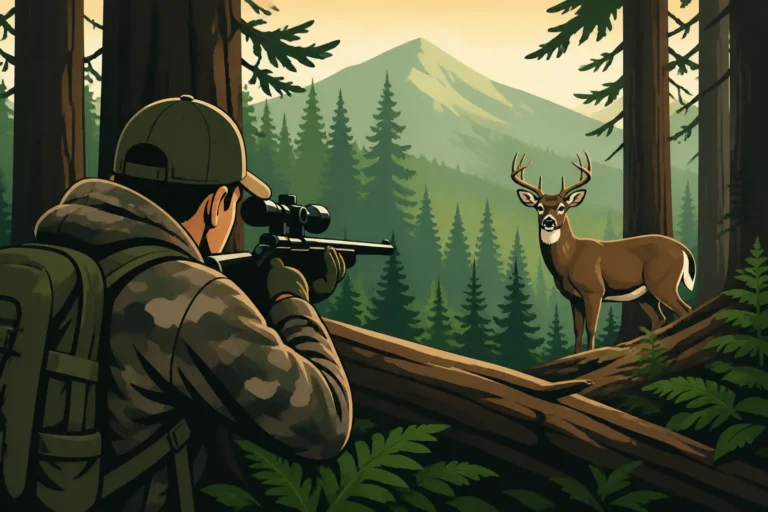
Still-hunting becomes incredibly effective during the peak rut. Moving slowly and deliberately through areas of dense cover where does might be hiding or bucks might be cruising is a prime tactic. Think about areas with good visibility within the thick stuff, like old logging roads or sparse clearings in heavy timber. Focus on moving into the wind and using your eyes and ears to spot movement. If you hear crashing or grunting, sneak in carefully. For hunters in the thick Westside timber, mastering Still-Hunting Blacktails in Wet Washington Brush is almost a prerequisite for success. This also means you need to be prepared for How Close You Get in Coastal Reprod to these rutting bucks, as shots can be up close and personal.
Post-Rut Challenges
As December rolls in and the primary breeding winds down, the rut begins to fade. Does are mostly bred, and the bucks, exhausted from weeks of chasing, become much more difficult to locate. They will often seek out secure bedding areas to recover and replenish their energy reserves. They become much more wary again, reverting to their cautious, often nocturnal patterns. This doesn't mean the season is over, though. Some does may come into estrus later, leading to secondary rut activity, especially if there was an imbalance in buck-to-doe ratios or younger does weren't bred during the initial peak.
During this post-rut period, focus on dense bedding cover near good food sources, as bucks will need to feed heavily to regain lost weight. Look for south-facing slopes that get more sunlight and offer some warmth, or thick reprod stands where they can feel secure. Hunting becomes more about tracking and patient observation. While the wild chases of the peak rut might be over, a savvy hunter can still find success by understanding the post-rut behavior and focusing on areas that provide rest, security, and nourishment for tired bucks. Understanding Where Blacktails Bed in Reprod can be crucial for locating these post-rut deer.
Regional Variations and Local Factors
Western Washington is a diverse landscape, and what holds true for blacktails in the Willapa Hills might be subtly different from those roaming the foothills of the Cascades or the Olympic Peninsula. Recognizing these regional nuances can be the difference between a successful hunt and a frustrating one.
Coastal Rainforests vs. Foothills
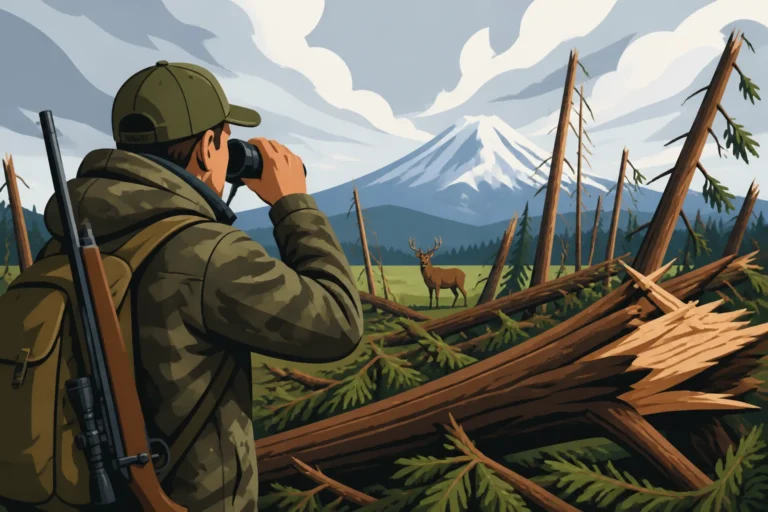
The coastal rainforests of areas like the Olympic Peninsula and the Willapa Hills often present a unique challenge. With abundant rainfall and lush vegetation, deer densities can be high, but visibility is often extremely limited. The rut here might feel less pronounced in terms of wide-open chasing, as bucks and does can disappear into the dense undergrowth almost instantly. However, the sheer density of deer means you're more likely to stumble upon activity if you're patient and move slowly. The general rut timing remains consistent, but the manifestation of it can be more subtle. In these areas, focus on listening for sounds of chasing or grunting, and moving quietly through the thick stuff. You might find bucks using creek bottoms or old logging roads as travel corridors, especially when searching for does.
Conversely, in the more open foothills and timberlands further inland, such as around the Gifford Pinchot National Forest or the Capitol State Forest, visibility can be slightly better, and the terrain might lend itself more to covering ground and glassing small clearings. Here, you might observe more visible chasing and sparring. In these regions, a platform like GoHunt can help you identify specific terrain features and recent burn areas that might concentrate deer activity during the rut. The core principles of rut hunting still apply, but the specific tactics might need to be adjusted to the density of the cover and the typical travel patterns of the deer in that particular habitat.
High-Pressure Areas and Nocturnal Bucks
Hunter pressure is an undeniable factor that can shift deer behavior, especially during the rut. In popular GMUs or readily accessible public lands, heavy hunter presence can push bucks into becoming more nocturnal, even during the peak of the rut. This doesn't mean the rut isn't happening; it just means bucks are conducting most of their business under the cover of darkness. This can be incredibly frustrating for hunters who can't spend extended periods in the woods or who rely solely on daylight activity.
To combat this, you need to think smarter. Focus your efforts on those magical low-light hours – first light and last light. Get into your hunting area well before dawn and stay until true dark. Also, consider targeting more remote, difficult-to-access areas where pressure is lower. This might mean a longer hike in, or utilizing a Backcountry Camps in Washington Wilderness setup, but it can pay dividends with less pressured, more visible bucks. Even in high-pressure areas, bucks will make mistakes during the rut, especially if a hot doe pulls them into daylight. Patience, persistence, and an understanding of how pressure affects deer movement are paramount in these situations.
Rut Timing in Western Washington: A Quick Guide
| Rut Phase | Approximate Timing (Western WA) | Buck Behavior | Doe Behavior | Hunting Tactics |
|---|---|---|---|---|
| Pre-Rut | Late October – Early November | Increasing rubs/scrapes, sparring, cruising, feeding | Less tolerant of bucks, still in family groups | Still-hunting, focus on food/bedding transitions, light calling/rattling |
| Peak Rut | Mid-November – Early December | Aggressive chasing, breeding, less cautious, less feeding | Actively pursued, receptive, eventually bred | Aggressive still-hunting through thick cover, calling, sitting near hot sign |
| Post-Rut | Early – Mid-December | Exhausted, seeking security & food, wary, nocturnal | Mostly bred, resuming normal feeding patterns | Focus on dense bedding near food, low-light hunting, tracking |
This table provides a generalized overview. Remember to always adjust your tactics based on real-time observations in your specific hunting area.
Disclaimer
Hunting is an inherently dangerous activity. Always prioritize safety, adhere to all Washington Department of Fish and Wildlife (WDFW) regulations, and ensure you have the necessary licenses and permits. The information provided in this guide is for educational purposes and should not replace proper training, local knowledge, or professional guidance. Rules and seasons can change, so always consult the most current WDFW regulations pamphlet before heading into the field.