Muzzleloader Loading and Ignition in Rain
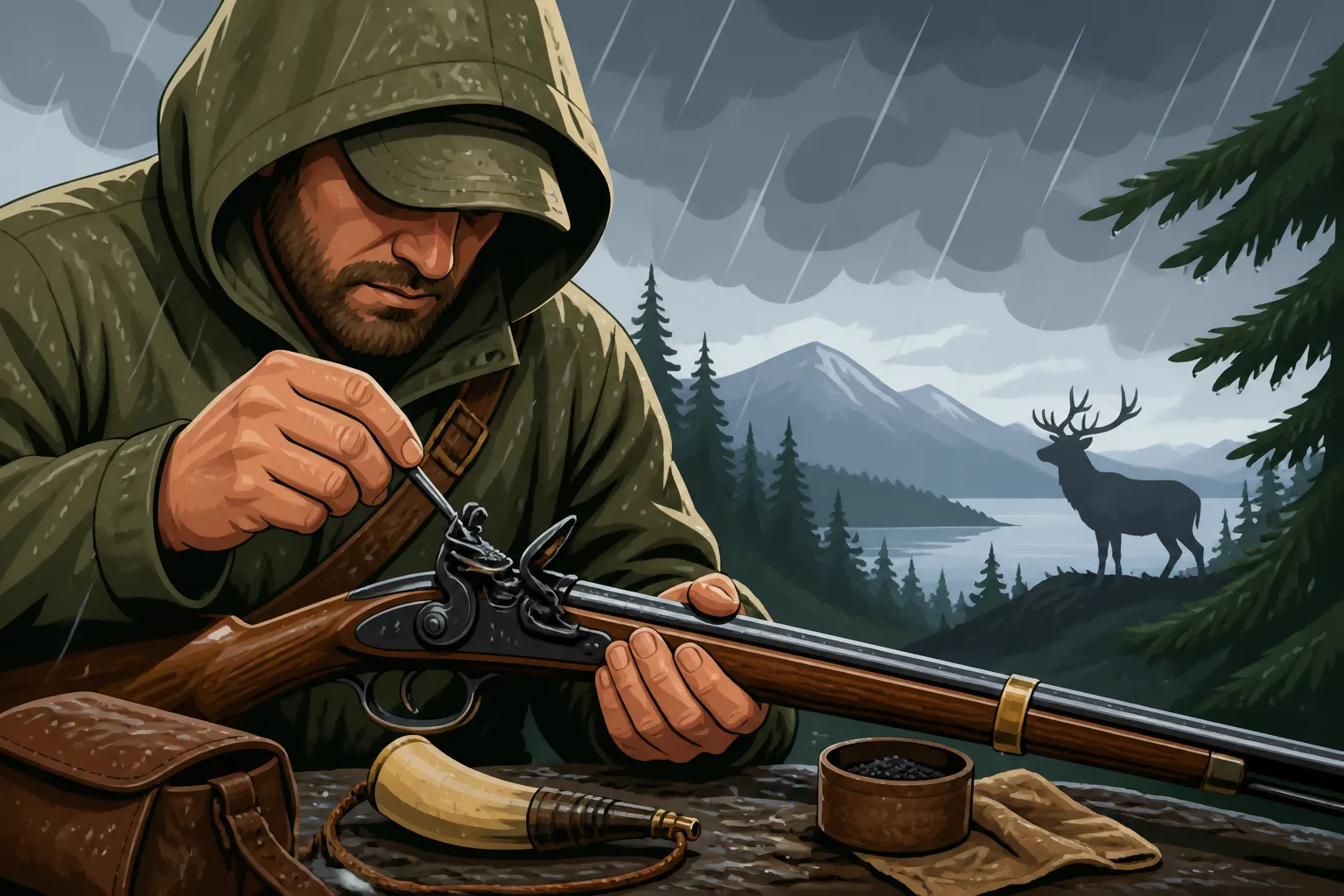
There’s nothing quite like the unique blend of anticipation and dread that settles in when you wake up to the sound of rain drumming on your tent on a Washington muzzleloader hunt. You’ve put in the time scouting, practiced your shots, and now Mother Nature seems intent on throwing a wrench into your plans. The fear of a misfire, a hangfire, or a complete dud when that bull of a lifetime steps out can be crippling. This guide is here to walk you through the nitty-gritty of keeping your muzzleloader functioning flawlessly, even when Washington’s notorious wet weather tries its best to shut you down.
Understanding the Enemy: How Rain Kills Your Shot
Hunting in Washington often means dealing with rain, from persistent drizzles on the westside to sudden downpours in the eastern mountains. For modern firearm hunters, it’s mostly an inconvenience, but for those of us dedicated to the muzzleloader, it’s a critical challenge. Water is the arch-nemesis of black powder and its substitutes, and understanding how it interferes is the first step to mitigating its effects.
The Science of Misfires in Moisture
At its core, a muzzleloader shot relies on a chain reaction: the primer or percussion cap ignites, sending a flame or spark into the main powder charge, which then rapidly burns, creating gases that propel the projectile down the barrel. Water, even in minuscule amounts, can break this chain at multiple points. Think about trying to light a damp campfire – it’s a struggle. Black powder and its substitutes are hygroscopic, meaning they readily absorb moisture from the air. When that powder gets damp, its ignition temperature rises, and its burn rate slows dramatically. If it absorbs enough water, it simply won't ignite at all.
This isn’t just about the powder getting wet in the rain directly. Humidity alone can cause issues. Imagine you’ve loaded your rifle on a dry morning, but then a fog rolls in or the rain starts. The exposed powder column, even if just through the nipple or vent hole, can start to absorb that ambient moisture. The initial spark from your primer might not be hot or sustained enough to ignite the compromised main charge, leading to a frustrating click instead of a bang. Even worse, sometimes it ignites, but slowly, resulting in a hangfire – that terrifying delay between the hammer fall and the shot, which can make you flinch or pull off target.
Common Muzzleloader Vulnerabilities
Your muzzleloader isn’t a hermetically sealed submarine. It has several critical points where water can sneak in and wreak havoc on your ignition system. Knowing these weak links is crucial for effective waterproofing. The most obvious culprit is the nipple or vent hole, where the primer or percussion cap sits. This is the direct gateway to your main powder charge. If water gets in here, even a drop, it can make direct contact with the powder, rendering it inert.
Beyond the nipple, consider the breech plug itself. While designed to contain the immense pressures of firing, the threads can sometimes allow moisture to wick in, especially if not properly greased or sealed. Another often-overlooked area is the muzzle end. While you load from here, and the bullet creates a seal, heavy rain or even leaning your rifle muzzle-down in wet grass can allow water to seep around the bullet or sabot, dampening the powder from the top down. Finally, the external components like the lock mechanism on a traditional percussion rifle or the firing pin assembly on an inline can also suffer from water exposure, leading to rust, sluggish operation, or even complete failure if not properly maintained and protected.
The Psychological Toll of a Wet Misfire
Let's be honest, we’ve all been there. You’ve spent days, maybe weeks, preparing for this one moment. You’ve hiked deep into a unit like the Willapa Hills Elk Herd in the pouring rain, finally spotted that bull you’ve been chasing, carefully settled your crosshairs, squeezed the trigger… and all you hear is a dull click. The bull bounds away, leaving you with a profound sense of gut-wrenching frustration and self-doubt. It’s not just a missed opportunity; it feels like a personal failure, even though it was the elements working against you. This experience can erode your confidence in your gear and your ability, making you hesitant on future hunts.
The fear of a misfire can also impact your decision-making in the field. You might pass on a marginal shot because you don’t trust your rifle to fire reliably, or rush a shot when you shouldn’t, trying to beat the next downpour. This psychological burden can turn an otherwise enjoyable hunt into a stressful ordeal. That's why building a reliable system for wet-weather muzzleloading isn't just about technique; it's about restoring that crucial confidence in your equipment when you need it most.
Essential Gear for Wet Weather Muzzleloading
When you're facing Washington's relentless rain, your gear choices and preparation can make or break your hunt. It's not just about having a muzzleloader; it's about having the right accessories and knowing how to use them to protect your shot.
Waterproofing Your Muzzleloader's Critical Components
The first line of defense against moisture is direct protection of the firing system. This goes beyond just keeping your rifle under your coat. For percussion caps, many hunters swear by a simple, but effective, trick: a small piece of electrical tape over the capped nipple. This creates a surprisingly effective seal against direct rain and even splashes. However, remember to remove it quietly before taking a shot – the last thing you want is a piece of tape flapping in the wind or startling your game. Some manufacturers, like those making specific inline primers for CVA or Traditions, also offer specialized waterproof caps or primer modules. These often have an O-ring or a tighter seal to keep moisture out.
For inline muzzleloaders that use 209 shotgun primers, the situation is a bit simpler, but not foolproof. While 209 primers are inherently more weather-resistant than percussion caps, the primer pocket itself can still allow water ingress. Some hunters use a dab of silicone sealant (like RTV) around the base of the primer after seating it, or even a piece of electrician's shrink tube slipped over the primer and heated to seal it. Just ensure whatever sealant you use can be easily removed or will not interfere with the firing pin. Always refer to Washington's Muzzleloader Equipment Rules to ensure your modifications remain compliant with state regulations.
Ammunition and Powder Choices for Damp Conditions
The choice between loose powder and pre-formed pellets is a common debate, and it becomes even more critical in wet weather. Loose granular black powder or Pyrodex, while often offering superior accuracy, is generally more susceptible to moisture. The fine grains absorb humidity quickly, and if they clump together, ignition becomes unreliable. If you opt for loose powder, ensure it's kept in a sealed, waterproof container right up until the moment of loading. Carrying pre-measured charges in speedloaders or vials that are completely sealed is paramount.
Pellets, like Hodgdon Triple Seven or Pyrodex pellets, often have a slightly denser, less porous composition, making them a bit more resistant to absorbing atmospheric moisture. They also simplify loading in challenging conditions, reducing the chance of spilling or compromising your powder. However, even pellets aren't immune. If they get saturated, they will still fail. When choosing sabots and projectiles, opt for those that provide a snug fit in your barrel, as this creates a better seal against moisture from the muzzle end. Some manufacturers offer specialized sabots designed to perform well in varying temperatures and humidity, maintaining that critical seal around your bullet. For instance, Barnes Bullets are a popular choice for their reliable performance and often come with high-quality sabots.
Protecting Your Gear in the Field
Beyond the immediate firing mechanism, protecting your entire muzzleloader and associated gear is essential. A good quality rifle cover or a large garbage bag can be a quick and effective temporary solution to keep rain off your rifle while hiking or sitting on stand. Look for covers that allow quick removal for a shot. While a full weapon enclosure might seem ideal, remember you need to be able to shoulder and fire your rifle quickly.
Consider using dry bags for all your essential loading supplies – extra primers/caps, powder charges, and projectiles. Even your cleaning patches and bore butter should be kept in a dry environment. A durable pack, ideally with a built-in rain fly or waterproof compartments, is a must-have for any serious Washington hunter. Brands like Mystery Ranch or Kuiu offer packs known for their ruggedness and weather resistance. Moreover, think about your personal comfort; being cold and wet distracts you from the hunt. Layering effectively and having Rain Gear for Westside Hunting that truly performs will keep your focus on the game, not on shivering.
Loading Procedures to Prevent Water Ingress
The act of loading your muzzleloader in the field is where many hunts are won or lost in wet weather. It’s not just about getting the powder and bullet down the barrel; it’s about doing it meticulously to create an impenetrable fortress against moisture.
Preparing Your Powder Column
Whether you use loose powder or pellets, the goal is a consistent, dry charge. If you’re using loose powder, pre-measuring your charges into small, waterproof containers or speedloaders before you even leave home is non-negotiable. This minimizes exposure to the elements in the field. Make sure these containers are completely sealed, perhaps with a rubber O-ring or screw-top lid. When you’re ready to load, retrieve your powder tube from a dry pocket or pack, swiftly pour it down the barrel, and immediately cap the tube. Minimize the time the powder is exposed to open air or falling rain.
For pellets, the process is similar. Keep them in their original sealed packaging until needed, or transfer them to a dedicated, waterproof pellet dispenser. The key here is not just keeping the powder dry, but also ensuring it settles properly. A firm tap on the buttstock after seating the powder can help consolidate the charge, eliminating air gaps that could lead to inconsistent ignition. Remember, the goal is not just to get the powder in, but to get it in right, so it performs reliably when that moment of truth arrives.
Sealing the Breech and Nipple
This is arguably the most critical step in preventing a misfire in wet conditions. For inline muzzleloaders using 209 primers, once the primer is seated, the goal is to seal the external elements from the primer pocket. As mentioned earlier, a small piece of electrical tape over the primer recess is a classic, highly effective method. Ensure the tape adheres well, pressing down firmly around the edges. When it's time to shoot, peel it off slowly and quietly. Some hunters even trim the tape to the exact size of the primer recess to make removal even less conspicuous. Another option is a custom-fit rubber nipple or primer protector that slips over the entire breech area.
For traditional percussion cap muzzleloaders, the nipple is the weak point. After seating your percussion cap, many hunters use a small, custom-cut piece of bicycle inner tube or a specialized rubber "nipple protector" that stretches over the cap and nipple, creating a tight seal. Another excellent option is to use a small balloon, snipped at the neck, and stretched over the cap. These methods are simple, cheap, and surprisingly effective at keeping direct rain off the cap. Again, remember to quietly remove any covers before taking your shot. Periodically during a rainy hunt, you might even want to remove the cap and nipple cover, dry the area with a piece of cloth, and re-cap, just to be absolutely sure.
Primer and Percussion Cap Protection
The primers and percussion caps themselves need to be protected from moisture before they even go on your rifle. Carrying them loose in a pocket or an unsealed container is a recipe for disaster. Invest in a dedicated, waterproof primer dispenser or a small, sealed Altoids-style tin lined with desiccant packs. These small measures ensure that when you reach for a fresh cap or primer, it’s as dry as the day it was manufactured.
Consider using "hotter" or magnum primers specifically designed for muzzleloaders, especially if you anticipate cold, wet conditions. These primers often produce a stronger, more consistent spark, which can be the difference between ignition and a misfire when your powder might be slightly damp. For example, CCI 209M primers are a popular choice for their robust ignition capabilities. If you're using a traditional percussion rifle, ensure your percussion caps are fresh and free of corrosion. Older caps can sometimes be less reliable. Always double-check Muzzleloader Ignition Types Washington Allows to ensure your choice is compliant.
Ignition Strategies When the Drip Starts
You've waterproofed your components and loaded meticulously. Now, how do you ensure that when you pull the trigger, you get a clean, reliable ignition, even with rain pouring down? It's about proactive testing and smart in-field habits.
Pre-Hunt Preparation and Testing
The woods are not the place to discover your waterproofing method doesn't work. Before opening day, especially if you anticipate rain, conduct a "water test" at home or on the range. Load your muzzleloader with a live primer/cap, but no powder or bullet (or use a dedicated dry-fire system if available and safe). Apply your chosen waterproofing method (tape, rubber cover, etc.). Then, expose your rifle to simulated rain. You can use a spray bottle, a garden hose on a light setting, or simply leave it out in a real downpour for an hour or two. After the exposure, remove your waterproofing, aim safely downrange, and attempt to fire the primer. A crisp, loud bang indicates success. If you get a fizzle, a click, or nothing, you know your system needs refinement. This is also a good time to ensure your Muzzleloader Accuracy at 100 Yards isn't compromised by the added tape or cover.
Another crucial pre-hunt step is dry-firing (without a primer/cap) to ensure your hammer/striker mechanism functions smoothly. Check that the firing pin or hammer makes solid contact with the nipple or primer. Any sluggishness can indicate internal rust or debris from previous hunts, which will be exacerbated by moisture. A light application of gun oil to external moving parts (like the hammer pivot) can help prevent this, but be careful not to get oil near the actual ignition components.
In-Field Muzzleloader Handling in the Rain
While hunting, subtle habits can significantly improve your chances of a successful shot. When moving through thick brush or sitting on stand in the rain, always try to keep your muzzle pointed slightly downward. This prevents rain from running directly down the barrel and pooling around the bullet/sabot, potentially wicking moisture into the powder charge from the front. If you have a muzzle cover, use it. Some hunters use a small piece of electrical tape over the muzzle opening as well, which is easily shot through or removed.
If you’re sitting for an extended period, try to position yourself under some natural cover – a thick fir bough or a rock overhang. Every little bit helps. When you spot game and prepare to shoot, practice removing your waterproofing covers (tape, rubber nipple protector) quietly and efficiently. This is where your practice at home pays off. Don't fumble around, alerting the animal or giving water more time to get into the system. Get the shot off quickly and confidently. Remember, a muzzleloader isn't a repeater; you typically only get one shot. Make it count by preparing for it thoroughly. For long hikes in a consistent downpour, consider carrying your muzzleloader in a soft case or even a large trash bag to truly shield it until you're in a likely shooting position.
Troubleshooting Misfires and Hangfires
Despite all your best efforts, a misfire can still happen. The most important thing is to remain calm and follow safety protocols. If you get a click instead of a bang, do not immediately open the breech or attempt to reload. It could be a hangfire – a delayed ignition – and the projectile could still fire unexpectedly. Keep the muzzle pointed in a safe direction for at least 30-60 seconds.
If after the wait there's still no shot, carefully open the breech or remove the percussion cap. Inspect the primer or cap. Is there an indentation from the firing pin/hammer? If not, check your firing pin for obstruction or a broken spring. If there is an indentation, the primer likely fired but failed to ignite the main charge. At this point, you'll need to clear the bore. For inline muzzleloaders, removing the breech plug and pushing the bullet out from the muzzle end with a cleaning rod is generally the safest method. For traditional rifles, you might need a CO2 discharger or to carefully remove the nipple and try to get a spark or probe into the powder. Always consult your muzzleloader's manual for specific clearing instructions and prioritize safety. This is where a compact cleaning rod and tools become invaluable. Clearing a loaded, misfired muzzleloader in the field, particularly in the cold rain, is not a pleasant experience, which is why preventive measures are so vital.
Post-Hunt Care and Maintenance in Washington's Wet Environment
Your hunt might be over, but your muzzleloader's exposure to Washington's moisture isn't. Proper post-hunt care is critical to prevent rust, corrosion, and ensure your rifle is ready for the next season. Neglecting this step after a wet hunt can lead to permanent damage and future reliability issues.
Immediate Field Cleaning for Longevity
As soon as your hunt is over, or even at the end of a particularly wet day in camp, some immediate attention can save you a lot of headache later. If you've been carrying a loaded muzzleloader in the rain all day and didn't fire it, at the very least, remove the primer/percussion cap and run a couple of dry patches down the bore. This helps absorb any moisture that might have snuck past your seals. If you did fire it, the residue from black powder or its substitutes is highly corrosive, and moisture only accelerates this process.
Carry a small, packable cleaning kit in your hunting pack. This should include a compact cleaning rod, some patches, and a bore solvent or water-based cleaner specifically designed for black powder. Even a quick swab-out with wet patches followed by dry patches can significantly reduce the corrosive effects of powder residue. Pay close attention to the breech plug, nipple, and the threads – these areas are notorious for trapping moisture and fouling. A quick wipe down of the external metal surfaces with an oily rag can also provide temporary protection against rust until you can perform a more thorough cleaning at home. Remember, even a small amount of residual fouling combined with moisture can start pitting your bore in a matter of days.
Thorough Home Cleaning and Drying
Once you’re back home, it’s time for a deep clean. Disassemble your muzzleloader as much as necessary, paying particular attention to the barrel, breech plug, and any components of the firing mechanism. Wash the barrel and breech plug thoroughly with hot, soapy water (dish soap works well for black powder), or a specialized black powder solvent. Use a bore brush to scrub away all residue, then follow with patches until they come out clean. Rinse with hot water, then immediately dry everything completely. An air compressor can be very useful for blowing water out of nooks and crannies, especially breech plug threads and firing pin channels.
After drying, apply a generous coat of rust-preventative gun oil to all metal surfaces, inside and out. Don't forget the small springs, pins, and crevices in the lock work or firing mechanism. For the stock, if it’s wood, wipe it down and allow it to air dry thoroughly before applying any wood conditioner or stock wax. Synthetic stocks generally require less attention but should still be cleaned and dried to prevent moisture from trapping against metal components. This meticulous cleaning prevents rust, maintains mechanical function, and ensures accuracy for your next hunt.
Storage Solutions to Prevent Corrosion
After your muzzleloader is meticulously clean and oiled, how you store it is the final piece of the puzzle. Avoid storing it in a soft case for extended periods, especially after a wet hunt. Soft cases can trap moisture against the metal, promoting rust. Instead, opt for a breathable gun sock or store it in a dry, humidity-controlled environment.
Consider investing in a gun safe with a dehumidifier rod or desiccant packs. Even a spare closet with a small space heater or dehumidifier can work wonders if you live in a consistently damp climate like much of Western Washington. If storing for the off-season, you might even consider applying a thin layer of a rust-inhibiting grease, often called a "storage grease," to external metal surfaces, which can be easily wiped off before next season. For long-term storage, removing the breech plug and leaving the action slightly open can also promote airflow and prevent moisture buildup. Regularly check your stored muzzleloader, perhaps once a month, for any signs of rust or degradation, particularly if you’ve hunted in extremely wet conditions. Consistent attention to these details will ensure your muzzleloader remains a reliable companion for many Washington hunting seasons to come.
Washington-Specific Considerations for Muzzleloader Hunters
Hunting in Washington state presents unique challenges and opportunities for muzzleloader enthusiasts. Our diverse geography, from the rain-soaked Olympic Peninsula to the arid Eastern Washington plains, means you need to tailor your approach.
Navigating Western Washington's Wet Climate
The west side of Washington, particularly the coastal ranges and the Olympic Peninsula, is notorious for its rainfall. If you're chasing Roosevelt elk in the Olympic Unit Roosevelt Elk GMU or blacktail deer in the Willapa Hills, you can almost guarantee you'll encounter rain. This means your wet-weather muzzleloading strategy needs to be absolutely dialed in. The dense canopy of old-growth forests and younger reprod can offer some intermittent protection, but constant humidity is a given. You'll need durable, waterproof outerwear that holds up to the relentless drip, like those from Sitka Gear or First Lite, in addition to protecting your rifle. Effective Layering for Wet Cold Weather is also critical to maintaining comfort and focus.
Beyond rain, consider the terrain. Western Washington is often steep, brushy, and muddy. This makes navigating with a muzzleloader challenging. Keeping your rifle covered while busting through alder thickets or climbing over blowdowns becomes even more important. When you're packing heavy with an elk quarter, the last thing you want is a mud-caked muzzleloader that needs delicate cleaning before it can be trusted. Planning your route to minimize direct exposure to heavy rain and mud, where possible, can make a difference.
WDFW Muzzleloader Regulations and Water
Before you head into the field, always be intimately familiar with the current Washington Department of Fish and Wildlife (WDFW) regulations regarding muzzleloaders. Washington has specific rules that can impact your choices for wet-weather hunting. For example, Washington's .45 Caliber Muzzleloader Minimum for deer and elk, or rules regarding projectile type (saboted vs. conical). Importantly, WDFW often has specific rules about optics on muzzleloaders during special seasons – some units or seasons may be limited to open sights or scopes with limited magnification. This means you might not have the luxury of a powerful scope to help you pick out a target in low-light, rainy conditions, placing a greater emphasis on close-range hunting tactics.
Additionally, pay attention to the specific weapon season dates, as outlined in the Washington Muzzleloader Season Structure. Some seasons might fall entirely within the peak rainy periods, while others might offer a brief window of drier weather. Understanding these nuances, especially when applying for a Washington Special Hunt Permits and How to Apply, can help you select a hunt that aligns with your comfort level for wet-weather muzzleloading.
Pairing Muzzleloader Hunts with Weather Patterns
Successful muzzleloader hunting in Washington, especially in the rain, often boils down to preparation and timing. Utilizing resources like GoHunt, the WDFW's online hunt planner, or even local weather apps can give you a significant advantage. Before you finalize your hunt plan, check the long-range forecast for your chosen GMU. If a major atmospheric river is projected to dump inches of rain, you might adjust your strategy – perhaps focusing on areas with denser cover, or choosing days with lighter precipitation.
GoHunt offers detailed weather insights and historical data that can help you understand typical weather patterns for specific areas during your hunting window. This can influence everything from your gear choices to your travel plans. For instance, if you know a particular GMU on the eastside, like a unit within the Yakima Elk Herd range, tends to get significant snow and rain in November, you'll pack accordingly for your late-season muzzleloader hunt. Conversely, if an early archery or muzzleloader season is looking unseasonably dry, fire restrictions might be a concern, changing your camping or hunting tactics. Being proactive and using these tools to understand the weather's likely impact will help you anticipate challenges and prepare effectively, rather than being caught off guard when the skies open up.
Disclaimer
The information provided in this guide is for general educational purposes only and is not a substitute for professional advice. Hunting regulations and conditions can change rapidly. Always consult the official Washington Department of Fish and Wildlife (WDFW) regulations, current hunting pamphlets, and local authorities before engaging in any hunting activities. Safety is paramount; always follow firearm safety rules and exercise extreme caution in the field.