Pack Weight One Hunter Can Carry
The sheer weight of a fully loaded hunting pack can crush even the most seasoned hunter's spirit, especially when you're miles deep in Washington's rugged backcountry. It's a brutal reality that many of us face, whether we're packing in for an elk hunt or packing out a hard-earned deer. This guide is dedicated to helping you understand, estimate, and ultimately manage the maximum pack weight one hunter can realistically carry, ensuring you're prepared for the physical demands of a Washington hunt without breaking your body.
Understanding the Reality of Pack Weight in Washington Hunting
Let's be honest, few things are as universally dreaded as the burning shoulders and aching quads that come with an overloaded pack. It’s a struggle we’ve all experienced, and in a state like Washington, with its steep mountains, dense timber, and unpredictable weather, the challenges are amplified. Understanding this reality is the first step toward smart packing and a more enjoyable, successful hunt.
The Difference Between Packing In and Packing Out
When you're heading into the woods, whether it's for a quick day hunt or a multi-day backcountry excursion, your pack weight is primarily made up of your gear, food, and water. This is generally the lighter side of the equation. You've curated your items, you've tried to be efficient, and you're full of anticipation. This "ingress" weight is something you can train for and manage, even if it feels heavy on the uphill.
However, the game changes entirely when you've been fortunate enough to tag out. Suddenly, your pack isn't just carrying your camp and supplies; it's now burdened with hundreds of pounds of bone-in or boned-out meat, plus potentially a set of antlers. This "egress" weight is where the true test of your planning, physical conditioning, and mental fortitude comes into play. A successful hunt often means multiple trips, especially if you're solo, and each trip out will be significantly heavier than any trip in. What felt like a manageable hike on the way to your hunting spot can turn into an epic, gut-busting ordeal when you're loaded down with a quarter of a Roosevelt Elk of Western Washington in a Washington wilderness unit.
The Perils of Overpacking
We've all been there: the "just in case" syndrome. One more jacket, a bigger first-aid kit, an extra cooking pot, that book you might read in camp. Each item seems insignificant on its own, but those ounces quickly add up to pounds, and those pounds translate directly into exhaustion and inefficiency in the field. Overpacking leads to a cascade of negative consequences that can genuinely ruin your hunt.
Beyond mere discomfort, an excessively heavy pack significantly increases your risk of injury. Twisted ankles, knee strain, back spasms, and even falls become much more likely when your balance is compromised and your body is struggling under a load it's not truly prepared for. These injuries don't just stop your hunt; they can have long-term impacts on your health and future hunting seasons. Furthermore, an overpacked hunter moves slower, makes more noise, and tires out faster, which directly impacts your ability to stalk effectively, react quickly to opportunities, and maintain the mental sharpness needed for ethical shot placement. You might miss opportunities to close the distance on an animal because you're simply too spent to push those extra few hundred yards.
The 'Sweet Spot' of Pack Weight
There's no magic number that universally dictates the perfect pack weight. It's an incredibly personal calculation influenced by myriad factors, from your individual physiology to the specific demands of your hunt. What's comfortable for a seasoned mountain athlete might be debilitating for a weekend warrior, and vice versa. The "sweet spot" isn't about carrying the absolute least amount possible; it's about finding the optimal balance between bringing everything you truly need to be safe, comfortable, and effective, without bringing so much that your pack becomes a liability rather than an asset.
Think of it this way: your pack should support your hunting efforts, not hinder them. For a Washington Elk Hunting Tactics by Weapon Season in the rugged terrain of the Colockum or Blue Mountains, your pack needs to be robust enough to carry crucial gear, but light enough that you can still navigate steep slopes and dense timber with relative agility. The goal isn't just to carry the weight, but to move efficiently and sustainably for the duration of your hunt, reserving your energy for the hunt itself and the inevitable pack-out. It's about maximizing your functional load, not just your absolute carrying capacity.
Factors Influencing Your Maximum Usable Pack Weight
Determining how much weight you can carry isn't just about raw strength; it's a complex interplay of personal attributes and environmental conditions. Understanding these factors will help you make more informed decisions when loading your pack for a hunt in Washington's diverse landscapes.
Your Physical Fitness and Conditioning
This is, without a doubt, the single biggest factor in how much pack weight you can comfortably and efficiently handle. A hunter who prioritizes year-round physical conditioning will have a significantly higher capacity for heavy loads and a much better experience in the field than someone who only thinks about fitness a few weeks before opening day. We’re talking about more than just being able to walk a few miles; hunting in Washington often demands the ability to navigate steep, uneven terrain for hours on end, often carrying significant weight.
Focusing on a balanced fitness regimen that includes cardiovascular endurance (hiking, running, cycling), strength training (especially legs, core, and back), and flexibility can dramatically increase your pack-carrying capabilities. Exercises like weighted step-ups, lunges, squats, deadlifts, and planks are invaluable. Incorporating rucking – hiking with a weighted pack – into your routine is perhaps the most direct form of preparation, as it simulates the exact physical demands you’ll face. Remember, even if you’re strong, a lack of cardio will leave you gasping on the first steep incline, rendering that strength largely useless. For tips on how to build up to this, you might check out resources on rucking with weighted packs.
Terrain and Elevation Profile
Washington offers an incredible variety of hunting terrain, from the dense, wet coastal rainforests of the Olympic Peninsula to the steep, rocky, sage-covered breaks of Eastern Washington. Each landscape presents unique challenges to pack weight and mobility. What feels manageable on a gently rolling trail in the Midwest can quickly become an insurmountable obstacle on a 45-degree slope covered in loose scree or through a labyrinth of blowdown.
Consider the steep, relentless uphill climbs found when Glassing Eastern Washington Breaks for Mule Deer or ascending to high alpine basins for elk. Every gain in elevation requires more energy, and a heavy pack makes each step more arduous. Conversely, the dense, wet brush and slick, muddy conditions of Western Washington timber country demand sure footing and balance, which are severely compromised by an unwieldy load. Whether you’re traversing sidehills or pushing through thick undergrowth, the terrain will dictate not just how much you can carry, but also how you can carry it and how quickly you can move. Planning your route and understanding the elevation changes in your chosen GMU is crucial; maps and apps like GoHunt can provide invaluable topographical data to help you anticipate these challenges.
Hunt Duration and Supplies Needed
The length of your hunt directly correlates with the amount of consumables—food, water, and fuel—you’ll need to carry. A simple day hunt might only require a few liters of water, some snacks, and a sandwich. However, a multi-day backcountry hunt for Archery Elk Hunting in Washington's September Season demands a significant increase in these items. Every extra day means more calories needed, more water to either carry or filter, and more fuel for cooking or warmth.
For longer trips, a significant portion of your pack weight will be dedicated to sustainment. Dehydrated meals are much lighter than fresh food, but they still add up. Water is the heaviest single item, weighing approximately 2.2 pounds per liter. If you don't have reliable water sources in your hunting area, you'll be forced to carry all your water, which can quickly push your pack into the debilitating range. Smart planning around water sources – utilizing filters or purification tablets – can drastically reduce your carried weight. Additionally, consider the season and expected weather. A late-season hunt might require more robust and heavier Layering for Wet Cold Weather, while an early-season hunt could mean lighter clothing but more emphasis on Field Dressing in Warm Early-Season Weather and keeping meat cool quickly.
Gear Quality and Weight
In the world of hunting and backpacking, there's a widely accepted "weight-cost-durability" triangle: pick two. You can have lightweight and durable (expensive), lightweight and cheap (less durable), or durable and cheap (heavy). For Washington hunters who often face demanding conditions and need to carry substantial loads, investing in quality, lightweight gear can be a game-changer.
Every item in your pack contributes to the total. Your tent, sleeping bag, sleeping pad, stove, and even your Rifle Setup for Washington Elk and Deer or bow system all have weight implications. For example, opting for a lightweight bivy or tarp over a full-sized tent for a solo spike camp can shave pounds. A high-quality down sleeping bag is often lighter and warmer for its size than a synthetic one. Even small items like headlamps, first-aid kits, and knives can be scrutinized for weight savings. While budget is always a consideration, remember that a few hundred dollars saved on gear can translate into a few painful pounds added to your back, impacting your comfort and effectiveness in the field. When planning your trips, platforms like GoHunt often provide detailed gear lists and reviews, helping you identify lightweight, high-performance options tailored for various hunting conditions.
Strategies for Reducing and Managing Pack Weight
Successfully managing your pack weight isn't about deprivation; it's about smart choices and ruthless prioritization. Every item you carry should have a clear purpose, and if it doesn't, it might be better left at home.
The "Three-Pound Rule" and Ruthless Prioritization
A common adage in ultralight backpacking is the "three-pound rule": if you can't justify an item, or if you only might need it, try to find an alternative or leave it behind. This philosophy encourages you to scrutinize every single item you plan to bring. Ask yourself: "Do I truly need this? Is there a lighter alternative? Can I use something else I'm already carrying for this purpose?" This kind of deep analysis can be incredibly revealing.
For example, instead of carrying a dedicated camp pillow, can you stuff your puffy jacket into a stuff sack? Do you really need two knives, or will one sharp, durable blade suffice? Can your trekking poles serve double duty as tent supports? Multi-use items are your best friends in the backcountry. This isn't just about saving ounces; it's about freeing up space and mental clutter. If you're heading into a Washington Wilderness Areas Open to Hunting for multiple days, every ounce matters, and being brutal with your gear choices ensures you're only carrying what's essential for safety, survival, and a successful hunt.
Optimizing Your Gear List
Once you've adopted a ruthless mindset, it's time to dive into the specifics of your gear list. Each category offers opportunities for weight reduction.
- Shelter: A lightweight tarp, a bivy sack, or an ultralight tent can significantly reduce your base weight compared to a bulky traditional tent. Consider the conditions – if rain is inevitable, a tarp can be a game-changer for weather protection without the heft. When setting up your Backpack Camps in Washington Wilderness, selecting the right shelter is paramount.
- Sleep System: Down sleeping bags generally offer a better warmth-to-weight ratio than synthetic options, though they require more care in wet conditions. Couple it with an inflatable sleeping pad with a good R-value for insulation from the cold ground, rather than a heavy foam pad.
- Cooking System: Evaluate your cooking needs. Are you a gourmet backcountry chef, or can you get by with cold soaking meals or a minimalist stove like a small canister stove and a titanium pot? For short trips, sometimes a high-calorie diet of no-cook items means you can ditch the stove entirely, saving both weight and fuel.
- Water Management: As mentioned, water is heavy. Invest in a reliable water filter or purification tablets. Map out potential water sources during your Public Land Scouting in Washington Before Opening Day to minimize the amount of water you need to carry at any given time.
- Clothing: Embrace layering. Rather than one heavy, bulky jacket, use a system of base layers, mid-layers, and a waterproof shell. This allows you to adapt to changing temperatures and weather without carrying redundant items. Good Rain Gear for Westside Hunting that is both lightweight and durable is crucial.
Food and Water Management
Your food strategy is another major area for weight savings. Opt for calorie-dense, dehydrated foods that pack a nutritional punch without excessive weight. Think nuts, jerky, dried fruit, energy bars, and dehydrated meals. Repackage everything from its original boxes into lightweight Ziploc bags to eliminate unnecessary packaging weight.
For water, always carry enough to get to your next known reliable source. In many parts of Washington, especially in the mountains, natural water sources are abundant, but always filter or treat water. In drier Eastern Washington units, you might need to carry more water between scarce sources. Use a GoHunt map layer to identify potential springs, creeks, and rivers. Electrolyte mixes can help you stay hydrated without carrying extra sugary drinks. Avoid bringing heavy items like canned goods, fresh fruit, or sodas, which offer poor caloric value for their weight.
Consider a Strong External Frame Pack
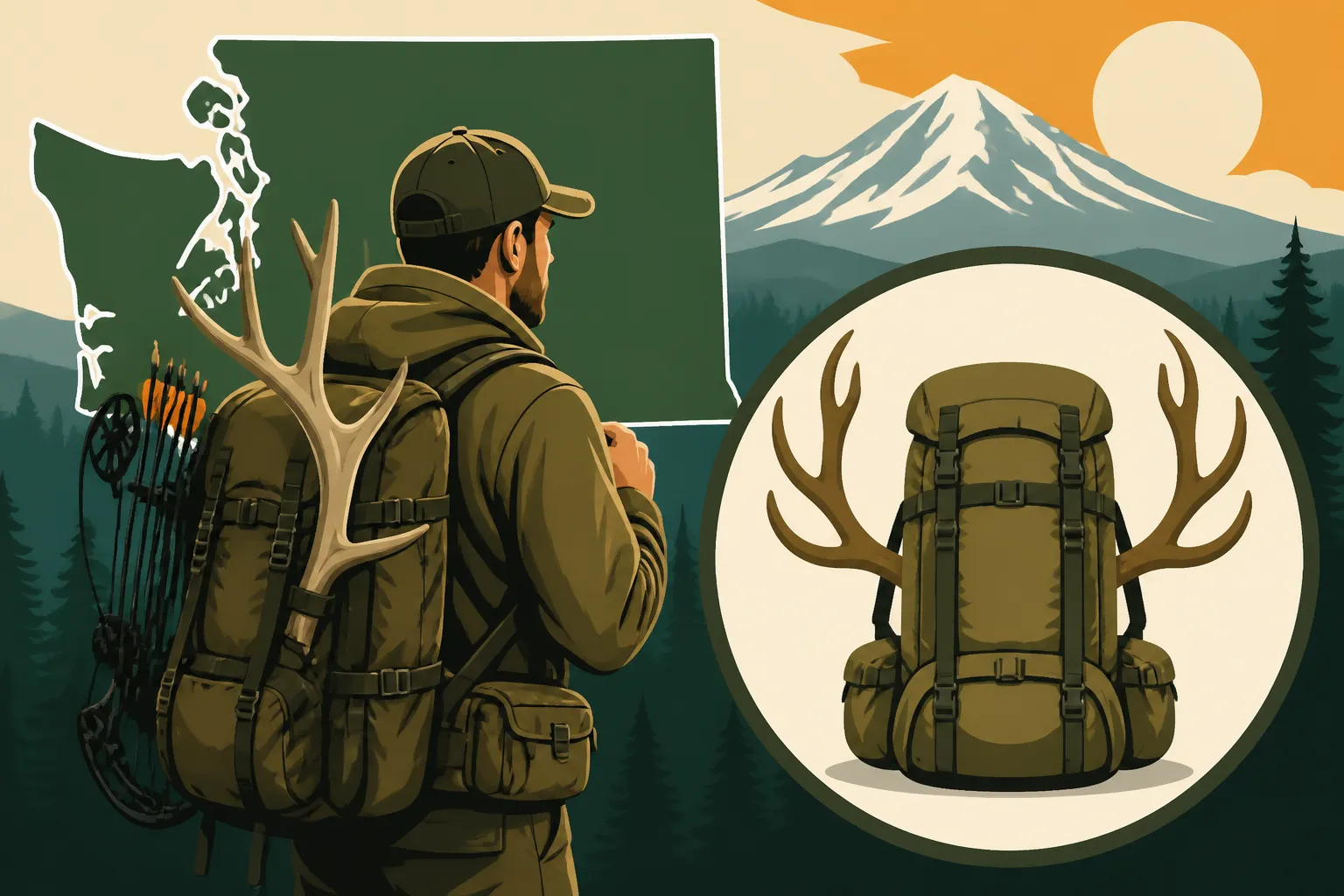
While internal frame packs are popular for their sleek design and body-hugging comfort, when it comes to hauling heavy, awkward loads like elk quarters, a well-designed external frame pack often reigns supreme. Brands like Mystery Ranch, Kifaru, and Stone Glacier specialize in packs built for heavy-duty meat hauling. An external frame provides superior load transfer to your hips, keeps the load away from your back for better ventilation, and offers more versatility for strapping odd-shaped items like antlers or an entire elk quarter.
The key is proper fit. A pack that doesn't fit correctly, regardless of its design, will create hot spots, rub you raw, and feel significantly heavier. Ensure the hip belt sits squarely on your iliac crest (hip bones), and adjust the load lifters to pull the pack closer to your body and transfer weight effectively. If you're primarily hunting elk and anticipate heavy pack-outs, investing in a robust external frame pack designed for backcountry hunting is one of the best decisions you can make. It will make the difference between a miserable pack-out and a manageable, albeit still challenging, one. For guidance on how to use these tools effectively, you can check out resources like Quartering and Packing an Elk Solo or Packing an Elk Out of Washington's Backcountry.
Calculating and Practicing Your Pack Weight for Washington Hunts
Knowing your physical limits and practicing with realistic loads before the season opens are absolutely critical for a successful and safe Washington hunting experience. You don't want the first time you carry a heavy pack to be when you're 5 miles deep with an elk quarter on your back.
The 20-30% Rule of Thumb
A commonly cited guideline for maximum comfortable pack weight is to keep it within 20-30% of your body weight. For example, a 180-pound individual might aim for a maximum pack weight of 36-54 pounds. This rule of thumb is a decent starting point for comfortable carrying over varied terrain, especially for multi-day trips where you need to maintain energy.
However, it's crucial to understand that this is a guideline, not a hard and fast rule, and it typically refers to the weight you're packing in. When you're packing out an animal, particularly a large one like an elk, you will inevitably exceed this percentage, sometimes by a significant margin. If you're a fit individual, you might be able to handle 50% or even more of your body weight for shorter, intensely difficult stints, especially with an external frame pack designed for heavy loads. The true maximum you can carry is what you can move with safely and efficiently without risking injury, for the distance required. This will be different if you're Getting Meat Off the Mountain Before Dark versus taking multiple trips over several days.
Building Your Gear Spreadsheet
The most effective way to understand and control your pack weight is to create a detailed gear spreadsheet. This isn't just for ultralight backpackers; it's a powerful tool for any serious hunter.
Start by listing every single item you plan to take, from your sleeping bag to your toothbrush. Then, weigh each item using a kitchen scale or a small digital hanging scale. Record the exact weight next to each item. As you build your list, you'll inevitably find redundant items or things you thought you needed but can live without. This process forces you to confront the reality of how much those "small" items actually contribute. You can use this spreadsheet to compare different gear options – for example, comparing the weight of two different Boots for Steep Eastside Country or two different brands of water filters. Many hunters use platforms like GoHunt which often includes gear list tools or community-shared lists that can help you organize and track weights, helping you fine-tune your inventory for specific Washington GMUs Before the Draw.
Pre-Season Training with Realistic Loads
Once you have an idea of your potential pack weight, the next step is to train with it. "Rucking," or walking with a weighted backpack, is the single best way to prepare your body for the physical demands of hunting.
Start with a manageable weight, perhaps 20-25% of your body weight, and gradually increase both the weight and the distance. Incorporate varying terrain into your training: steep hills, stairs, and uneven ground will simulate the challenges of Washington's hunting units. Don't just walk on flat pavement; get out on trails. Pay attention to how your body feels, how your pack carries, and where any hot spots or discomfort arise. This allows you to make adjustments to your pack fit or gear choices before you're miles from the truck. This realistic training will not only build your strength and endurance but also build your confidence in your ability to handle heavy loads when the time comes. This kind of preparation is essential, especially if you plan on Quartering and Packing an Elk Solo.
The Role of a Partner or Team
While solo hunting offers a unique experience, it also means you bear 100% of the burden for packing out an animal. If you're hunting with a partner or a team, the dynamics of pack weight management change dramatically.
A group can distribute communal gear (like a tent, stove, or first-aid kit) amongst multiple packs, reducing individual loads. More importantly, when an animal is down, a team can share the load of meat and antlers, potentially reducing the number of trips needed or allowing for heavier individual loads for shorter distances. For instance, two hunters might carry a front and rear quarter of an elk each, while a third carries the remaining meat and head. This teamwork can turn a multi-day nightmare pack-out for one person into a far more efficient and less punishing task for a group. Always communicate expectations about gear and pack-out responsibilities with your hunting partners before you ever hit the trail.
Here’s a rough idea of typical pack weights you might encounter in Washington hunting scenarios:
| Hunt Type | Typical "Base Weight" (Gear Only, No Consumables) | Consumables (Food, Water/Fuel/Ammo) per Day | Realistic In-Pack Weight (Loaded for Trip) | Max Out-Pack Weight (With Meat/Antlers) |
|---|---|---|---|---|
| Day Hunt (Deer/Bear) | 8-15 lbs | 5-8 lbs | 13-23 lbs | 40-80 lbs (boned out deer/bear meat + gear) |
| Overnight Bivy (Deer) | 12-20 lbs | 8-12 lbs | 20-32 lbs | 60-100+ lbs (boned out quarter + gear) |
| 3-Day Backcountry (Elk) | 20-35 lbs | 15-25 lbs (5-8 lbs/day) | 35-60 lbs | 80-150+ lbs (one large elk quarter + gear) |
| 5-Day Remote (Elk) | 25-45 lbs | 25-40 lbs (5-8 lbs/day) | 50-85 lbs | 100-180+ lbs (initial heavy load for first quarter) |
Keep in mind, the "Max Out-Pack Weight" is usually the heaviest single load you'll carry on one trip, and it often requires an extraordinary effort. Many elk hunters aim to get their first heavy quarter out, then return for subsequent loads. Also, considering Cooler Size for a Bull Elk can help you plan your processing strategy once the meat is off the mountain.
Disclaimer
The information provided in this guide is for general informational purposes only and does not constitute professional advice. Hunting is an inherently dangerous activity. Always prioritize safety, adhere to all Washington Department of Fish and Wildlife regulations, and be adequately prepared for backcountry conditions. Consult with healthcare professionals for physical conditioning advice.