Fire Restrictions During Dry Hunting Seasons
There's nothing quite like the anticipation of a Washington hunting season, the crispness of early fall air, and the promise of time spent in our stunning backcountry. But for many of us, that excitement is often tempered by a very real and growing concern: fire restrictions during dry hunting seasons. It’s a gut-wrenching feeling to have your carefully planned hunt threatened, or even outright canceled, because of raging wildfires or extreme fire danger. This guide is here to help you understand these restrictions, navigate the complexities of staying informed, and ultimately, hunt responsibly and safely when Washington's landscapes are parched and volatile.
Understanding Washington's Fire Season and Risks
Washington state, with its diverse landscapes ranging from the temperate rainforests of the west side to the arid sagebrush steppe of the east, experiences a fire season that can stretch from late spring well into the fall. For hunters, this often means that prime hunting seasons—especially early archery and modern firearm openers—frequently overlap with the peak of fire danger. It's a reality we've all come to accept, but one that demands vigilance and preparation.
Why Dry Seasons Mean High Risk
The fundamental reason dry hunting seasons pose such a high fire risk is simple: lack of moisture. When we go weeks or months without significant rainfall, the vegetation—grasses, shrubs, dead timber, and even standing trees—dries out to become potent fuel. Couple that with low humidity, warm temperatures, and sometimes strong, gusty winds, and you have a recipe for disaster. A single spark can quickly escalate into an inferno. We've seen countless times how quickly a small blaze can grow, swallowing thousands of acres, destroying homes, and displacing wildlife. It's not just the big, visible fires that are the problem; it's the underlying tinderbox conditions that make every activity in the woods a potential risk. Even small actions like parking a hot vehicle over dry grass can lead to a fire that devastates an entire landscape, impacting hunting opportunities for years to come.
Common Causes of Hunting-Related Fires
While massive lightning-sparked fires dominate headlines, many smaller, human-caused fires are entirely preventable, and unfortunately, hunters can sometimes be unwitting contributors. One of the most frequent culprits is vehicle exhausts. A hot catalytic converter parked over dry grass is a well-known fire starter. I’ve personally pulled over on dirt roads and seen grass smoking under my truck, a stark reminder to always park on bare dirt or a paved surface, or at least keep a shovel and water handy if you must be in grassy areas. Another major factor is campfires. Even if a campfire is "legal" at a specific location, a single ember escaping or inadequate dousing can restart a fire hours later. This is especially true for traditional wood fires in primitive camps. Beyond campfires, things like target shooting in inappropriate areas, particularly when shooting at metal targets or rocks that can create sparks, can be dangerous. Finally, something as simple as a discarded cigarette butt can ignite dry fuels in an instant. Being mindful of every action, no matter how small, is crucial when the woods are tinder-dry.
Navigating Fire Restrictions and Closures
The moment you start planning your hunt, especially for those early-season deer and elk tags, you need to factor in fire risk. It's not enough to assume things will be open; you have to actively seek out current information, because conditions can change literally overnight. It's a frustrating but necessary part of hunting in Washington today.
Official Sources for Fire Information
Staying informed means knowing where to look for reliable, up-to-the-minute information. Don't rely solely on word-of-mouth or social media posts; always go to the official sources. The Washington Department of Fish and Wildlife (WDFW) website is your first stop, as they will announce any hunting-specific closures or restrictions. However, because much of our hunting takes place on federal and state lands managed by other agencies, you'll also need to check their websites. The U.S. Forest Service (USFS), managing our National Forests, and the Washington Department of Natural Resources (DNR), which oversees state trust lands, are critical sources. Many private timber companies, like Weyerhaeuser or Hancock, also have their own strict fire closure policies, which will impact access to their lands. Finally, county sheriff's offices and local fire departments will often post burn bans. Tools like the GoHunt app or website can aggregate some of this information, providing a useful overlay for your planning, but always cross-reference with the primary agency websites. I always make it a habit to check Checking Washington Fire Closures Before You Go right before I head out the door.
Types of Restrictions You Might Encounter
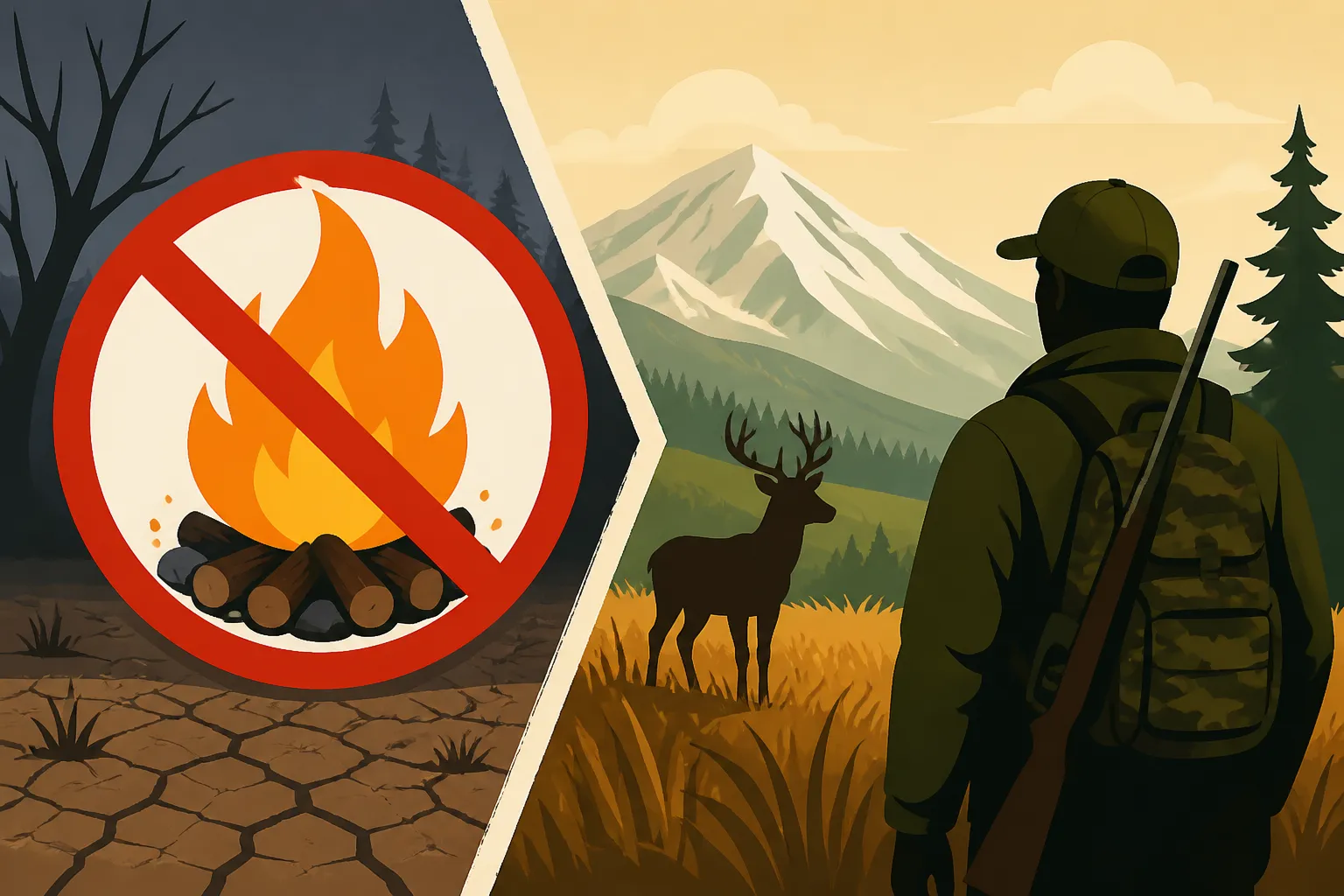
Fire restrictions aren't a one-size-fits-all situation; they come in various levels, each with different implications for your hunt. The most common you'll hear about is a burn ban, which typically prohibits any open flame fires outside of designated campgrounds or developed sites. Sometimes, even campfires in these specific spots are banned, often categorized as a "Stage 1" or "Stage 2" restriction. Beyond campfires, you might run into road closures, which can limit access to specific areas or entire road systems, impacting how you get to your hunting grounds. More severe conditions can lead to area closures, where entire sections of a GMU (Game Management Unit) are off-limits, usually due to an active fire or extreme danger. In the most dire circumstances, entire forest closures can occur, shutting down vast tracts of public land. This is the ultimate heartbreak for a hunter, forcing a complete pivot or cancellation of plans. Always pay attention to the specific wording and geographical boundaries of any restriction, especially when trying to pinpoint legal Washington Game Management Units Explained.
Impact on Hunting Plans
These restrictions can throw a wrench into even the best-laid hunting plans. Imagine you've spent months e-scouting and planning for a remote Backcountry Camps in Washington Wilderness trip, only to find out that open fires are banned, making your wall tent and stove setup unusable, or worse, the entire area is closed. This means you might need to carry more prepared food, rely solely on propane or canister stoves, or completely rethink your camping strategy. Road closures can turn a planned day hunt into an extended backpack trip, or make areas completely inaccessible. If a specific unit is under an area closure, it could force you to shift to a different GMU entirely, which might mean abandoning a prime spot you've scouted. This adaptability is key for Washington hunters. I've had to scrap entire hunting plans the night before opening day due to sudden forest closures, so having a Plan B, or even a Plan C, is always a good idea. This is where solid E-Scouting Washington GMUs Before the Draw pays off, as it allows you to have backup locations.
Being a Responsible Hunter During Fire Season
Given the prevalence of fire season during hunting season, responsibility isn't just a suggestion—it's a critical component of being a hunter in Washington. Every one of us has a part to play in preventing wildfires and ensuring the continued access to our public lands.
Practicing Fire Safety in Camp
If you're lucky enough to find yourself in a hunting area where campfires are still permitted, treat them with extreme caution. First and foremost, ensure your fire is in a designated fire ring and on bare earth, away from any overhanging branches or dry vegetation. Never build a large fire; keep it small and manageable. Always have a shovel and at least five gallons of water immediately accessible. Before you go to bed or leave camp for the day, make absolutely certain your fire is dead out. Drown it, stir it, and drown it again until it's cold to the touch. This isn't just a courtesy; it's a legal requirement and a moral imperative. For many dry-season hunts, opting for a propane or canister stove is simply the smarter, safer choice. They are efficient, leave no trace, and dramatically reduce fire risk, making them ideal for cooking meals and boiling water for your Backcountry Camps in Washington Wilderness.
Vehicle and Equipment Precautions
Your vehicle, while essential for getting to many hunting spots, is also a potential fire hazard. As mentioned earlier, those hot catalytic converters are notorious. Always park on bare ground, gravel, or pavement if possible. If you must park in vegetation, ensure the grass is short and green, not tall and dry. Carry a shovel, a fire extinguisher, and at least a gallon of water in your vehicle at all times. If you're towing a trailer, ensure your safety chains aren't dragging, as sparks from chains hitting pavement can easily ignite roadside grasses. For those running ATVs or other off-road vehicles, ensure they are equipped with an approved spark arrestor. Regular maintenance of your vehicle can also prevent mechanical failures that might lead to fires. It's these small, diligent actions that collectively make a huge difference in preventing tragic outcomes.
What to Do if You See a Fire
Even with the utmost caution, fires can happen. If you encounter a wildfire while hunting, your first priority is always your safety. Assess the situation immediately. Is it small and manageable, or is it growing rapidly? Can you safely contain it, or is evacuation the best course of action? If it's small, you might be able to put it out with water or by smothering it with dirt, but never put yourself at risk. If it's beyond control, or you're unsure, immediately call 911. Provide as much detail as possible about the fire's location, size, and what's burning. Do not attempt to fight a large or rapidly spreading fire yourself. Your safety is paramount. Alert other hunters or recreationists in the area and follow any instructions from emergency personnel.
Adapting Your Hunt to Fire Conditions
One of the most valuable traits a Washington hunter can possess is adaptability. Fire restrictions, road closures, and even the pervasive smoke from distant fires demand that we be flexible with our plans. It’s part of the game now.
Shifting Tactics and Locations
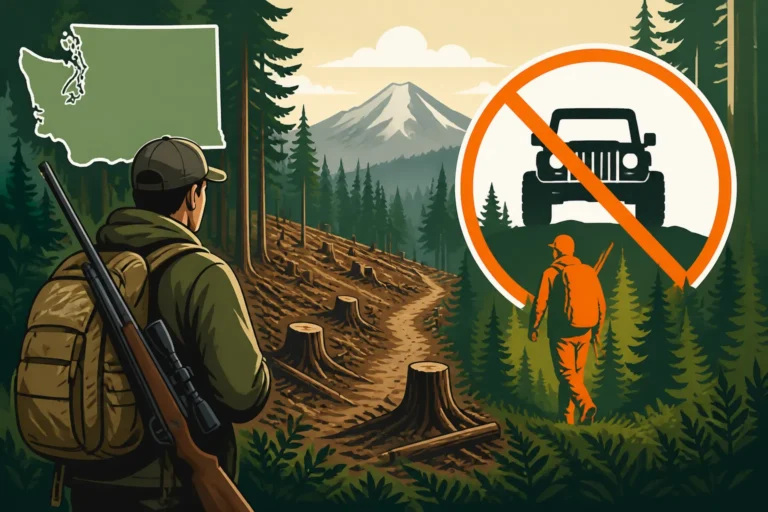
When fire restrictions hit, you might find that your chosen hunting method or location is no longer viable. For example, if open fires are banned, your plan for a comfortable camp with a wood stove might need to change to a lighter, more mobile spike camp using a canister stove. If specific roads are closed, you might have to consider a longer walk-in, or focus on areas that are accessible by foot only. This could mean a more physically demanding hunt, requiring different gear and a shift in your approach. Hunting Behind Timber Company Gates can be particularly tricky, as these companies often impose very strict access rules and fire precautions. You might also find yourself needing to explore new areas, making your knowledge of Finding Legal Access in Washington even more critical. Think about how the game might be impacted too; fires can displace animals, making once-reliable spots temporarily barren. This might mean adjusting your scouting or focusing on areas further away from recent burns or heavy smoke.
Staying Prepared for Sudden Changes
The reality of fire season is that conditions can change rapidly. What was open and safe yesterday might be closed and dangerous tomorrow. Because of this, staying prepared for sudden changes is crucial. Always have an exit strategy from your hunting area, especially if you're deep in the backcountry. Consider carrying a satellite communication device, like an inReach or Zoleo, so you can receive updates or call for help even without cell service. Keep an eye on weather forecasts, paying close attention to wind shifts and Red Flag Warnings. Pack enough food, water, and emergency gear to sustain yourself for an extra day or two, just in case a fire pops up and blocks your egress. It's also wise to have your vehicle packed with essentials for a quick departure if an evacuation order comes through. Knowing your routes in and out, and having a plan for communicating with your hunting partners or family at home, provides immense peace of mind.
Smoke and Glassing Visibility
Even if your hunting unit isn't directly impacted by a fire, the smoke from distant blazes can severely hinder your hunt. I can tell you from personal experience, trying to glass effectively through a thick haze of smoke is incredibly frustrating and often futile. Smoke drastically reduces visibility, making it nearly impossible to spot animals at a distance, especially in Eastern Washington's more open country. It can also cause eye irritation, headaches, and respiratory issues, impacting your endurance and focus. When dealing with widespread smoke, you might need to adjust your tactics. Instead of long-range glassing, consider more active still-hunting in timber or closer-range stalking. Animals might also behave differently under smoky conditions, potentially moving less or seeking different bedding areas. Always prioritize your health, and if the smoke is too heavy, consider relocating or even postponing your hunt.
Fire Danger Levels and Associated Restrictions
Understanding the various fire danger levels can help you anticipate potential restrictions and plan accordingly. These levels are often posted at trailheads, ranger stations, and on agency websites.
| Fire Danger Level | Description | Common Restrictions & Implications for Hunters |
|---|---|---|
| Low | Fuels are green; weather is mild. | Few restrictions, but common sense still applies. Campfires generally allowed in designated areas. |
| Moderate | Some drying of fuels; fires can start easily. | Burn bans (campfires only in designated rings or developed sites). Vehicle parking restrictions in some grassy areas. Increased vigilance needed. |
| High | Dry fuels; fires start easily and spread rapidly. | Stage 1 Burn Ban: No campfires outside developed sites. Propane/canister stoves usually allowed. Possible road closures in sensitive areas. |
| Very High | Extreme dry fuels; fires start readily and become serious. | Stage 2 Burn Ban: No open flames of any kind, even in developed campgrounds. Propane/canister stoves may be restricted. Vehicle restrictions (parking on bare ground only). Possible area closures or industrial fire precaution levels. |
| Extreme | Explosive fire conditions; fires spread aggressively. | Full Forest/Area Closures: Hunting may be completely prohibited in affected GMUs or entire national forests/DNR lands. All sources of ignition banned. High chance of hunt cancellation or relocation. Stay informed and follow all evacuation orders. |
This table is a general guide; always check specific agency websites for the most current and localized information, as rules can vary between National Forests, DNR lands, and private timber properties.
Disclaimer
This article is intended for informational purposes only and does not constitute legal advice. Hunting regulations and fire restrictions in Washington state can change frequently. Always consult the official Washington Department of Fish and Wildlife (WDFW) regulations pamphlet, U.S. Forest Service, Department of Natural Resources, and local county resources for the most current and accurate information before planning or embarking on any hunting trip. Your safety and compliance with all laws are your responsibility.