Upland Bird Hunting After Deer Season
The quiet solitude of the deer woods after the season closes can feel like the final curtain call on your hunting year in Washington, but that's a common misconception. For many of us, the end of big game season simply signals the exciting transition to chasing upland birds. This comprehensive guide is here to walk you through how to swap your deer rifle for a scattergun and embrace the often overlooked, yet incredibly rewarding, world of late-season upland bird hunting across Washington state.
Transitioning Your Mindset and Gear from Big Game to Birds
It’s easy to get stuck in the big game headspace, where stealth, patience, and long-range glassing dominate your approach. But upland bird hunting, especially in the late season, demands a complete shift in both your mental game and your equipment. You’re no longer waiting for an animal to appear; you’re actively seeking and flushing them, often in dense cover or rugged terrain.
Shifting from Solitary Stalking to Active Flushing
When you’re out for deer or elk, the goal is often to be as quiet and invisible as possible, moving slowly or sitting for long periods, trying to catch an animal unaware. Upland bird hunting, particularly for species like pheasants or chukar, is an entirely different beast. You need to become an active participant in the landscape, systematically covering ground, busting through brush, and pushing birds out of their hiding spots. This can be a shock to the system if you're used to the hushed reverence of big game hunting. The thrill here comes from the sudden explosion of wings, the quick decision-making, and the challenging shots.
This active approach means you'll be covering a lot more ground, often quickly. You’ll be hiking up and down hills, navigating thickets, and splashing through wetlands. Instead of a slow, deliberate stalk, imagine a brisk, purposeful walk, constantly scanning for cover that might hold birds. Your focus shifts from identifying distant antlers to anticipating where a bird might flush and being ready for a rapid swing and shot. It’s a dynamic, engaging style of hunting that keeps you moving and your senses sharp, a perfect antidote to the post-deer season blues.
Lightening Your Load: Guns, Ammo, and Footwear
One of the most noticeable changes from big game hunting is the gear you'll carry. Ditch the heavy rifle and optics; it’s time for a lighter, faster shotgun. Most upland hunters opt for 12, 20, or even 28-gauge shotguns, prioritizing maneuverability and quick target acquisition. You'll want to choose a reliable shotgun that feels natural to point and swing, as shots will often be fast and close. Carrying a heavy rifle through thick brush all day is one thing, but continuously shouldering and swinging a shotgun can quickly become exhausting if it's too weighty.
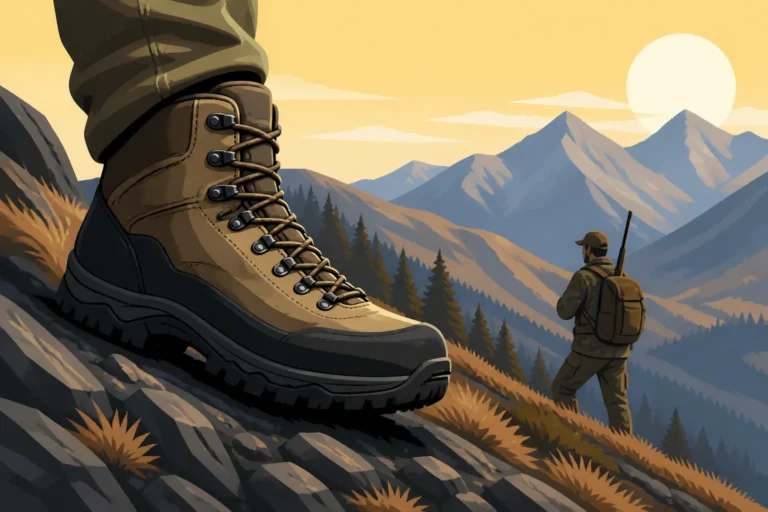
Ammunition choices also change significantly. Instead of precision rifle cartridges, you'll be using shotshells loaded with lead or non-toxic shot, depending on the area you're hunting. Generally, smaller shot sizes (like 6 or 7.5) are preferred for most upland birds, offering a denser pattern for consistent hits. Don’t forget to bring plenty of shells; upland hunting can be quite active, and you might take more shots than you expect. Furthermore, your footwear is paramount. While big game boots are rugged, upland hunting often demands something lighter for all the walking, but still durable and waterproof. Consider boots that provide ankle support for uneven terrain but allow for more flexibility and breathability.
Key Washington Upland Species and Where to Find Them Post-Deer Season
Washington is blessed with a diverse array of upland bird species, each with its own preferred habitat and hunting challenges. The late season, after many big game seasons have closed, presents unique opportunities to target these birds, often requiring hunters to adapt to changing weather conditions and bird behavior. Knowing where to look for each species is half the battle. This is where resources like GoHunt can really shine, helping you scout different GMUs and understand their terrain and potential bird populations.
Chukar and Hungarian Partridge: The Sagebrush Speedsters
For those who crave a serious physical challenge and rewarding hunting, chukar and Hungarian partridge in Eastern Washington are the ultimate late-season quarry. These birds thrive in the rugged, steep, and rocky canyons of the Columbia Basin and surrounding areas, often found among sagebrush, cheatgrass, and basalt outcroppings. After deer season, as temperatures drop, these birds tend to congregate in larger coveys and seek out sunny, south-facing slopes in the mid-morning, often near water sources, making them a bit more predictable than early season. However, they are notorious for running uphill and flushing wild, earning them their "devil bird" reputation.
Hunting chukar often involves extensive hiking, sometimes covering thousands of feet in elevation gain and loss in a single day. You'll want to be prepared with durable boots and excellent physical conditioning – checking out advice on topics like Chukar Country Fitness and Footwear can be a game-changer for preparing for these hunts. Hungarian partridge, while also found in similar sagebrush country, often prefer slightly gentler, rolling hills and agricultural edges. They can be a bit less demanding than chukar but still offer exciting flushes and excellent table fare. Both species provide a fantastic workout and deeply satisfying hunting experience, pushing your endurance to the limits in some truly stunning landscapes.
Pheasants and Quail: Farm Edges and River Bottoms
While much of Washington's wild pheasant habitat has dwindled over the years, the state's pheasant release programs ensure opportunities for hunters, particularly after the general deer season. These birds are typically found in agricultural areas, near grain fields, brushy draws, and dense cover along river bottoms in Eastern Washington, such as the Columbia Basin and Okanogan Valley. WDFW's pheasant release sites become prime locations for late-season hunting, offering a more accessible option compared to the wild chukar and Huns. For hunters looking for sustained action and a higher likelihood of success, these sites are invaluable.
Quail, including California quail and sometimes mountain quail, offer another engaging pursuit. California quail are more widespread, preferring thick riparian zones, brushy stream bottoms, and shrubby areas adjacent to agricultural lands, especially in the drier parts of Eastern Washington. If you're hunting in areas with a mix of cover, you're likely to find them. Mountain quail, while less common, inhabit brushy forest edges and clearcuts in more mountainous regions of both eastern and western Washington. Understanding the California Quail Range in Washington can help you pinpoint promising spots. Both pheasant and quail tend to hold tight in thick cover, making them excellent targets for hunters with or without dogs who are willing to work the dense stuff.
Forest Grouse: Ruffed, Blue, and Spruce
Don’t overlook the fantastic opportunities for forest grouse in Washington, especially as deer season wraps up. Ruffed grouse, found in both Eastern and Western Washington, prefer younger forests, brushy creek bottoms, and alder thickets, often close to water. Their distinctive drumming makes them an exciting target, and they can be found by still-hunting or walking old logging roads. If you're specifically looking for these birds, learning more about Ruffed Grouse in Washington Forests can provide valuable insights into their habitat and habits. Blue grouse (often now referred to as sooty and dusky grouse) typically inhabit higher elevation conifer forests and subalpine areas, often migrating lower as snow pushes them down later in the season. These are big, robust birds that offer challenging flushes and make for excellent eating.
Spruce grouse, or Franklin's grouse, are less common and typically found in dense conifer forests at higher elevations, particularly in Northeast Washington. They are often less wary than ruffed or blue grouse and can be quite approachable. Late season hunting for all forest grouse often means navigating through colder, potentially snowy conditions, which can help concentrate birds near food sources or thermal cover. While they might not offer the same fast-paced shooting as chukar, forest grouse provide a more contemplative, quiet hunting experience, perfectly blending with the tranquil beauty of Washington's late-season woodlands. The sheer variety of Chukar, Quail and Grouse in Washington makes the state a true upland bird paradise.
Tactics and Strategies for Late-Season Upland Success
Success in late-season upland hunting often hinges on a combination of knowledge, preparation, and adapting to the conditions. The colder temperatures and potential for snow change bird behavior, making understanding their movements and preferred cover crucial. Using a platform like GoHunt can assist in reviewing topographical maps and identifying potential thermal cover or sunny slopes that birds might favor when the weather turns cold.
Leveraging Dogs for Maximum Efficiency
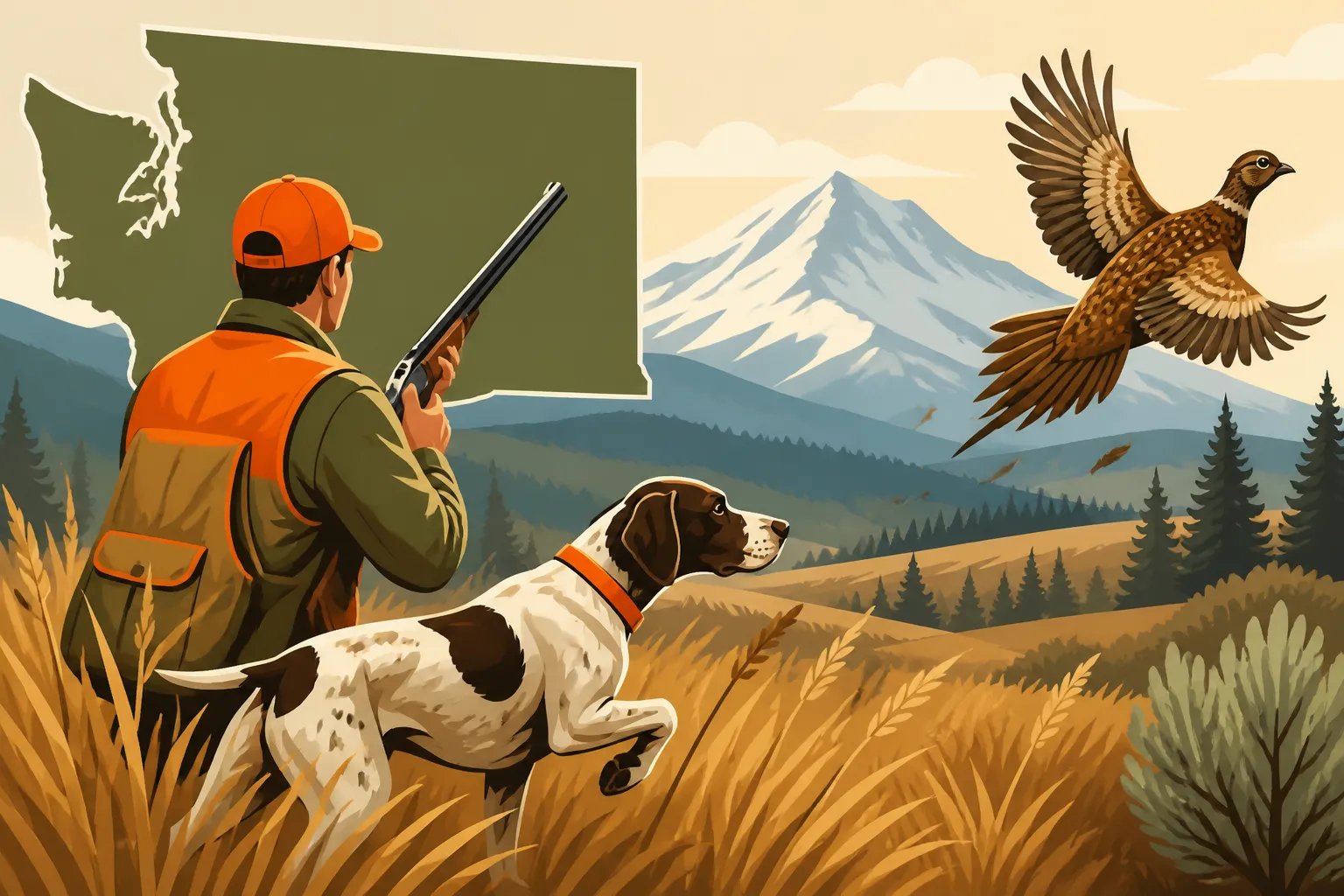
There’s no doubt about it: a well-trained bird dog can revolutionize your upland hunting experience. This is especially true in the late season when birds are often holding tighter in dense cover to conserve energy or evade predators. A good pointing dog will lock up on scent, allowing you to walk in and prepare for the flush, increasing your shot opportunities dramatically. For flushing breeds, their ability to systematically work thickets and push birds into the air can turn a slow hunt into a productive one.
Beyond simply finding birds, dogs are invaluable for retrieving downed game, particularly in thick brush, deep grass, or across water. This ensures fewer lost birds and more meat for the table. When hunting chukar or Huns on steep terrain, a dog can save you countless steps and prevent birds from running out of range before you even see them. Training and conditioning your dog are year-round commitments, but the payoff in the field, especially during the challenging late season, is immeasurable. Ensure your dog is also conditioned for colder weather and has appropriate protective gear if needed.
Still-Hunting and Pushing Cover Without a Dog
While a dog is a massive asset, it’s absolutely possible to have successful upland hunts without one. This often involves a more deliberate, still-hunting approach, similar to what you might use for blacktails in wet brush. The key is to systematically work through prime habitat, paying close attention to thick cover like brush piles, dense grass, briar patches, and the edges of fields. Move slowly, pausing frequently to listen for subtle bird noises or to scan for movement. Often, birds will hold tight until you are almost on top of them, so be ready for an explosive flush at close range.
When pushing cover, consider hunting with a partner. One hunter can walk through the densest parts of a draw or field, while the other walks the edge, ready for birds that flush wide. This strategy can be particularly effective for pheasants and quail. In rocky chukar country, move methodically along contours, always being aware of potential escape routes for the birds. It’s a more labor-intensive method, but the satisfaction of finding and flushing birds on your own terms is incredibly rewarding. Remember that even without a dog, covering significant ground is still part of the game, so good physical conditioning is key.
Reading the Weather and Snow for Bird Locations
Late-season weather in Washington can be wildly unpredictable, ranging from crisp, clear days to heavy rain or accumulating snow. Understanding how these conditions affect bird behavior is paramount. On cold, sunny days, birds will often move to south-facing slopes or open areas to bask in the sun and warm up. After a fresh snowfall, look for birds concentrating near thermal cover—dense conifers, thick brush, or protected ravines that offer shelter from the wind and snow. These areas can also provide easier access to food that isn't buried under a deep layer of snow.
Snow can be both a challenge and an advantage. It makes walking tougher and obscures scent for dogs, but it also makes birds stand out visually and can limit their escape routes. Heavy snow can push birds down from higher elevations, concentrating them in lower valleys and river bottoms, making them more accessible. Conversely, prolonged freezing rain can ice over food sources, forcing birds to move or making them more vulnerable. Always check the local forecast before heading out and be prepared for rapidly changing conditions. Tools like GoHunt can provide detailed weather forecasts for specific GMUs, helping you plan your hunt accordingly.
Essential Gear for Washington Upland Hunts
Transitioning from big game means rethinking your gear from head to toe. The focus shifts to mobility, weather protection, and quick handling. Washington’s diverse landscapes and often inclement late-season weather demand thoughtful gear choices to stay safe and comfortable.
Shotguns and Ammunition Choices
Your choice of shotgun is arguably the most critical piece of equipment for upland hunting. As mentioned, most hunters opt for 12, 20, or 28-gauge. The 12-gauge offers the widest variety of loads and plenty of power for any upland bird, but can be heavier. The 20-gauge is a fantastic all-around choice, lighter to carry, quicker to swing, and still delivers plenty of punch for most birds. A 28-gauge is even lighter and delightful to carry but requires more precise shooting. For hunting areas where lead shot is restricted, such as some wildlife areas, be sure to use appropriate non-toxic alternatives.
Barrel length is another consideration. Shorter barrels (24-26 inches) are often preferred for busting through dense brush and quicker handling, while longer barrels (28-30 inches) might offer a slightly smoother swing for more open shooting. Pattern your chosen shotgun and ammunition before the season to understand its effective range and shot dispersion. This practice is just as important as Sighting In Before the Opener for your rifle; knowing your effective range with a shotgun prevents frustrating misses and ensures clean kills. Always carry a variety of shot sizes if you're targeting multiple species, like 7.5 for quail and Huns, and 6 for pheasants and grouse.
Layering for Cold, Wet Washington Conditions
The late season in Washington often brings cold, damp, and sometimes snowy weather. Effective layering is absolutely crucial for staying comfortable and safe. Start with a moisture-wicking base layer to draw sweat away from your body, preventing chills. Follow this with an insulating mid-layer, such as fleece or synthetic puffy jacket, to trap warmth. The outer layer should be a waterproof and windproof shell that can stand up to Washington's notorious rain and wind. Opt for fabrics that are quiet when moving through brush.
Don't forget your extremities. A good pair of waterproof gloves or mittens is essential, especially when you need dexterity for reloading. A warm hat will prevent significant heat loss. Gaiters are highly recommended, especially when navigating wet brush or snow, as they keep water and debris out of your boots and prevent your pants from getting soaked. Learning about effective Layering for Wet Cold Weather will pay dividends, as staying dry is often the biggest battle when hunting in Washington.
Navigation and Safety in Remote Bird Country
Many of Washington's best upland hunting spots, particularly for chukar and forest grouse, can be in remote and rugged terrain. Reliable navigation tools are non-negotiable. A GPS unit or a smartphone app like onX Hunt with downloaded offline maps is essential for staying oriented, marking bird flushes, and navigating back to your vehicle. Remember that cell service is often nonexistent in these areas, so don't rely solely on your phone. Understanding GPS Units Versus Phone Apps and their pros and cons is important before you head out.
Beyond navigation, safety is paramount. Always let someone know where you're going and when you expect to return. Carry a comprehensive first-aid kit that includes supplies for minor injuries common in the field, like cuts, blisters, and sprains. Consider carrying a satellite messenger for emergencies, especially if you hunt alone in remote areas; these devices can send messages and call for help even without cell service. Read up on Satellite Messengers for Solo Washington Hunts to understand your options. Furthermore, be aware of your surroundings, stay hydrated, and carry enough food and water for the day, even if you anticipate a short hunt. Washington’s varied terrain can quickly turn an easy outing into a survival situation if you’re unprepared.
Disclaimer
Always consult the current Washington Department of Fish and Wildlife (WDFW) hunting regulations pamphlet for specific season dates, bag limits, and legal hunting equipment before heading into the field. Regulations can change annually, and it is your responsibility as a hunter to be aware of and comply with all applicable laws.