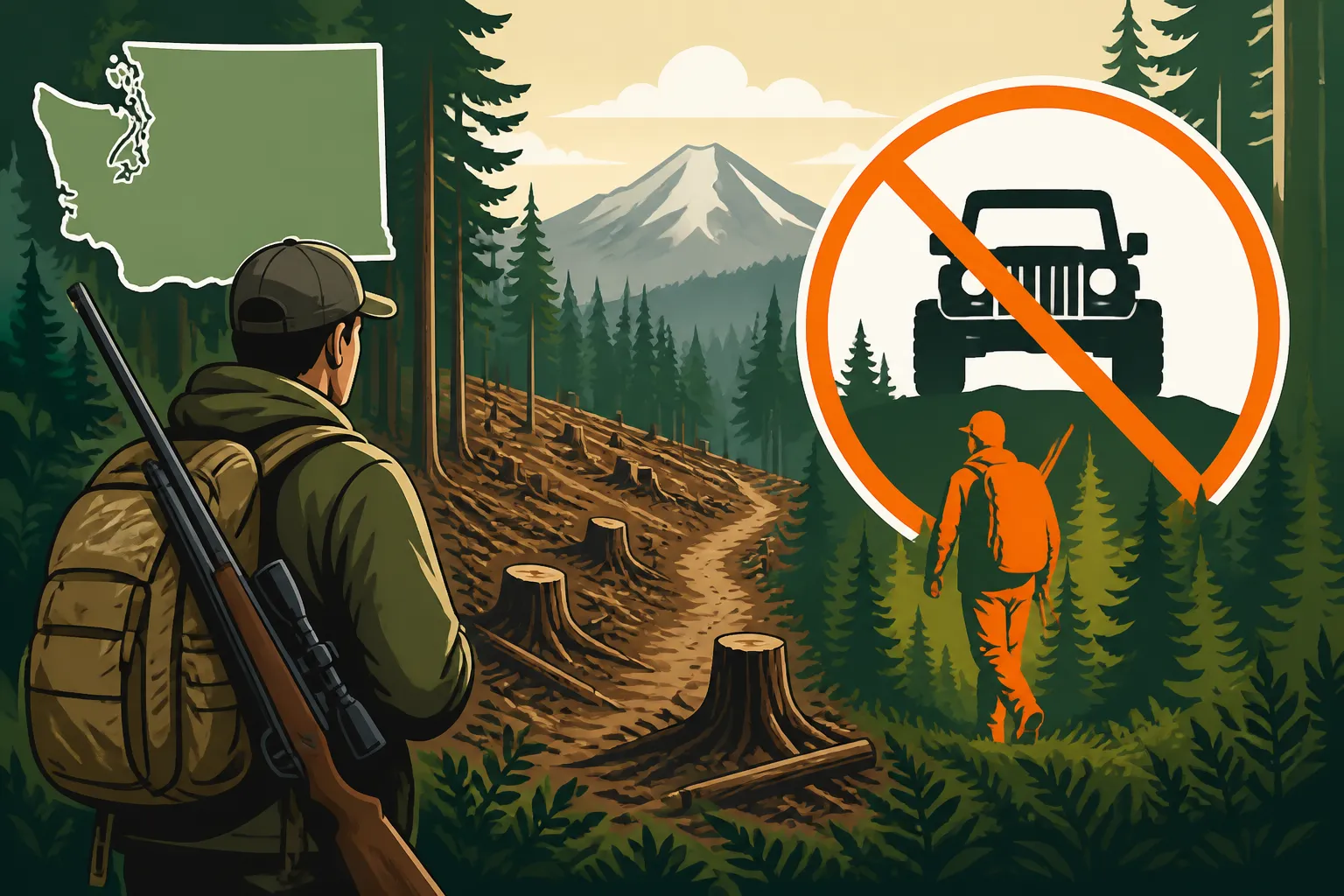
Walk-In Only Gates on Industrial Timber
It's incredibly frustrating, isn't it? You spend hours poring over maps, pinpointing potential hot spots, only to drive up to a locked gate on industrial timber land that screams "no public vehicle access." For many Washington hunters, these "walk-in only" gates represent a frustrating barrier but also a hidden opportunity. This comprehensive guide is here to demystify walk-in access, explain why these gates exist, and equip you with the knowledge and strategies to successfully hunt these often-overlooked areas.
Understanding Walk-In Only Access on Industrial Timber Lands
Industrial timberlands, owned by large companies like Weyerhaeuser, Hancock Forest Management, and many smaller operators, make up a significant portion of Washington's landscape. These lands are primarily managed for timber production, which means logging operations, road construction, and management activities take precedence. However, many of these companies also recognize the value of allowing public access, often with specific restrictions.
Why Timber Companies Use Walk-In Gates
Timber companies don't just put up gates to spite hunters. There are several very practical and important reasons why many of these lands are designated as "walk-in only."
First and foremost, it's about safety. Active logging operations involve heavy machinery, falling trees, and busy hauling roads. Allowing unrestricted vehicle access during these times would be incredibly dangerous for both the public and timber workers. Walk-in gates ensure that vehicle traffic is kept separate from these hazardous activities. Imagine a massive log truck coming around a blind corner where you're parked – it's a recipe for disaster.
Secondly, road maintenance and damage prevention are huge factors. Timber roads, while robust, are built for industrial traffic and aren't always designed for heavy public use, especially during wet conditions. Limiting vehicle traffic helps reduce wear and tear, prevents rutting, and keeps maintenance costs down. It also limits potential damage from recreational users, such as off-roading, which can quickly degrade road quality.
Fire prevention and control are also critical. During dry seasons, vehicle access can significantly increase the risk of wildfires from hot catalytic converters, sparks, or carelessly discarded cigarettes. By limiting vehicles to walk-in only, timber companies can reduce this risk and maintain better control over fire hazards in their valuable timber stands.
Finally, liability and revenue generation play a role. Companies face significant liability risks when the public is on their land. Restricting access or requiring permits helps manage this risk. For some companies, implementing a permit system, even for walk-in access in certain areas, generates revenue that helps offset the costs of road maintenance, liability insurance, and managing public access programs. This might seem like an extra hurdle, but it's often what keeps these lands open to us at all.
Identifying "Walk-In Only" Gates
So, you're driving down a forest road, looking for access, and you come across a gate. How do you know if it's truly "walk-in only" and not just a completely closed-off area?
The most obvious indicator is clear signage. Timber companies are usually pretty good about posting signs that explicitly state "Walk-In Access Only," "No Motorized Vehicles Beyond This Point," or similar wording. Sometimes these signs will also include information about required permits, seasonal closures, or specific rules. Always take a moment to read these signs carefully, as they are your primary source of information on the ground.
Another key resource is e-scouting tools and mapping applications. Services like GoHunt, OnX Hunt, and even WDFW's own mapping resources are invaluable. These platforms often show land ownership boundaries, highlight specific access rules for different parcels, and can indicate the location of gates. Before you ever leave your driveway, you can use these tools to identify industrial timberlands, see where gated roads are, and check for any reported access restrictions. It’s an absolute game-changer for planning your hunt. For instance, when looking into E-Scouting a Washington GMU From Home, you'll learn how to leverage these digital tools to identify these access points long before you hit the field.
Keep an eye out for physical barriers beyond just the gate itself. Sometimes, even if a gate looks "walk-in only," there might be signs of active logging further down the road, or perhaps the road quickly becomes completely overgrown, indicating it's not intended for public foot traffic either. Always look for paths, trails, or clearly defined roadbeds that suggest continued access.
Navigating the Rules and Regulations
Once you've identified a walk-in access opportunity, the next step is to understand and adhere to the specific rules governing that land. Failing to do so can result in fines, loss of access, and damage to the hunter's reputation.
Specific Company Policies
There isn't a one-size-fits-all rule for industrial timber lands. Different companies have different policies, and these can even vary by region or specific parcel of land.
For example, Weyerhaeuser is one of the largest private timberland owners in Washington. Historically, they've had a mix of open access lands (though these are becoming rarer), paid permit areas, and designated walk-in zones. Their permit system, often managed through websites like recreation.weyerhaeuser.com, will specify which areas require a paid permit for any access, including walk-in. Some gates might be designated "walk-in only" without a permit fee, while others may require a permit even for foot access. It’s crucial to check their official channels annually, as policies can change.
Hancock Forest Management operates similarly, offering various levels of access from open to gated to permit-only. Like Weyerhaeuser, their system often requires checking specific land parcels for rules and whether a recreational permit is needed. You might find some of their lands that are simply gated to vehicle traffic but openly allow walk-in hunting without an additional permit, while others are strictly permit-only.
Smaller timber companies or private landowners might have less formalized systems, relying solely on signage at the gate. This is where researching Timber Company Permits in Western Washington becomes absolutely vital. Don't assume anything; always verify the current access rules before venturing beyond a gate.
Required Passes and Permits
This is where it gets tricky for many hunters, trying to figure out what pass or permit they truly need.
The Discover Pass is your key to accessing Washington State Parks, WDFW wildlife areas, and DNR-managed recreation lands. It does not grant you access to private timber company lands. If you're hunting on DNR land that's mixed in with private timber, the Discover Pass covers your vehicle parking and access on the DNR portion, but you'd still need specific permission or permits for the private land. It's a common misconception that the Discover Pass is a blanket pass for all public-access lands.
For industrial timberlands, any required permits will typically be purchased directly from the timber company or their authorized vendor. These can range from annual passes that cover a broad area to specific unit permits. These are generally for recreational access, and a hunting license is still required in addition to any timber company permit. Make sure you understand exactly what your permit allows – whether it's vehicle access, walk-in only, or both, and the specific dates it's valid for. When you're dealing with Hunting Behind Timber Company Gates, the permit is your golden ticket.
Respecting Boundaries and Posted Signs
Once you're beyond a walk-in gate, it's paramount to respect property boundaries. Just because you can walk onto one timber company's land doesn't mean you can walk onto the adjacent private property, even if it's unfenced.
Always carry a reliable map with land ownership layers (like the ones found on GoHunt or OnX Hunt). Your phone app can pinpoint your exact location in relation to property lines, preventing accidental trespass. Imagine tracking a wounded animal onto unpermitted land – it could create a significant headache. By carefully studying Finding Property Lines on Washington Public Land, you can avoid these uncomfortable situations.
Heed all posted signs. These aren't suggestions; they are enforceable rules. "No Hunting," "No Trespassing," or "Area Closed" signs should be immediately obeyed, even if you previously had access there. Conditions change rapidly in timber country, from recent logging to fire danger, and closures can be sudden. Disregarding signs not only puts you at risk but also jeopardizes future public access for all hunters. It reflects poorly on our community when rules are ignored.
Strategies for Successful Walk-In Hunting
Walk-in hunting isn't just about parking your truck further away; it demands a different mindset and approach. These areas, though often overlooked, can hold some incredible opportunities.
E-Scouting and Pre-Season Planning
Successful walk-in hunting begins long before the season opener, right from your computer or tablet. This is where your e-scouting game needs to be strong.
Start by identifying potential walk-in areas using your mapping application. Look for those locked gates on industrial timber land that are surrounded by good habitat. Pay close attention to the topography. Are there old logging roads or skid trails beyond the gate that could provide easier walking access deeper into the unit? Sometimes these old roads, even if overgrown, can be game highways. Look for subtle benches, saddles, and drainages that animals might use to travel. GoHunt offers excellent tools for this, allowing you to layer different map types, check recent satellite imagery, and even view historical burn data, all of which can inform your strategy for accessing and hunting these areas.
Understanding the specific game you're after is also key. For example, if you're targeting blacktail deer, Reading Clearcuts and Reprod for Blacktail Bucks will become invaluable as you examine satellite imagery to identify preferred bedding and feeding areas that are now only accessible on foot. Think about where animals might retreat to once hunting pressure increases closer to roads. These walk-in zones often become sanctuaries for smarter, older animals.
Don't forget to plan your routes carefully. Calculate distances, elevation gains, and potential water sources. A two-mile walk from your truck might sound easy, but with a full pack and uneven terrain, it can feel like five. Having a solid plan for entry and exit, especially in the dark, is critical.
Gear Considerations for Walk-In Hunts
Since your vehicle is now merely a trailhead, your gear choices become paramount. Every ounce you carry matters, and durability is key.
Your pack needs to be capable of carrying everything you need for the day (or multiple days, if you're spike camping) and potentially hauling out meat. A dedicated meat-hauling frame pack, or a pack with an integrated load shelf, is invaluable. Think about Packs Sized for a Washington Elk Quarter; you won't be able to run back to the truck for anything. You'll need water, food, extra layers, first-aid, navigation tools, and game processing supplies.
Footwear is non-negotiable. Forget those worn-out sneakers. You need sturdy, waterproof boots that offer excellent ankle support, especially if you'll be navigating uneven terrain, blowdowns, or steep hills. Consider Boots for Washington's Eastside Rock and Westside Mud – the right pair will make a world of difference in comfort and safety. Gaiters are also a great idea, especially when traversing wet brush or dew-soaked clearcuts, keeping your lower legs and boots dry.
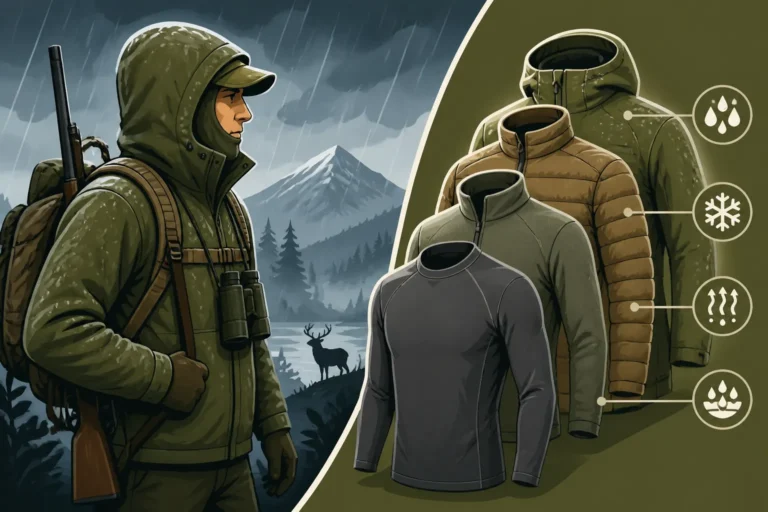
Layering is another critical component, particularly in Washington's notoriously unpredictable weather. Since you're often working harder on foot, you'll heat up, but then cool down quickly when stationary. A system of base layers, insulating mid-layers, and a waterproof/windproof outer shell is essential. If you want to know more about Layering for Wet Cold Weather, this is crucial for staying comfortable and safe in the backcountry.
Don't forget the essentials: a powerful headlamp (and spare batteries!), a reliable first-aid kit, a water filter or ample water, and a robust knife with game bags for meat care. These items are non-negotiable when you're miles from your vehicle.
Adapting Hunting Tactics for Walk-In Zones
The beauty of walk-in only zones is that they often receive significantly less hunting pressure than areas accessible by vehicle. This changes animal behavior dramatically.
Expect animals, especially deer and elk, to be less skittish and hold tighter. They might not have been bumped by trucks or ATVs all season, making them more predictable and less prone to bolting at the first sign of human presence. This can translate to better opportunities for still-hunting or methodical spot-and-stalk. If you're out Still-Hunting Blacktails in Wet Washington Brush, these low-pressure areas can provide excellent chances to get in close.
You'll often find animals deeper into the unit, utilizing the undisturbed habitat far from the gates. They might be in areas that are otherwise difficult to reach, like steep draws, dense reprod, or thick stands of timber that don't get much foot traffic. This means you need to be willing to put in the miles and explore beyond the obvious. This is where your pre-season e-scouting pays off, allowing you to identify these remote pockets of cover.
Consider adopting different hunting styles. For example, in thick western Washington timber, a slow, methodical Blacktail Deer Hunting in Western Washington Timber approach can be incredibly effective, as animals are more likely to let you get closer before busting. For elk, these areas might be prime spots for Archery Elk Hunting in Washington's September Season or late-season hunts where the animals are seeking refuge. If you're Spot-and-Stalk Bear Hunting in Washington Without Bait, these quiet zones offer prime opportunities to observe bears feeding naturally.
Remember, the effort you put into walking is often directly proportional to the quality of the hunting experience. Embrace the quiet and the challenge, and you might just find your new favorite hunting spot.
Safety and Ethics in Walk-In Areas
Hunting in walk-in only areas, especially those deep within industrial timberlands, can be a solitary experience. With that solitude comes increased responsibility for your own safety and for preserving access for others.
Communicating Your Plans
When you're heading into an area where vehicle access is restricted and you might be miles from the nearest road, telling someone your detailed plans is not optional – it's essential. This is paramount, especially if you're Solo Hunting Safety Precautions.
Before you leave, clearly communicate:
- Your exact hunting location: Which gate you're entering, which roads or trails you plan to use, and your general area of operation.
- Your expected return time: Give a realistic timeframe for when you'll be back at your vehicle.
- A "panic time": The specific time after which your contact person should initiate a search or call for help if they haven't heard from you.
- Who to contact in an emergency: Provide phone numbers for local law enforcement (Sheriff's office), WDFW, or Search and Rescue, if known.
Consider using a satellite messenger or a two-way radio if you'll be out of cell service. While not a substitute for a trip plan left at home, these devices can provide a crucial lifeline in an emergency. More details on this can be found in Leaving a Trip Plan at Home.
Minimizing Impact and Treading Lightly
Our privilege to access these lands comes with the responsibility to leave them better than we found them. This means strict adherence to Leave No Trace principles.
Pack it in, pack it out. This includes all your trash, spent casings, and even organic waste like fruit peels (which can attract wildlife or take a long time to decompose). There are no trash cans in the backcountry.
Stay on established roads and trails. While it's tempting to cut across brush, especially when packing out, try to minimize your impact. Avoid creating new "social trails" that erode easily or disrupt sensitive vegetation.
Be mindful of fire danger. Even if there isn't a complete fire ban, always be cautious with any heat source, whether it's a camp stove (if spike camping) or a warm engine (before you park). Never toss cigarette butts, and always extinguish any flame thoroughly.
Encountering Other Users
Walk-in only gates don't just exclude vehicles; they often create multi-use areas for hikers, mountain bikers, horseback riders, and mushroom foragers. You're not the only one out there enjoying the quiet.
Be courteous and respectful to everyone you encounter. A friendly wave or a simple "hello" goes a long way. Remember, they have just as much right to be there as you do.
Safety first. If you're carrying a visible firearm, consider unchambering it or pointing it away from other users. While legal, it can make non-hunters feel uneasy. If you're in a busy area, or anticipate running into a lot of people, consider choosing another spot. Awareness and common courtesy are crucial for maintaining positive public relations for hunters.
These walk-in opportunities are a testament to the complex relationship between industrial timber, public recreation, and wildlife. By understanding the rules, planning diligently, and acting responsibly, we can continue to enjoy these valuable hunting grounds for years to come.
Common Industrial Timber Access Types in Washington
| Access Type | Description | Common Requirements | Typical Use |
|---|---|---|---|
| Open Access | Unrestricted vehicle and foot access on specific roads/areas. Becoming increasingly rare. | None beyond state hunting license. | General hunting, recreation. |
| Walk-In Only | Vehicle access restricted by gate, but foot access permitted. Often no additional fee. | State hunting license; check for posted signs on specific restrictions. | Hunting deeper into unit, avoiding vehicle pressure. |
| Permit Required | Access (vehicle or sometimes even walk-in) requires purchasing an annual or seasonal permit. | State hunting license + company-specific permit (e.g., Weyerhaeuser recreation permit, Hancock permit). | Regulated hunting, dispersed recreation, firewood cutting. |
| Hunt-by-Reservation | Specific areas where access is granted via an online reservation system for limited dates/times. | State hunting license + successful reservation through company portal or WDFW's system (for WDFW-managed parcels). | Controlled hunting pressure, managed recreational opportunities. |
| Limited/Closed | Area is closed to public entry due to active logging, fire danger, road construction, or regeneration. | No public access permitted. | Off-limits for public use. |
Disclaimer
The information provided in this guide is for general informational purposes only and does not constitute legal advice. Washington hunting regulations and private land access policies can change frequently. Always consult the most current Washington Department of Fish and Wildlife (WDFW) regulations pamphlet and directly verify access rules with timber companies or landowners before planning any hunt.