Hypothermia Risk on a Wet Hunt
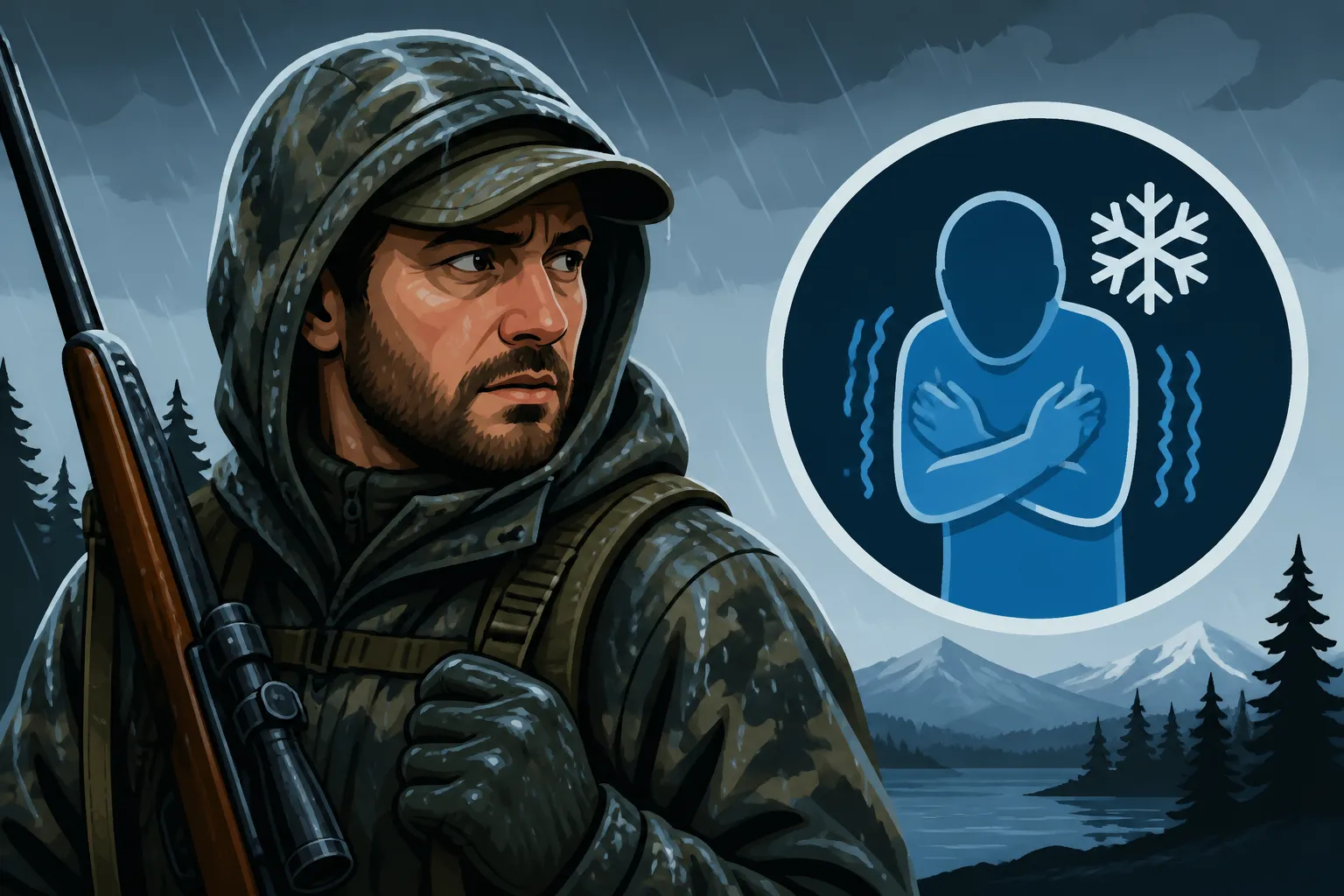
There’s nothing quite like the crisp autumn air on a Washington hunt, the thrill of chasing game through our incredible landscapes. But let’s be real, those bluebird days can turn into a cold, wet mess faster than you can say "elk bugle." That sudden drop in temperature, coupled with rain or even sleet, can quickly lead to a dangerous situation: hypothermia. This guide is all about understanding that risk, equipping yourself properly, and knowing exactly what to do when the chill truly bites on your next wet hunt.
Understanding Hypothermia: The Science of Getting Cold and What it Means for Hunters
It’s easy to think of hypothermia as something that only happens in extreme blizzards or to folks caught unprepared in the high alpine. But for us hunters in Washington, especially on the west side or during late-season hunts east of the Cascades, the danger often lurks in conditions that don't seem that bad – a consistent drizzle, a cool breeze, and inadequate gear. Your body is a finely tuned machine, but it’s fighting a constant battle to maintain a core temperature around 98.6°F (37°C). When it loses heat faster than it can produce it, that's when trouble starts brewing.
How Your Body Loses Heat in the Field
Our bodies are constantly radiating heat, but a wet environment supercharges this process. Imagine being out there in the fog, the damp clinging to everything, or a steady rain soaking through your "water-resistant" jacket. Your clothing loses its insulating properties when wet, allowing heat to escape rapidly through several mechanisms. Conduction is when heat transfers directly from your body to a colder object, like sitting on a wet log. Convection happens when cold air or water moves across your skin, carrying heat away – a strong wind in the rain is a prime example. Evaporation is crucial too; sweat or moisture on your skin turns into vapor, cooling you down significantly. And then there's radiation, simply heat escaping into the colder environment around you. All these factors combined, especially when you're exerting yourself and sweating, then stop moving, create a perfect storm for hypothermia.
The Unique Challenges of Washington's Climate
Washington offers some of the most diverse and challenging hunting environments, and that includes the weather. On the west side, especially in units like the Olympic National Forest or the deep timber of the Willapa Hills, you can experience constant drizzle, heavy rain, and dense fog for days on end. It's not always freezing, but the persistent dampness at temperatures between 30 and 50 degrees Fahrenheit is often more insidious than extreme cold. Your gear never quite dries out, and you're always fighting that clammy feeling. East of the Cascades, while often drier, conditions can still flip rapidly. Early season might bring hot days, but a late-season hunt for Tracking a Buck After a Fresh Snow could involve freezing rain, heavy wet snow, and strong winds that cut right through you, particularly in exposed areas like the Colockum or Blue Mountains. The elevation changes also play a huge role; what starts as rain in the valley can quickly become snow or freezing rain as you climb higher. The state's unpredictable weather, especially in transitional seasons, means you always need to prepare for the worst.
Common Misconceptions About Getting Cold
Many hunters underestimate the risk of hypothermia, often assuming it only happens when temperatures drop below freezing. This is a dangerous misconception. The majority of hypothermia cases occur in air temperatures between 30 and 50 degrees Fahrenheit, especially when there's wind and moisture. The combination of being wet and windy is far more effective at robbing your body of heat than dry cold alone. Another common myth is that you need to be completely still to get hypothermia. In reality, exertion causes sweating, and if that sweat can't evaporate or your layers get soaked, the subsequent cooling effect once you stop moving can be rapid and severe. You might feel fine while actively Packing an Elk Out of Washington's Backcountry, but stop for a break, and the cold can set in quickly. Even a mild case, where you're just shivering uncontrollably, can impair your judgment and dexterity, making simple tasks like setting up a tarp or starting a fire incredibly difficult. This is why being proactive with your gear and strategies is so vital.
Gear Up to Beat the Wet: Essential Clothing and Equipment for Washington's Weather
The right gear isn't just about comfort; it's about survival. Hunting in Washington's often-wet conditions demands a thoughtful approach to what you wear and carry. Forget cotton; it's practically a death sentence in the rain because it absorbs moisture and loses all insulating value. Modern synthetics and natural fibers like merino wool are your best friends. Planning your gear with tools from resources like GoHunt can really help you consider the specific weather forecasts and terrain you'll face.
Layering Like a Pro: The Foundation of Warmth
Layering is the single most effective strategy for managing your body temperature in fluctuating conditions. It allows you to add or remove clothing as your activity level and the weather change.
- Base Layer: This is the layer directly against your skin. Its primary job is to wick moisture away from your body. Merino wool or synthetic materials are excellent choices. Look for items specifically designed for active use, as they’ll be more effective at moving sweat. I always opt for a medium-weight merino base layer for Washington hunts, even if it feels a little warm starting out, because it retains heat even when damp.
- Mid-Layers: These layers provide insulation. Fleece, down, or synthetic puff jackets work well here. The key is to have options. A thin fleece vest for active periods and a heavier synthetic puffy for glassing or sitting still can make all the difference. You want enough insulation to keep you warm, but not so much that you're sweating profusely. Remember, the goal is to stay dry from the inside out, which is why Layering for Wet Cold is such a critical skill.
- Outer Layer: This is your shell, your shield against the elements. It needs to be fully waterproof and windproof, but also breathable enough to allow some internal moisture to escape. We'll dive into this more, but don't skimp on this layer.
Waterproof Outerwear That Actually Works
This is perhaps the most critical piece of the puzzle for staying safe on a wet Washington hunt. Forget "water-resistant" – you need genuinely waterproof.
- Jacket: Look for jackets made with proven waterproof/breathable membranes like Gore-Tex, Pertex Shield, or proprietary brand equivalents. Pay attention to features like fully taped seams, waterproof zippers, and adjustable hoods that fit over your headwear. A good Rain Gear That Survives a Washington Westside Season will have a durable outer face fabric to resist abrasion from brush, but still be quiet enough for stalking. You don't want something that sounds like a tarp flapping in the wind. Brands like Sitka, Kuiu, and Kryptek offer excellent options designed for demanding conditions.
- Pants: Don't forget your lower half! Waterproof pants are just as important as your jacket. They should be easy to pull on and off over your boots, ideally with full-length side zippers. Again, look for durable, waterproof, and breathable materials. If your legs get wet, your core temperature will drop quickly. I’ve seen too many hunters with great jackets but cheap rain pants, and they end up just as miserable and cold.
Footwear and Headwear: Often Overlooked, Always Critical
These two areas are frequently underestimated but play an enormous role in overall comfort and safety.
- Boots: Your feet are going to get wet if you're hunting in Washington, whether from rain, creek crossings, or just persistent dew in the brush. Invest in high-quality, waterproof boots that offer good ankle support for navigating steep, uneven terrain. Look for boots with Gore-Tex or similar liners. Even with waterproof boots, a good pair of gaiters is essential to keep water from running down your legs and into your boots. And don't forget good wool or synthetic socks; multiple pairs so you can change into a dry pair if needed. Check out guides on Boots for Washington's Eastside Rock and Westside Mud to match your specific hunting style and terrain.
- Headwear: You lose a significant amount of heat through your head, especially if it's uncovered and wet. A warm, water-resistant or waterproof beanie, or a hat with a brim that keeps rain off your face, is crucial. If your jacket has a good hood, use it over your hat for maximum protection. Keeping your head warm and dry helps regulate your entire body temperature.
On the Trail: Practical Strategies to Stay Warm and Dry in the Field
Having the right gear is only half the battle; knowing how to use it and actively manage your body in the field is just as important. It’s about being proactive, not reactive, to the changing conditions of a Washington hunt. Using detailed maps from services like GoHunt can help you plan routes that might offer more shelter or identify areas where you can quickly find cover if the weather turns.
Mindful Movement and Hydration Strategies
How you move and what you consume can profoundly impact your warmth and energy levels.
- Pace Yourself: One of the biggest mistakes hunters make in wet, cold conditions is overexerting themselves and sweating excessively. When you're working hard, like still-hunting through thick reprod or climbing a steep ridge, shed layers before you start to sweat. You want to stay just on the edge of being cool, not hot. If you do get sweaty, try to find a sheltered spot to stop, remove layers, and let your body cool down and dry out slightly before getting cold. Maintaining a consistent, moderate pace helps minimize sweat production.
- Stay Hydrated and Fuelled: It might seem counterintuitive to drink water when you're cold, but dehydration impairs your body's ability to regulate temperature. Drink plenty of water or warm beverages throughout the day. Pack calorie-dense snacks like nuts, trail mix, and energy bars. Your body needs fuel to generate heat, and a consistent intake of food will keep your internal furnace burning efficiently. Warm drinks from a thermos can provide both hydration and a welcome internal warmth boost on a chilly day.
Setting Up a Safe and Dry Camp
Your camp can be your sanctuary, but only if it’s set up correctly to withstand the elements.
- Site Selection: Always choose a campsite that offers some natural protection from wind and rain. Under a dense canopy of trees, on high ground to avoid pooling water, or tucked behind a ridge are ideal spots. If you're backpacking, consider the elevation. What's rain at 2,000 feet might be wet snow at 4,000 feet.
- Tent and Shelter: Ensure your tent is fully waterproof and pitched correctly with all guy lines secured. Use a footprint to protect the tent floor from ground moisture. If you’re planning a longer stay or anticipate heavy rain, consider bringing a lightweight tarp to create an additional cooking or gear drying area. This extra layer of shelter can significantly improve morale and safety. For advice on more extensive setups, you might find tips in Wall Tent and Stove Setup helpful, even if you’re just scaling it down for a spike camp.
- Sleeping System: Your sleeping bag needs to be rated for temperatures colder than you expect to encounter. Use a good quality sleeping pad with a high R-value to insulate you from the cold ground. A vapor barrier liner inside your sleeping bag can also help keep moisture from your body out of your insulation, especially on multi-day hunts where drying gear is tough. If your sleeping bag gets wet, its insulating properties are severely compromised, leading to a rapid loss of body heat. Focusing on Staying Dry in a Spike Camp means planning your entire sleep system.
Dealing with Unexpected Delays and Exposure
Sometimes, despite your best preparations, things go awry. A mechanical breakdown on your vehicle, getting turned around, or a downed animal that takes longer to process can lead to extended exposure.
- Emergency Shelter: Always carry a lightweight emergency blanket, bivy sack, or even a heavy-duty contractor bag. These can provide crucial protection from wind and rain if you're forced to spend an unexpected night out or need to hunker down.
- Fire Starting Kit: A reliable fire-starting kit is non-negotiable. Waterproof matches, a lighter, a ferro rod, and some kind of tinder (cotton balls soaked in petroleum jelly work great) should always be in your pack. A small, warming fire can be a lifesaver, especially if you get wet and need to dry out. However, always be mindful of local regulations and current conditions; Checking Washington Fire Closures Before You Go is a must, as fire bans are common in dry periods.
- Communication: Even if you're hunting with a partner, having a way to communicate is vital. Two-Way Radio Use While Hunting can be great for short distances, but for true emergencies, a satellite messenger or personal locator beacon (PLB) is recommended, especially for Solo Hunting Safety Precautions. Make sure someone back home knows your trip plan and when to expect to hear from you. Leaving a trip plan at home gives loved ones critical information should you not return on schedule.
Recognizing and Responding: Hypothermia Symptoms and Emergency Action
Knowing how to spot the signs of hypothermia, both in yourself and your hunting partners, is paramount. Early intervention can prevent a mild problem from becoming life-threatening. The goal is always to prevent it, but if it happens, swift, decisive action is key.
Stages of Hypothermia: From Mild to Severe
Hypothermia doesn't just hit you all at once; it progresses through stages.
- Mild Hypothermia (Core temperature 90-95°F / 32-35°C): This is where you'll notice intense shivering, which is your body's attempt to generate heat. You might also experience mild confusion, clumsiness, difficulty speaking, and pale, cold skin. You'll likely feel very cold and uncomfortable. This is the stage where most people can self-rescue with proper intervention.
- Moderate Hypothermia (Core temperature 82-90°F / 28-32°C): Shivering may decrease or stop altogether as the body's energy reserves are depleted. Confusion becomes more pronounced, coordination is severely impaired (the "umbles" – stumbles, mumbles, fumbles, grumbles), and irrational behavior can set in, such as trying to remove clothing. The person might appear lethargic or withdrawn.
- Severe Hypothermia (Core temperature below 82°F / 28°C): This is a critical medical emergency. The person may be unconscious, shivering stops, breathing becomes shallow and slow, and the pulse weakens. The skin will be ice cold and often blueish. At this stage, cardiac arrest is a real and immediate danger.
First Aid Steps for a Cold Hunter
If you suspect hypothermia, act immediately. Time is of the essence.
- Remove Wet Clothing: Get the person out of any wet clothes immediately. Cut them off if necessary to avoid unnecessary movement or further heat loss.
- Insulate and Warm: Replace wet clothing with dry, warm layers. Use a sleeping bag, emergency blanket, or even your spare clothing to create layers of insulation. Get the person into a shelter – a tent, vehicle, or under a tarp – and off the cold ground.
- Provide Warmth (Slowly): Share body heat if possible (skin-to-skin contact inside a sleeping bag). Offer warm, sweet liquids (not alcohol or caffeine) if the person is conscious and able to swallow. Warm (not hot) compresses can be applied to the neck, armpits, and groin – areas with large blood vessels close to the surface.
- Keep Them Horizontal: Avoid rubbing the skin or trying to vigorously rewarm the extremities, as this can force cold blood back to the core and trigger a "rewarming shock." Keep the person lying down.
- Monitor: Continuously monitor their breathing and pulse. Be prepared to perform CPR if they stop breathing.
| Stage of Hypothermia | Symptoms | Recommended Action |
|---|---|---|
| Mild | Intense shivering, cold/pale skin, slurred speech, mild confusion, clumsiness | Get to shelter, remove wet clothes, put on dry layers, drink warm sweet liquids, eat high-calorie food. |
| Moderate | Shivering decreases/stops, increased confusion, poor coordination, irrational behavior, lethargy | Get to shelter, remove wet clothes, put on dry layers, apply gentle warming (body heat, warm compresses), keep horizontal. Seek help. |
| Severe | Unconscious, no shivering, shallow/slow breathing, weak pulse, cold blue skin | Gentle handling, prevent further heat loss, keep horizontal, monitor ABCs (Airway, Breathing, Circulation). Immediate emergency evacuation. |
When to Call for Help: Emergency Preparedness
Knowing when to transition from self-rescue to calling for external help is a crucial decision that can save a life.
- When in Doubt, Call: If the person is exhibiting moderate or severe symptoms, is unresponsive, or if their condition is not improving with your first aid efforts, activate emergency services. In Washington's backcountry, this might mean using your satellite messenger to contact search and rescue.
- Pre-Planning: Before heading out, especially into remote areas, research the local emergency numbers and procedures. Understand the capabilities of your communication devices. Make sure your First Aid Kit for a Remote Hunt is fully stocked and that you and your partners know how to use it. When you’re planning your trip, consider using the map overlays from a service like GoHunt to mark potential bail-out routes or areas with known cell service (though never rely on cell service in the backcountry!).
- Never Leave Someone Alone: If you need to go for help, do not leave a hypothermic person by themselves unless absolutely unavoidable and a quick return is guaranteed. Their condition can deteriorate rapidly, and they might make poor decisions due to impaired judgment.
Hypothermia is a serious threat in Washington's hunting grounds, but it's largely preventable with proper knowledge, gear, and preparation. Stay vigilant, stay dry, and stay safe out there.
Disclaimer
The information provided in this guide is for educational purposes only and is not a substitute for professional medical advice, diagnosis, or treatment. Always seek the advice of a qualified healthcare provider for any questions regarding a medical condition. Hunting carries inherent risks, and individual responsibility for safety and preparedness is paramount.