Tracking a Buck After a Fresh Snow
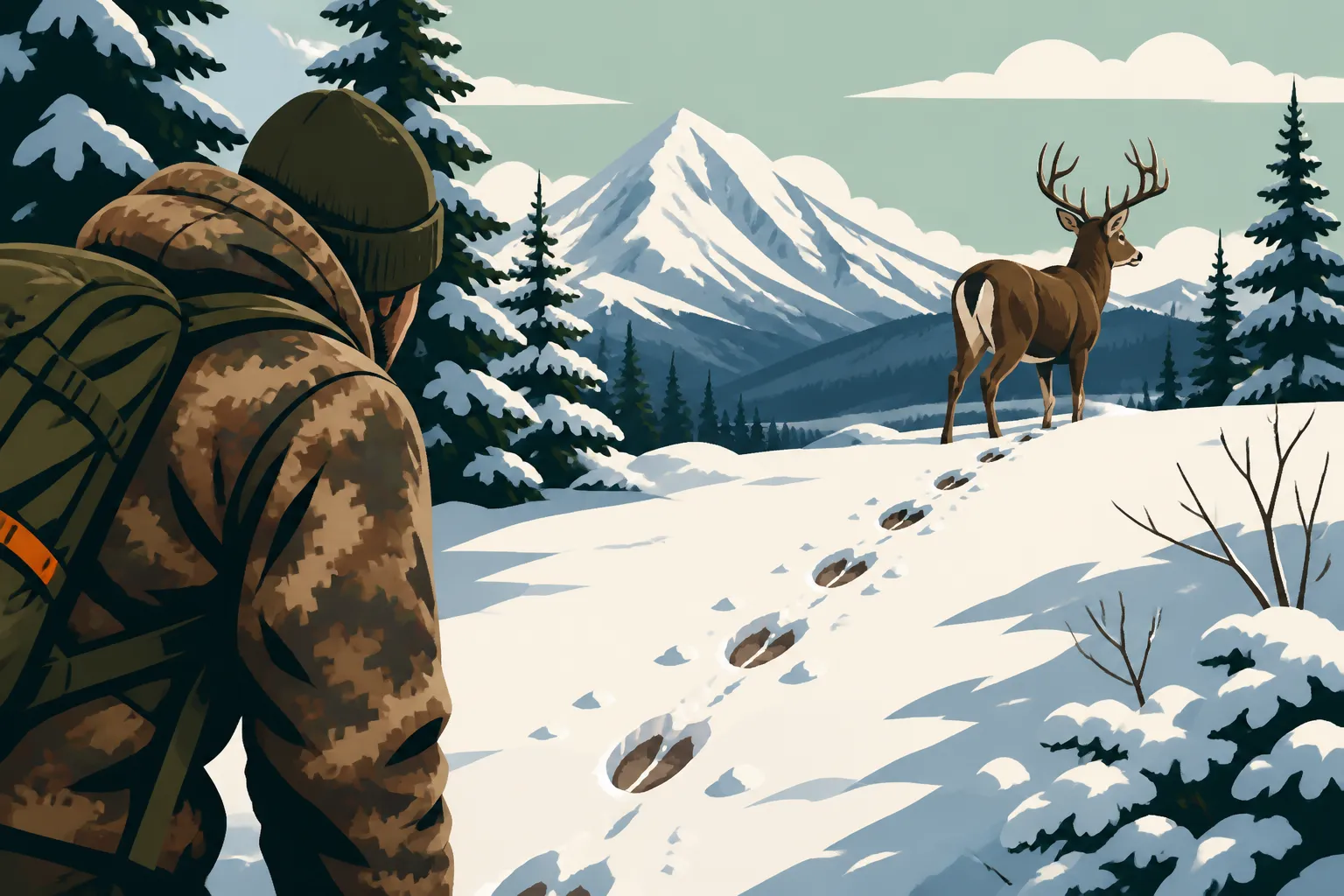
There's nothing quite like waking up to a fresh blanket of snow during deer season. It can feel like a gift from the hunting gods, suddenly revealing all the secrets of the woods. But let's be real, finding a set of fresh buck tracks is one thing; actually staying on that trail, interpreting what the deer is telling you, and ultimately closing the distance for a shot is a whole different beast. This guide is all about giving you the practical knowledge and realistic expectations for effectively tracking a buck after a fresh snowfall in Washington, helping you turn those tantalizing tracks into a successful hunt.
Deciphering the Story in the Snow
When that first light hits the fresh snow, it's like the forest's diary has been laid bare. Every track, scrape, and disturbance tells a story, and learning to read it is the first step in successful tracking. It's not just about following footprints; it's about understanding the nuances of the snow itself and the deer's interaction with it.
Freshness of the Tracks and Snow Conditions
The very first thing you need to assess is how fresh those tracks are. A light, fluffy powder will hold incredibly crisp details, but it can also be easily erased by wind. Wet, heavy snow might not show as much detail, but it can preserve tracks for longer, even through some melting. Pay close attention to the edges of the track: are they sharp and defined, or are they beginning to melt and round off? Is there any fine powder blown back into the print, indicating wind activity since the track was made?
Consider the timing of the snowfall. If it snowed overnight and you're out at first light, any tracks you find are likely very fresh – possibly only hours old. If the snow fell a day or two prior, and you've had varying temperatures, the tracks will show more weathering, making them harder to interpret. This is where experience really kicks in. Over time, you'll start to recognize the subtle differences between a track made an hour ago and one made six hours ago. For those early season hunters, especially in the higher elevations, a sudden snow can change everything. If you're out there for Late-Season Hunting in Washington Snow, this skill becomes absolutely essential for finding a deer that's been on the move.
Understanding Track Characteristics and Deer Behavior
Beyond just freshness, the track itself provides a wealth of information about the buck you're pursuing. Look at the size and depth of the print. Larger, deeper tracks generally indicate a heavier, older animal. But be careful: a lighter, smaller deer bounding through deep snow can leave deeper prints than a heavy buck walking leisurely on crusted snow. It’s all about context. The width of the track, especially the splay of the toes, can also indicate a heavier animal. Older bucks often have wider, more splayed hooves compared to younger, daintier deer.
The gait—how the deer is walking—is another critical clue. Is it a steady, rhythmic walk, with deer often overstepping its front print with its hind foot? This suggests a relaxed animal, probably feeding or just moving from one area to another. Or are the tracks widely spaced, indicating a trot or even a full-blown bound? That means the buck is alerted, moving quickly, and you'll need to adjust your approach drastically. A buck that is just starting to be aware of something will often pick up its pace slightly, taking longer strides. An extremely alarmed deer will exhibit a "bounding" gait, where all four hooves land together, or nearly so, leaving distinct groups of four prints. This is a clear sign you've spooked him, and you'll need to consider if it's worth continuing the pursuit, as he's likely put a lot of distance between you and him very quickly.
Don't just look at the hoof prints either. Keep an eye out for other signs:
- Droppings: Fresh droppings indicate the deer has been in the area very recently. Their consistency and warmth can tell you how recent.
- Urination marks: These can also give clues to freshness, especially if you see a slight melt around the edges.
- Scrapes and Rubs: While often made earlier in the season, a fresh snow can highlight these signs. If a buck has recently scraped the snow away to expose bare earth, or rubbed a small tree, it shows recent activity.
- Beds: Finding a fresh bed, still slightly warm or with minimal snow accumulation, means your buck was just there. This is a prime opportunity to slow down and scour the immediate area.
A useful table for interpreting tracks in snow:
| Track Characteristic | Possible Interpretation | Tracking Approach |
|---|---|---|
| Sharp, Defined Edges | Very fresh, hours old at most | Aggressive, slow-and-steady push |
| Rounded, Melted Edges | Older, likely 6+ hours old, or melting snow | Patient, anticipate longer pursuit |
| Wind-Blown Powder in Print | Tracks exposed to wind, may be older or wind has picked up | Confirm freshness with other signs |
| Large, Deep Prints, Splayed Toes | Heavier, mature buck | Exercise caution, big bucks are cagey |
| Small, Dainty Prints | Doe or young buck | Confirm with other size indicators |
| Steady, Overlapping Walk | Relaxed, feeding or casually moving | Slow, quiet stalk, look ahead constantly |
| Long Strides, Scattered Prints | Trotting, slightly alerted | Increase pace slightly, be ready to stop and glass |
| Grouped Four Prints (Bounding) | Alarmed, spooked deer | Back off, circle widely, or reassess pursuit |
| Fresh Droppings/Urine | Very recent activity | Intensify search for bedding or feeding nearby |
Following the Trail: Techniques and Challenges
Actually putting one foot in front of the other, staying on that trail for hours, is where the rubber meets the road. It's a test of patience, observation, and often, sheer will.
The Art of the Slow and Steady Pursuit
Tracking a buck in snow is rarely a race. It's more like a slow, deliberate dance. Your pace should be dictated by the clarity of the tracks and the terrain. In most cases, you'll want to move slowly, often slower than a casual walk. The goal isn't just to follow the prints, but to read the land and anticipate where the buck might go. Always assume the deer is just ahead, possibly watching its back trail, or bedded down and observing its surroundings.
Instead of staring directly at your feet, keep your head up and your eyes scanning about 50 to 100 yards ahead, if terrain allows. Look for natural funnels, benches, thickets, or any change in topography that would offer cover or a vantage point for a bedded animal. Often, the buck's tracks will lead you exactly to where you think he'd go. When you find a track, confirm it's moving in the direction you anticipate, then look for the next track far ahead. This helps you maintain perspective and not get tunnel vision on individual prints. Tools like those offered by GoHunt, with their detailed topographic maps and satellite imagery, can be invaluable for e-scouting these types of travel corridors before you even hit the snow. Knowing the landscape helps you anticipate.
When the tracks become faint or disappear in a patchy area, don't panic. This is where many hunters give up. Instead, form an expanding circle around the last confirmed track. Think like the deer: if it's casually moving, it's probably still heading in the same general direction. If it was spooked, it might have made a sharp turn or tried to throw you off. Look for disturbed snow, a scuff mark, a broken twig, or even a tuft of hair. Patience here is paramount. Sometimes, it's not about finding the next print, but finding the next clue.
Terrain and Conditions: Adapting Your Strategy
Washington's diverse landscapes mean tracking in snow will vary wildly depending on whether you're in the steep, timbered slopes of the Cascades or the rolling, sage-covered hills of Eastern Washington.
- Dense Timber and Brush: In areas like the western Washington forests, where the brush can be incredibly thick, tracking becomes a brutal affair. You might be crawling more than walking, and visibility can drop to just a few yards. Here, following every single print might be necessary. Focus on staying quiet; the dense cover means you'll likely be very close to the deer. Pay attention to how the deer navigates the brush—does it follow game trails, or bust through? This can give you an idea of its urgency. If you're tracking blacktails in the thick stuff, you'll want to review Reading Clearcuts and Reprod for Blacktail Bucks to understand their habitat preferences. In these types of areas, even Blood Trailing in Salal and Devil's Club can offer insights, as the skills to move quietly and observe small details are similar.
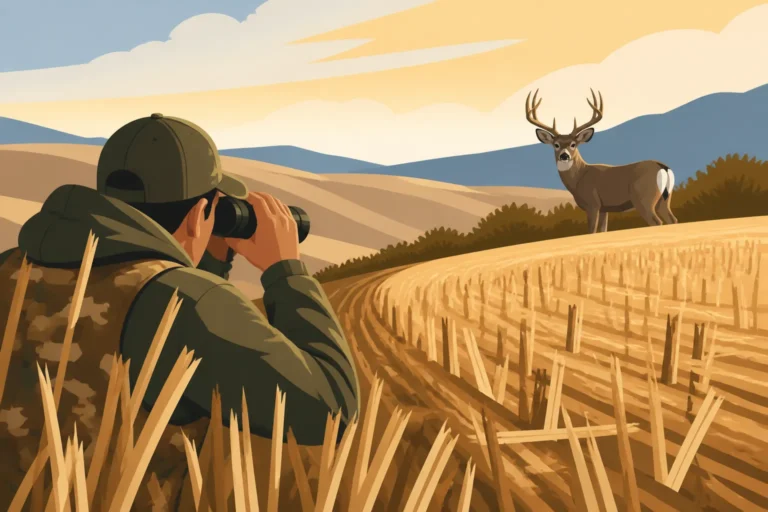
- Open Sagebrush and Clear Cuts: In Eastern Washington, especially when Glassing Sage and Wheat Edges for Washington Mule Deer, the snow might be patchy, or the wind might have blown many tracks clear. This is where your optics become your best friend. Instead of strictly following a track, you might follow a general line of travel, pausing frequently to glass ahead. The deer might travel for miles without leaving a continuous trail. You'll need to adapt your speed and use your binoculars more than your feet. A good pair of 10x binoculars can help you spot the next set of tracks far off in the distance.
- Steep, Rocky Country: The mountains present their own challenges. Tracks might disappear over rockslides or steep, wind-scoured ridges. Here, thinking like a deer is crucial. They will often choose the path of least resistance or a travel route that gives them a good vantage point. Look for saddles, benches, and sheltered areas on the leeward side of ridges. You'll need sturdy footwear like those recommended for Boots for Steep Eastside Country to navigate this effectively. Also, be aware of where Washington Winter Range Closures That End Late Hunts might apply, ensuring you don't inadvertently track a deer into a protected area.
Understanding Deer Behavior in Snowy Conditions
Deer aren't just aimlessly wandering in the snow; their movements are driven by survival instincts. Understanding these patterns can give you a significant advantage.
Feeding, Bedding, and Travel Patterns
A fresh snow often kicks deer into higher gear, especially if it's followed by cold temperatures. They know they need to keep their energy reserves up.
- Feeding: Bucks will often feed heavily immediately after a snowfall, trying to take advantage of whatever forage is still accessible. They might scrape away snow to get at fallen acorns, browse on young shoots, or seek out south-facing slopes where snow melts faster. Look for areas where the tracks indicate significant stopping, pawing, and browsing. Often, they’ll hit these feeding areas at first light and again in the late afternoon.
- Bedding: Once they've fed, deer will seek out sheltered bedding areas. In snowy conditions, this usually means dense cover out of the wind, often on a south-facing slope that catches sunlight. They might bed on a ridge offering a commanding view, allowing them to spot danger coming from below. Sometimes, a buck will bed down just a short distance from a feeding area. If you're tracking a buck that's been moving slowly, assume it's going to bed down soon, and approach with extreme caution. The closer you get to a bedding area, the slower and quieter you need to be. In many Washington units, this means focusing on thick reprod, mature timber, or brushy coulees where they feel secure.
- Travel Corridors: Deer will use the path of least resistance. In deep snow, this might mean established game trails, old logging roads, or ridge lines where snow is less deep. They might also utilize draws and creek bottoms for cover. If a buck is traveling, he's usually moving between a feeding area and a bedding area, or seeking out does during the rut. Observing the direction of travel and the type of terrain he prefers can help you predict his next move, especially if you get turned around.
The Impact of Weather on Deer Movement
Beyond the snow itself, other weather elements play a significant role.
- Temperature: Bitter cold will make deer move more to stay warm and seek calorie-rich food. They might also bed down in thicker cover to escape the wind. Milder, sunny days might see them out in the open more, soaking up the sun's warmth on south-facing slopes.
- Wind: High winds will push deer into sheltered areas, often on the leeward side of ridges or in deep draws. Tracking in windy conditions is tough, as your scent will swirl, and the wind noise will cover your movements. However, it also covers the sound of your movements, which can be an advantage.
- Fresh Snow vs. Crusted Snow: Fresh, soft snow is excellent for tracking, but it can be noisy for you to walk through. Crusted snow, on the other hand, might make less noise as you move, but it holds tracks poorly and can be incredibly loud for the deer to move through. Deer will often try to avoid noisy crusted snow, opting for deeper, softer snow if possible, or following trails others have broken. These variables drastically influence how deer choose to move and where they spend their time. For general hunting strategy in difficult conditions, consider tips from Hunting Blacktails in Fog and Rain, as many of the principles for quiet movement and careful observation apply.
Essential Gear and Preparation for Snowy Tracking
You can't track a buck effectively if you're cold, wet, or lost. The right gear and preparation are non-negotiable for success and safety in Washington's snowy backcountry.
Layering, Footwear, and Navigation
Staying warm and dry is paramount. When you're moving slowly, stopping frequently, and working hard, your body temperature will fluctuate wildly.
- Layering: A good layering system is your best friend. Start with a moisture-wicking base layer (merino wool or synthetic), add an insulating mid-layer (fleece or puff jacket), and top it with a waterproof/breathable outer shell. You'll be shedding and adding layers throughout the day. Remember that if you're Layering for Wet Cold Weather you'll need adaptable pieces. Don't forget a warm hat and gloves.
- Footwear: Your boots need to be waterproof, insulated, and provide excellent traction. Whether you're slogging through slush or navigating icy patches, proper footwear will prevent misery and potential injury. As mentioned earlier, specific boots designed for Boots for Steep Eastside Country are crucial in Washington's varied terrain. Gaiters are also a lifesaver, keeping snow out of your boots and preventing your pant legs from soaking up moisture.
- Navigation: Even if you're familiar with an area, snow can drastically change the landscape. A GPS device or a reliable phone app like those available through GoHunt, with offline map capabilities, is essential. Make sure you know how to use it! A compass and a paper map are also critical backups, especially when Downloading Offline Maps for Washington. You never want to be caught out without a way to find your way back, especially if you're tracking deep into unfamiliar territory.
Tools for the Trail and Safety Essentials
Beyond personal comfort, a few specific tools will make your tracking efforts more fruitful.
- Optics: Binoculars are always important, but even more so in snowy conditions. They allow you to glass ahead, verify tracks at a distance, and pick apart brush for a bedded buck without disturbing the area. A small spotting scope can also be useful in more open country for evaluating potential deer at extreme distances.
- Headlamp: Even if you plan for a day hunt, successful tracking can extend well past dark. A powerful headlamp with fresh batteries (and spares!) is crucial for finishing a blood trail, field dressing, or navigating back to your vehicle.
- First-Aid Kit: Accidents happen, especially in slick, cold conditions. A well-stocked first-aid kit is a must for any backcountry excursion.
- Communication: Cell service can be spotty in Washington's wilderness. A satellite messenger or two-way radio can be a lifesaver. Always tell someone your hunting plan, including your route and estimated return time, before you head out. Don't forget to check Checking Washington Road Closures Before You Go and understand Washington Winter Range Closures That End Late Hunts to avoid unexpected delays or restricted areas.
Tracking a buck in fresh snow is one of the most rewarding hunting experiences. It's an intimate chess match with an animal on its home turf. It demands patience, keen observation, and a willingness to learn from every track. By understanding the snow, interpreting the signs, adapting your strategy to the terrain, and preparing with the right gear, you'll significantly increase your chances of not just tracking a buck, but bringing home some delicious game meat, like what you'd expect for Deer Meat Yield From a Blacktail. Good luck out there, and stay safe.
Disclaimer
Hunting is an inherently risky activity. This guide provides general information and recommendations. Always prioritize safety, adhere to all Washington Department of Fish and Wildlife (WDFW) regulations, and respect private property. The author and publisher are not responsible for any accidents, injuries, or legal issues that may arise from using this information.