Mild Winters and Washington Elk Numbers
It’s a common frustration for Washington hunters: one year you’re seeing elk everywhere, the next it feels like they’ve vanished into thin air. Much of this perceived fluctuation, and the real shifts in herd health, can often be traced back to something as seemingly simple as how mild our winters have been. This guide will dive deep into how less severe winter conditions impact Washington’s iconic elk herds, from calf survival to migration patterns, helping you understand the bigger picture of herd dynamics.
The Subtle Dance Between Winter Severity and Elk Survival
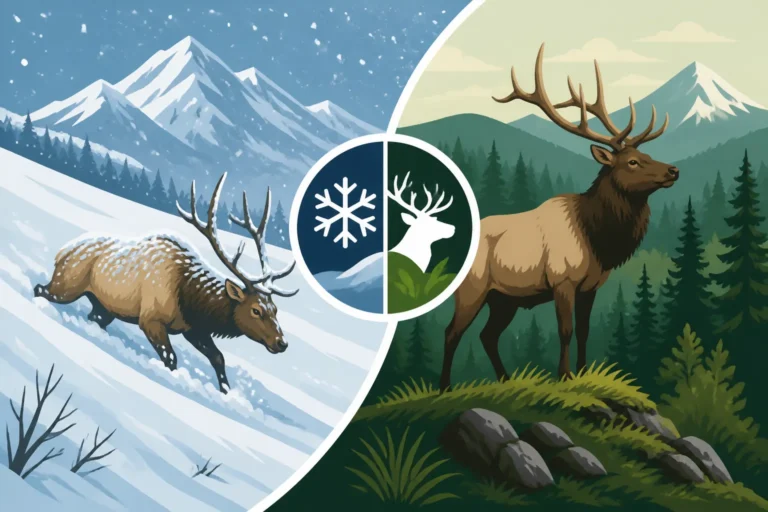
We often romanticize deep snows and harsh winters as part of the natural cycle, but for elk, especially the young and old, it's a brutal test of endurance. A mild winter, with less snow and warmer temperatures, fundamentally alters the playing field for their survival. It’s not just about comfort; it’s about calorie burn, predator evasion, and simply making it through to spring.
Direct Impact on Calf Survival
When you talk about the health of an elk herd, the first thing wildlife biologists look at is calf survival. Calves are born in late spring and early summer, and their first few months are critical. They need to put on enough weight and build up fat reserves to withstand their first winter. A harsh winter with deep, persistent snow means calves have to expend significantly more energy just to move around, let alone find adequate forage. Their smaller bodies have a higher surface-area-to-volume ratio, making them more susceptible to heat loss in cold conditions.
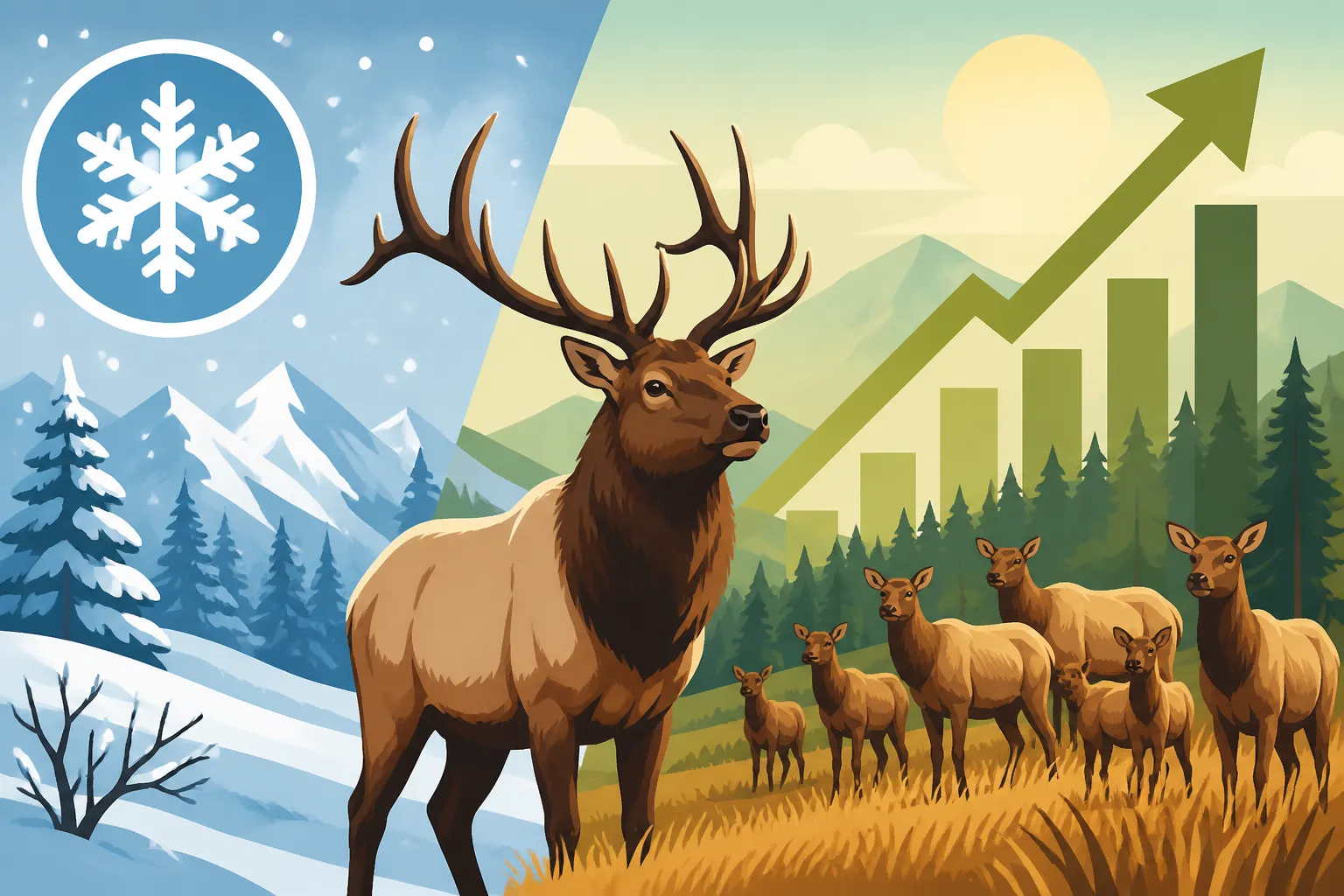
In a mild winter, however, calves often have a much easier time. Less snow cover means easier access to browse and residual forage that might otherwise be buried. They burn fewer calories simply navigating their environment, allowing them to conserve energy and maintain better body condition. This increased survival rate in their first year is a huge factor in overall herd growth. If you've been seeing more spikes or raghorn bulls in recent years, it could very well be a reflection of a few mild winters allowing more calves to reach maturity. This is a critical piece of the puzzle when we consider Elk Calf Survival in Washington.
Effects on Adult Cow and Bull Condition
It's not just the calves that benefit from an easier winter. Adult cows and bulls also experience a significant reprieve. Cows, particularly those that are pregnant, enter the winter period needing to sustain themselves and their developing calf. A severe winter can deplete their fat reserves, leading to a weaker cow, a smaller calf, or even pregnancy loss. When conditions are mild, cows can maintain their body condition much more readily, leading to healthier pregnancies and stronger calves come spring.
Bulls, too, feel the impact. While they're not carrying a calf, the rut takes a tremendous toll on their physical condition, often leaving them gaunt and depleted by late fall. Recovering from the rut in a harsh winter is a struggle, potentially affecting their antler growth in subsequent years and their overall longevity. A mild winter allows bulls to recover faster, regain lost weight, and enter the next rutting season in better shape. This overall improvement in adult health directly translates to better reproductive success and stronger animals for hunters to pursue, which impacts aspects like Bull-to-Cow Ratios in Washington Herds.
How Mild Winters Can Influence Elk Behavior and Distribution
Elk are creatures of habit, but their habits are deeply tied to the environment around them. When winter conditions deviate from the norm, so too do the elk. Understanding these shifts can give hunters a significant edge, or at least help explain why those traditional spots might be empty.
Changing Migration Patterns
One of the most immediate and noticeable effects of mild winters is on elk migration patterns. In many parts of Washington, elk have distinct summer and winter ranges. Deep snow in high country typically pushes them down to lower elevations where forage is more accessible and temperatures are less extreme. This predictable movement is something hunters often rely on, especially in late-season hunts.
However, when winters are mild, the snowline stays higher, or the snow that does fall melts quickly. This means elk don't face the same pressure to migrate to their traditional wintering grounds. They might linger at higher elevations longer into the season, or even stay there through the entire winter if conditions remain favorable. This can make them much harder to find if you're hunting those historical lower-elevation winter range areas. It requires a different scouting approach, maybe looking at terrain that usually holds deep snow by October or November but is now open and accessible. Sites like GoHunt provide valuable tools for analyzing historical weather and snowpack data for specific GMUs, which can inform these strategic decisions when you're E-Scouting a Washington GMU From Home.
Forage Availability and Quality
Beyond simply being accessible, the quality and quantity of available forage are profoundly affected by winter conditions. In a typical harsh winter, much of the palatable browse and herbaceous vegetation dies back or is buried. Elk rely on tougher, less nutritious woody browse, and must often dig through snow, which expends precious energy for minimal caloric return.
Mild winters extend the growing season and allow for better survival of understory plants. This means elk have access to more nutritious forage for a longer period. Green-up might happen earlier, and some plants might even retain more nutritional value through a mild winter. This direct access to better food sources contributes significantly to the improved body condition mentioned earlier. It’s like the difference between eating scraps and having a full, healthy buffet all winter long. Understanding these forage patterns can be key to Hunting a Recent Burn for Elk or other areas with specific vegetation.
The Broader Ecological Factors at Play Beyond Just Snow
While snow depth and temperature are the most obvious indicators of winter severity, their impact ripples through the entire ecosystem, affecting everything from predator-prey dynamics to disease prevalence and human interaction.
Predation Pressure in Easier Winters
It might seem counterintuitive, but a mild winter can sometimes lead to increased predation pressure on elk. When deep snows exist, predators like wolves and cougars often find it easier to hunt vulnerable prey, as elk are hindered by the snow. However, a mild winter means that elk are generally healthier and more mobile, making them harder targets for a quick kill.
So, why the increased pressure? With easier movement, predators have a larger range to cover, and if elk are more dispersed and harder to find, predators might work harder to locate them. If the prey animals are healthy, predators often need to exert more effort, potentially leading to a higher number of attempted hunts. Conversely, if there are more healthy calves surviving the mild winter, this can create an abundance of easier prey for predators like cougars who might target the young. The dynamic between Washington Wolves and Big Game is a complex one, and mild winters only add another layer to it. For hunters, knowing which areas are seeing higher predator activity can be crucial, and tools that track such data, like those found on GoHunt, can be very insightful.
Disease Transmission and Mild Conditions
Unfortunately, not all impacts of mild winters are positive. Less severe conditions can sometimes contribute to a higher risk of disease transmission within elk herds. When elk are stressed by harsh winters, they often disperse, reducing nose-to-nose contact. However, in mild winters, if forage is available over a wider area, elk might not be forced to spread out as much, or they might congregate in certain areas where prime feed remains.
These congregations, even if less dense than in a bottleneck winter range, can create opportunities for diseases to spread more easily. Diseases like hoof disease, which we see in Western Washington, or other respiratory illnesses, can potentially transmit more effectively when animals are in closer proximity for longer periods. It’s a delicate balance, and while individually animals are healthier, the collective risk for disease spread can sometimes be elevated. It’s a constant concern for WDFW as they monitor things like Elk Hoof Disease in Western Washington.
Human-Wildlife Conflict and Winter Range
Mild winters also have a direct bearing on human-wildlife conflict. When elk don't move to traditional winter ranges, they might stay in or move into areas that bring them closer to human habitation or agricultural lands. If winter forage remains accessible on private property or agricultural fields, elk will often take advantage, leading to crop damage, fence damage, or increased encounters with people and domestic animals.
This can create tension between landowners and wildlife managers, and sometimes results in more damage permits or hazing efforts. From a hunter's perspective, this means some herds might not be where you expect them, or certain areas that were once reliably "winter range" might see fewer animals. Conversely, private lands that usually aren't affected by elk in winter might suddenly see significant numbers. This makes understanding Washington Damage Hunt Opportunities or negotiating Getting Written Permission on Private Land even more vital in a landscape with changing animal behavior.
Monitoring Elk Numbers and Future Outlook for Washington Hunters
Understanding the impact of mild winters on elk populations is crucial for both wildlife managers and hunters alike. It helps us anticipate changes, plan our hunts, and contribute to the long-term health of these magnificent animals.
WDFW's Role in Population Management
The Washington Department of Fish and Wildlife (WDFW) plays a critical role in monitoring elk populations and making management decisions based on these dynamics. They conduct aerial surveys, collect hunter harvest data, and analyze environmental factors like winter severity to estimate herd sizes, calf recruitment, and overall health. When they see a trend of mild winters leading to higher calf survival, it informs their decisions on tag allocations, season structures, and herd objectives for specific Washington Game Management Units Explained.
It's a complex science, and they're constantly adapting. Hunters can support these efforts by diligently completing their Washington Harvest Reporting Requirements, as this data is invaluable for managers. When you report your hunt, whether successful or not, you're contributing to a larger dataset that helps paint a clearer picture of how Washington's elk are faring. This kind of transparency and data collection is vital, and resources from organizations like GoHunt can help you stay current on WDFW’s initiatives and reports.
What Hunters Can Do and How to Stay Informed
As hunters, we can’t control the weather, but we can adapt our strategies and stay informed. Here are a few ways to prepare for the continued influence of mild winters on Washington elk:
- Expand Your Scouting: Don’t just rely on traditional winter range areas. Use satellite imagery and online mapping tools to look for higher elevation areas that might retain forage and shelter through a mild winter. Be prepared to hunt in different terrain than years past, potentially in areas that previously had deep snow early in the season.
- Monitor Snowpack and Weather: Pay close attention to early season snow accumulation and temperatures in your target GMU. Websites and apps that track snow depth can give you real-time insights into whether elk are being pushed down or holding higher.
- Understand Herd Dynamics: Educate yourself on the specific herd you're hunting. What are its historical migration patterns? What is its typical calf survival rate? Websites and forums, as well as official WDFW reports, can be excellent sources of information.
- Support Conservation Efforts: Advocate for sound wildlife management practices and participate in habitat improvement projects. Healthy, diverse habitats are more resilient to changing environmental conditions, providing better forage and cover for elk in all types of winters.
The landscape of Washington hunting is always evolving, and understanding how environmental factors like mild winters shape elk numbers and behavior is a key part of becoming a more effective and ethical hunter.
Here's a quick summary of how mild winters can affect elk populations:
| Impact Area | Effect of Mild Winter | Hunter Takeaway |
|---|---|---|
| Calf Survival | ↑ Higher: Easier access to forage, less energy expended. | Expect more young animals in subsequent years. |
| Adult Body Condition | ↑ Improved: Faster recovery from rut, healthier pregnancies. | Stronger animals overall, better reproductive success. |
| Migration Patterns | ↓ Less Pronounced: Elk may stay at higher elevations. | Scout higher and atypical areas; traditional winter ranges may be less active. |
| Forage Availability | ↑ Better/Longer: Accessible, more nutritious food. | Elk can be more dispersed; look for less common feeding areas. |
| Predation Pressure | Variable: Potentially more attempted hunts due to dispersed prey. | Be aware of predator presence; elk might be harder to find due to dispersion. |
| Disease Transmission | ↑ Potentially Higher: Increased congregation in some areas. | Stay informed on local herd health reports; report sick animals to WDFW. |
| Human Conflict | ↑ Increased: Elk move closer to private lands/agriculture. | Research private land access opportunities; be mindful of land boundaries. |
Disclaimer
This article is for general informational purposes only and does not constitute professional advice. Laws, prices and regulations vary by location and change over time. Consult a qualified professional for guidance on your specific situation.