Snowpack Effects on Elk Survival
The arrival of winter in Washington always brings a mixed bag of emotions for hunters. On one hand, the snow can make tracking easier and reveal hidden migration patterns. On the other, the heavy snows can take a brutal toll on our magnificent elk herds, and understanding how snowpack affects their survival is crucial for appreciating the health of the population and for planning future hunts. This guide will delve into the profound impact Washington's snowpack has on elk survival, from the most vulnerable calves to the resilient mature bulls, and explore what these environmental shifts mean for the overall vitality of the herd.
The Critical Role of Winter Snowpack for Elk Survival
Winter in Washington is a formidable force, and for elk, the depth and duration of snowpack aren't just an inconvenience—they're a matter of life and death. The snow acts as a massive environmental filter, determining who survives and who doesn't, ultimately shaping the health and size of our state's elk populations. Hunters often focus on what they see during the season, but the conditions months prior have already set the stage.
How Deep Snow Impacts Foraging and Movement
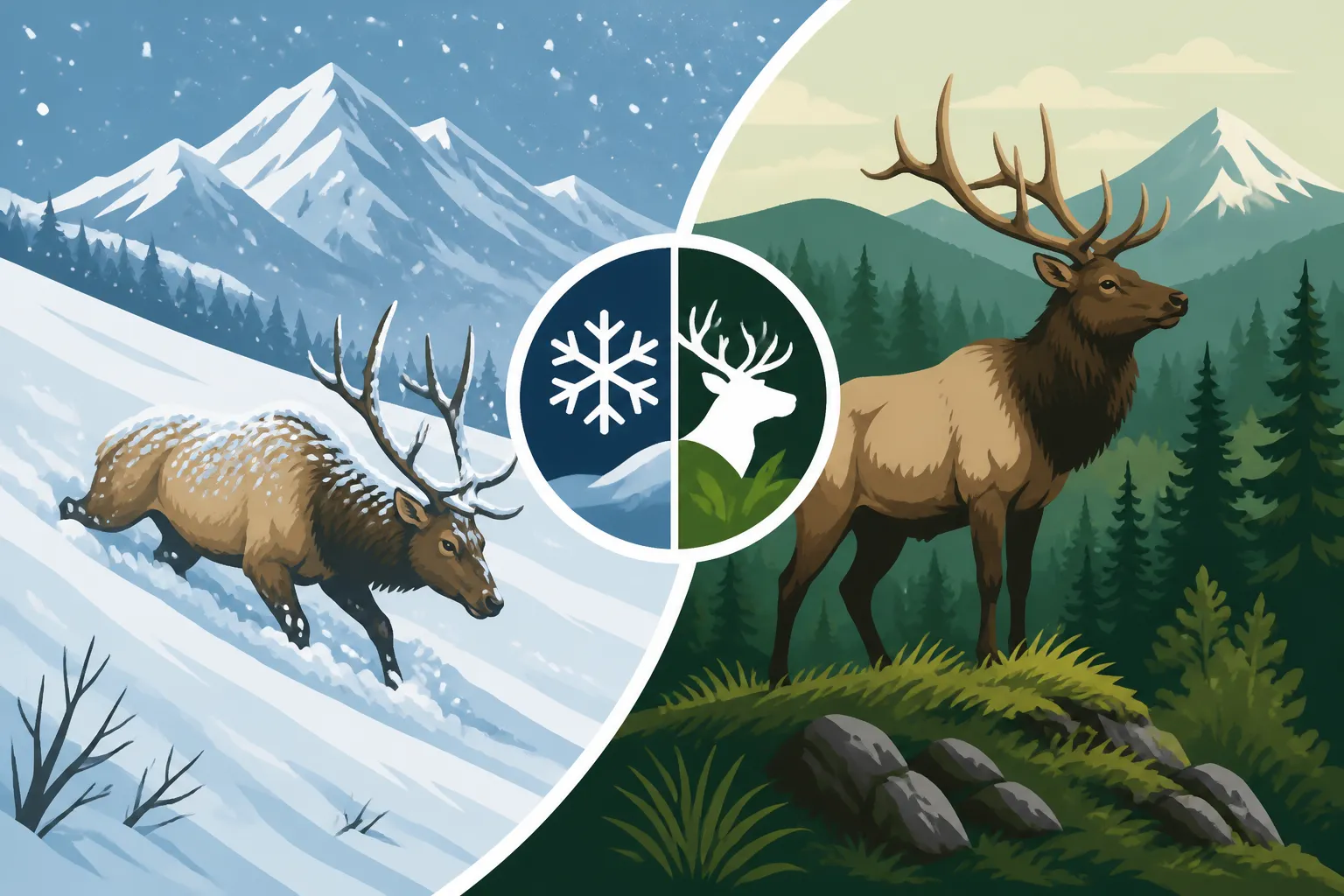
Imagine trying to find your dinner when it's buried under several feet of snow, and you have to dig it out with your nose and hooves, all while dragging your body through the heavy, wet stuff. That's the reality for Washington's elk in a harsh winter. Deep snow effectively buries available forage, especially the crucial grasses, forbs, and shrubs that elk rely on. They're forced to expend significantly more energy to locate and access food, often pawing through thick drifts just for a mouthful of frozen browse. This constant effort drains their fat reserves at an accelerated rate.
Beyond the energy cost of foraging, deep snow severely limits an elk's mobility. Moving through heavy snow is exhausting work, turning what would normally be an easy stroll into a taxing ordeal. This reduced mobility doesn't just make it harder to find food; it also makes elk, particularly the young, old, and weak, far more vulnerable to predation. Predators like wolves and cougars, while also facing challenges in deep snow, can often navigate these conditions more efficiently or target weakened prey with greater success. A winter with a light, intermittent snowpack allows elk much easier access to winter browse and makes movement between feeding and bedding areas relatively simple. Moderate snow can be managed, but persistent, deep snow, especially in areas without protective thermal cover, quickly pushes elk to their energetic limits.
The Energy Balance: Calories In vs. Calories Out
At its core, winter survival for elk is a delicate balance of calories. They enter the cold months having packed on fat reserves during the lush spring and summer, hoping these stores will carry them through the leanest times. A light snowpack allows them to maintain this balance relatively well; they can continue to browse and forage without excessive energy expenditure. However, when snow accumulates deeply and persists for extended periods, this equation flips dramatically. The energy required to simply move and stay warm, let alone dig for food, quickly surpasses the caloric intake from what little forage they can find.
This deficit rapidly depletes those hard-won fat reserves. If the winter is long and severe, elk can literally starve to death, even if browse is technically present but inaccessible under the snow. The quality of the forage they can access becomes paramount. If winter ranges are dominated by low-quality browse or if critical patches of higher-energy food are buried, the outlook becomes grim. Hunters observing elk after a particularly hard winter will often note how thin and drawn animals appear, sometimes with visible ribs, a stark reminder of the struggle to maintain this critical energy balance. This is why preserving and managing quality winter range is so vital, offering elk their best chance at survival when the snow flies.
Impacts on Different Age Classes: Calves, Cows, and Bulls
While deep snow affects all elk, its impact isn't uniform across the herd. Different age and sex classes face unique challenges, leading to varied survival rates and long-term consequences for the overall population structure. The health of a herd is often measured by its calf recruitment, and snowpack plays a huge role in that equation.
Vulnerability of Elk Calves to Harsh Winters
Elk calves are, without a doubt, the most vulnerable members of the herd when winter clamps down. Their smaller body size means they lose heat faster, and they have far less fat stored compared to adult elk. Their shorter legs make navigating deep snow incredibly difficult, turning every step into a Herculean effort. This combination of factors means calves are the first to succumb to starvation and exposure when winter conditions become severe.
High calf mortality in a severe winter directly translates to reduced recruitment into the adult population in subsequent years. If a significant percentage of calves don't make it through their first winter, the number of yearling bulls and cows available for hunting, and for future breeding, takes a measurable hit. Hunters often see fluctuating calf numbers from year to year, and while predation is certainly a factor, as discussed in Elk Calf Survival and Predation, a brutal winter can be just as, if not more, impactful. Understanding the severity of the previous winter's snowpack can offer critical insight into the prospects for calf survival and, therefore, the long-term health of the herd you're interested in hunting.
Effects on Breeding Cows and Future Reproduction
The health of the cows is the backbone of any elk herd. If breeding cows enter winter in poor condition due to insufficient forage or are severely stressed by deep snow, their reproductive success can be significantly compromised. A cow that is already struggling to survive might not conceive at all, or if she does, she might reabsorb the fetus or carry a calf that is smaller and weaker, and thus less likely to survive its first few months.
Even if a cow manages to carry a calf to term after a harsh winter, her milk production can be severely impacted, leading to a calf that faces an uphill battle from day one. These effects aren't just limited to the winter itself; they can ripple into the following spring and summer, influencing calf crops for potentially two or three years. Hunters and wildlife managers often track cow-calf ratios, and a noticeable dip can frequently be traced back to a prior harsh winter. When you see cows struggling, you know the future of that herd is also on shaky ground.
Mature Bulls and Their Wintering Challenges
While calves are the most fragile, mature bulls also face significant wintering challenges, though for different reasons. By the time winter arrives, bulls are often run down and depleted from the rigors of the rut. They've spent weeks bugling, fighting, and breeding, burning through vast amounts of energy and body fat. Consequently, they enter winter in a calorie deficit and are often not as well-equipped to handle prolonged periods of deep snow and limited forage as their female counterparts.
The energy demands of simply surviving a harsh winter mean less energy is available for recovery and, crucially, for growing impressive antlers the following year. A bull that barely scrapes through a tough winter might carry smaller antlers, or even "club" antlers, in the subsequent season as his body prioritizes survival over growth. The impact on antler size might not be immediately obvious to the casual observer, but for a hunter meticulously studying a GMU's herd dynamics, linking a noticeable reduction in antler quality to a recent severe winter can be a valuable piece of the puzzle. They need strong nutrition to rebuild.
Winter Range, Migration, and Human Factors
Snowpack isn't just about depth; it's about where the snow falls and where elk can go to escape it. This brings us to the critical concept of winter range and the often-complex interplay of natural migration patterns and human activity.
The Importance of Accessible Winter Range
When deep snow covers higher elevations, elk naturally migrate to lower country where snow depths are typically shallower, forage is more accessible, and thermal cover (like dense timber) offers shelter from the elements. These areas, known as winter ranges, are absolutely vital for elk survival. The availability and quality of these winter ranges can be the single most important factor determining how well a herd weathers a severe snowpack event. If these lower elevation areas are fragmented, degraded by development, or if access is blocked by human activity like road closures or private land no-trespassing rules, elk are forced to either stay in deeper snow or concentrate in smaller, less adequate areas.
Consider a herd that traditionally moves to a certain valley floor only to find it's now dotted with new homes, or where key access roads that would lead to less-pressured areas are now gated and closed for the season. This kind of situation compounds the natural stresses of winter. Understanding these migration corridors and critical wintering habitats is key for hunters. Tools like GoHunt can be invaluable here, offering detailed mapping layers that often highlight traditional winter ranges, helping you visualize where elk will likely be forced to congregate when the snow flies. This knowledge can also inform you about regulations such as Washington Winter Range Closures That End Late Hunts or Washington Roads Closed to Protect Wintering Deer, which are put in place to protect these vulnerable animals during critical times.
How Hunters Can Interpret Snowpack Data
For the dedicated hunter, understanding snowpack isn't just a matter of curiosity; it's a strategic advantage. By monitoring snow reports and comparing current conditions to historical averages, you can start to form predictions about herd health and even future hunting prospects. A series of mild winters with light snowpack generally allows elk to thrive, leading to higher survival rates, better body condition, and often, more robust antler growth. Conversely, a winter with persistent, deep snow, especially one following a dry summer, can be devastating.
Organizations like the National Weather Service, NRCS (Natural Resources Conservation Service) SNOTEL sites, and other local weather stations provide valuable data on snow water equivalent and snow depth. You can often find this broken down by specific basins. Learning to interpret this data, and then cross-referencing it with knowledge of specific GMUs, can give you an edge. For instance, if you're eyeing a particular unit, you could research its historical snow data on platforms like GoHunt and see how previous heavy or light snow years correlated with hunter success or observed elk populations. This proactive approach can help you decide which units might hold healthier animals, or conversely, which areas might have suffered significant losses, altering your strategy for Choosing an Elk Area Before You Buy a Tag.
Long-Term Implications for Washington's Elk Herds
The immediate impact of snowpack on individual elk survival is clear, but these effects also cascade into the long-term health and management of Washington's entire elk population. Wildlife managers are constantly weighing these factors when making decisions that directly affect hunters.
Herd Numbers and Management Decisions
A severe winter can set a herd back years, impacting not only the immediate number of surviving animals but also the reproductive potential for future seasons. If calf mortality is high and cows are in poor condition, it takes time for the population to rebound. Wildlife agencies like the Washington Department of Fish and Wildlife (WDFW) meticulously monitor these conditions. They rely on various methods, including aerial surveys and field observations—part of their broader effort in How WDFW Counts Big Game—to assess the impact of snowpack on herd numbers.
These assessments directly influence management decisions, particularly regarding tag allocations. After a particularly harsh winter, WDFW might reduce the number of tags issued for certain units, especially for antlerless permits, to help the herd recover. Conversely, a string of mild winters might allow for more liberal hunting opportunities. For the hunter, this means paying attention to WDFW's annual game pamphlets and any special announcements regarding herd conditions. The ability to buy a Washington Multi-Season Tags and Three Chances can offer some flexibility, but understanding the underlying herd health dictated by past winters remains paramount.
Predator-Prey Dynamics in Snowy Conditions
Deep snow dramatically shifts the balance of power in the predator-prey relationship. While elk are formidable animals, even healthy adults become disadvantaged in deep snow. Their mobility is hampered, and their energy reserves are stretched thin, making them easier targets for predators like wolves, cougars, and coyotes. Calves, in particular, become highly vulnerable. In conditions where elk are struggling to move and forage, predators can capitalize on the weakened state of their prey, leading to increased predation rates.
This dynamic is a source of concern for many hunters, especially in areas with growing predator populations. As discussed in posts like Wolf Impact on Elk and Deer and Cougar Predation on Washington Deer Herds, predators are a natural part of the ecosystem, but their impact can be magnified when elk are already stressed by severe weather. A harsh winter can create a "perfect storm" where stressed elk are more susceptible, leading to higher predator success rates. Wildlife managers must consider this complex interplay of snowpack, elk condition, and predator activity when formulating management strategies, striving for a balance that ensures the long-term health of all species.
Understanding the Bigger Picture: Data and Conservation
For those of us who cherish Washington's elk, understanding the snowpack's influence is more than just academic; it's about seeing the larger ecological picture. It reminds us that hunting isn't just about the chase; it's about participating in a system where every element plays a crucial role.
The Role of Citizen Science and Reporting
As hunters, we are often the eyes and ears on the ground, witnessing the effects of environmental changes firsthand. If you see elk in particularly poor condition during or after a severe winter, or observe concerning trends in calf numbers, reporting this information to WDFW can contribute valuable data to their management efforts. This citizen science helps round out the picture that official surveys and snowpack data provide, offering real-time insights from the field.
Additionally, becoming more knowledgeable about elk ecology, including their migration patterns and winter range use, empowers us to be better advocates for their conservation. This means supporting efforts to maintain and improve wintering habitats, understanding the necessity of certain road closures to protect vulnerable animals, and generally being a responsible participant in the ecosystem. Your observations on the landscape, especially when coupled with knowledge about topics like Elk Hoof Disease Symptoms, contribute to a comprehensive understanding of herd health.
Adapting Hunting Strategies to Snowpack Realities
Ultimately, the snowpack story impacts how we approach our hunts. Knowing that a previous harsh winter might mean fewer, smaller, or less robust animals in a particular GMU can help set realistic expectations. It might influence where you apply for special permits or which general season unit you choose. For instance, if you know a particular unit’s winter range was hammered, you might consider areas where snow was lighter or where winter range conditions are historically more resilient.
Conversely, a mild winter can signal a healthier herd, potentially leading to better success rates and larger animals in the following fall. By staying informed about snowpack trends and their documented effects on elk, you become a more effective and ethical hunter. You appreciate the resilience of these animals and understand the vital role that accessible, high-quality habitat plays in their survival, making you a more informed conservationist in the process. Keep an eye on reports about Elk Migration Timing in Washington, as severe snow can trigger earlier movements to lower elevations.
Key Factors of Snowpack Impact on Elk Survival
| Snowpack Level | Impact on Foraging | Impact on Movement | Calf Survival | Cow Reproduction | Bull Antler Growth | Overall Herd Health |
|---|---|---|---|---|---|---|
| Light | Easy Access | Easy Movement | High | High | Excellent | Robust |
| Moderate | Some Effort Needed | Moderate Effort | Good | Good | Good | Stable |
| Heavy | Difficult Access | Highly Restricted | Low | Compromised | Reduced | Stressed/Declining |
This table illustrates the general relationship, but remember that other factors like late spring snows, early fall storms, and localized conditions can also play a significant role. Always check specific area reports and historical data, which can often be found on platforms like GoHunt for detailed analysis.
Disclaimer
This article is for general informational purposes only and does not constitute professional advice. Laws, prices and regulations vary by location and change over time. Consult a qualified professional for guidance on your specific situation.