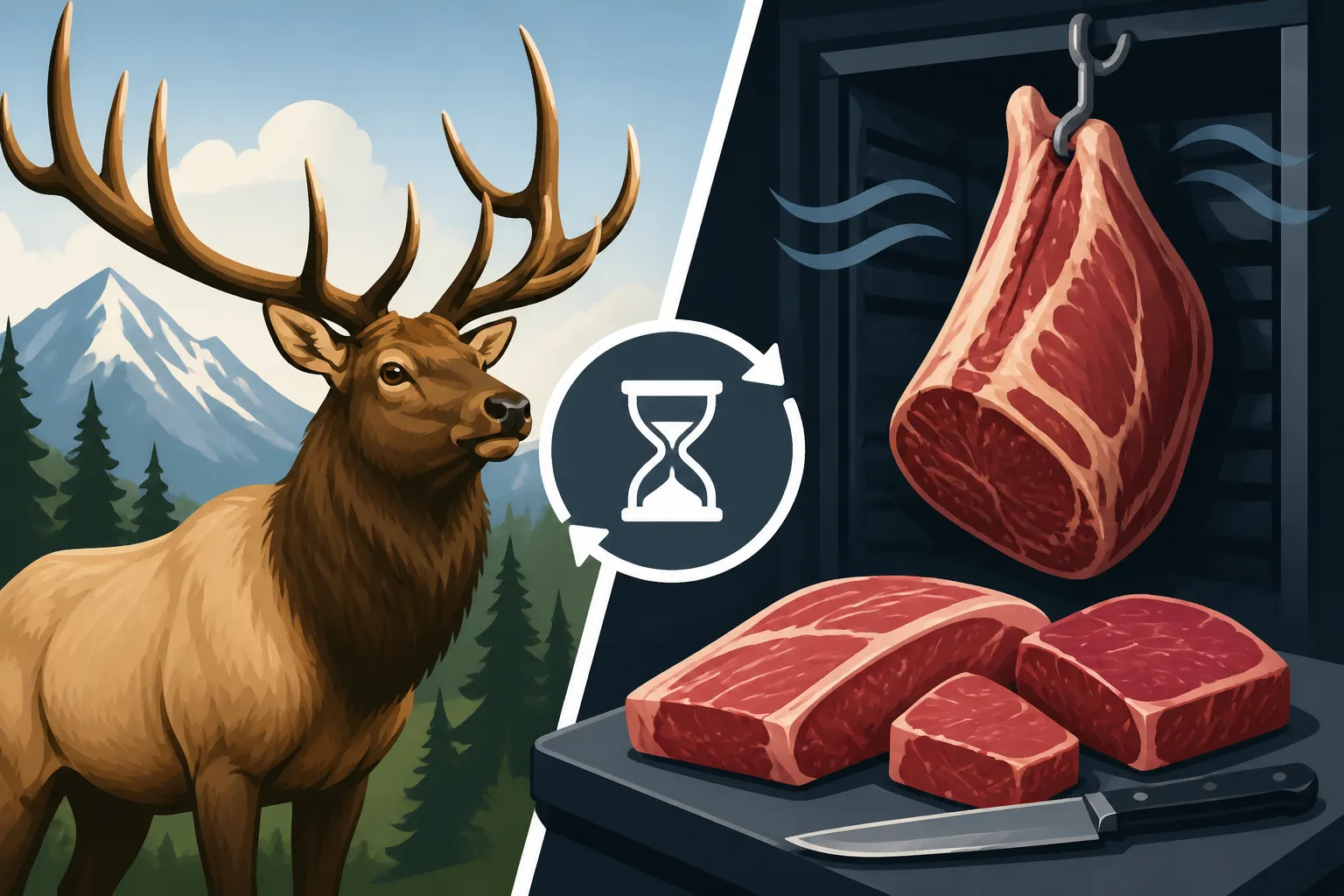
Aging Elk Meat Before Cutting
You’ve just punched your tag on a magnificent Washington elk – congratulations! That rush of adrenaline, the sense of accomplishment, it’s truly what we live for. But then the reality sets in: that mountain of meat needs to be handled, and handled right, if you want to honor the animal and enjoy every last delicious bite. One of the biggest questions that comes up is, "Do I age this meat, and if so, how?" This guide will walk you through the ins and outs of aging your hard-earned elk meat, ensuring it's as tender and flavorful as possible when it hits your plate.
Why Bother Aging Elk Meat at All?
After all that work packing an elk out of the backcountry, getting it cooled down, and hauled home, the idea of waiting even longer to process it can feel a bit counterintuitive. You might be tempted to just dive straight into cutting and wrapping. However, taking the time to properly age your elk meat can make a monumental difference in its tenderness and overall eating quality. It's an extra step, yes, but one that truly pays off, transforming good meat into great meat.
The Science Behind Tenderness and Flavor
When an animal is harvested, its muscles are full of glycogen. Shortly after death, this glycogen converts to lactic acid, causing the muscle fibers to stiffen in a process known as rigor mortis. If you try to cut and cook meat during or immediately after rigor, it will inevitably be tough, regardless of how perfectly you cooked it.
Aging, whether wet or dry, allows natural enzymes within the meat to start breaking down these tough muscle fibers and connective tissues. Think of it as a natural tenderizer at a microscopic level. This enzymatic process continues over several days, gradually relaxing the meat and increasing its tenderness. Furthermore, aging can contribute to a more concentrated, richer flavor. As moisture slowly evaporates from the surface during dry aging, the flavors become more intense. While wet aging retains more moisture, the enzymatic action still improves the flavor profile by breaking down complex proteins into simpler, more palatable compounds. It’s a delicate balance, but when done right, the results are undeniable.
Common Misconceptions and Fears
I’ve heard all the worries, and believe me, I’ve felt them myself. The most common fear hunters have about aging meat is spoilage. Nobody wants to waste a hard-earned elk. There's also concern about losing too much meat to trim, especially with dry aging, where a hard "pellicle" forms on the outside.
It’s true that improper aging conditions can lead to spoilage, but with the right knowledge and precautions, it’s entirely manageable. This isn't about leaving your meat in a warm shed to "hang" for a week. It’s about creating a controlled environment that encourages beneficial enzymatic action while preventing the growth of harmful bacteria. We're also not talking about trimming off half your elk. With good technique, the amount of meat lost to the pellicle is minimal compared to the gain in quality. Many new hunters, perhaps after using resources like GoHunt to plan their successful hunt, then turn to online communities for practical advice on post-harvest meat care, where these fears are often discussed and debunked by experienced folks.
Essential Conditions for Successful Elk Meat Aging
Aging meat isn't just about throwing it in a corner and hoping for the best. It requires specific conditions to encourage the desirable enzymatic changes while preventing spoilage. Think of it like a delicate science experiment, where temperature, humidity, and cleanliness are your critical variables. Get these right, and you’re well on your way to fork-tender elk.
Temperature Control: The Golden Rule
This is, without a doubt, the most critical factor in successful meat aging. Your goal is to keep the meat consistently between 34 and 40 degrees Fahrenheit (roughly 1 to 4 degrees Celsius). Why this narrow range? Below 34°F, the enzymatic breakdown slows dramatically, essentially halting the aging process. Above 40°F, you risk rapid bacterial growth, which leads to spoilage rather than tenderization.
Maintaining this temperature can be a challenge, especially if you’ve harvested an elk in warmer early-season conditions. The first step after the shot, even before you think about aging, is getting that core temperature down. Getting a Carcass Cooled Fast is paramount. Many hunters will immediately quarter their elk and get it into coolers with ice, draining the water regularly. If you're fortunate enough to have access to a walk-in cooler, a dedicated refrigerator, or even a garage in late-season Washington that naturally stays in this range, you're in luck. The key is consistency; wild temperature fluctuations can compromise the quality of your meat.
Humidity and Airflow: Preventing Spoilage
Beyond temperature, managing humidity and airflow is crucial. For dry aging, you want a humidity level of about 75-85%. Too low, and the meat will dry out excessively, leading to more trim loss. Too high, and you risk a slimy surface, which is a breeding ground for bacteria and mold. Good air circulation is also vital. Stagnant air allows bacteria to multiply.
To achieve this, hang your meat quarters so they aren't touching each other or any walls. If you're using a refrigerator, don't pack it full; allow space for air to move around the meat. Some folks use small fans on a very low setting to gently circulate the air in their aging space. This airflow helps create that desirable dry pellicle on the surface, which acts as a protective layer, minimizing bacterial penetration into the valuable meat underneath. This is where quality Game Bags for Warm-Weather Hunts come into play, protecting the meat while still allowing it to breathe.
Cleanliness: A Non-Negotiable Factor
This might seem obvious, but it bears repeating: cleanliness is non-negotiable from the moment you take the animal down. Any contamination introduced during field dressing, quartering, or transport can quickly compromise your aging efforts. Ensure all your tools – knives, saws, hands – are clean. Use clean game bags, and handle the meat as little as possible.
When setting up your aging space, it needs to be meticulously clean. Wipe down surfaces with a food-safe sanitizer. Avoid introducing any other food items or strong smells into the aging area, especially if it's a shared refrigerator. A clean environment ensures that the good enzymes can do their work without competition from spoilage bacteria. Remember, you’ve put in immense effort during the hunt; don’t let poor hygiene ruin your delicious reward.
Practical Methods for Aging Elk Meat
There are two primary methods for aging meat: dry aging and wet aging. Each has its pros and cons, and your choice might depend on your resources, experience, and personal preferences. Both, however, are designed to achieve the same goal: more tender and flavorful meat.
The Dry Aging Method: Ideal Conditions
Dry aging is often considered the gold standard for achieving superior flavor and tenderness. This method involves hanging whole or large primal cuts of meat, usually in game bags, in a carefully controlled environment. The ideal setup is a dedicated walk-in cooler or a large refrigerator with precise temperature (34-40°F) and humidity (75-85%) control, along with good air circulation.
During dry aging, moisture slowly evaporates from the meat's surface, concentrating its natural flavors. Simultaneously, the meat's natural enzymes break down connective tissues, leading to remarkable tenderness. A dark, crusty layer called a "pellicle" forms on the exterior of the meat. This pellicle protects the inner meat from bacteria but will need to be trimmed off before cooking, which results in some weight loss. Many traditional butchers use this method, and you'll find the most profound flavor changes here. If you have the space and ability to maintain those strict conditions, especially for a large animal like an elk, dry aging offers an unparalleled culinary experience. For hunters packing out quarters, knowing how to do Quartering and Packing an Elk Solo effectively is the first step to getting those primal cuts ready for the hanger.
The Wet Aging Method: A More Accessible Alternative
Wet aging is a far more common and accessible method for most home processors, especially for a large animal like an elk. This technique involves vacuum-sealing individual cuts or primal sections of meat shortly after cooling and then storing them in a refrigerator at that crucial 34-40°F range. Because the meat is sealed, there's no moisture loss, and therefore no pellicle forms, meaning minimal trim loss.
The enzymatic breakdown still occurs within the sealed bag, tenderizing the meat. However, because moisture isn't evaporating, the flavor profile tends to be milder than dry-aged meat, though still significantly improved compared to unaged meat. Wet aging is fantastic for those who don't have specialized equipment or sufficient space for dry aging. It’s also very practical for hunters who take their elk to a processor; many processors utilize this method by default. Just make sure your vacuum seal is airtight – any punctures can allow air and bacteria in, compromising the process. This method is also less forgiving if the meat wasn't thoroughly cooled down initially; any residual warmth trapped in the bag can accelerate spoilage.
Field Aging Considerations for Washington Hunters
Let's be real: not everyone has a walk-in cooler waiting at home, especially after a successful hunt deep in Washington's mountains. Sometimes, you need to start the aging process in the field, or at least manage the cooling process meticulously to prepare for aging. If you've just taken down an elk in the wilderness, particularly in early archery season when temperatures can still be warm, immediate action is crucial.
The first step is always proper field dressing. Field Dressing in Warm Early-Season Weather is not just about hygiene, but about opening up the body cavity to allow air to circulate and heat to escape. If you're using The Gutless Method on an Elk, you're already breaking the animal into more manageable, faster-cooling pieces. Get those quarters into quality game bags as quickly as possible. These bags protect the meat from flies and dirt while allowing it to breathe. Hanging quarters in a shady, breezy spot, especially overnight if temperatures drop significantly, can start the cooling process effectively.
However, true "aging" in the field is difficult to control. Your primary goal is to cool the meat rapidly to below 40°F. If you have a multi-day pack out, this means constantly monitoring and maximizing air circulation. Once you get the meat back to your vehicle, pack it immediately into coolers with ice. For larger animals, knowing Cooler Size for a Bull Elk is vital. It's not about letting the meat sit in water, but using the ice to draw out heat. Drain the meltwater frequently and replenish the ice as needed. Cooling Meat in a Pickup Bed can work for short drives, but for longer trips, those iced coolers are your best friend. The cleaner and colder you get the meat in the field and during transport, the better your chances of successful aging once you get it home.
How Long Should You Age Elk Meat?
This is where things can get a little subjective, as "perfectly aged" can mean different things to different people. However, there are some general guidelines and factors to consider that will help you decide on the optimal aging period for your elk.
Factors Influencing Aging Time
Several variables play a role in how long you should age your elk:
- Temperature Consistency: As we covered, stable temperatures between 34-40°F are key. Fluctuations can speed up or slow down the process, or even encourage spoilage.
- Initial Meat Condition: A perfectly shot, unstressed animal with minimal bruising will age more consistently than one that was chased, took a poor shot, or had extensive damage. Stressed animals can have tougher meat due to adrenaline dump.
- Size of Cuts: Whole quarters or large primal cuts will age slower and more thoroughly than smaller cuts. If you've broken your elk down into stew meat, it's generally not aged.
- Method of Aging: Dry aging typically takes longer to achieve maximum tenderness and flavor concentration compared to wet aging.
- Personal Preference: Some hunters prefer a shorter age for a milder flavor, while others crave the intense, nutty notes of longer-aged meat.
- Desired Tenderness: If your primary goal is tenderness, you might age it longer. If it's a balance of tenderness and mild flavor, a shorter period might suffice.
For those curious about the sheer volume of meat they're dealing with, Elk Meat Yield From a Roosevelt Bull can give you an idea of the task ahead.
General Guidelines and Knowing When It's Ready
For dry aging, most elk meat benefits from 7 to 14 days. Some adventurous folks will go 21-28 days, but this requires impeccable temperature and humidity control and a willingness to trim more pellicle. For a general guideline, 10-14 days at 34-40°F will yield excellent results for tenderness and a noticeable flavor improvement.
For wet aging, 5 to 10 days in the vacuum seal at refrigerator temperatures is often sufficient. Since there's no moisture loss, the flavor concentration isn't as pronounced, but the tenderization still occurs effectively. Some might extend this to 14 days, but generally, beyond two weeks, the benefits start to plateau, and you risk off-flavors developing in the anaerobic environment of the bag.
How to tell it's ready (dry aging): The pellicle will be dark, dry, and almost leathery. The meat underneath should still look bright red. You might notice a slightly "gamey" or "nutty" aroma, but never foul.
How to tell it's ready (wet aging): The vacuum seal should still be tight. The meat might be darker due to lack of oxygen, but the liquid in the bag should be clear, not cloudy, and without a strong, sour odor.
When you're ready to cut, resources like Cutting and Wrapping Your Own Deer offer similar principles that can be applied to elk, from separating muscle groups to proper wrapping for freezer storage. Don't forget to gather all your trim for Grinding Burger From Trim!
When Not to Age Meat
While aging generally improves meat, there are times when it's best to process your elk immediately:
- Poorly Shot Animal: If the animal was gut-shot or extensively bruised, the affected meat should be trimmed immediately. The risk of bacterial contamination from stomach contents or damaged tissue is too high to risk aging.
- Stressed Animal: An elk that was run hard before the shot, or took a long time to expire, will often have less glycogen in its muscles, meaning less lactic acid conversion and a tougher outcome. While some aging might help, prolonged aging won't magically fix deeply stressed meat.
- Compromised Cooling: If you couldn't get the meat cooled down quickly enough in the field, or if it was exposed to warm temperatures for an extended period, the risk of spoilage is too high. Prioritize cooling and immediate processing over aging in these scenarios.
- Inconsistent Temperatures: If you cannot maintain a stable temperature range, especially if your aging space fluctuates above 40°F, do not age the meat. It's better to have unaged but safe meat than potentially spoiled meat.
- Off-Smells or Sliminess: If at any point during the aging process you detect a foul odor or notice a slimy texture, especially in wet aging bags, it's a strong indicator of spoilage. Trust your nose and err on the side of caution.
If you don't have the ideal setup or feel uncomfortable with the process, many local butchers and meat processors offer aging services. However, during hunting season, they're often swamped, so booking ahead and understanding their processes, as you would when Finding a Processor in Hunting Season, is a smart move.
| Feature | Dry Aging | Wet Aging |
|---|---|---|
| Method | Meat hung in controlled temp/humidity | Vacuum-sealed in refrigerator |
| Tenderness | Excellent, enzymatic breakdown | Good, enzymatic breakdown |
| Flavor | Concentrated, richer, nutty | Milder, more "fresh meat" flavor |
| Moisture Loss | Significant, forms pellicle | Minimal, meat retains juices |
| Trim Loss | Yes, pellicle must be trimmed | Minimal to none |
| Space Req. | Dedicated cool room/large fridge, airflow | Standard refrigerator space |
| Control Req. | Strict temp/humidity/airflow control | Strict temp control, good seal |
| Duration | 7-28 days (avg. 10-14 for elk) | 5-14 days (avg. 7-10 for elk) |
| Risk | High if conditions are not met | Lower if meat is clean & seal is good |
Disclaimer
This article is for general informational purposes only and does not constitute professional advice. Laws, prices and regulations vary by location and change over time. Consult a qualified professional for guidance on your specific situation.