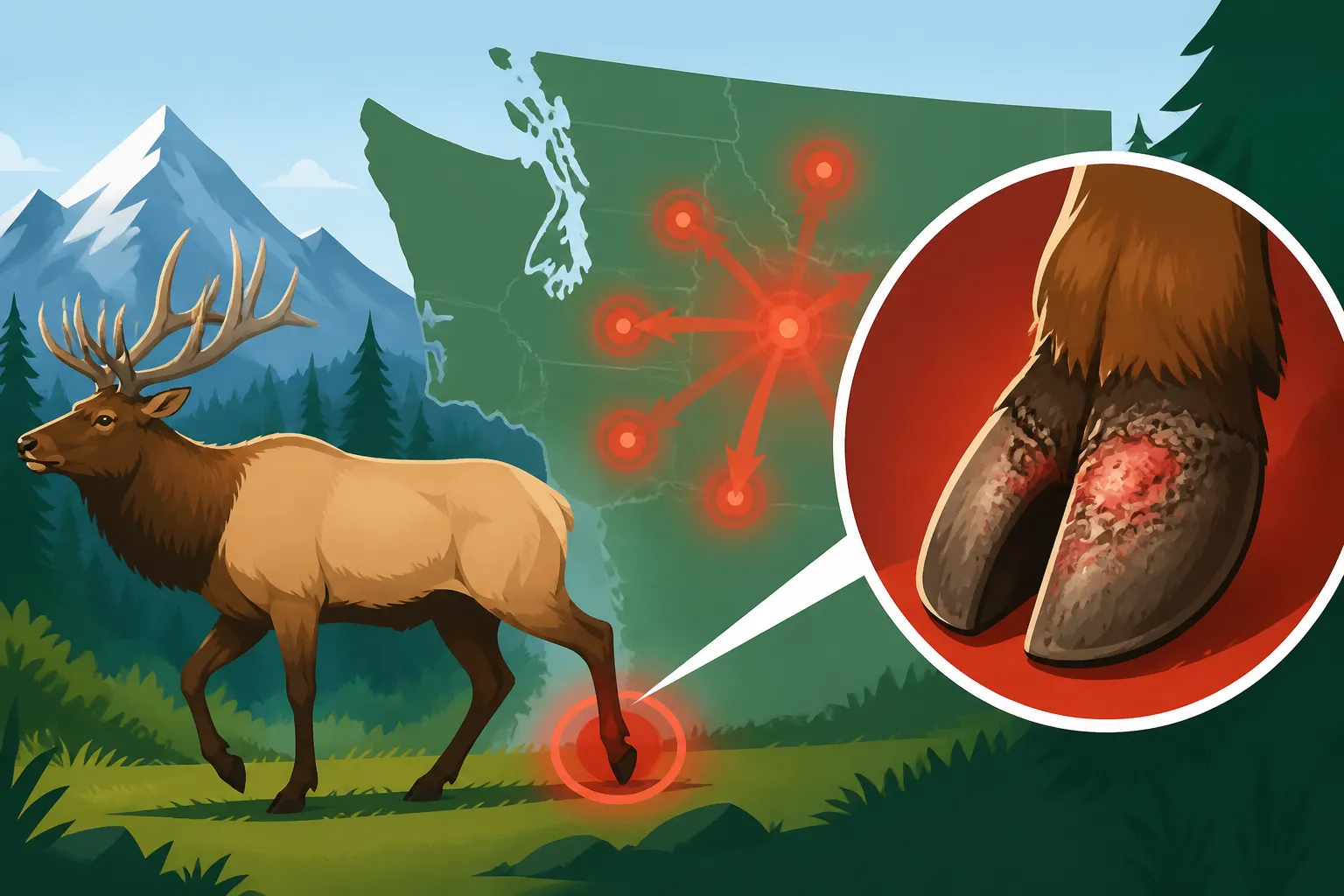
Elk Hoof Disease Spread in Washington
It's incredibly frustrating when you hear about something threatening the wildlife we cherish, especially our magnificent elk. The thought of these powerful animals suffering from something as debilitating as hoof disease is truly heartbreaking, and it raises a lot of questions about what's happening in our Washington woods. This guide aims to shed light on elk hoof disease, how it spreads, its impact, and what we as hunters and conservationists can do to help understand and potentially mitigate its effects across our beautiful state.
Understanding Elk Hoof Disease: More Than Just a Limp
When you're out in the field, whether scouting or actively hunting, seeing an animal that's struggling is tough. Elk hoof disease, often referred to as treponeme-associated hoof disease (TAHD), isn't just a minor issue; it's a significant health problem for Washington's elk. It's easy to dismiss a limping animal as having a simple injury, but with TAHD, the problem is much deeper and more widespread, leaving hunters feeling concerned about the health of the herds they pursue.
Identifying the Telltale Symptoms in the Field
Imagine a majestic bull, typically moving with powerful grace, struggling to put weight on a leg. That's often the first visible sign of elk hoof disease that catches a hunter's eye. The disease primarily affects the hooves, causing severe lameness that can range from a slight limp to an animal barely able to move. I've personally seen elk that look like they're walking on stumps, and it's a sight that sticks with you.
The most striking symptoms involve deformities of the hooves themselves. You might observe overgrown, cracked, or broken hooves. Sometimes, the hoof capsule can even partially or completely slough off, exposing the underlying sensitive tissue. This isn't just uncomfortable; it's incredibly painful and makes it nearly impossible for an elk to travel, forage, or escape predators. It can affect one hoof or all four, and the severity can vary greatly. The problem isn't just the physical damage, but the constant pain and mobility issues that make daily survival a monumental task for the animal. For more detailed visual cues, refer to resources on Elk Hoof Disease Symptoms.
The Bacterial Culprit and How It Works
So, what's causing all this misery? At its core, elk hoof disease is caused by a group of bacteria, specifically Treponema bacteria, which are related to the organisms that cause foot rot in domestic livestock. These bacteria invade the sensitive tissues of the hoof, leading to inflammation, infection, and the grotesque deformities we observe. It's a progressive disease, meaning it gets worse over time if the animal isn't able to recover, which is often not the case in the wild.
It's important to understand that while the bacteria cause the physical damage, the disease itself isn't typically an immediate killer. Instead, it's a debilitating condition that makes elk vulnerable to secondary infections, starvation, and predation. An elk with severely diseased hooves cannot outrun a cougar, cannot easily navigate deep snow, and will struggle to reach prime forage areas. This prolonged suffering is what truly makes TAHD such a concern for anyone who cares about Washington's elk.
Tracing the Spread Across Washington's Elk Country
The spread of elk hoof disease has been a significant management challenge and a source of worry for hunters and wildlife managers alike. What started as a localized problem has slowly but steadily made its way into new areas, raising questions about where it might appear next.
Where It Started and Its Current Reach
Elk hoof disease was first identified in the late 1990s in southwest Washington, specifically impacting The Willapa Hills Elk Herd. Since then, it has unfortunately expanded its range. Initially concentrated in areas like Cowlitz, Wahkiakum, and Lewis counties, evidence of the disease has now been found in elk herds throughout much of western Washington, extending north towards the Olympic Peninsula and even into some areas east of the Cascades.
This creeping expansion is what makes the disease so insidious. It doesn't explode overnight across vast territories but rather establishes itself in new areas, slowly becoming endemic. Wildlife agencies meticulously track these occurrences, using hunter reports and field observations to map its progression. While GoHunt is a fantastic resource for scouting new units and understanding terrain, it's equally important to cross-reference that with current WDFW advisories regarding herd health in specific Washington Game Management Units Explained.
Factors Contributing to Its Transmission
Understanding how the disease moves is crucial to grasping why it's so difficult to contain. Several factors are believed to contribute to the spread of Treponema bacteria among elk populations. High elk densities can certainly facilitate transmission, as more animals in close contact mean more opportunities for bacteria to pass from one to another. Think of it like a crowded daycare—bugs spread faster.
Wet, muddy environments are also thought to play a significant role. The bacteria thrive in moist conditions, and prolonged exposure to saturated soils, especially in wallows or feeding areas, can increase the chances of infection. Washington's typically wet climate, particularly on the west side, creates ideal conditions for the bacteria to persist in the environment. Additionally, the natural movement and migration patterns of elk contribute to the spread. An infected animal moving into a new drainage can introduce the bacteria to a previously unaffected population, gradually extending the disease's footprint. Even when you're using detailed mapping applications, maybe like those offered by GoHunt, to identify potential elk hot spots, always consider the possibility of encountering hoof disease, especially in known affected areas.
Impact on Washington's Elk Herds
The long-term impact of elk hoof disease on Washington's herds is a major concern. It's not just about individual suffering; it's about the health and vitality of the entire population. Severely affected elk have a reduced chance of survival, which can lead to declines in herd numbers, especially in hard-hit areas. This can influence overall herd productivity and calf survival rates, as diseased cows may struggle to carry calves to term or effectively care for them. Hunters often notice a lack of vibrancy in certain local herds where the disease has taken hold, a palpable shift from the robust populations they once knew.
| Aspect | Description |
|---|---|
| Cause | Treponema bacteria, similar to those causing foot rot in livestock. |
| Primary Symptoms | Severe lameness, overgrown, deformed, cracked, or sloughing hooves. Often affects multiple hooves. |
| Severity | Ranges from mild limping to complete inability to bear weight. Causes significant pain and secondary issues. |
| Mode of Spread | Direct contact between elk, environmental contamination (wet, muddy areas). |
| Geographic Spread | Started in southwest Washington (Willapa Hills), spread throughout much of western Washington, and occasionally noted east of Cascades. |
| Impact on Elk | Increased susceptibility to predation, starvation, secondary infections. Reduced Elk Calf Survival in Washington. Overall herd health decline. |
| Hunter's Role | Observe, report suspect animals (even harvested ones), practice good field hygiene, stay informed about WDFW advisories. |
The Hunter's Role in Monitoring and Management
As hunters, we spend more time in the woods than many. We're often the first to notice changes in wildlife behavior or health. Our observations are not just casual; they are critical to the Washington Department of Fish and Wildlife's (WDFW) efforts to monitor and manage this disease. It's easy to feel helpless in the face of such a problem, but every hunter can contribute valuable information.
Why Your Observations Matter: Reporting Suspect Animals
Your eyes in the field are invaluable. If you see an elk exhibiting signs of hoof disease – any lameness, overgrown hooves, or visible lesions – it's crucial to report it. WDFW relies heavily on these citizen science reports to understand the prevalence and geographic extent of the disease. This isn't just about curiosity; it helps them track the spread, identify emerging hotspots, and inform management decisions. Even if you're merely scouting for game, an observation of a limping elk can be a vital piece of data.
Reporting is straightforward. You can usually do it through the WDFW website or by contacting your regional WDFW office directly. They'll ask for details like the date, time, location (GPS coordinates are ideal), and a description of the animal and its condition. Don't assume someone else will report it; your individual report contributes to a larger, more accurate picture. When you submit a report, you're not just pointing out a sick animal; you're actively participating in wildlife management, something every responsible hunter should consider a part of their ethic. If you ever need to report a sighting, check the WDFW guidelines on Reporting a Limping Elk to WDFW.
Ethical Considerations and Carcass Handling
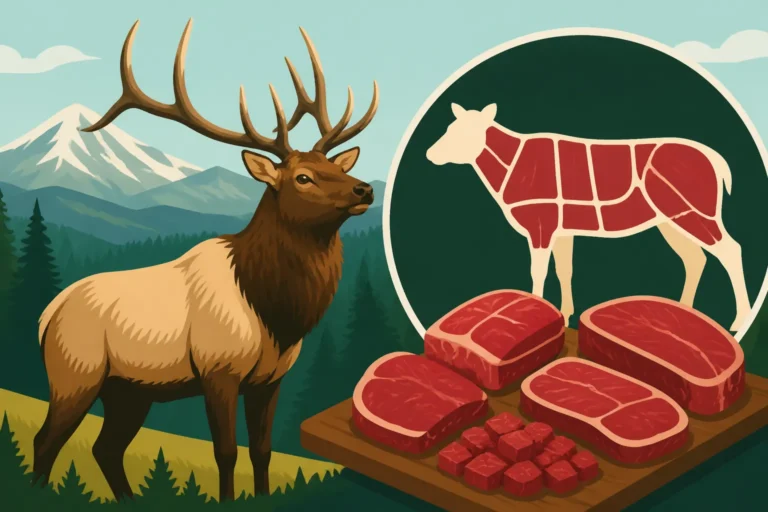
What if you harvest an elk, and upon field dressing, you discover it has hoof disease? This is a scenario many hunters dread, but it's important to know how to respond ethically and safely. First, regarding meat safety, WDFW generally advises that elk meat from an animal with hoof disease is safe to eat, provided the animal appears otherwise healthy and the meat is properly handled. The disease primarily affects the hooves and doesn't typically contaminate the muscle tissue. However, if you have any doubts, or if the animal appears emaciated or otherwise unhealthy, it's always best to contact WDFW for guidance.
When it comes to the diseased hooves, it's critical to minimize potential further spread. Avoid leaving diseased hooves or lower legs in the field if possible. If you must leave them, try to do so in an area where elk aren't likely to congregate. Better yet, bag them and dispose of them properly with household waste to prevent further environmental contamination. Beyond that, practice good hygiene. Thoroughly clean your boots, gear, and vehicle tires after leaving an area where you suspect or know the disease is present. Just as you'd clean your gear after Field Dressing in Warm Early-Season Weather, extend that care to prevent disease spread. This includes cleaning any mud or debris from your hunting boots, especially if you traverse areas with wet soil, as highlighted in discussions around Boots for Washington's Eastside Rock and Westside Mud.
Broader Implications for Washington Hunting
The presence and spread of elk hoof disease aren't just an ecological concern; they have practical implications for hunters in Washington. From potential changes in how seasons are managed to the ongoing efforts in research, this disease ripples through the entire hunting experience.
Potential Changes to Season Structure or Permits
Wildlife agencies are constantly balancing herd health with hunting opportunities. A widespread or severe outbreak of elk hoof disease in a particular area could potentially lead to changes in season structure or permit allocations. This might include efforts to reduce herd densities in affected areas, which could mean increased antlerless permits or longer seasons in certain Game Management Units (GMUs). Conversely, if the disease severely impacts a herd's overall population, WDFW might consider reducing permits to allow the herd to recover.
These decisions are not made lightly and are based on extensive data collection and scientific analysis. Hunters must stay informed about these potential changes by regularly checking the WDFW regulations and advisories, which are typically outlined in the annual Washington Big Game Pamphlet Release. Understanding that diseases like TAHD can influence hunting regulations helps us prepare for adjustments and appreciate the complex management challenges WDFW faces. While tools like GoHunt can help you plan your hunt, always verify the latest regulations directly from WDFW before heading into the field.
Research and Long-Term Management Strategies
Washington's wildlife managers aren't just sitting by idly. They are actively engaged in ongoing research to better understand elk hoof disease, its exact mechanisms, environmental triggers, and potential management strategies. This includes studying the specific bacteria involved, investigating why some elk seem more susceptible than others, and exploring how environmental factors contribute to its persistence and spread. Understanding where specific elk herds live and move, a feature you can often research through platforms like GoHunt, can indirectly help you grasp the potential trajectory of disease spread, though WDFW remains the primary source for actual disease data.
The goal is to develop effective long-term strategies that can mitigate the disease's impact, protect healthy herds, and ultimately restore the vitality of affected populations. This is a complex, multi-faceted challenge, requiring collaboration between researchers, wildlife biologists, and the public. As hunters, supporting these research efforts, whether through reporting observations or understanding the need for adaptive management, is a vital part of being responsible stewards of Washington's incredible elk resource. Learning about programs such as Washington Wildlife Disease Surveillance can give insight into the broader efforts to protect our state's game animals. The long-term health of our Washington Elk Herds and Where They Live depends on it.
Disclaimer
This article is for general informational purposes only and does not constitute professional advice. Laws, prices and regulations vary by location and change over time. Consult a qualified professional for guidance on your specific situation.