Mule Deer Numbers in Washington
For many of us who dream of glassing a big mule deer buck on a distant ridge, understanding mule deer numbers in Washington can feel like trying to hit a moving target. It's frustrating to invest time and energy scouting, only to wonder if the population in your chosen unit is even healthy enough to offer a realistic chance. This guide aims to pull back the curtain on Washington's mule deer populations, what factors genuinely affect their numbers, and how you can use this knowledge to become a more informed and successful hunter.
The Reality of Washington's Mule Deer Numbers
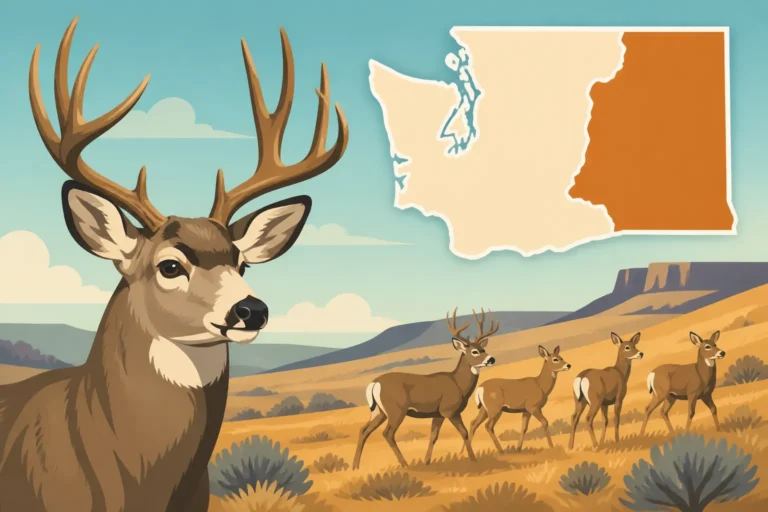
Let's be honest, for many hunters, the perception is that mule deer numbers in Washington aren't what they used to be. And in many areas, that perception holds true. Washington's mule deer populations, primarily found east of the Cascades, have faced a series of challenges over the decades. While specific numbers fluctuate year to year and region to region, the overall trend in many traditional mule deer strongholds has been one of stagnation or even decline compared to historical peaks.
We’re not just talking about anecdotes around the campfire here; wildlife biologists spend countless hours tracking these animals, and their data often reflects a population struggling with various pressures. For instance, the mule deer of Eastern Washington tend to be more susceptible to harsh winter conditions than their whitetail cousins. These populations aren't a uniform blob across the landscape; they exist in distinct herds, each with its own health and challenges. Some areas, like parts of the Okanogan or the Blue Mountains, might hold more stable or even growing populations, while others struggle. It's crucial for hunters to look beyond general statements and delve into the specifics of the Game Management Unit (GMU) they plan to hunt. Understanding Mule Deer Numbers in Washington requires looking at these localized dynamics.
Factors Influencing Mule Deer Populations
The health of a mule deer herd is a complex tapestry woven from many threads. It's never just one thing, and often, factors interact in ways that compound the challenges these animals face.
Habitat Loss and Fragmentation
One of the biggest silent killers of wildlife populations, including mule deer, is the slow, relentless creep of habitat loss. As human populations grow and expand, mule deer winter range, migratory corridors, and fawning grounds are converted to agriculture, housing, or other developments. This fragmentation isolates herds, makes migration more dangerous, and reduces the quality and quantity of available forage. Even seemingly minor changes, like new fencing or increased road traffic, can stress deer and reduce their ability to thrive. Areas once considered prime Mule Deer Winter Range and Survival are shrinking, pushing deer into less optimal areas where survival rates may drop.
Climate and Environmental Stressors
Washington experiences a diverse climate, and mule deer are particularly sensitive to its extremes.
Drought Conditions and Forage Quality
Extended periods of drought, especially in Eastern Washington's drier regions, directly impact forage quality and water availability. Deer rely on nutritious forage for growth, antler development, and, critically, to put on fat reserves for winter. When droughts reduce the availability of high-quality browse, does might struggle to conceive, fawns can be weaker, and overall herd health declines. This isn't just about finding any food; it's about finding food with the right nutritional value.
Harsh Winters and Disease
Conversely, exceptionally harsh winters with deep, prolonged snow can be devastating. Deep snow makes foraging difficult, burns through fat reserves quickly, and can lead to starvation, especially among fawns and older animals. When deer are stressed by winter conditions, they also become more susceptible to diseases. While Washington doesn't currently face Chronic Wasting Disease (CWD) challenges in its deer herds, other diseases can still impact local populations. The interplay of food scarcity, deep snow, and disease can lead to significant drops in Mule Deer Fawn Recruitment, which directly affects future hunting opportunities.
Predation Pressure
Predation is a natural part of any ecosystem, but its impact on mule deer numbers can be substantial, especially when combined with other stressors. Cougars, coyotes, and increasingly, wolves, all prey on mule deer.
Cougars and Coyotes
Cougars are formidable predators of deer, and their populations are healthy in many parts of Washington. While they play a vital role in keeping deer herds robust by culling weaker animals, a high density of cougars in an area already struggling with habitat or climate issues can suppress mule deer recovery. Coyotes, though smaller, are efficient predators of fawns, and their ubiquitous presence means they exert constant pressure on young deer. Hunters often see evidence of this predation in the field, further validating their concerns about deer numbers.
Wolf Reintroduction and Expansion
The presence of wolf packs, particularly in Northeast Washington and parts of the Cascades, adds another layer to the predation dynamic. While wolves primarily target elk in many areas, they are opportunistic predators and will take mule deer. The impact of wolves on Mule Deer Numbers in Washington is a contentious and complex issue, with ongoing studies trying to quantify their specific effect in different GMUs. Hunters observing increasing wolf sign in their traditional mule deer hunting grounds often voice concerns about future deer populations.
Hunting Pressure and Management Strategies
Regulated hunting is generally considered a sustainable way to manage wildlife, but it must be carefully balanced with population health. Washington's Fish and Wildlife Department (WDFW) uses harvest data, aerial surveys, and field observations to set tag numbers and season structures.
General Season vs. Special Permits
For mule deer, hunters typically have general season opportunities in many GMUs, but there are also special permit hunts for specific units or antlerless deer, often aimed at achieving particular management goals. The WDFW tries to balance hunter opportunity with population objectives, and sometimes, this means reducing tag numbers in areas where populations are struggling or increasing them where deer are robust. For many hunters, utilizing resources like GoHunt to analyze historical draw odds and harvest data can be crucial for selecting a unit with higher chances of success, reflecting healthier local populations. Understanding how Washington Special Hunt Permits and How to Apply can be a game-changer for accessing quality hunting areas.
Antler Point Restrictions
Some units implement antler point restrictions, like the popular three-point minimum, to protect younger bucks and allow them to reach older age classes and greater antler growth. While these rules aim to improve buck quality, their direct impact on overall mule deer numbers (does and fawns) is less direct and more focused on herd age structure and genetic potential. Hunters should always double-check Washington's Three-Point Rule and What Counts before heading afield.
Finding Mule Deer in Washington: Applying Population Knowledge
Knowing about population trends is one thing, but translating that into boots-on-the-ground success is another. When you understand the factors affecting mule deer, you can make more informed decisions about where and how to hunt.
E-Scouting and Research
Before you even step foot in the field, thorough e-scouting can give you a massive advantage. Start by studying WDFW’s hunt planner maps and GMU regulations. Look at past harvest reports for units you're interested in; these often provide insights into hunter success rates and the number of deer harvested. While not a direct count of the population, consistent high harvest numbers can suggest a healthy, huntable population. Many hunters find tools like GoHunt invaluable for this type of detailed research, cross-referencing information to identify units that align with their hunting goals and perceived population health. Don't forget to leverage E-Scouting Washington GMUs Before the Draw to maximize your chances.
Table: Key Factors Affecting Washington Mule Deer Populations
| Factor | Impact on Mule Deer Numbers | Hunter Takeaway |
|---|---|---|
| Habitat Loss | Reduces total carrying capacity, fragments herds. | Prioritize large blocks of public land, look for healthy transitions zones. |
| Drought | Decreases forage quality, weakens deer. | Focus on areas with consistent water sources or irrigated edges. |
| Harsh Winters | Increases mortality, especially fawns and older deer. | Hunt migration routes in early seasons; avoid recently hit units in late seasons. |
| Predation (Cougars/Wolves) | Can suppress populations, particularly vulnerable segments. | Hunt areas with less predator sign or higher deer density. |
| Hunting Pressure | Directly influences buck age structure; can reduce overall numbers if mismanaged. | Research harvest data; consider special permits for quality areas. |
| Disease | Localized die-offs, weakens overall herd health. | Report sick animals to WDFW; avoid areas with known outbreaks. |
Focus on Habitat and Key Areas
Given the challenges mule deer face, finding them often means finding the best available habitat. This means knowing what to look for on the landscape.
Open Breaks and Sagebrush
Mule deer are creatures of open spaces, big draws, and rimrock. In Eastern Washington, this often means focusing on the vast expanses of sagebrush, bitterbrush, and Ponderosa pine. Look for north-facing slopes where snow might linger longer in spring, providing late-season moisture, or south-facing slopes in winter that shed snow quickly, offering accessible forage. Glassing Sage and Wheat Edges for Washington Mule Deer is a classic tactic for a reason; these transitional zones often hold deer moving between cover and food.
Timbered Edges and Agricultural Lands
While often associated with whitetails, mule deer will utilize the edges of timber, especially where it breaks into open country. They aren't as much "dark timber" deer as elk or blacktails, but they use the cover for bedding and security. Similarly, agricultural lands, particularly wheat fields, can be a magnet for mule deer, offering abundant food. Pay attention to the transition zones where these fields meet natural cover. This is where you'll be Finding Mule Deer in Wheat Stubble Edges.
Water Sources and Migration Routes
In arid environments, water is a lifeline. Identifying reliable water sources like springs, stock tanks, or creek bottoms can be key, especially during dry periods. Also, consider migration routes. Mule deer often move from high summer ranges to lower wintering grounds as snow flies. Understanding these movements can help you intercept deer during migratory periods. For those willing to put in the effort, Glassing Eastern Washington Breaks for Mule Deer from a high vantage point can reveal these patterns.
Looking Ahead: Conservation and Management Efforts
It’s easy to feel a bit discouraged when discussing declining numbers, but it’s important to remember that significant efforts are underway to support Washington’s mule deer. State agencies, conservation groups, and even individual hunters play a crucial role.
WDFW Management and Research
The Washington Department of Fish and Wildlife (WDFW) continuously monitors mule deer populations through surveys, harvest data analysis, and research projects. They adjust hunting seasons, bag limits, and permit allocations based on these findings, aiming for sustainable populations and hunting opportunities. They also invest in habitat improvement projects, such as prescribed burns to rejuvenate forage, noxious weed control, and protecting critical winter range. For instance, understanding the specific characteristics of Washington Game Management Units Explained is essential for hunters to align with WDFW's localized management goals.
Hunter Involvement and Conservation Groups
As hunters, we have a vital role in mule deer conservation. This includes financially supporting conservation through license and tag purchases, which directly fund WDFW's efforts. Beyond that, actively participating in habitat restoration projects, adhering to all regulations (including Washington Harvest Reporting Requirements), and reporting any illegal activity helps preserve these animals. Organizations like the Mule Deer Foundation and local conservation groups also do incredible work on the ground, often in partnership with WDFW, to protect and enhance mule deer habitat. Your voice, through public comments on proposed rule changes or direct engagement with WDFW, is also incredibly important.
By staying informed and engaged, we can all contribute to healthier mule deer populations in Washington, ensuring that the thrill of glassing a magnificent buck on a sun-drenched Eastern Washington hillside remains a possibility for generations to come.
Disclaimer
This article is for general informational purposes only and does not constitute professional advice. Laws, prices and regulations vary by location and change over time. Consult a qualified professional for guidance on your specific situation.