CWD Testing and Carcass Rules
There's nothing quite like the feeling of a successful hunt, bringing home fresh game meat for the freezer. But along with the excitement comes a serious responsibility: understanding and following the rules around Chronic Wasting Disease (CWD). It's easy to feel overwhelmed by all the regulations, especially when you're trying to figure out what's allowed, what's not, and what you need to do to keep Washington's herds healthy. This guide is here to cut through the confusion, helping you understand CWD, the testing requirements, and the carcass rules so you can hunt confidently and responsibly in our beautiful state.
Understanding Chronic Wasting Disease (CWD) in Washington
CWD is a topic that can bring a wrinkle to any hunter's brow, and for good reason. It’s a serious neurological disease that affects cervids – that's deer, elk, moose, and caribou. While it hasn't been detected in Washington's wild cervid populations yet, the threat is very real, and our state wildlife agencies are working incredibly hard to keep it out. Understanding CWD is the first step in becoming part of the solution rather than unknowingly contributing to a potential problem.
What is CWD and Why Should Hunters Care?
Chronic Wasting Disease is caused by abnormal proteins called prions, similar to mad cow disease in cattle or scrapie in sheep. These prions accumulate in the brain and other tissues of infected animals, slowly deteriorating their nervous system. Animals afflicted with CWD typically become emaciated (waste away), display abnormal behaviors, lose coordination, and eventually die. The scary part? There's currently no vaccine or cure, and once an area has CWD, it's incredibly difficult to eradicate. Imagine the impact on our beloved Washington elk herds, like the Yakima Elk Herd or the magnificent Roosevelt Elk of Western Washington, if this disease were to take hold. It would be devastating, not just for the animals, but for the hunting heritage we all cherish. Hunters are on the front lines, often the first to observe changes in animal behavior or health, making our vigilance absolutely critical. We're not just harvesting game; we're stewards of the resource, and preventing CWD is one of our most important tasks.
Washington's Proactive Stance Against CWD
Washington State takes CWD very, very seriously. Even though we've been CWD-free so far, the Washington Department of Fish and Wildlife (WDFW) maintains a robust surveillance program. This isn't just a casual check; it's a comprehensive, multi-pronged effort designed to detect the disease early if it ever makes its way into our state. They've been conducting CWD monitoring for years, sampling hunter-harvested deer and elk, road-killed animals, and any sick or suspect cervids reported by the public. Think of it like a meticulous watch, constantly scanning for any signs of trouble. This proactive approach includes educational campaigns, strict carcass importation rules, and encouraging hunters to participate in their surveillance efforts. They regularly review data and adjust their strategies, often discussed and decided in public forums like the Washington Fish and Wildlife Commission Rule Meetings. Their goal is clear: keep CWD out of Washington at all costs.
Mandatory and Voluntary CWD Testing Requirements
As hunters, understanding when and how to get an animal tested for CWD is crucial. It’s not just about compliance; it's about being an active participant in protecting our wildlife. The rules can vary, so staying informed is key. Resources like the WDFW website or specialized platforms like GoHunt are excellent places to check for the latest updates.
When and Where is Testing Required?
Currently, Washington does not have mandatory CWD testing for all hunter-harvested deer or elk across the entire state. However, this is always subject to change based on disease detection in neighboring states or new risk assessments. What you will find are specific areas or situations where WDFW might request or even mandate samples. For example, if CWD were to be detected near the border in Oregon or Idaho, WDFW would likely implement mandatory testing requirements in Washington GMUs adjacent to those areas. They might focus on specific units known for high deer or elk populations, or those with particular migration patterns that could increase risk. These requirements are usually announced well in advance of hunting season through the annual hunting pamphlets, WDFW press releases, and often highlighted by hunting advocacy groups. Always double-check the current regulations for the specific GMU you plan to hunt, especially if you're targeting areas close to other states.
Voluntary Submission and Surveillance Programs
Even without a statewide mandate, voluntary CWD testing is a cornerstone of Washington's surveillance program. WDFW strongly encourages hunters to submit samples from their harvested animals, particularly deer and elk. Why? Because every sample contributes to a larger picture. The more samples they receive, the more confident they can be in stating that CWD is not present in a given area, or, critically, the faster they can detect it if it does arrive. It's like thousands of eyes on the ground, helping researchers monitor herd health. Participating is relatively easy. You can often drop off heads at designated WDFW offices, regional check stations during specific seasons, or even learn how to collect the lymph node sample yourself. The WDFW website will have detailed instructions and locations. This collaboration between hunters and wildlife managers is vital. It’s a chance for us, as hunters, to directly contribute to the health of the very animals we pursue.
The Testing Process: What to Expect
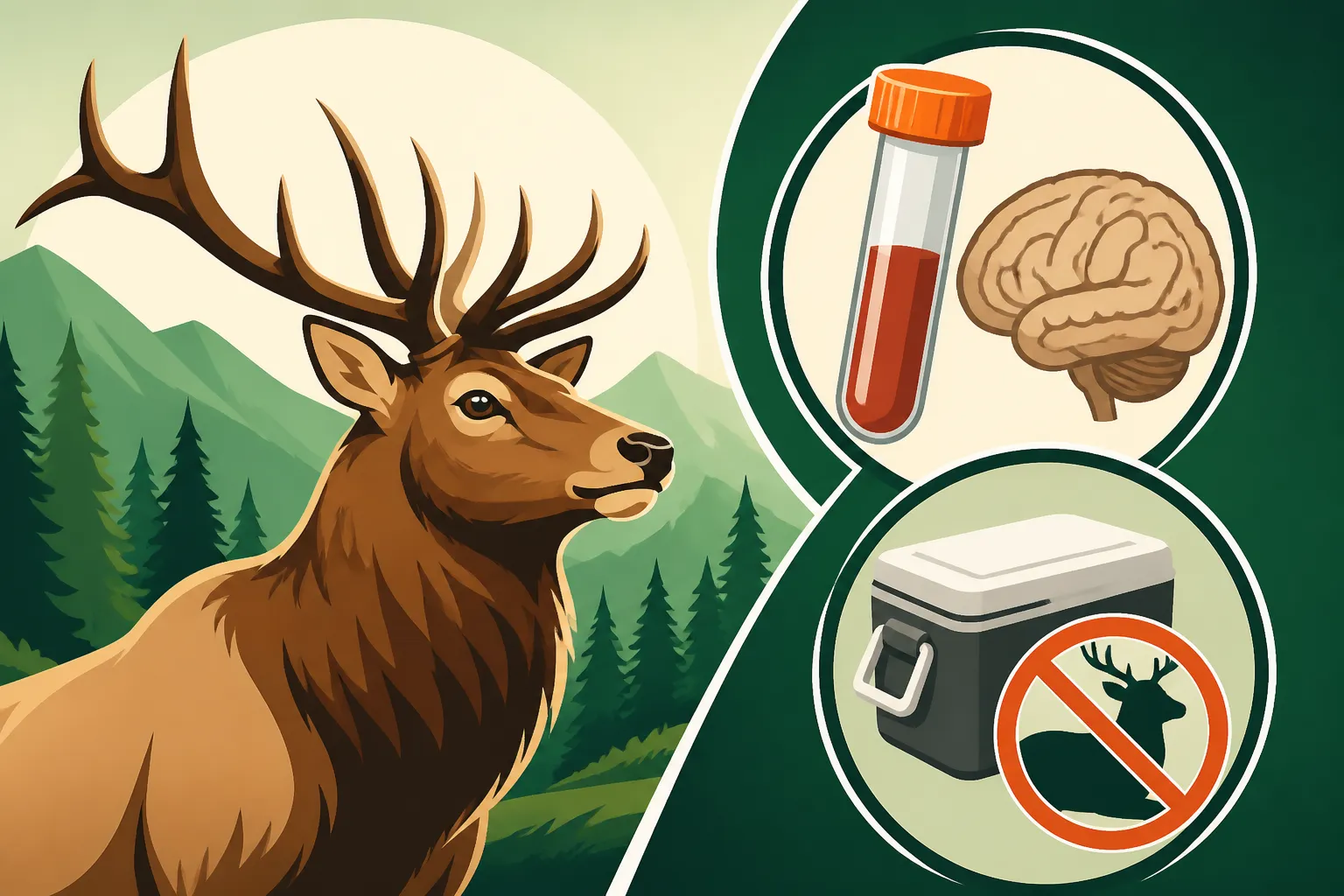
If you've decided to submit a sample, or if you're in an area with mandatory testing, the process is usually quite straightforward. Typically, WDFW is looking for lymph node tissue or brain stem tissue, specifically the obex, as these are the areas where CWD prions concentrate and are most easily detected.
Here's a general overview of how it usually works:
- Sample Collection:
- Self-collection: WDFW provides clear instructions, often with diagrams or videos, on how to carefully remove the necessary lymph nodes from a harvested animal's head. This requires a sharp knife and a bit of care. They'll also provide specific collection kits with vials and labels.
- Drop-off Stations: During certain seasons or in specific high-priority areas, WDFW may set up check stations or designated drop-off locations where staff can collect the samples for you. This is often the easiest option.
- WDFW Offices: You might be able to drop off the entire head (with proper tagging, of course) at a regional WDFW office during business hours. They will then take the necessary samples.
- Labeling and Submission: Accurate labeling is paramount. You'll need to provide your name, contact information, the species harvested, and the exact GMU and date of harvest. This ensures that if a positive result is found, WDFW can pinpoint the location.
- Results and Notification: Once submitted, samples are sent to a specialized lab for analysis. This can take several weeks, especially during peak hunting season. If a sample tests positive, WDFW will contact you directly to discuss the implications and next steps. Negative results may not always be individually reported, but aggregate data is often shared publicly. Your participation, whether mandatory or voluntary, is a critical component of Washington Wildlife Disease Surveillance.
| Sample Submission Method | Convenience | Hunter Effort | Common Scenario |
|---|---|---|---|
| WDFW Check Station | High | Low | Mandatory testing zones, special seasons |
| WDFW Regional Office | Medium | Medium (transporting head) | Voluntary submission |
| Self-Collection Kit | High | High (skill required) | Remote areas, preference for quick field processing |
Navigating Washington's Carcass Importation and Transport Rules
The rules around moving game carcasses are perhaps one of the most critical aspects of CWD prevention. Prions can remain infectious in the environment for a very long time, and transporting infected carcass parts is a primary way the disease can spread. Washington has specific regulations designed to prevent this, particularly when it comes to bringing game in from other states.
Rules for Bringing Game into Washington
This is where it gets serious, especially if you've been hunting in a state or province known to have CWD. Washington's regulations are designed to keep those infectious prions out. Generally, you cannot bring certain high-risk carcass parts into Washington from any state or province that has documented CWD.
Here's a breakdown of what's typically allowed and prohibited when returning from a CWD-positive area:
- Allowed Parts (Low Risk):
- Deboned meat (meat that has been removed from the bone).
- Hides with no head attached.
- Clean skull plates with antlers (no brain tissue or spinal column material attached).
- Antlers or horns without any skull tissue attached.
- Teeth.
- Finished taxidermy mounts.
- Prohibited Parts (High Risk):
- Whole carcasses.
- Heads (unless cleaned as described above).
- Spinal columns.
- Bones (unless meat is removed).
- Viscera (internal organs, especially brain and spinal cord).
The key takeaway here is: no brain or spinal cord material. These are the parts most likely to harbor CWD prions. If you hunt out of state, processing your animal down to deboned meat and clean skull plates before you cross back into Washington is the safest and most compliant approach. You can often find information on CWD-positive states on the WDFW website, or by checking resources from the state you plan to hunt in, or even platforms like GoHunt that compile hunting regulations. Failing to comply can lead to serious Washington Wildlife Violation Penalties, so always err on the side of caution.
Transporting Carcasses Within Washington
While the strictest rules apply to interstate transport, there are still best practices and common sense rules for moving game within Washington. Since CWD hasn't been detected here, there aren't broad restrictions on moving whole carcasses from one GMU to another within the state. However, the principles of minimizing potential spread still apply.
Consider these guidelines:
- Field Dressing: When you field dress your animal, do so responsibly. Leaving gut piles near water sources or high-traffic areas isn't ideal. Spread them out to decompose naturally, away from public view and potential scavengers. This is a common practice anyway, but particularly important for disease management. If you're using methods like The Gutless Method on an Elk, you're already ahead of the game, as it often means leaving the highest-risk tissues (like the gut pile) right where the animal was harvested.
- Transporting Whole Animals: If you're hauling a whole deer or elk home, ensure it's securely fastened and doesn't leak blood onto public roads or areas. Nobody wants to see a bloody mess on the highway, and it also prevents the potential spread of any pathogens.
- Processing at Home: If you process your own game at home, manage your waste responsibly. Bones and non-meat scraps should be disposed of in your household trash for landfill disposal, or buried deeply on your own property, rather than left in public areas where scavengers could move them.
The goal is always to contain any potential risk at the harvest site as much as possible.
Proper Carcass Disposal to Prevent Spread
Proper disposal of carcass waste is critical in the fight against CWD. If CWD were ever to be detected in Washington, the rules around disposal would likely become much stricter, potentially including mandatory disposal at designated landfill sites. For now, with Washington being CWD-free, general responsible disposal practices are advised.
Here’s what you should aim for:
- Landfill Disposal: The most recommended method for high-risk tissues (heads, spinal columns, bones, internal organs) is to double-bag them and put them in your regular household trash for transport to a municipal landfill. Landfills are designed to contain waste and are an effective barrier against disease spread.
- Burial: If you own property, deep burial (at least 3-4 feet deep) can be an option for carcass parts, but it's important to do so away from water sources and in a location where scavengers won't easily dig them up. This isn't usually an option on public lands, where it's generally prohibited to bury animal remains.
- Leaving on Site: For gut piles after field dressing, it's generally acceptable to leave them at the harvest site, spread out to decompose naturally. However, avoid leaving them in obvious, visible locations or near popular trails. This is standard practice when Field Dressing in Warm Early-Season Weather to cool the animal quickly.
What you should not do is dump carcass parts along roadsides, in ditches, or in bodies of water. This is not only illegal and disrespectful to other outdoor users, but it creates potential disease transmission points and attracts scavengers to dangerous areas. Always check Washington Wildlife Area Rules for specific regulations on carcass disposal if you're hunting in one of those managed areas, as rules can vary.
Best Practices for Hunters to Mitigate CWD Risk
As hunters, we have a unique and vital role to play in protecting Washington's wild cervid populations from CWD. Our actions in the field, our awareness, and our willingness to cooperate with wildlife agencies are the strongest defense we have.
Field Dressing and Handling Precautions
Even though CWD isn't currently detected in Washington, adopting best practices for field dressing and handling is smart for overall game health and your own safety. These precautions minimize the risk of contact with any potential pathogens and reduce environmental contamination.
Here are some tips:
- Wear Gloves: Always wear disposable gloves when field dressing any animal. This protects you from potential diseases and helps keep the meat clean. Change gloves if they become heavily soiled or torn.
- Minimize Brain and Spinal Cord Contact: When possible, avoid cutting through the spinal column or brain tissue. If you need to remove the head, do so carefully at the atlas joint (where the skull meets the spine) to keep the brain intact.
- Clean Your Tools: After field dressing, thoroughly clean all knives, saws, and other tools with soap and water, then disinfect them with a bleach solution (e.g., 10% bleach, 90% water). This helps prevent cross-contamination.
- Debone in the Field: If you're hunting in an area where CWD is a concern (even if it's just a neighboring state), consider deboning your animal entirely in the field. This significantly reduces the bulk and weight you need to transport, and critically, leaves behind the highest-risk tissues (bones, spinal column, skull) at the kill site. This is a common strategy for Packing an Elk Out of Washington's Backcountry and works perfectly for CWD prevention.
By following these simple steps, you're doing your part to keep CWD from spreading and ensuring the health of our game animals.
Recognizing Signs of CWD in the Field
While CWD is notoriously difficult to diagnose in live animals without laboratory testing, understanding the symptoms can help you identify a potentially sick animal. However, it's important to remember that many other conditions can mimic CWD symptoms, so don't jump to conclusions.
Watch for these signs:
- Extreme Weight Loss: This is a hallmark symptom, giving the disease its name "wasting." The animal will look very skinny and emaciated.
- Behavioral Changes: Affected animals may appear disoriented, exhibit a blank stare, or show a lack of fear of humans.
- Excessive Salivation: Drooling or excessive thirst can be a symptom.
- Loss of Coordination: Stumbling, poor balance, or an abnormal gait can be observed.
- Lowered Head and Drooping Ears: The animal may carry its head in an unusual, lowered position.
If you encounter an animal exhibiting these symptoms, do not harvest it. Instead, report your sighting immediately to WDFW. Take photos or notes on the animal's location and appearance, and then contact your local WDFW office or use their online reporting tools. This is crucial for Reporting a Limping Elk to WDFW or any other suspicious animal, and it's how WDFW initiates Washington Wildlife Disease Surveillance. Your observation could be the first critical piece of information.
Supporting Wildlife Agencies in CWD Prevention
The fight against CWD is a collaborative effort, and hunters are perhaps the most important allies for wildlife agencies like WDFW. You are the eyes and ears on the ground, often spending more time observing wildlife in remote areas than anyone else. Your support is invaluable.
Here's how you can continue to help:
- Stay Informed: Regularly check the WDFW website for the latest CWD updates, regulations, and testing opportunities. Reputable hunting information sites like GoHunt also provide timely alerts and detailed breakdowns of regulations, helping you stay ahead of any changes. Knowledge is power when it comes to disease prevention.
- Participate in Voluntary Testing: If you harvest a deer or elk in Washington, consider submitting a sample for CWD testing, even if it's not mandatory. This data is incredibly valuable for surveillance efforts and helps WDFW confirm the absence of the disease or quickly detect it if it appears.
- Report Sick Animals: As mentioned, promptly report any deer, elk, or moose exhibiting CWD-like symptoms to WDFW. This allows wildlife biologists to investigate and collect samples for testing.
- Follow Carcass Rules: Adhere strictly to all carcass importation rules when returning from out-of-state hunts. This is non-negotiable and one of the most effective ways to prevent CWD from entering Washington.
- Spread the Word: Educate your fellow hunters about CWD and the importance of responsible hunting practices. The more informed hunters there are, the stronger our collective defense.
By working together, we can ensure that Washington's deer and elk herds remain healthy and vibrant for generations of hunters to come. Whether you're chasing Blacktail Deer Hunting in Western Washington Timber or Glassing Eastern Washington Breaks for Mule Deer, your commitment to responsible hunting is our best defense against CWD.
Disclaimer
This article is for general informational purposes only and does not constitute professional advice. Laws, prices and regulations vary by location and change over time. Consult a qualified professional for guidance on your specific situation.