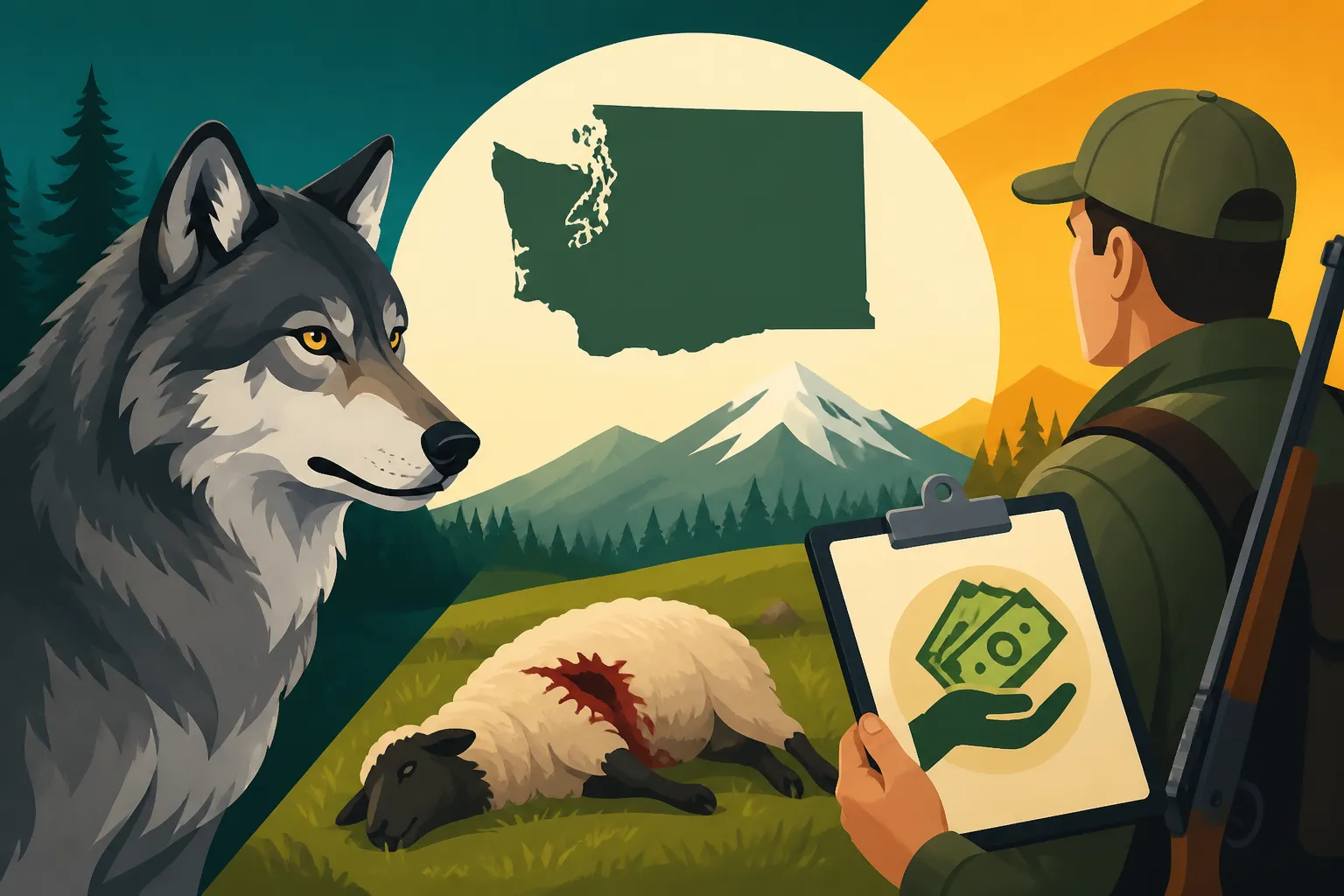
Wolf Depredation Compensation in Washington
The growing presence of wolf packs across Washington state, particularly in regions where ranching and hunting traditions run deep, has brought a new layer of complexity and, for some, significant challenges. When a valuable livestock animal is lost, or even a domestic animal, due to wolf depredation, the financial and emotional toll can be immense. This guide aims to thoroughly explain Washington's wolf depredation compensation program, how it works, what types of losses are covered, and what steps you need to take if you find yourself in such a difficult situation.
Understanding Wolf Management and Depredation in Washington
Washington state's wolf population has been making a comeback in recent decades, a topic that, let's be honest, stirs up a lot of strong feelings on all sides. For those who live and work alongside these predators, especially ranchers, the presence of wolves means an undeniable risk to their livelihoods. It's not just the direct killing of livestock; there's also the stress on herds, changes in grazing patterns, and the constant vigilance required to protect animals. Hunters too, observe shifts in big game behavior and numbers in areas with established wolf packs, leading to concerns about herd health and hunting opportunities. The state manages these populations through various strategies, including depredation prevention and, critically, compensation programs.
The Landscape of Coexistence
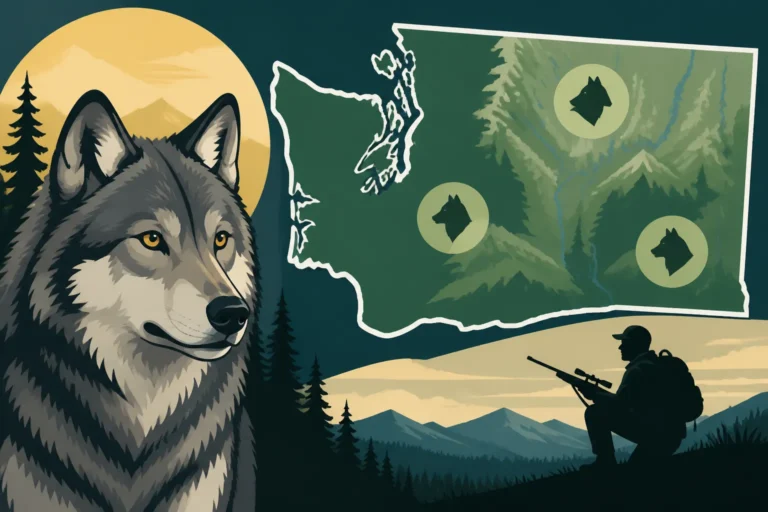
It's a delicate balance, trying to manage a recovering predator species while supporting the agricultural communities and hunting heritage that define so much of Washington. The reality on the ground is that wolves, particularly in the eastern and northeastern parts of the state, are an active part of the ecosystem. Understanding Washington Wolf Pack Numbers helps put the situation into perspective. As these populations expand, so does the potential for conflict with human interests, primarily livestock. This isn't just a distant issue; it's a daily concern for many families who wake up wondering if their herd is safe.
Why Compensation Programs Exist
The concept behind depredation compensation is fairly straightforward: if the state's policy supports the presence and recovery of a species that then causes economic loss to private citizens, there should be a mechanism to offset those losses. It's about fairness and recognizing the tangible impacts on individuals who are, in effect, shouldering some of the burden of wildlife conservation. Without such programs, the economic hardship could be devastating for ranchers, potentially fostering resentment and undermining broader conservation efforts. It's a pragmatic approach to a very complex problem, aiming to create a pathway for coexistence.
The Washington Wolf Depredation Compensation Program
Washington's program is designed to provide financial relief to livestock producers and, in some cases, owners of domestic animals who suffer losses confirmed to be caused by wolves. It's not a quick and easy solution, and there are specific criteria and processes that must be followed. Understanding these details is crucial for anyone hoping to receive assistance.
What Constitutes a Compensable Loss?
The program focuses primarily on direct losses of livestock, which includes cattle, sheep, goats, and even some types of domestic fowl. However, not every missing or injured animal qualifies. The key is confirmation of wolf depredation. This means a thorough investigation by trained personnel to determine if a wolf was indeed responsible for the death or injury. It’s not enough to suspect a wolf; there needs to be evidence.
For instance, if you find a calf dead in your pasture, the first step is to preserve the scene and contact the authorities immediately. Investigators will look for specific signs: wolf tracks, scat, bite marks consistent with wolves, hemorrhage around wounds, and feeding patterns unique to wolves. Sometimes, even if an animal is injured and later has to be euthanized due to those injuries, it can be considered a compensable loss, provided the initial injury was confirmed as wolf-related. There's also the category of "probable" depredation, where strong evidence points to wolves but isn't 100% conclusive. This often involves specific circumstances and can also be eligible, though typically with more scrutiny. Beyond direct kills, the program may also consider "indirect losses" such as decreased calving rates or weight loss in herds severely stressed by repeated wolf encounters, but these are often more challenging to prove and require extensive documentation.
Who is Eligible for Compensation?
Eligibility hinges on being a livestock producer or owner of certain domestic animals within Washington state. You don't have to own hundreds of head of cattle; even a small hobby farm with a few sheep can be eligible. However, there are usually requirements around reporting incidents in a timely manner and cooperating fully with investigations.
Consider Farmer John, who runs a small organic sheep operation in Stevens County. He's heard wolf howls near his property for a few weeks, and one morning he finds a ewe dead with clear signs of predation. If John immediately contacts the Washington Department of Fish and Wildlife (WDFW) and allows their specialists to investigate, providing all necessary information, he stands a good chance of being eligible. On the other hand, if he waits several days, or disposes of the carcass before an investigation, evidence might be lost, making confirmation, and therefore compensation, much more difficult. It's also important to note that proactive deterrent measures, while not strictly required for eligibility, are often viewed favorably and can demonstrate a commitment to coexistence. This is where researching local programs for things like fladry or range riders might come into play.
Navigating the Application Process and Challenges
The process for seeking depredation compensation can feel daunting, especially when you're already dealing with the emotional and financial strain of a loss. It's critical to understand the steps involved, what documentation you'll need, and the common hurdles you might encounter.
Step-by-Step: From Discovery to Claim
Here’s a general outline of what the process typically looks like:
- Immediate Notification: This is the most crucial step. As soon as you discover a potential depredation event (injured or dead livestock), do not disturb the scene. Contact WDFW immediately. The faster they can get an investigator on-site, the better the chances of a clear determination.
- Investigation: WDFW staff, trained in depredation identification, will visit your property. They'll examine the carcass, look for tracks, scat, and other forensic evidence. They might also interview you about recent wolf activity.
- Confirmation of Depredation: Based on the evidence, the investigator will classify the incident as confirmed, probable, possible, or unknown. Only confirmed and probable wolf depredations are typically eligible for compensation.
- Documentation: You'll need to provide documentation of your loss. This includes proof of ownership for the animal(s), veterinary records if an injured animal was treated or euthanized, and often a fair market value for the animal at the time of loss. For instance, if you lose a breeding cow, you'd need records showing her age, breed, and typical market value for similar livestock. Using tools like GoHunt to understand the local area and potential predator ranges might help in documenting overall wolf presence around your property, though specific depredation evidence is paramount.
- Submitting the Claim: Once the depredation is confirmed and you have all your documentation, you'll submit an official compensation claim to the designated state agency or partner organization managing the funds. This will involve filling out forms and attaching all supporting evidence.
- Review and Payment: Your claim will be reviewed, and if approved, you will receive compensation for your loss. The timeline for payment can vary depending on funding cycles and administrative processes.
To summarize the key stages and requirements:
| Stage | Action Required | Key Documentation Needed | Outcome |
|---|---|---|---|
| Discovery | Do not disturb scene; Notify WDFW immediately. | Location, Date/Time of Discovery | WDFW deploys investigator. |
| Investigation | Cooperate fully with WDFW staff. | (WDFW collects evidence) | Depredation classification (Confirmed, Probable). |
| Claim Preparation | Gather proof of ownership, market value. | Sales receipts, vet records, photos. | Ready to submit claim. |
| Claim Submission | Complete official forms; Attach all documents. | Completed claim form, supporting evidence. | Claim enters review process. |
| Compensation | Await review and approval. | (No action, pending approval) | Payment for eligible losses. |
Common Challenges and How to Overcome Them
It's rarely a smooth road, and producers often face challenges. One of the biggest is evidence degradation. Time is of the essence. A carcass left for too long can be scavenged by other animals or decompose, obscuring crucial signs of wolf attack. This is why immediate reporting is paramount. Another challenge is proving indirect losses. It's much harder to tie a lower calf crop specifically to wolf harassment than it is to prove a direct kill. This requires meticulous record-keeping over time, tracking herd health, stress levels, and comparing data year-over-year.
Sometimes, there can be disputes over the value of the animal. Having robust records of purchase prices, breeding values, or market rates for similar animals in your area is essential. If you feel a decision is unfair, understanding the appeals process is important. Many programs have an internal review or an independent panel to hear such cases. Lastly, simply understanding the bureaucracy can be a hurdle. Programs and rules can change. Staying informed through WDFW updates and ranching associations is vital. These organizations often have experience helping members navigate the system. This also ties into the value of understanding the boundaries and specific regulations of your Washington Game Management Units Explained.
Beyond Financial Payouts: Proactive Measures and Coexistence Efforts
While compensation programs are a vital safety net, many ranchers and wildlife managers agree that prevention is often the best strategy. Proactive measures, coupled with community support and a deep understanding of wolf behavior, can significantly reduce depredation incidents and contribute to more sustainable coexistence.
Proactive Depredation Prevention Strategies
Many tools and techniques exist to deter wolves and protect livestock. These strategies range from traditional methods to more modern, technology-aided approaches.
- Range Riders: Hiring or volunteering as range riders involves having individuals on horseback or ATVs actively monitoring livestock, especially during vulnerable times like calving season. Their presence alone can deter predators.
- Guard Animals: Livestock guardian dogs (LGDs) like Great Pyrenees, Anatolian Shepherds, or Akbash dogs are incredibly effective. These dogs are raised with livestock and instinctively protect them from threats. Wolf Impact on Elk and Deer is a concern for hunters, but for ranchers, LGDs offer a similar protective role.
- Fencing and Fladry: While traditional fencing can be circumvented, specialized electric fencing can be a strong deterrent. Fladry, a line of flags hung at intervals on a fence, has been used for centuries to deter wolves, especially when electrified or combined with turbo fladry (reflective materials).
- Night Penning: Bringing vulnerable livestock, like calves and ewes with lambs, into secure corrals or pens at night can drastically reduce predation risk when wolves are most active.
- Carcass Removal: Promptly removing dead livestock from pastures is crucial. Carcasses can attract wolves and other scavengers, habituating them to feeding near livestock. This helps prevent a "dinner bell" effect that can lead to further depredation.
- Controlled Grazing: Managing where and when livestock graze can reduce their exposure to high-risk wolf habitats, particularly during vulnerable seasons. Utilizing mapping resources, perhaps through platforms like GoHunt, can assist in identifying these high-risk areas within your Eastern Washington Hunting Country or Western Washington Timber Country Access if you have grazing leases there.
Community Involvement and Collaborative Solutions
True coexistence isn't just about individual efforts; it's a community endeavor. Local collaboratives, often involving ranchers, WDFW, conservation groups, and even hunters, are emerging as critical forums for sharing information, pooling resources, and developing local solutions. These groups can help disseminate knowledge about Washington Wildlife Disease Surveillance that might impact both livestock and wild game, fostering a holistic approach.
These partnerships can help secure funding for shared equipment like mobile night pens or the initial investment in LGDs. They also create a platform for dialogue, reducing tensions and fostering understanding between different stakeholders who all care about Washington's landscapes and wildlife, albeit from different perspectives. Organizations like the Washington State Cattlemen's Association or local county extension offices often play a pivotal role in facilitating these discussions and offering resources. By working together, communities can adapt to the changing wildlife landscape, supporting both recovery efforts for wolves and the livelihoods of those who share their territory.
Disclaimer
This article is for general informational purposes only and does not constitute professional advice. Laws, prices and regulations vary by location and change over time. Consult a qualified professional for guidance on your specific situation.