Deer Meat Yield From a Blacktail
One of the most common questions I hear from new deer hunters, or even seasoned folks heading after blacktails for the first time, is "How much meat am I actually going to get?" It's a fair question, and honestly, it can be a bit of a mystery until you've got an animal on the ground and are knee-deep in the work. You plan your freezer space, you consider butcher costs, and you want to know if all that effort is going to pay off with a good supply of venison for the year. This guide is all about peeling back the layers on deer meat yield from a Washington blacktail, giving you a realistic picture of what to expect and how to maximize your take.
Understanding Blacktail Deer and Their Size
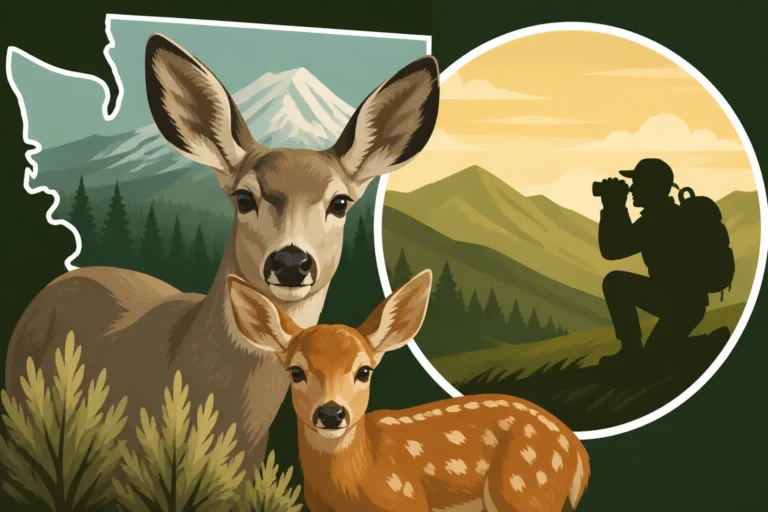
Washington's Columbian Blacktail deer are a special animal, adapted to the dense, often wet, forests and clearcuts of Western Washington. They're not the massive mule deer you find out east, nor the sometimes bulky whitetails of other regions. Their size directly influences your potential meat yield, so let's get a handle on what a typical blacktail looks like.
Average Live Weight of a Washington Blacktail
When we talk about live weight, we're talking about the deer right there, standing in the woods before anything happens. A mature blacktail buck in Washington will typically range from 120 to 180 pounds, sometimes pushing 200 pounds in prime areas with excellent forage, but those are less common. Does are usually smaller, weighing anywhere from 80 to 120 pounds. Fawns, of course, are much smaller, often under 50 pounds.
It's important to remember these are averages. A coastal blacktail, for instance, might be a bit heavier due to abundant, year-round browse, while one living higher in the Cascades might be slightly smaller. There's also a big difference between a healthy, pre-rut buck and one that's been run ragged during the breeding season. You might be surprised how much weight they can drop in a few weeks of chasing does. For a deeper dive into these amazing creatures, check out Columbian Blacktail Deer in Western Washington.
Factors Influencing a Blacktail's Size
The ultimate size of the blacktail you bring home isn't just luck; several factors play a significant role. Understanding these can help you better estimate your potential meat yield before you even pull the trigger.
- Age: This is probably the biggest factor. A yearling buck (often referred to as a fork-horn or small two-point) will be significantly lighter than a mature 4 or 5-year-old buck with a thick neck and broad shoulders. Older animals have simply had more time to grow.
- Nutrition: The quality and abundance of food sources in a particular Game Management Unit (GMU) directly impact deer health and size. Areas with fresh clearcuts and a good mix of forest and open spaces often provide excellent browse, leading to healthier, heavier deer. Conversely, areas with poor forage can result in smaller animals. Learning about Blacktail Deer Density in Washington Timber can give you insights into these habitat-related differences.
- Sex: As mentioned, bucks are generally larger and carry more muscle mass than does. If meat is your primary goal, a large doe can sometimes yield as much or more usable meat than a smaller buck, especially if you're restricted to spike-only or three-point minimum areas.
- Time of Year: A buck taken in early September before the rut kicks in will almost always be heavier and have more fat reserves than one harvested in late November or December, after weeks of relentless breeding activity and minimal feeding. The Blacktail Rut Timing in Western Washington is a critical period where bucks can lose a substantial amount of body mass.
Calculating Usable Meat Yield
Now for the numbers, or at least the estimates! This is where the rubber meets the road, turning a wild animal into delicious meals. It's not an exact science, but we can get pretty close.
The "Rule of Thumb" for Deer
A widely accepted rule of thumb for deer hunters is that you can expect to get about 30-40% of the animal's live weight in boned-out, usable meat. This percentage includes all the prime cuts, stew meat, and trimmings for burger. For a field-dressed carcass (meaning gut-piled in the woods), that percentage usually jumps to around 50-60% of that weight.
Let's put this into perspective for a blacktail:
- A 150-pound live weight buck, which is a pretty good-sized blacktail, might yield 45-60 pounds of boned-out meat.
- A 100-pound doe could provide 30-40 pounds.
It’s crucial to understand this is a general guideline. Many variables, including your processing style, will influence the final number. Some hunters are meticulous and will eke out every last morsel, while others might be less concerned with maximizing trim.
Field Dressing and Gutting Considerations
The first step in meat recovery is almost always field dressing. This process immediately reduces the animal's weight by removing the internal organs. For a blacktail, this can drop the carcass weight by 20-30 pounds, sometimes more for a large animal. The goal of field dressing isn't just to reduce weight for packing but, more importantly, to initiate the cooling process and prevent bacterial growth that can spoil the meat.
Whether you gut the animal traditionally (opening the body cavity and removing organs) or use the "gutless method" (skinning and quartering without opening the cavity), the net result is the same: the removal of non-meat components. The gutless method is gaining popularity for backcountry hunters, as it allows you to get meat off the bone and into game bags faster, reducing the overall weight you have to carry out. You can learn a lot about efficient field processing from guides like Quartering and Packing an Elk Solo, as many of the principles apply to deer, just on a smaller scale.
The Bone-Out Versus Bone-In Debate
This is where the true "usable" meat yield really takes shape.
- Bone-in: If you process the deer with the bones still in the cuts (e.g., bone-in chops, roasts), your total weight will be higher, but you're paying or carrying for bone that you won't eat. This is often how a commercial butcher weighs the carcass before processing.
- Bone-out: Most hunters and processors aim for boned-out meat. This means removing all bones, sinew, gristle, and excessive fat. While the total weight is lower, every ounce you take home is edible. For a blacktail, boned-out yield is typically in the 20-30% range of its live weight.
Removing bone is where you really see the efficiency. Those heavy leg bones, the spine, the rib cage – they all add considerable weight that isn't meat. Taking the time to bone out your deer in the field or at home means your freezer is packed with pure venison.
Maximizing Your Blacktail Meat Yield
Getting the most out of your hard-earned venison isn't just about the size of the deer; it's about what you do once the animal is on the ground. Proper care and processing are absolutely vital.
Proper Field Care and Handling
The clock starts ticking the moment your blacktail hits the ground. Rapid cooling and cleanliness are the two golden rules for preserving meat quality.
- Cooling the carcass quickly: In Washington, especially during early archery or rifle seasons, temperatures can be mild to warm. Getting the deer field-dressed promptly and out of direct sunlight is paramount. Prop the cavity open with a stick or hang the animal if possible to allow air circulation. If you're on a multi-day hunt, consider taking steps like those outlined in Field Dressing in Warm Early-Season Weather to ensure your meat stays cool and fresh.
- Keeping it clean: Avoid dragging the carcass through dirt and debris if you can. If you do, try to keep the body cavity as clean as possible. Hair, leaves, and dirt introduce bacteria that can quickly degrade meat quality. Using game bags immediately after quartering is crucial. Good quality Game Bag Fabric and Fly Protection can make a huge difference in keeping flies and dirt off your hard-won venison, especially if you have to pack it out over several hours.
Processing Methods and Their Impact
How your deer is processed will significantly impact your final meat yield. You essentially have two main options: using a professional butcher or doing it yourself.
- Butcher Shops: Many hunters opt for a professional butcher, which is a great choice if you're short on time or freezer space at home, or if you simply prefer professional cuts. They often charge by the hanging weight (field-dressed carcass, usually with hide on and head off). Be aware that different butchers have different trimming standards; some might be more aggressive with removing fat and silver skin, which reduces your final weight but increases the quality of the lean cuts. Always communicate your preferences clearly.
- DIY Processing: For many of us, processing our own deer is part of the hunting tradition. It gives you complete control over your cuts, allows you to save every last scrap of trim, and is often more economical. When you process at home, you can meticulously bone out everything, separating steaks, roasts, stew meat, and all the trim for burger. This hands-on approach often leads to a higher personal yield of usable meat, as you're not paying someone else to take any of it. Guides like Cutting and Wrapping Your Own Deer and Grinding Burger From Trim can be invaluable resources if you're new to home processing. You'd be surprised how much good burger you can get from the neck, shank, and rib meat!
What to Expect from an Average Blacktail
Let's break down some realistic numbers for meat yield based on average blacktail sizes. Remember, these are estimates, but they give you a solid baseline for planning.
| Deer Size Category | Estimated Live Weight (lbs) | Estimated Field-Dressed Weight (lbs) | Estimated Boned-Out Meat Yield (lbs) |
|---|---|---|---|
| Small Doe/Fawn | 70-90 | 50-70 | 20-30 |
| Average Doe | 100-120 | 70-90 | 30-40 |
| Small Buck (Yearling) | 120-140 | 85-105 | 35-50 |
| Average Buck | 150-170 | 105-125 | 45-60 |
| Large Mature Buck | 180-200+ | 130-150+ | 60-75+ |
When you're trying to gauge what kind of deer might be in your unit, resources like GoHunt provide valuable insights into harvest statistics, which can indirectly inform your expectations for animal size and thus meat yield. Looking at past successful hunts in a specific GMU can help you prepare.
Practical Planning for Your Harvest
Knowing your potential meat yield is more than just curiosity; it's practical planning. From cooler space to meal prep, a good estimate helps you prepare for the delicious bounty ahead.
Storage and Cooler Space
Once you have your boned-out meat, you need a place to keep it cool before it goes into the freezer, and then, of course, actual freezer space. For a blacktail, even a large one yielding 60-70 pounds of meat, you're usually looking at a manageable amount.
- Coolers: For temporary storage and transport from the field or butcher, a good 70-quart cooler can usually hold a boned-out average blacktail. For larger deer or if you want extra space for ice, a 100-quart cooler provides ample room. If you're really interested in cooler sizes, you might look at guides like Coolers Sized for a Washington Elk for comparisons, just scale down for deer. Always pack your meat directly on ice, or better yet, use frozen gallon jugs to prevent direct water contact.
- Freezer Space: A standard upright or chest freezer in your garage will easily accommodate a blacktail. Even the freezer compartment of a regular kitchen refrigerator can typically hold 20-30 pounds of packaged venison. Think about how you package your meat – vacuum sealing is fantastic for longevity, but heavy-duty freezer paper and bags also work well.
Utilizing Every Part of the Animal
Maximizing your yield also means being creative and resourceful with every part of the deer. Beyond the obvious steaks and roasts, there's a world of culinary potential.
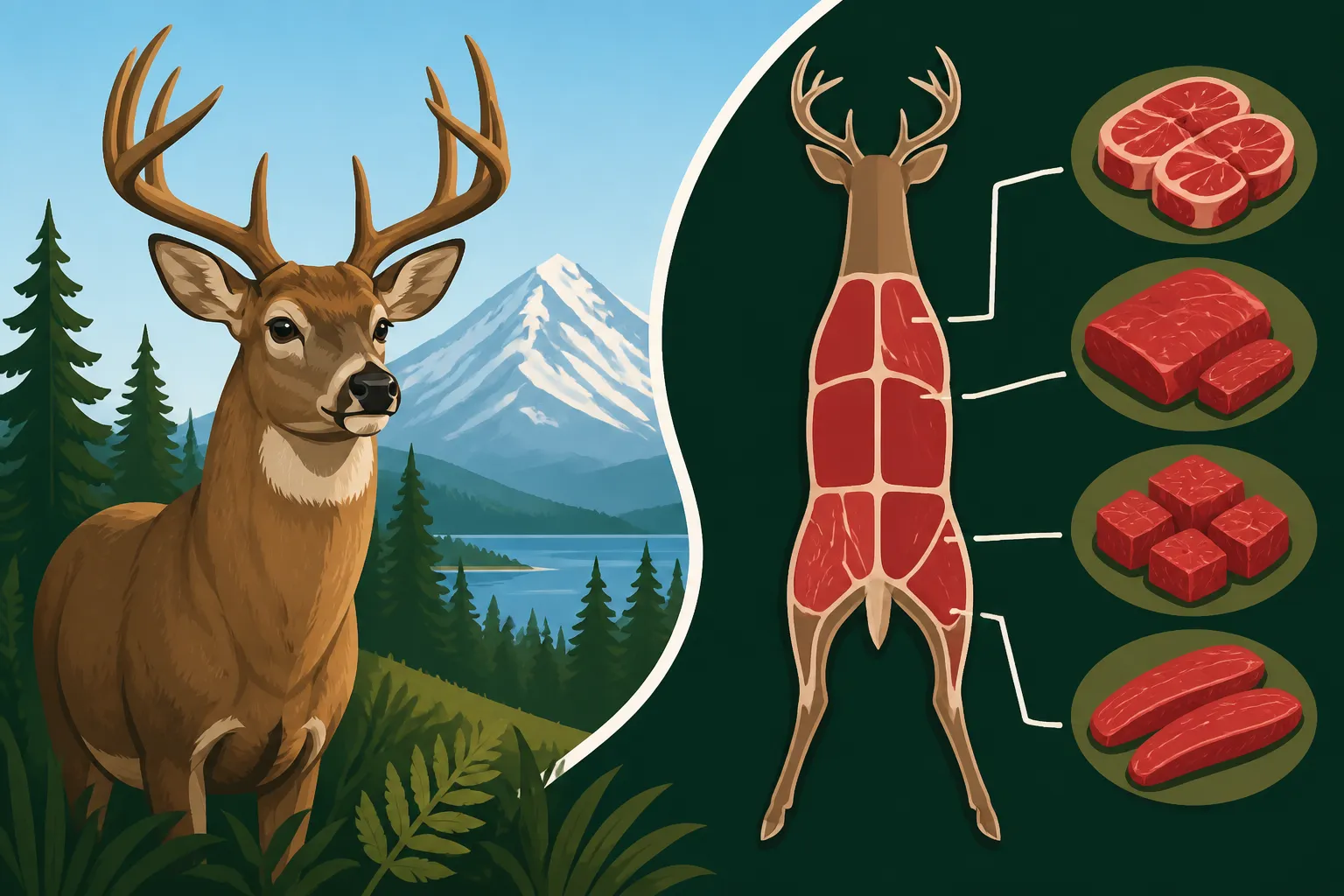
- Beyond Steaks and Roasts: Don't forget about the trim. All those little bits of lean meat you carve off the bones, or from around the neck and shanks, are perfect for grinding into burger. This is a huge contributor to your total usable yield. Many hunters mix venison burger with a small percentage of beef or pork fat (5-10%) to improve texture and moisture, but pure venison burger is also excellent.
- Specialty Items: Consider making jerky from tougher cuts or tenderloins. The heart and liver are incredibly nutrient-dense and delicious if prepared correctly. Some hunters save the fat for rendering into tallow, which can be used for cooking or even making candles. Even the hide can be tanned and used for crafts, if you're inclined. It’s all part of honoring the animal and ensuring nothing goes to waste.
Knowing your blacktail's potential meat yield allows you to plan your hunt, your processing, and your freezer space with confidence. It transforms the animal on the ground into a sustainable source of high-quality protein for your family. Happy hunting and good eating!
Disclaimer
This article is for general informational purposes only and does not constitute professional advice. Laws, prices and regulations vary by location and change over time. Consult a qualified professional for guidance on your specific situation.