Elk Meat Yield From a Roosevelt Bull
You've just put in the monumental effort, drawn a coveted tag, endured the rain and thick timber of Western Washington, and finally, your Roosevelt bull is on the ground. Now comes the real work—and the big question: how much actual, usable meat are you looking at? It's a common thought for every hunter, moving from the excitement of the hunt to the practical reality of filling the freezer. This guide is here to walk you through what to realistically expect when it comes to elk meat yield from a Roosevelt bull, helping you plan for everything from field processing to freezer space.
Understanding Roosevelt Elk and Their Size
Roosevelt elk are truly magnificent animals, a cornerstone of Washington's hunting heritage, especially on the west side of the Cascades. They are impressive creatures, known for their larger body mass compared to their Rocky Mountain cousins, even if their antlers typically don't reach the same overall mass. This size difference is crucial when you're estimating meat yield.
What Makes a Roosevelt Bull Unique
When you're chasing a Roosevelt in the dense rainforests of the Olympic Peninsula or the Willapa Hills, you're pursuing an animal built for that environment. They are typically heavier-bodied and often a bit darker in color than the Rocky Mountain elk found east of the Cascades. Their antlers, while often wide and heavy at the base, tend to be shorter in beam length and have less point development than many Rockies. But don't let that fool you; they are still formidable animals, and their sheer bulk contributes significantly to the amount of meat you'll bring home. Understanding the nuances of these animals is part of the challenge and reward of pursuing them in their native habitat. If you want a deeper dive into these impressive animals, check out Roosevelt Elk of Western Washington.
Factors Influencing a Bull's Live Weight
A Roosevelt bull's live weight isn't a fixed number; it's a dynamic figure influenced by several factors throughout the year. For starters, age is a huge one. A young, spike bull might weigh significantly less than a mature, prime 6×6. Nutrition also plays a massive role. Bulls living in areas with lush forage and mild winters tend to be healthier and heavier. Think about the rich, fertile river bottomlands versus steep, heavily timbered slopes with sparser feed. Finally, the time of year you harvest the bull makes a big difference. Early season bulls (think September archery season) are often at their heaviest, having spent the summer gorging on greens and putting on fat reserves. By the time late general season rifle hunts roll around, after the rut, a bull can be significantly lighter, having expended immense energy chasing cows and fighting rivals. This post-rut weight loss can be substantial, sometimes hundreds of pounds, primarily in fat and muscle mass.
From Hoof to Hook: Estimating Live Weight and Field Dressed Weight
Estimating the live weight of a wild animal is always an educated guess, but it's a critical first step in predicting your meat yield. From there, we move to the more tangible field-dressed weight, which is what you'll typically be measuring back at the truck or processing facility.
Average Live Weights for Roosevelt Bulls
A fully mature Roosevelt bull can be an absolute giant. While there's a wide range, a mature bull typically falls between 700 to 1,100 pounds live weight. Some truly exceptional specimens might even push past that 1,200-pound mark. Younger bulls, like a 2.5-year-old raghorn, might be closer to 500-600 pounds. It's important to remember these are live weights, representing the entire animal before any processing begins. The terrain where these bulls live—often steep, wet, and brushy—makes getting an accurate scale reading an impossibility in the field, so these are always estimates based on experience and observation. Washington Elk Herds and Where They Live delves into the specific regions where these magnificent animals thrive.
Calculating Field Dressed Weight
Field dressing, for those new to it, means removing the internal organs (viscera) from the animal shortly after harvest. This is done for several crucial reasons: to rapidly cool the carcass, prevent spoilage, and reduce the weight for easier packing. When you field dress an elk, you're typically removing around 25-35% of its live weight. This percentage can vary depending on how thoroughly the animal is gutted and what exactly is removed.
So, if you estimate a 900-pound live weight bull, its field-dressed weight might be closer to 585-675 pounds. This is the weight you're dealing with when you start to quarter the animal. It's still a massive amount of weight, especially if you're alone in the backcountry. Always be prepared for this reality; that "light" feeling after the initial field dress doesn't last long once you start moving quarters. For more on handling a carcass in the field, check out Field Dressing in Warm Early-Season Weather.
Maximizing Your Meat Yield: The Gutless Method and Quartering
Getting the most meat off your bull starts in the field. How you break down the animal significantly impacts the final yield, not just in quantity but in quality.
The Gutless Method for Roosevelt Elk
The gutless method has revolutionized backcountry hunting, especially for large animals like Roosevelt elk. Instead of traditional gutting, which involves opening the chest and abdominal cavities, this technique focuses on removing the meat from the outside in. You make incisions along the spine and legs, skin one side of the animal, and carefully peel off muscle groups, leaving the guts largely intact inside the carcass. This is especially advantageous in steep, rugged terrain, or when you're far from a trail or vehicle, because it minimizes mess and reduces the effort of handling a cumbersome gut pile. It also helps keep the meat cleaner, as you avoid direct contact with the digestive tract. With a Roosevelt bull, which can weigh upwards of a thousand pounds, the gutless method can save a tremendous amount of time and energy, getting prime cuts into game bags and cooling much faster. Learn more about this technique in The Gutless Method on an Elk.
Bone-In Versus Bone-Out Packing
When you're packing out an elk, you essentially have two primary choices: bone-in or bone-out. Each has its pros and cons, directly impacting the weight you carry and, ultimately, your final meat yield.
- Bone-in: This means you take out the entire quarters (front and rear legs) with the bone still in, along with backstraps, tenderloins, and neck meat. The advantage here is that the bone helps protect the meat, keeping its shape and making it easier to handle. The downside? Bones are heavy. For a large Roosevelt, those bone-in quarters can be seriously burdensome, especially in rough country. However, some hunters and processors believe aging meat on the bone improves flavor and tenderness.
- Bone-out: With this method, you meticulously remove all the meat from the bones in the field. This significantly reduces weight, which is a huge benefit when you're facing a long pack out from a remote location. It also allows you to fit more meat into your game bags and pack frame, often reducing the number of trips you need to make. The trade-off is that it's more time-consuming in the field, requires more precise knife work, and the meat might lose its shape a bit more. But for many, especially those who prioritize minimizing pack weight and maximizing efficiency, bone-out is the way to go. Consider Bone-Out Versus Bone-In Packing for a detailed comparison.
Common Mistakes That Reduce Yield
Several mistakes can inadvertently reduce your usable meat yield:
- Poor Shot Placement: A poorly placed shot can damage a significant amount of meat, especially if it hits major muscle groups. Aiming for the vital organs in the chest cavity minimizes meat loss. It's a tough shot to make under pressure, but practice truly makes a difference. Shot Placement on a Quartering Elk can help you refine your aiming points.
- Delayed Field Care: Especially in warmer weather, delaying field dressing or cooling can lead to meat spoilage. Bacteria thrive in warm, moist environments, and meat can start to "sour" quickly if not cooled. Get that hide off and the meat into game bags as soon as possible.
- Inadequate Cooling: Even after field dressing, if the meat isn't allowed to cool properly, it can spoil. This means getting it off the ground, hanging it in the shade, and allowing air circulation. In deep backcountry, sometimes you need to get creative. For instance, on a cool night, I've seen hunters lay quarters out on clean tarps on rocks to help them radiate heat away. Getting your meat cooled quickly is paramount, particularly for a large animal like a Roosevelt. Read up on Getting a Carcass Cooled Fast for more tips.
- Improper Game Bags: Using cheap, non-breathable game bags can trap heat and moisture, negating your efforts to cool the meat. Invest in quality, breathable game bags that protect the meat from flies and dirt while allowing it to cool.
- Leaving Meat Behind: It sounds simple, but in the exhaustion of packing out a large bull, it's easy to overlook smaller cuts like neck meat, rib meat, or even the tenderloins if you're doing the gutless method for the first time. Be thorough, and bring extra game bags for these bonus pieces.
What to Expect: Usable Meat Weight for Your Freezer
After all the hard work in the field and at the processor, what's the actual, table-ready meat yield you can expect from a Roosevelt bull? This is where the rubber meets the road, or rather, the elk meets the freezer.
Estimating Finished Table-Ready Meat
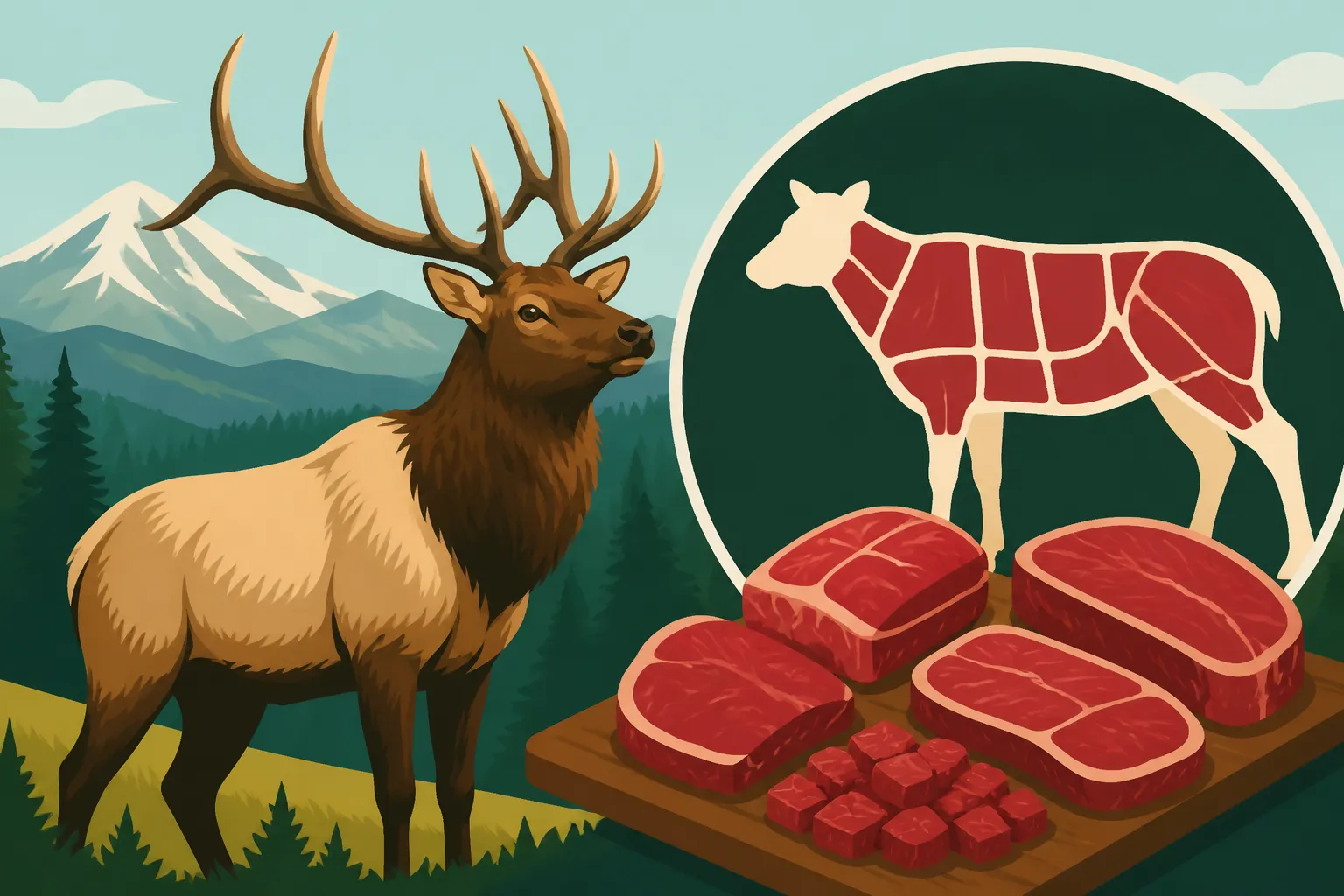
For most hunters, the "yield" they care about is the amount of boneless, trimmed meat that goes into the freezer. On average, you can expect about 35-45% of a Roosevelt bull's live weight to be usable, boneless, table-ready meat. This percentage accounts for the loss from field dressing, bone removal, trimming away fat, gristle, and damaged meat.
Let's use an example:
- Live Weight Estimate: 900 lbs
- Field Dressed Weight: 900 lbs * (1 – 0.30) = 630 lbs (assuming 30% loss)
- Usable Meat Yield (Boneless/Trimmed): 900 lbs * 0.40 = 360 lbs
So, from a 900-pound live weight Roosevelt bull, you might realistically end up with around 320 to 400 pounds of packaged meat for your freezer. That's a lot of incredible protein!
Factors Affecting Processed Yield
The final processed yield isn't just about the initial animal size; it's also heavily influenced by how the meat is handled and cut.
- Butchering Style: Are you getting mostly roasts, steaks, or a lot of ground meat? If you opt for many boneless cuts and extensive trimming, your overall weight will be lower. If you leave some fat or connective tissue on roasts, the weight might be slightly higher, but the quality could suffer.
- Professional Processor vs. DIY: A professional butcher might be more efficient in maximizing yield, especially with specialized equipment for grinding or boning. If you're Cutting and Wrapping Your Own Deer (or elk!), your yield might vary based on your skill level and how much trim you generate.
- Fat Content: A healthy bull, particularly one taken before the rut, will have more fat. While some fat is good for flavor, too much will be trimmed off during processing, reducing overall lean meat weight. Post-rut bulls will have very little fat, which can be both a blessing and a curse.
It's always a good idea to discuss your cutting preferences with your butcher beforehand. If you're looking for a processor, make sure to check out local options well in advance of the season. Finding a Processor in Hunting Season is a great resource.
Planning for Freezer Space
Knowing your estimated yield is crucial for planning freezer space. You don't want to bring home 350 pounds of elk meat only to realize you have nowhere to put it! As a general rule of thumb, plan on needing about 1 cubic foot of freezer space for every 35-40 pounds of boneless meat.
For our 360-pound example, you'd need roughly 9-10 cubic feet of dedicated freezer space. This means a standard chest freezer (often around 7-10 cubic feet) might be completely filled by a single large Roosevelt bull. If you're a multi-species hunter or have other game in the freezer, you might need two freezers. Always measure your existing freezer capacity and consider purchasing an additional freezer if your anticipated yield exceeds your current space. You'll also want to think about how you plan to transport the meat. Large coolers are essential. For a sizable bull, you're looking at multiple, large coolers. Cooler Size for a Bull Elk gives you more specific guidance.
Here's a quick reference table for estimated yields:
| Roosevelt Bull Live Weight (lbs) | Estimated Field Dressed Weight (lbs) | Estimated Boneless/Trimmed Meat Yield (lbs) | Estimated Freezer Space Needed (cubic ft) |
|---|---|---|---|
| 500 (Young Bull) | 325 – 375 | 175 – 225 | 5 – 6 |
| 700 (Average Bull) | 455 – 525 | 245 – 315 | 7 – 9 |
| 900 (Large Bull) | 585 – 675 | 315 – 405 | 9 – 11 |
| 1100 (Exceptional Bull) | 715 – 825 | 385 – 495 | 11 – 14 |
Note: These are estimates. Actual yields can vary significantly.
Beyond the Steaks: Utilizing the Whole Animal
While the steaks and roasts are often the primary goal, a truly ethical hunter strives to utilize as much of the animal as possible. A Roosevelt bull offers a surprising amount of additional value if you're willing to put in the effort.
Organ Meats and Offal
Don't overlook the incredible nutritional value and unique flavors of organ meats. The heart, liver, and kidneys are packed with nutrients and can be absolutely delicious when prepared correctly. Many hunters consider elk heart a prized delicacy, excellent sliced thin and fried or added to stew. Elk liver, while strong, can be a flavorful addition to your diet when pan-fried with onions. Even the tongue can be simmered and sliced for sandwiches or tacos. These "bonus" meats add significantly to your overall harvest from the animal and are a testament to respecting the life taken.
Utilizing Scraps and Bones
Even after you've pulled all the prime cuts, there's still plenty of value in the remaining pieces.
- Ground Meat/Burger: All the smaller trimmings, odd-shaped pieces, and meat scraped from the bones can be ground into burger. Elk burger is incredibly lean, so many hunters will mix it with a percentage of pork or beef fat (often 10-20%) to improve flavor and texture. This is a great way to utilize every last scrap.
- Stock and Broth: The bones, particularly those from the neck, ribs, and leg joints, make an incredibly rich and flavorful stock or broth. Slow-simmering these bones for hours (or even days) extracts collagen, minerals, and deep umami flavors that are far superior to store-bought broth. This is excellent for soups, stews, and braises.
- Pet Food: If you have hunting dogs, or even domestic pets, cleaned scraps and bones (properly cooked, never raw, small cooked bones can splinter) can be a fantastic, high-protein addition to their diet.
Every bit you use reduces waste and honors the animal. This holistic approach is a hallmark of responsible hunting. You can also explore Aging Elk Meat Before Cutting to get even more out of your harvest.
Tanning the Hide and Other Uses
While not directly contributing to your meat yield, utilizing the hide and other parts extends the value of your harvest. Tanning an elk hide is a labor-intensive process, but the result is a beautiful, durable leather that can be used for rugs, traditional crafts, or even clothing. The teeth, particularly the ivories (canine teeth) from older bulls, are often saved as keepsakes or used in jewelry. Even the antlers, while not part of the meat, are a trophy in themselves and can be used for decor, knife handles, or other crafts. Every part of a Roosevelt bull offers potential, and embracing full utilization is a deeply satisfying aspect of the hunting experience. For planning your backcountry operations, tools like GoHunt can be invaluable for e-scouting and understanding the terrain where these magnificent animals reside, helping you plan your pack-out strategy long before you ever hit the woods. Having a solid plan, whether you're using GoHunt or another mapping tool, for how you'll get that meat out is just as important as the shot itself. How many trips an elk takes out of the woods can be daunting, so planning your strategy with the best information helps immensely. How Many Trips an Elk Takes provides more details on this often-underestimated aspect of elk hunting.
Disclaimer
This article is for general informational purposes only and does not constitute professional advice. Laws, prices and regulations vary by location and change over time. Consult a qualified professional for guidance on your specific situation.