Where Washington Turkeys Roost
Washington turkey roosting habits include specific trees, predator avoidance, and seasonal changes that help hunters find birds.
Know what you’re after.
Big game, small game, upland birds, and waterfowl — identification, behavior, rut and migration timing, and how each species moves through the season.
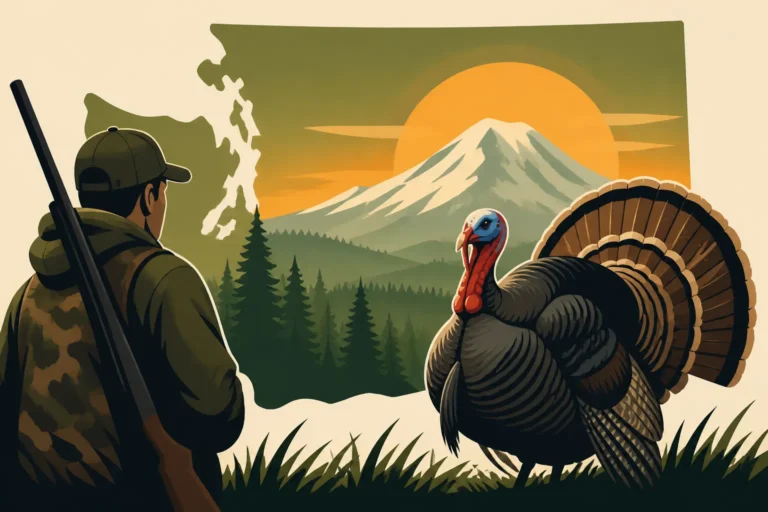
Washington turkey roosting habits include specific trees, predator avoidance, and seasonal changes that help hunters find birds.
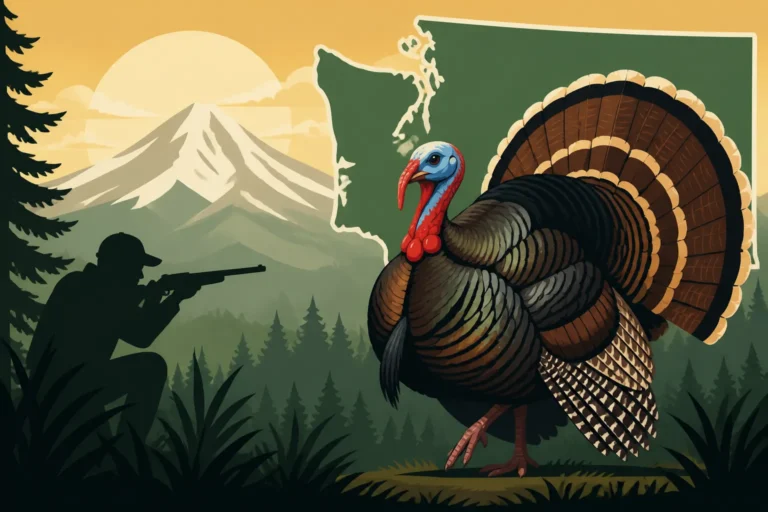
Rio Grande turkeys in Washington occupy specific eastern and south-central habitats, offering unique hunting opportunities and population trends.
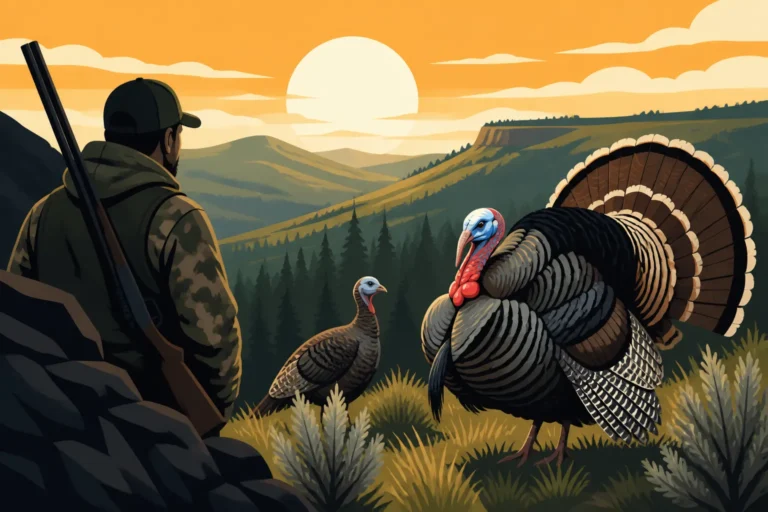
Merriam turkeys in Northeast Washington live in conifer forests, offering hunters strategies to locate populations across specific counties.
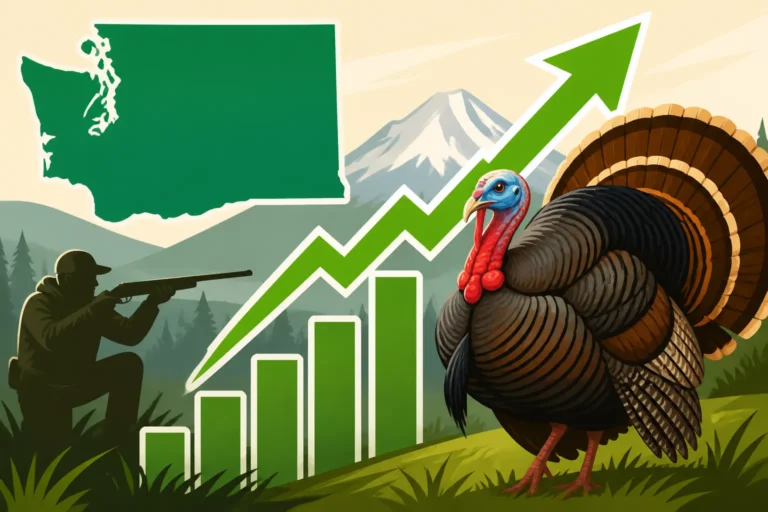
Washington turkey population growth stems from wildlife agency introductions, explaining where birds thrive in Eastern Washington.
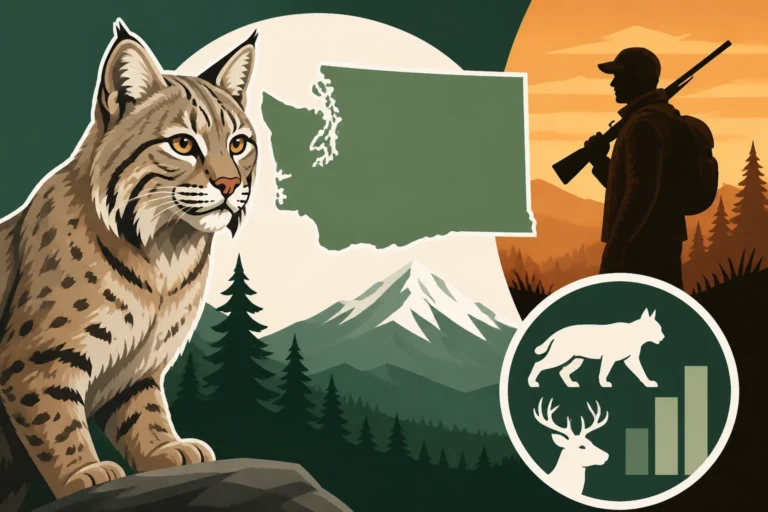
Washington bobcat populations, natural ranges, hunting seasons, and practical field strategies for hunters across the state.
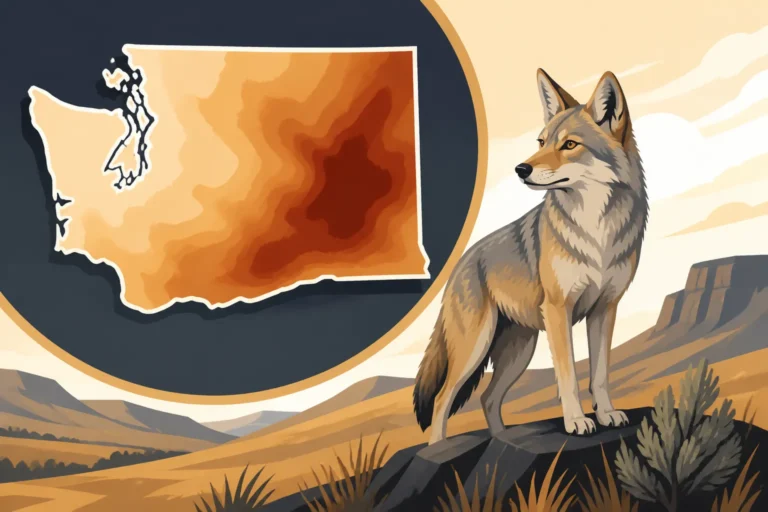
Coyote density in Eastern Washington varies based on habitat, food availability, and human influence across agricultural and wild regions.
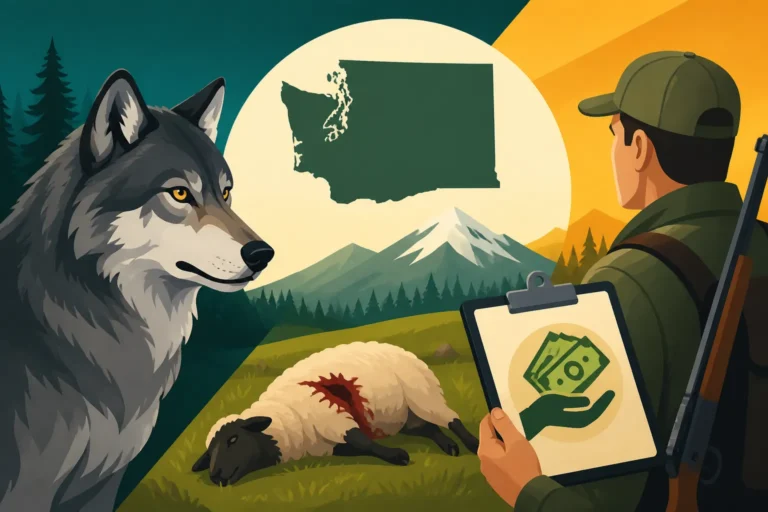
Washington wolf depredation compensation provides financial relief to livestock producers who suffer confirmed losses from wolf packs.

Washington wolf packs returning from Idaho, Oregon, and British Columbia alter elk and deer behavior and prey populations.
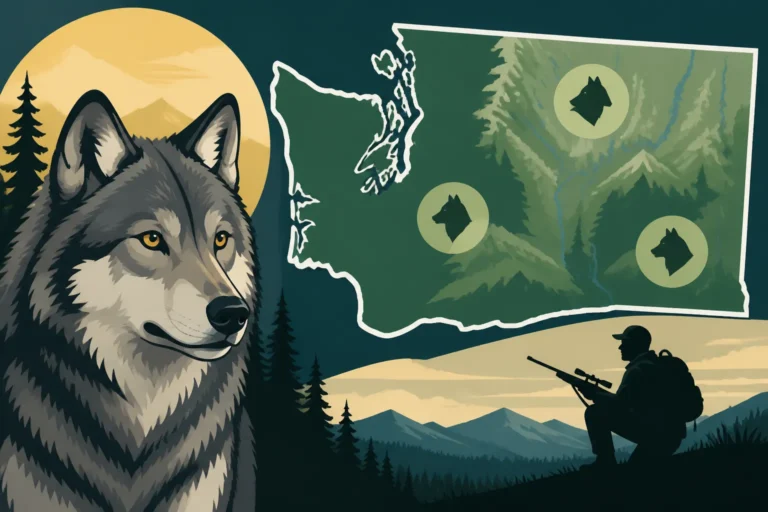
Washington gray wolf distribution and pack locations help hunters adapt strategies across eastern forests and the Cascade Mountains.
Washington wolf pack numbers, historical recovery, and annual population survey methods used by state wildlife officials.