Washington Turkey Population Growth
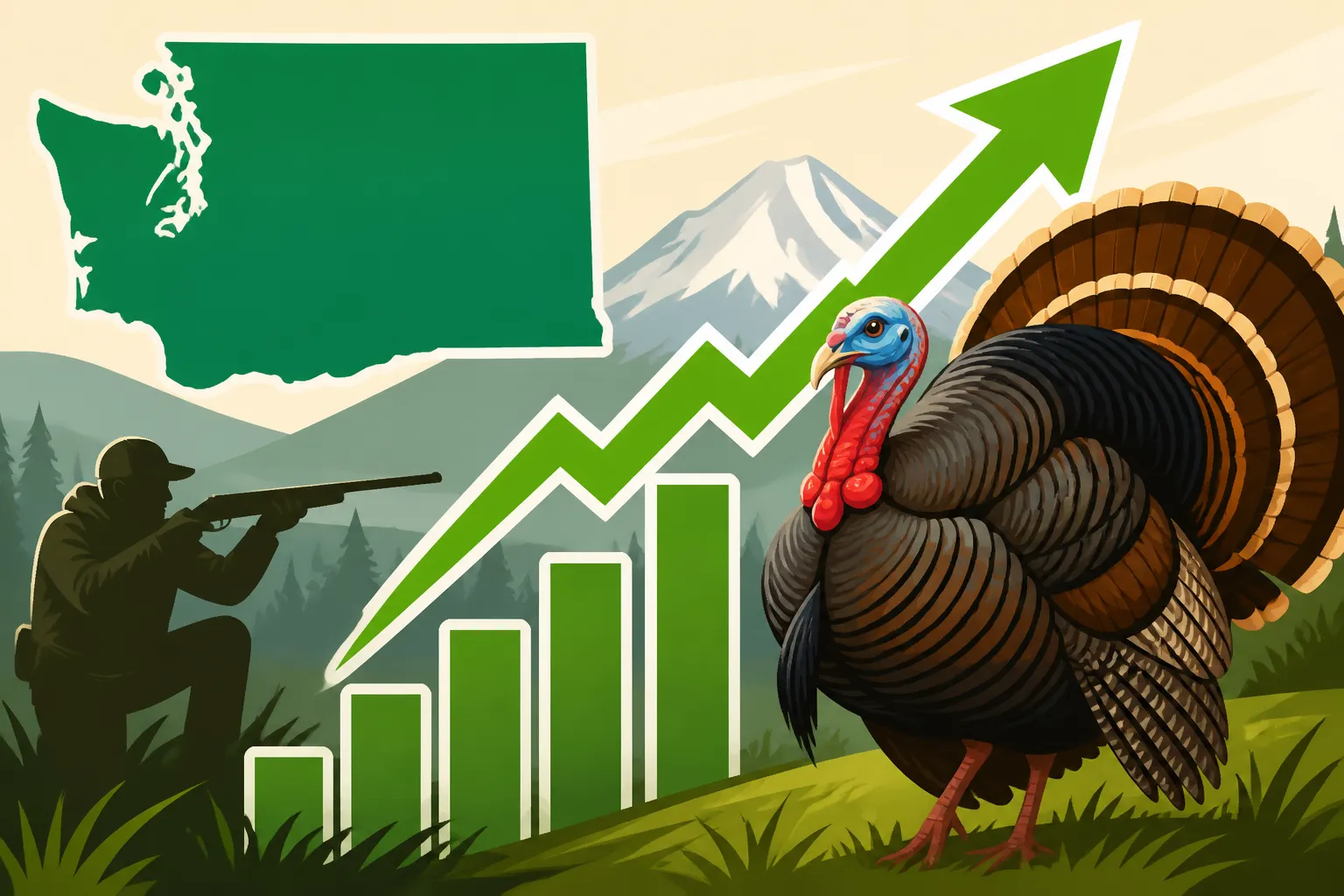
It's incredibly frustrating when you're out there, boots on the ground, calling your heart out, and come up empty-handed. You hear whispers about turkey populations booming in Washington, but then you wonder, "Where exactly?" This guide is all about shedding light on Washington's turkey population growth, helping you understand where these birds are thriving, what's driving their expansion, and how that knowledge can help you find more birds in the field.
The Resurgence: Washington's Turkey History and Distribution
It might surprise some folks to learn that wild turkeys aren't native to Washington state. They were introduced, much like many other game species, through diligent efforts to diversify hunting opportunities and fill ecological niches. For many years, hunters would travel to other states for good turkey hunting, but Washington has steadily become a legitimate destination in its own right, thanks to successful transplant programs.
Where Turkeys Came From
The story of turkeys in Washington really begins with translocation efforts by wildlife agencies. They brought in various subspecies from other parts of the country, primarily to areas with suitable habitat in Eastern Washington. These initial releases were painstakingly planned, focusing on areas with a mix of timber, open fields, and reliable water sources. The idea was to give them the best possible start, hoping they would establish breeding populations that could then expand naturally. It certainly wasn't an overnight success story, but over decades, these initial groups found their footing.
Early introductions often involved the Merriam's subspecies, known for their preference for mountainous timbered areas, and the Rio Grande subspecies, which tend to favor riparian zones and open agricultural lands. Each subspecies brought its own set of habitat requirements and behaviors, which in turn influenced where they successfully established themselves. If you're looking for specific types of terrain, understanding the history of these introductions can give you a major head start. For a deeper dive, check out our article on Washington Turkey Subspecies.
Current Strongholds and Expansion Areas
Today, Washington's turkey populations are primarily concentrated in the eastern half of the state. Northeast Washington, particularly around the Colville National Forest and areas of Pend Oreille and Stevens Counties, is widely recognized as a turkey hunting hotspot. Here, the mix of Ponderosa pine forests, agricultural fields, and river bottomlands provides ideal conditions for growth. You'll find strong numbers of Merriam's turkeys thriving in these timbered regions.
Further south and west, into the Okanogan and Columbia Basin, you'll encounter more Rio Grande birds, especially along river corridors and in mixed agricultural landscapes. Areas like the Okanogan Valley, with its river breaks and timbered hillsides, have seen significant expansion. Even some pockets in the Blue Mountains in Southeast Washington support healthy populations. While Western Washington has seen limited introductions, and generally doesn't offer the same widespread opportunities, there are very localized, often private land, populations that occasionally pop up. Knowing these general strongholds helps immensely when planning your hunt. Many hunters use tools like GoHunt to pinpoint these areas using detailed satellite imagery and public land overlays.
Factors Fueling Washington's Turkey Population Growth
It’s not just luck that these birds have taken hold; a combination of factors has created fertile ground for their success. Understanding these elements can give you clues as to why certain areas have more birds than others and where future populations might expand.
Habitat Management and Availability
One of the most critical factors is the availability and quality of habitat. Turkeys need a mosaic of different habitats: mature timber for roosting, open areas for feeding (especially for poults to catch insects), and thick cover for nesting and protection from predators. In many parts of Eastern Washington, these conditions are met. Forest thinning projects, selective logging, and agricultural practices can sometimes inadvertently create or enhance turkey habitat by opening up the understory for feeding or creating edge cover.
Private landowners also play a huge role. Many ranchers and farmers appreciate turkeys and manage their properties in ways that benefit the birds, whether it’s leaving standing crops, maintaining brushy fencerows, or preserving timber blocks. This patchwork of land use across Eastern Washington provides consistent food, cover, and breeding grounds. Access to these lands can sometimes be a challenge, but efforts like Washington's private lands access programs, including Feel Free to Hunt Properties Explained, help bridge the gap.
Favorable Climate and Ecosystems
Washington's climate, particularly in the eastern regions, has proven to be quite hospitable for turkeys. The relatively dry, often snowy winters in the timbered areas suit Merriam's turkeys, while the milder, more open country further west supports Rio Grandes. Crucially, spring and early summer weather, which impacts nesting success and poult survival, has generally been favorable. A mild, dry spring means more successful hatches and higher survival rates for young turkeys, which directly translates to population growth.
The diverse ecosystems of Eastern Washington also provide a rich food source throughout the year. From acorns and pine nuts in the timber to waste grain in agricultural fields, and a plethora of insects and berries, turkeys have a varied diet that sustains them. This consistent food supply helps hens go into nesting season in good condition and provides the energy needed for rapid growth in young birds. When you're scouting, paying attention to what food sources are available in different seasons is key. Our guide on Where Washington Turkeys Roost delves into specific habitat characteristics that attract turkeys.
Low Predation Pressure (Relatively)
While turkeys certainly have their predators – coyotes, bobcats, owls, and even cougars – the overall predation pressure in key turkey areas in Washington hasn't been a limiting factor for population growth. Wildlife managers continually monitor predator populations, and while some local impacts can occur, they generally haven't hindered the broader expansion of turkeys.
Furthermore, turkeys are pretty savvy. They use their excellent eyesight and hearing to avoid danger. Roosting high in trees at night keeps them safe from ground predators, and hens are masters of camouflage when nesting. The sheer number of birds in some areas allows the population to absorb some losses and still continue to grow. It’s a testament to their resilience and adaptability, especially when coupled with suitable habitat.
Challenges and Future Outlook for Washington Turkeys
While the story of Washington's turkeys is largely one of success, it’s not without its challenges. Understanding these potential roadblocks gives us a more realistic picture of what the future might hold for these birds and for turkey hunting in the state.
Disease and Environmental Factors
Like all wildlife, turkeys are susceptible to diseases. Avian pox, blackhead disease, and other pathogens can occasionally impact local populations. While widespread outbreaks that decimate entire regions are rare, localized flare-ups can occur, particularly in areas of high bird density. Wildlife agencies monitor these situations closely, and hunters can help by reporting any sick or dead birds they encounter.
Environmental factors also play a role. Prolonged drought can reduce water sources and impact insect populations, which are vital for young poults. Conversely, unusually cold, wet springs can lead to high poult mortality, essentially wiping out a year's hatch in some areas. Large-scale wildfires, which are a recurring concern in Eastern Washington, can also temporarily displace birds or destroy critical habitat. However, turkeys are adaptable, and often move into adjacent unaffected areas, returning to burn zones once new vegetation begins to grow.
Human Population Growth and Development
As Washington continues to grow, human population expansion inevitably brings challenges for wildlife. Urban and suburban sprawl can fragment turkey habitat, create barriers to dispersal, and increase disturbance. Road networks expand, introducing more traffic and potentially increasing vehicle-related mortality for turkeys.
Conservation efforts are crucial to mitigating these impacts. Programs that incentivize private landowners to maintain wildlife habitat, land acquisitions by state and federal agencies, and careful land-use planning can all help ensure that turkeys have places to thrive even as human populations increase. It’s a delicate balance, and active participation from the hunting community in rule-making processes, as outlined in Commenting on a Washington Hunting Rule, can help ensure wildlife concerns are heard.
Hunting Pressure and Management Strategies
As turkey populations grow and hunting opportunities expand, so too does hunting pressure. Washington has seen increasing interest in turkey hunting, especially during the popular Washington Spring Turkey Season Dates. Managing this pressure is key to ensuring sustainable populations. Wildlife agencies use bag limits, season lengths, and specific hunting regulations to control harvest levels and protect breeding hens.
For example, Washington's spring season often allows for multiple bird harvests, but with specific rules designed to protect the overall population. Fall hunts, which usually require a separate Washington Fall Turkey Permits, are also designed to be conservative, often focusing on areas where populations can sustain a harvest. Effective management relies on accurate population data, which hunters contribute to through mandatory harvest reporting. Utilizing resources like GoHunt can help hunters research specific GMUs and understand local regulations before heading afield, ensuring compliance and responsible hunting.
Locating Turkeys in Growing Areas: Tips for Hunters
Knowing that Washington's turkey populations are on the rise is one thing; actually finding them is another. Here are some actionable tips to help you put that knowledge to good use.
E-Scouting and Topographic Maps
Before you even step foot in the woods, dedicate time to e-scouting. This is where tools like GoHunt really shine, allowing you to pour over satellite imagery and topographic maps from the comfort of your home. Look for the "turkey trifecta": roosting timber (often mature pines or hardwoods near water), open feeding areas (clearings, agricultural fields, old logging roads), and dense nesting cover (brushy draws, thick reprod). Look for intersections of these habitat types.
Pay close attention to public land boundaries. Washington has a good mix of national forest, DNR lands, and wildlife areas that offer excellent turkey hunting. Learn to identify Washington Game Management Units Explained and their specific boundaries. Mark potential roost sites on ridges or along creek bottoms, and identify access points that might be less frequented by other hunters. Scouting this way allows you to narrow down vast landscapes to manageable, high-potential areas, saving you valuable time and boot leather.
| Subspecies | Primary Range in Washington | Typical Habitat Preferences | Key Characteristics |
|---|---|---|---|
| Merriam's | Northeast (Colville NF), Blue Mountains, Okanogan | Ponderosa pine forests, mountainous terrain, mixed conifers, open meadows | White-tipped tail feathers, dark body, lighter buff-colored wing bars |
| Rio Grande | Central & Eastern (Okanogan, Columbia Basin), riparian corridors | River bottomlands, brushy draws, agricultural fields, oak woodlands | Tan/buff-tipped tail feathers, lighter body, often found near water |
| Eastern | Very limited, highly localized in SW Washington | Dense hardwood forests, mixed pine/hardwood stands, deep timber | Chestnut-tipped tail feathers, darkest body, iridescent sheen |
On-the-Ground Scouting and Sign Reading
Once you've done your e-scouting, it’s time for boots-on-the-ground recon. This is invaluable, especially in the weeks leading up to the season. Look for physical signs of turkeys: tracks in soft dirt or mud, droppings (larger and more coiled for gobblers, smaller and looser for hens), feather piles, and dusting bowls. Listen for gobbling at dawn and dusk to pinpoint general areas where birds are roosting. Even if you only hear a distant gobble, it tells you that turkeys are in the vicinity and gives you a direction to focus your efforts.
Identifying travel corridors between roosting areas and feeding grounds is critical. Turkeys often use logging roads, game trails, or open ridges to move around. Set up a trail camera in promising locations to get a better idea of movement patterns and flock size. Remember, good scouting translates directly to better hunting success, especially when you're after savvy birds.
Understanding Turkey Behavior and Calling
Knowing how turkeys behave throughout the day and across the season will make you a much more effective hunter. In spring, gobblers are focused on breeding, which makes them responsive to calling. Learn a variety of calls – yelps, clucks, purrs, and even the aggressive gobble – and know when to use them. Early in the morning, a fly-down cackle might get an immediate response, while later in the day, softer clucks and purrs might lure a wary gobbler that’s already with hens.
Hens become less vocal once they're on nests, but lone gobblers will continue to cruise, looking for receptive mates. During the general season, especially after the initial peak of gobbling, birds can become "call shy." Sometimes, less calling is more. Understanding Cow Calls That Pull a Bull Off His Herd offers some parallels here; sometimes, you need a different strategy to pull the birds away from their routine. In the fall, turkey hunting is often more about locating flocks and using subtle hen and kee-kee runs to draw them in. Always adapt your strategy to the current conditions and the mood of the birds.
By combining diligent e-scouting, thorough ground scouting, and a solid understanding of turkey behavior and calling, you'll be well on your way to experiencing the thrill of a Washington turkey hunt.
Disclaimer
This article is for general informational purposes only and does not constitute professional advice. Laws, prices and regulations vary by location and change over time. Consult a qualified professional for guidance on your specific situation.