Reporting an Accident in the Field
There's nothing quite like the knot in your stomach when a hunt takes a sudden, terrifying turn. We all go into the backcountry, whether chasing elk in the Blues or blacktails in the western timber, hoping for a successful harvest and a safe return. But the reality is, accidents happen – from serious falls and medical emergencies to the dreaded, unthinkable firearm or archery incident. Knowing what to do in those critical moments, and how to properly report an accident in the field, can make all the difference, and that's exactly what we're going to cover in this comprehensive guide.
Understanding What Constitutes a Hunting Accident in Washington
When we talk about "accidents" in the field, it's easy to picture the worst-case scenarios, but the term itself can actually have different meanings depending on whether you're talking about a general emergency or a specific legal hunting incident. Knowing the distinction is key, as it dictates how and who you report to.
Defining a Hunting Incident by WDFW Standards
Let's get clear on what the Washington Department of Fish and Wildlife (WDFW) specifically classifies as a "hunting incident" for reporting and investigation purposes. It's often much narrower than you might think. Generally, a hunting incident, by WDFW's definition, involves an injury or death to any person as a result of a person's discharge of a firearm or bow and arrow while hunting or trapping. This means if someone accidentally shoots themselves, another hunter, or a bystander, or if an arrow causes injury, that’s a hunting incident.
This definition is crucial because it triggers a specific investigation protocol by WDFW enforcement officers, who are trained in reconstructing such events. This is distinct from, say, breaking your leg during a steep hike while carrying your rifle. While both are serious emergencies requiring immediate attention, only the former falls under the official WDFW hunting incident investigation mandate. However, it's important to understand that all emergencies in the field require a swift, decisive response. Your goal, regardless of the official classification, is to ensure safety and get help.
Common Scenarios and Their Impact
Hunting accidents come in many forms, and understanding the common types can help you anticipate and, hopefully, prevent them. The most grievous, of course, are those involving firearm or bow discharge. This could be an accidental discharge while loading or unloading a weapon, or perhaps tripping and having a round fire unintentionally. Sadly, there are also tragic instances of hunters mistaking another person for game, especially in thick cover or low light, or not positively identifying their target and the background beyond it. Self-inflicted injuries are also a concern, ranging from broadhead cuts while field dressing to slips and falls that result in impalement from a knife or broken bones.
Beyond weapon-related incidents, hunters face all the general hazards of being in remote, rugged country. Think about the physical toll of Chukar Country Fitness and Footwear or the challenges of Late-Season Hunting in Washington Snow. A heart attack on a steep ridge, a severe allergic reaction to a bee sting, or a serious fall resulting in a head injury are all non-hunting related emergencies that demand immediate action. The impact of any of these scenarios extends far beyond the physical injury itself. There’s the intense emotional trauma for everyone involved, the logistical nightmare of extraction, and the potential long-term psychological effects. An accident can be a life-altering event, which is why preparation, vigilance, and knowing what to do are paramount.
Immediate Steps When an Accident Occurs
When an accident happens, whether it’s a hunting-specific incident or another type of emergency, the moments immediately following are chaotic and critical. Your ability to react calmly and methodically can literally save a life.
Prioritizing Safety and Administering First Aid
The very first and most important step is to STOP everything and assess the situation. If a firearm or bow is involved, the absolute priority is to secure the weapon. For a firearm, immediately clear the chamber, engage the safety, and point it in a safe direction. If it's an archery incident, secure the broadhead, making sure it can’t cause further injury. This eliminates the risk of a secondary discharge or further injury from the weapon itself. This initial act of securing the weapon is non-negotiable and takes precedence even over immediate first aid if there's any risk of further harm.
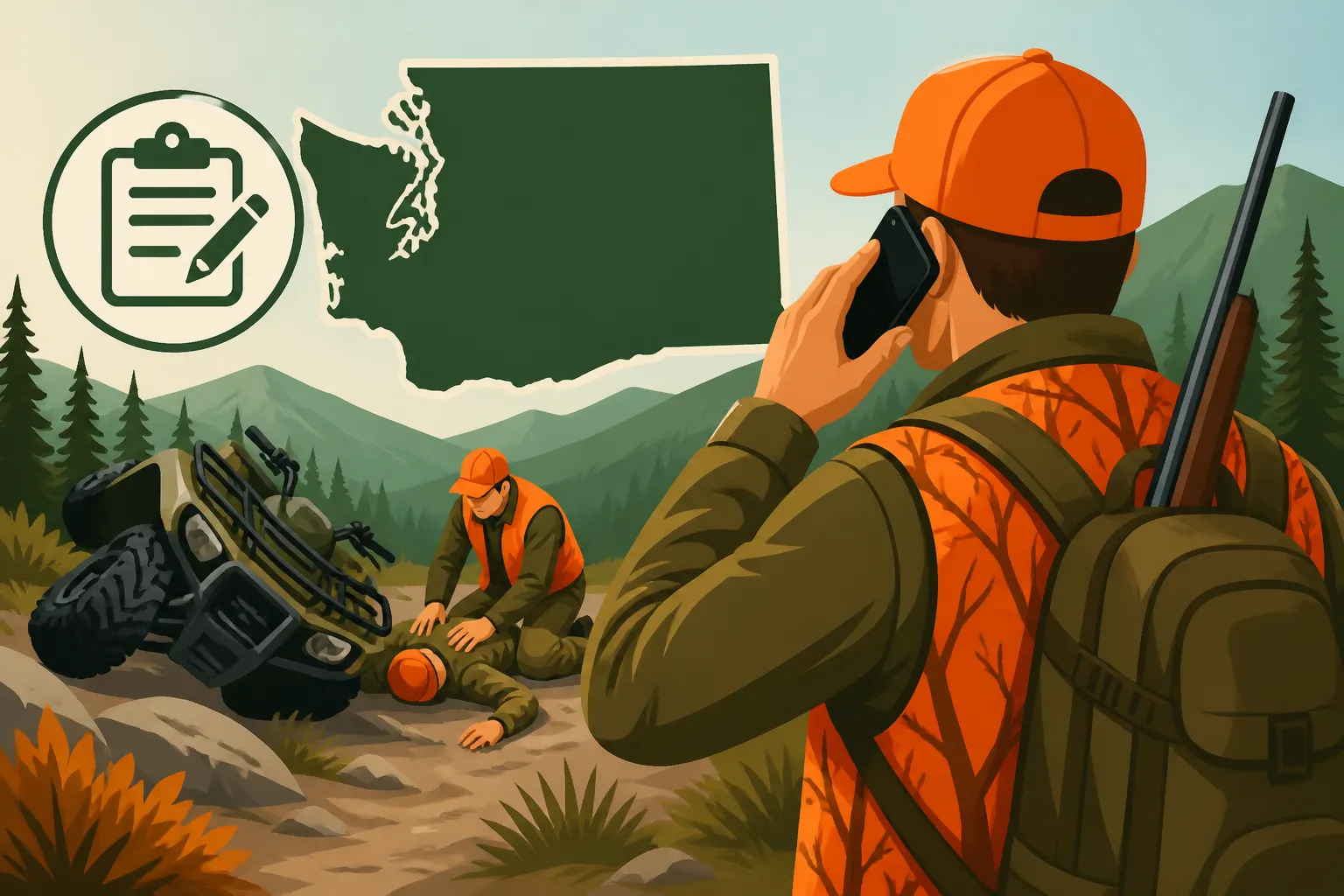
Once the weapon is secure, quickly assess the scene for any ongoing dangers. Are you on unstable ground? Is there an aggressive animal nearby? Are there other hunters who might be in danger? Only when the scene is as safe as possible should you approach the victim. Now, it's time for basic first aid. Your wilderness first aid training or even just your standard Red Cross certification will kick in here. Focus on the basics:
- Control severe bleeding: Apply direct pressure, use a tourniquet if necessary and properly trained.
- Check for shock: Keep the victim warm, elevate their legs if appropriate, and keep them calm.
- Maintain an open airway: Ensure they can breathe.
- Stabilize injuries: Don't move the victim unless their current position puts them in greater danger (e.g., risk of falling off a cliff, in the path of a rockslide). If you must move them, do so with extreme caution, trying to keep their spine aligned, especially if a head, neck, or back injury is suspected. Having a well-stocked First Aid Kit for a Remote Hunt and knowing how to use it is non-negotiable for any backcountry hunter.
Establishing Communication and Location
Once the immediate threat is contained and basic first aid is administered, your next critical task is to get help. Call 911 immediately if the injury is life-threatening or severe. Do not hesitate or try to "handle it" yourself if someone is seriously hurt. Emergency responders are trained for these situations. When you call, be prepared to provide precise, clear information:
- Your exact location: This is paramount. Provide GPS coordinates if you have them. If not, describe landmarks, road names, and any distinctive features. This is where pre-hunt scouting with apps like GoHunt can be invaluable. Many hunters use platforms like GoHunt for detailed mapping and planning, which is a fantastic proactive step that can save critical time in an emergency. Being familiar with your area and using tools like GoHunt to pre-scout can help minimize risks.
- Nature of the injury: Be clear and concise. "Gunshot wound to the leg," "severe fall with suspected head trauma," etc.
- Number of victims.
- What happened: Briefly explain the circumstances.
- Your contact information: Your name and phone number.
If you’re in a remote area without cell service, this is where your advanced communication tools become lifesavers. A Two-Way Radio Use While Hunting might connect you to hunting partners, but for broader reach, a satellite messenger like a Garmin inReach or Zoleo is essential. These devices allow you to send SOS messages with your GPS coordinates to a 24/7 monitoring center, even when there's no cell signal. Before heading out, make sure you've communicated your hunt plan to someone reliable back home – see our guide on Leaving a Trip Plan at Home. This is a crucial backup if you can't communicate yourself, especially for those considering Solo Hunting Safety Precautions.
| Emergency Type | Immediate Action | Who to Call (Primary) | Who to Call (Secondary/WDFW) | Key Information to Provide |
|---|---|---|---|---|
| Firearm/Bow Injury (Life-threatening) | Secure weapon, provide first aid, maintain scene | 911 | WDFW Dispatch (after 911) | Precise location (GPS!), nature of injury, weapon details, clear account of what happened, number of victims, your contact |
| Firearm/Bow Injury (Non-life-threatening) | Secure weapon, provide first aid, maintain scene | Local Sheriff / WDFW Dispatch | (As primary contact) | Precise location, injury details, weapon, clear account of circumstances |
| Medical Emergency (e.g., heart attack, severe fall) | Provide first aid, make victim comfortable/stable | 911 | (If also hunting related: WDFW) | Precise location (GPS!), nature of illness/injury, victim's status, number of victims, your contact |
| Lost Hunter / Overdue Party | Stay put, signal, conserve energy, review trip plan | Local Sheriff / Search & Rescue | (Inform WDFW if hunting trip) | Last known position, clothing, supplies, full trip plan, vehicle details |
Notifying Authorities and Ensuring Proper Reporting
Once the immediate crisis of care and communication is underway, understanding the proper channels for reporting, especially in a hunting incident, is crucial. It’s not just about getting help; it’s about fulfilling legal obligations and contributing to safety education.
Contacting Local Law Enforcement and WDFW
As mentioned, for any life-threatening emergency, 911 is your first call. This will typically bring local law enforcement (Sheriff's Office or State Patrol) and EMS. However, if the incident falls under the WDFW's definition of a hunting accident (injury or death from a firearm or bow discharge while hunting), WDFW enforcement officers must also be notified and will typically be involved in the investigation. Sometimes, 911 dispatchers will automatically notify WDFW, but it's wise to confirm or make a separate call to WDFW's non-emergency dispatch number if you believe it's a hunting-specific incident. You can often find these numbers in the current hunting regulations pamphlet or by doing a quick web search.
When speaking with any authority, whether 911, local police, or WDFW, honesty and cooperation are paramount. These investigations are designed to determine facts, not immediately assign blame. Your cooperation helps them understand exactly what happened, which can inform future safety protocols and prevent similar incidents. Be prepared to calmly recount the events as accurately as possible. The emotional toll of an accident can be immense, but maintaining composure and providing clear, factual information is the best course of action.
Preserving the Scene and Providing Information
In the event of a WDFW-reportable hunting incident, preserving the scene is almost as important as administering first aid. Officers will need to gather evidence to reconstruct the event, and disturbing the scene more than absolutely necessary for victim care can complicate their investigation. This means trying to keep weapons, spent casings, arrows, blood trails, and the positions of all involved individuals as undisturbed as possible. Of course, human life takes precedence, so if moving someone is essential for their survival, that's what you do.
You’ll be asked to provide detailed information about what occurred. This includes:
- The sequence of events leading up to the accident.
- The exact location of the incident. This is where having detailed maps, either physical or digital like those found on GoHunt, can be a huge asset. Using features within GoHunt to mark emergency rendezvous points or areas with known cell service can save precious time.
- Visibility conditions, terrain, and weather at the time.
- Who was involved, their roles, and positions.
- Details about the weapons involved (caliber, bow draw weight, etc.).
- Any other relevant observations.
Taking mental notes, or even quick physical notes if feasible, about timestamps and specific actions can be helpful. Remember, the goal of the investigation is to understand, not just to prosecute. Accurate reporting contributes to a safer hunting community for everyone, by identifying common causes and teaching preventative measures.
The Aftermath and Prevention
An accident in the field doesn't end when the emergency services leave. There's an investigation, potential legal ramifications, and, most importantly, critical lessons to be learned to ensure future safety for yourself and others.
Understanding the WDFW Investigation Process
When WDFW enforcement officers take on a hunting incident, they conduct a thorough investigation, often including gathering statements from all parties involved and witnesses, photographing the scene, taking measurements, and meticulously reconstructing the events. Their expertise lies in identifying factors that contributed to the incident, such as unsafe firearm handling, misidentification of game, or failure to ensure a safe zone of fire.
The primary purpose of this investigation is twofold: to determine the cause of the accident and to ascertain whether any laws or safety regulations were violated. This might involve examining factors like proper Shot Placement on a Quartering Elk or confirming that the hunter was adhering to local regulations. If negligence is found—for example, handling a loaded firearm carelessly or shooting without positively identifying the target—the involved individual could face criminal charges, civil penalties, and the loss of hunting privileges. The outcome can significantly affect your ability to hunt in Washington in the future. This sobering reality underscores the importance of not just knowing safety rules, but living by them every single moment you are in the field. Every hunter in Washington should have a firm grasp of what is covered in Washington Hunter Education Options.
Lessons Learned and Future Safety
Every accident, no matter how minor or catastrophic, presents an opportunity for learning and improvement. Once the immediate crisis has passed and any investigations are complete, it’s vital to engage in an honest review of what happened. This isn't about dwelling on guilt, but about understanding the chain of events and identifying where improvements can be made. What went wrong? Could specific actions have prevented the accident? What safety protocols need reinforcement?
Often, accidents stem from complacency, a momentary lapse in judgment, or a lack of recent training. A regular refresher course in hunter education, whether an in-person class or an Washington Hunter Education Online Course, can help reinforce critical safety principles. Revisit the "Ten Commandments of Firearm Safety" or the "Four Rules of Archery Safety" regularly. Practice safe firearm handling with an unloaded weapon at home, ensuring it becomes second nature.
Proactive planning also plays an enormous role in prevention. This includes pre-scouting your hunt area with tools like GoHunt and marking potential hazards or safe zones. Knowing your terrain, understanding potential risks like Hypothermia Risk on a Wet Hunt in cold weather, and having a solid communication plan are all crucial. Even with the most thorough preparation, accidents can still happen. But by understanding the reporting process, taking immediate decisive action, and committing to continuous learning and safety, we can all contribute to a safer, more responsible hunting culture in Washington.
Disclaimer
Please note that this guide provides general information and recommendations. Hunting regulations and emergency protocols can change. Always consult the most current Washington Department of Fish and Wildlife regulations pamphlet, local law enforcement, and emergency services for the most accurate and up-to-date information. In any emergency situation, prioritizing human life and contacting 911 should always be your first course of action.