Rain Gear for Westside Hunting
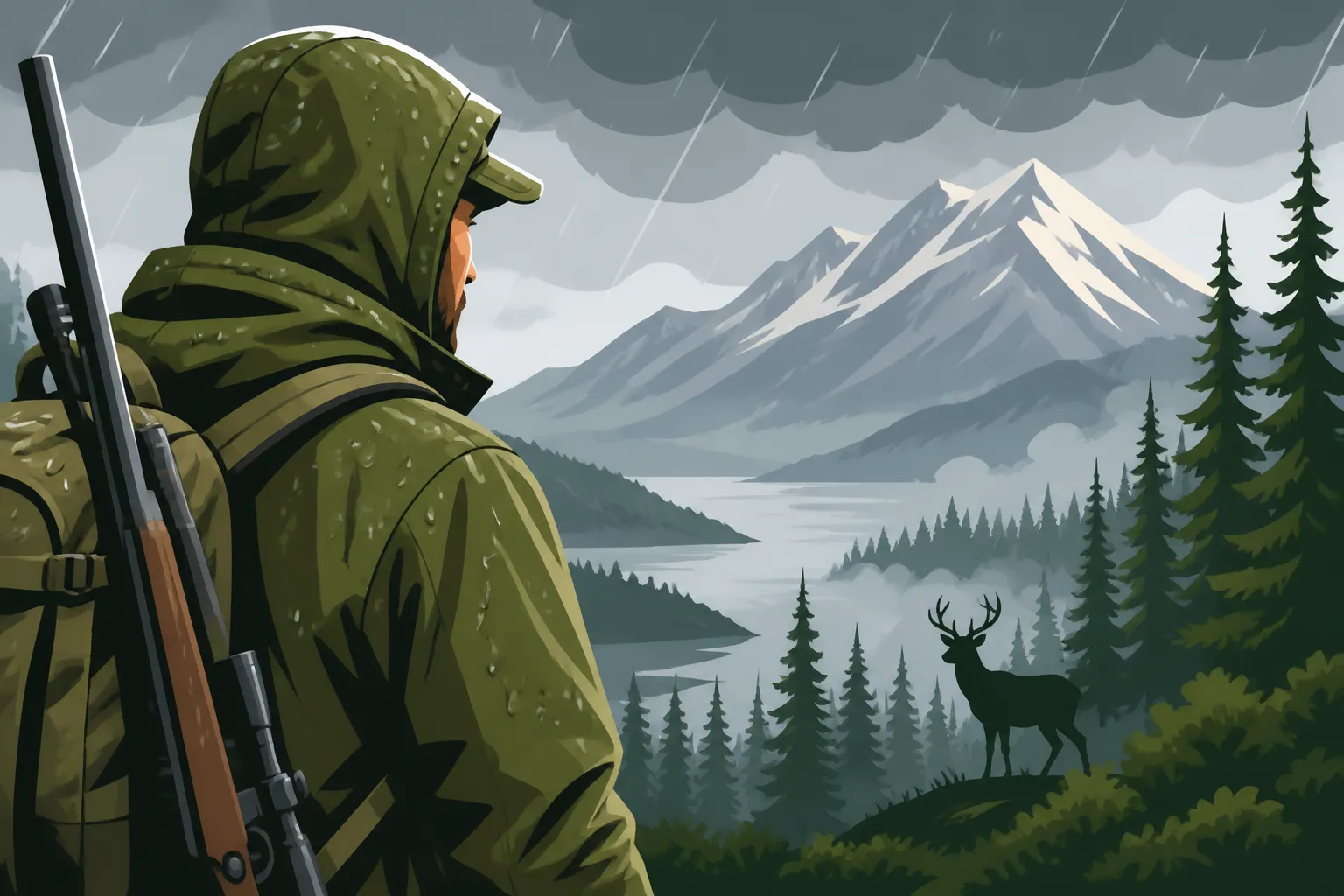
Oh, the sheer misery of a Washington Westside hunt when the rain decides to move in and stay. We've all been there, pushing through a dense thicket of salal and devil's club, feeling that slow, insidious chill creep in as your "waterproof" gear begins to fail. There’s nothing that can suck the joy, and the warmth, out of a hunt faster than being soaked to the bone. This guide is all about equipping you with the knowledge to pick out and properly use rain gear that will actually stand up to the relentless, soul-dampening rain of Western Washington, keeping you comfortable and focused on the hunt, not the weather.
Understanding the Unique Challenge of Westside Rain
When folks talk about rain, many imagine a quick shower or a heavy downpour that passes. But on Washington's Westside, especially in the coastal ranges or the lower Cascade foothills, rain isn't just an event; it's a condition. It's persistent, pervasive, and often accompanied by thick fog and heavy humidity. This isn't just about getting wet; it's about staying wet, which leads to being cold, miserable, and eventually, unsafe.
Persistent Drizzle and All-Day Soakings
Forget the idea of a "passing shower." Westside hunting, particularly for species like Roosevelt Elk of Western Washington or Columbian Blacktail Deer in Western Washington, often means enduring hours, if not entire days, of steady, often light-to-moderate rain. It's that kind of rain that doesn't feel too bad at first, but slowly, relentlessly, wears down the water repellency of your gear until you're saturated. This persistent moisture is what truly tests the mettle of any rain jacket or pants. You might start your morning in a light drizzle while Glassing Eastern Washington Breaks for Mule Deer (even if the advice is for the Eastside, the principle of persistent moisture penetration applies broadly), only to find that by afternoon, your jacket has "wet out" and your base layers are clammy.
Humidity and Internal Condensation
Beyond the external wetness, Western Washington's climate, particularly during hunting seasons, is notoriously humid. This high humidity creates a significant challenge for breathable rain gear. Your body generates heat and sweat, and ideally, your rain gear's membrane should allow that vapor to escape. However, when the air outside is already saturated with moisture, that vapor has nowhere to go. The result? Internal condensation. It feels like your gear is leaking, but often it's your own sweat unable to vent. This is why you can be "wet from the inside out" even if your rain gear is technically waterproof. It's a frustrating reality for hunters who are working hard, climbing steep slopes or packing an elk out of Washington's Backcountry, only to find themselves clammy and cold despite their expensive gear.
Brush, Abrasion, and the "Westside Gauntlet"
Western Washington isn't just wet; it's thick. We're talking about dense undergrowth like salal, huckleberry, and the infamous devil's club, often laced with blackberry brambles. Pushing through this stuff, especially when Still-Hunting Blacktails in Wet Washington Brush, puts immense stress on fabric. Lightweight rain gear, while offering excellent breathability, often tears or abrades quickly when subjected to this constant friction. A tiny pinhole can lead to a steady drip, compromising your entire system. The Westside gauntlet demands not just waterproofness, but genuine ruggedness and resistance to punctures and tears, because a small breach in your waterproof shell is almost as bad as no shell at all.
Essential Features for Effective Rain Gear
Not all rain gear is created equal, especially when it comes to the specific demands of Washington's Westside. Understanding the key features will help you sift through the marketing jargon and choose truly functional pieces.
Waterproofness Versus Breathability
This is the eternal paradox of rain gear: you need to keep water out, but you also need to let sweat vapor escape.
- Waterproofness: Measured in millimeters (mm), this indicates how much water pressure the fabric can withstand before leaking. For Westside hunting, you're looking for ratings generally above 10,000mm, with 20,000mm or higher being ideal for truly nasty conditions. The best waterproof fabrics use membranes like Gore-Tex, Pertex Shield, or proprietary brands from companies like Sitka and Kuiu. These membranes are designed with microscopic pores that are too small for liquid water molecules to pass through but large enough for water vapor.
- Breathability: Often measured in Grams per Square Meter (g/m²/24hr), this indicates how much moisture vapor can pass through the fabric in a 24-hour period. Higher numbers mean better breathability. Again, for active hunting in humid Westside conditions, aim for 15,000 g/m²/24hr or higher. However, remember the caveat about high humidity reducing effective breathability—it's still crucial to have, but manage your expectations. A truly breathable fabric still needs a differential between inside and outside humidity to work optimally. Without it, you end up feeling like you're in a sauna suit, even in the rain.
Durability and Material Choices
Given the punishing nature of Westside brush, the face fabric of your rain gear is just as important as the waterproof membrane.
- Face Fabric: Look for rugged nylon or polyester weaves, often ripstop patterns, that can withstand snagging and abrasion. Denier ratings (a measure of fiber thickness) can give you an idea of durability; higher denier generally means tougher fabric. Brands often blend different deniers or use strategic reinforcements in high-wear areas like shoulders, elbows, and knees. This is particularly important when you're crawling through thick timber or carrying a heavy pack for Quartering and Packing an Elk Solo, as these actions put immense stress on fabrics.
- Seam Taping: Even the most waterproof fabric is useless if the seams leak. Ensure all seams are fully "taped" or "welded" on the inside. This is a non-negotiable feature for any truly waterproof garment. Check for neat, consistent taping, as this indicates quality construction. Inferior taping can peel or crack over time, turning a waterproof shell into a leaky sieve.
Fit, Mobility, and Layering Capability
Your rain gear needs to fit over your existing layers without restricting movement, allowing you to shoot, climb, and navigate effectively.
- Layering Space: Ensure there's enough room to comfortably wear your insulating layers underneath. A common mistake is buying rain gear too small, making it restrictive and compromising the performance of your entire system. When you’re putting on your Layering for Wet Cold kit, you need your rain shell to slide over it smoothly, not bunch up.
- Articulation: Look for articulated knees and elbows, gusseted crotches, and athletic cuts that allow for a full range of motion. You should be able to raise your arms above your head without the hem lifting significantly, and bend your knees without feeling restricted. This is crucial for navigating steep terrain or getting into a shooting position quickly.
- Adjustability: Cuffs, hems, and hoods should be easily adjustable to seal out drafts and moisture. Hoods should be large enough to go over a hunting cap but also cinch down securely without obscuring your peripheral vision.
Strategic Pockets, Zippers, and Ventilation
Small details can make a huge difference in comfort and functionality.
- Waterproof Zippers: All external zippers, especially on pockets and the main front closure, should be waterproof or highly water-resistant. YKK AquaGuard zippers are a common, reliable choice. If zippers aren't waterproof, they should have storm flaps to prevent water ingress.
- Pit Zips and Vents: These are your best friends for managing internal condensation. Pit zips (underarm zippers) allow you to dump heat quickly without fully opening your jacket, maintaining a degree of weather protection. Some pants also feature full-length side zips, which are excellent for ventilation and allow you to put on or take off pants without removing your boots—a true blessing in the field.
- Pocket Placement: Pockets should be placed strategically so they remain accessible even when wearing a backpack or bino harness. Chest pockets are often ideal for keeping essentials dry and within reach.
| Feature | Description | Why it Matters for Westside Hunting |
|---|---|---|
| Waterproof Rating | Millimeters of water pressure fabric can withstand (e.g., 20,000mm) | Keeps out persistent, heavy Washington rain for extended periods. |
| Breathability | Grams of vapor per square meter per 24 hours (e.g., 20,000 g/m²/24hr) | Reduces internal condensation, keeping you drier from your own sweat, especially when active. |
| Durable Face Fabric | Rugged nylon/polyester weave, often ripstop (e.g., 150D reinforced) | Resists tears and abrasions from dense brush like salal and devil's club. |
| Fully Taped Seams | Internal seam sealing to prevent leaks | Essential for true waterproofness; weak point if not properly executed. |
| Articulated Fit | Pre-shaped knees/elbows, athletic cut for mobility | Allows unrestricted movement for climbing, shooting, and packing through tough terrain. |
| Waterproof Zippers | YKK AquaGuard or protected zippers on main openings and pockets | Prevents water ingress through closures, protecting essentials. |
| Pit Zips/Vents | Zippered openings for ventilation (e.g., underarms, full-length leg zips) | Crucial for dumping excess heat and reducing internal moisture when exertion levels vary. |
| Adjustable Hood/Cuffs | Cinch cords and velcro tabs for custom fit | Seals out wind and rain, allows hood to fit over headwear without obscuring vision. |
Types of Rain Gear Systems for Hunters
The market offers a spectrum of rain gear, from ultralight emergency shells to expedition-grade armor. Choosing the right system depends on your hunting style, the intensity of the weather you expect, and your budget. Remember, what works for a short stroll won't cut it when you're facing a multi-day deluge in the Willapa Hills.
Lightweight Packable Shells
These are designed for minimal weight and bulk, often for hunters who anticipate only occasional rain or want an emergency layer.
- Pros: Extremely light, compress down to a tiny size, often quite breathable for their weight. Excellent for backpack hunts where every ounce counts, or when you're primarily concerned with keeping a pack load manageable. Many feature high-performance membranes that balance waterproofness with breathability.
- Cons: Durability is often sacrificed for weight. They're more susceptible to tears and punctures from heavy brush or sharp branches. They also tend to "wet out" faster in truly persistent, heavy rain. The face fabric might be so thin that it adheres uncomfortably to your layers when wet, and the noise can be an issue if you're trying to Still-Hunting Pace in Wet Brush. This type of gear is best suited for scenarios where rain is intermittent or light, or when the terrain is more open.
- Real-world scenario: You're on a several-day E-Scouting Washington GMUs Before the Draw trip in early September, where rain is possible but not guaranteed to be constant. You need something light to throw in your pack just in case, knowing you won't be thrashing through dense undergrowth all day.
Heavy-Duty Expedition Gear
This category prioritizes ruggedness and maximum protection, designed to withstand the worst Mother Nature can throw at you, day after day.
- Pros: Incredibly durable, highly waterproof, and often feature robust face fabrics that can shrug off serious abuse from brush and heavy packs. These are built for the long haul and offer superior protection in relentless downpours or freezing rain. The thicker fabrics often provide a bit more insulation and quietness compared to ultra-light alternatives. They are the ideal choice for Washington's Late-Season Hunting in Washington Snow or any extended trip where you know you'll be wet for days.
- Cons: Heavier and bulkier than lightweight options, and often less breathable due to the thicker materials, making internal condensation more of a factor during high exertion. They also tend to be significantly more expensive. The weight penalty might be a deterrent for some, especially if you're trying to minimize pack weight for a deep backcountry push.
- Real-world scenario: You've drawn a coveted permit for Archery Elk Hunting in Washington's September Season on the Olympic Peninsula, where you're anticipating days of slogging through temperate rainforest. You need gear that won't fail when you're miles from the truck, setting up a backcountry camp. Brands like First Lite and Kuiu offer excellent options in this category, known for their durable DWR treatments and robust construction. GoHunt's gear reviews might also offer insights into which brands and specific models stand up best to these conditions.
Hybrid Approach for Versatility
Many experienced Westside hunters opt for a hybrid system, combining elements of both lightweight and heavy-duty gear to maximize versatility.
- Concept: This often involves using a more robust, durable jacket for core protection, paired with lighter, more breathable rain pants. Or, using heavy-duty rain pants for brush busting, combined with a lighter, quieter top for active hunting. The idea is to strategically place durability where you need it most (e.g., in areas prone to rubbing, like hips and knees) and prioritize breathability or weight savings elsewhere.
- Benefits: Offers a balance of protection, durability, and packability. You can tailor your system to specific hunt conditions and personal preferences, avoiding the "one size fits all" compromise. For example, your legs might take the most abuse when Hunting Blacktails in Fog and Rain, so investing in rugged rain pants might be a priority, while your upper body might benefit from a more breathable top.
- Real-world scenario: You're planning to hunt the Skookumchuck Unit's timber ground for elk. You'll be doing a lot of hiking and still-hunting, but also some serious bushwhacking. You might choose a durable pair of rain pants with full side zips for ventilation and easy on/off, combined with a slightly lighter, quieter rain jacket that prioritizes upper body mobility and breathability for silent movement.
Keeping Your Rain Gear Performing at Its Best
Even the best rain gear needs a little love to perform optimally. Proper care and maintenance are crucial, especially when you're relying on it to keep you safe and comfortable in challenging conditions.
Proper Layering Underneath
Your rain gear is the outermost shell, but its effectiveness is highly dependent on what you wear underneath.
- Wicking Base Layers: Always start with a synthetic or merino wool base layer. These materials excel at wicking moisture away from your skin, even if that moisture can't fully escape through your rain gear due to humidity. Cotton is an absolute no-go; it absorbs moisture and holds it against your skin, leading to rapid cooling and hypothermia risk. This aligns perfectly with the principles of Layering for Washington's Fifty Degrees and Wet and is perhaps the most critical component of staying warm and dry from the inside out.
- Insulating Mid-Layers: Choose synthetic fleeces or puffy jackets with synthetic insulation for your mid-layers. Synthetic materials retain their insulating properties even when damp, unlike down. Avoid over-layering, which can lead to excessive sweating and internal condensation. The goal is to generate just enough heat to stay warm without overheating.
- Ventilation is Key: Actively manage your ventilation through pit zips, front zippers, and leg zips. As soon as you start to feel warm, open them up. It's much easier to prevent sweating than to dry out once you're soaked. If you're on a steep climb for Washington Elk Hunting Tactics by Weapon Season, unzipping your jacket and pants a bit can make a huge difference.
DWR Treatment and Re-Waterproofing
The "Durable Water Repellent" (DWR) coating on the outside of your rain gear is the first line of defense. It causes water to bead up and roll off the fabric, preventing the face fabric from becoming saturated (what's known as "wetting out").
- Why DWR Matters: When the DWR fails, the face fabric absorbs water. While the internal membrane still technically prevents water from reaching you, the saturated face fabric reduces breathability (because the external humidity is now effectively inside the fabric itself) and increases the garment's weight. This leads to that clammy, cold feeling.
- Maintenance: DWR wears off over time due to dirt, oils, and abrasion. You'll notice this when water stops beading and starts soaking into the fabric. To restore DWR, first clean your garment with a technical wash designed for waterproof fabrics (e.g., Nikwax Tech Wash or Granger's Performance Wash). Then, apply a spray-on or wash-in DWR treatment. Brands like Nikwax and Granger's make excellent products for this. This simple step can dramatically extend the life and performance of your rain gear. This is particularly important for Why Cheap Rain Gear Fails in Washington – often, the DWR on cheaper gear is poor from the start and quickly degrades.
Camp Care and Drying Strategies
Even with the best gear, you'll likely accumulate some moisture during a wet Westside hunt. Proper care in camp is essential for multi-day trips.
- Shake and Hang: As soon as you get back to camp, shake off as much external water as possible. Hang your rain gear in a sheltered, well-ventilated area, preferably not directly on a heat source which can damage membranes. If you're running a wall tent with a stove setup, be careful to keep your gear at a safe distance.
- Inside Out: If the interior is damp from condensation, turn the garment inside out to allow it to dry.
- Never Crumple: Avoid crumpling wet rain gear into a ball, as this traps moisture and can lead to mildew and degradation of the fabric and DWR. Even when packing Meat Out After Dark, take a moment to properly store your gear.
- Emergency Drying: In truly dire circumstances where you need to dry gear quickly and safely, a very low heat source (like a small backpacking stove kept at a distance, or body heat inside a sleeping bag) can help, but extreme caution is advised to avoid damaging the waterproof membrane or DWR. For hunters who rely on tools like GoHunt to scout remote areas and plan extended trips, factoring in camp setup and drying strategies is just as important as choosing the right gear itself.
Disclaimer
Hunting is an inherently risky activity. The information provided in this guide is for informational purposes only and should not be considered a substitute for professional instruction, proper planning, or adherence to all local, state, and federal regulations. Always prioritize safety, understand your physical limitations, and be prepared for rapidly changing conditions in the field.