Chukar Country Fitness and Footwear
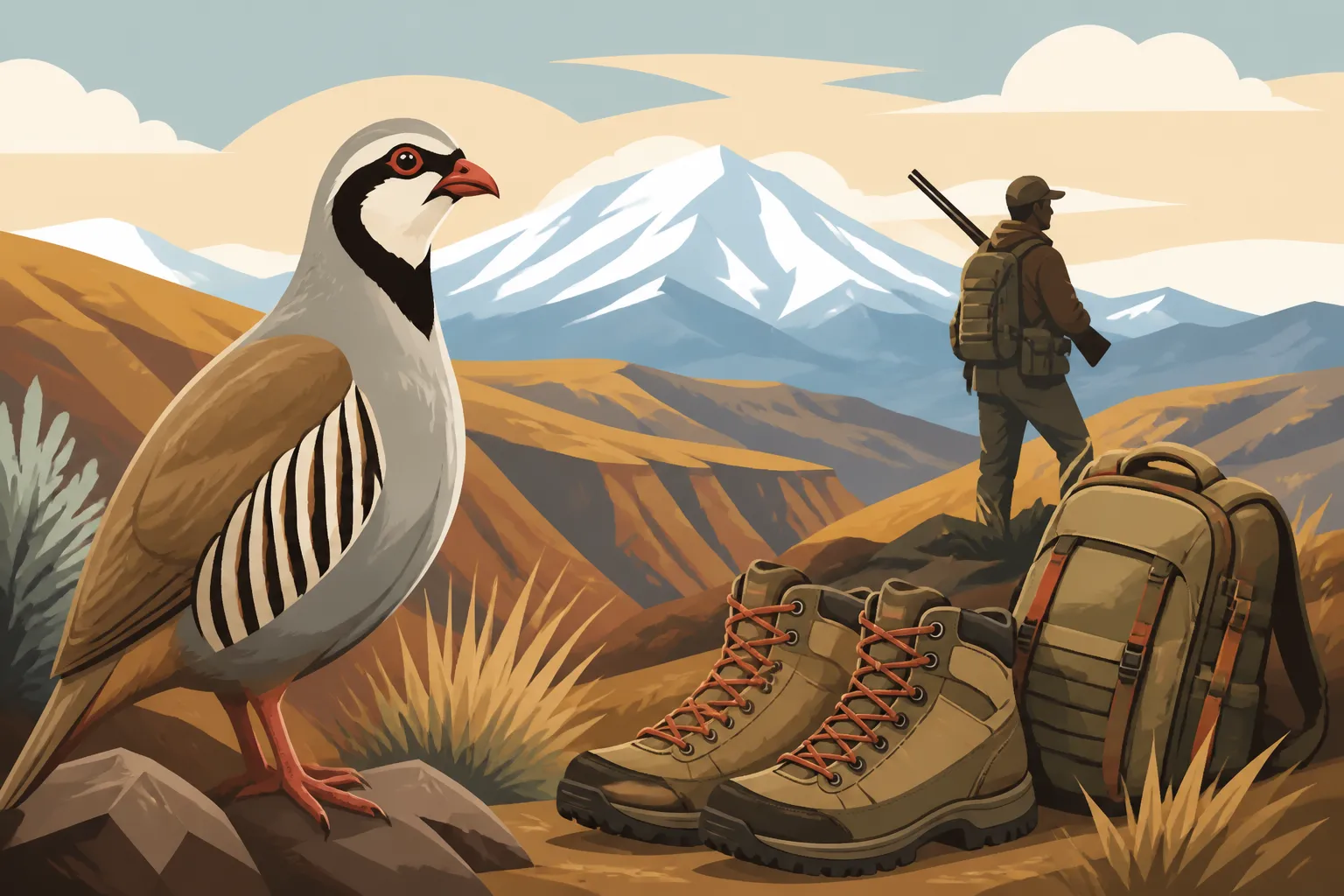
Chasing chukar in Washington's rugged country is an experience unlike any other, offering breathtaking views and exhilarating flushes that get the heart pumping. But let's be real: it's also brutally demanding, physically and mentally. The steep, rocky terrain can chew up unprepared hunters and leave them exhausted, defeated, and with blistered feet. This guide will walk you through building the necessary fitness and choosing the right footwear to not just survive, but truly thrive in chukar country, letting you enjoy the chase without the suffering.
The Relentless Reality of Chukar Country Demands
If you’ve ever found yourself panting, legs burning, halfway up a scree slope after a covey of chukar just vanished over the ridge, you already know. Chukar hunting isn't a stroll through the park. It's a relentless climb, descent, and traverse over some of the most unforgiving landscapes Washington has to offer. Ignoring these physical demands is a surefire way to cut your hunt short and leave you nursing aches and pains for days.
Understanding the Terrain's Toll
The typical chukar habitat in Eastern Washington consists of steep canyons, basalt cliffs, loose scree fields, and rocky benches. We're talking about places like the Snake River breaks or the coulees of the Columbia Basin. A "short" walk often involves hundreds, if not thousands, of feet of elevation gain and loss, often repeated several times in a single day. You might start at river level and climb to a sagebrush flat, only to drop into another canyon an hour later. It's a continuous rollercoaster, and your body takes a pounding with every step.
This isn't just about lung capacity; it's about the constant impact on your joints, the stability required for navigating shifting rocks, and the sheer muscular endurance to keep pushing uphill when every fiber of your being screams for a break. Every step is a calculation, a test of balance, and a drain on your energy reserves. Anyone new to this kind of hunting will quickly realize that their regular gym routine might not have prepared them for this specific, brutal challenge. This is why focused conditioning is so crucial.
What makes it even tougher is that the birds often flush downhill, then fly up and over the next ridge, essentially baiting you into an endless cycle of chasing. You constantly feel like you're playing catch-up, always going to where they were instead of where they are. This adds a layer of frustration to the physical exertion, testing your resolve with every impossible-looking climb.
The Mental Game of the Grind
Beyond the raw physical effort, chukar hunting demands a serious mental game. The steepness, the constant slips on loose rock, the sight of yet another canyon between you and where those birds landed – it can be incredibly demoralizing. It’s easy to get frustrated, to feel defeated, and to want to give up when your legs are shaking and your water bottle is almost empty. This is where grit comes in, the sheer will to keep going even when it feels pointless.
Successful chukar hunters are often characterized by their stubbornness and their ability to push through discomfort. They understand that the rewards are directly proportional to the effort invested. It’s about celebrating small victories, like making it to a specific bench you spotted earlier, or finding fresh sign. You learn to embrace the grind and find satisfaction in simply covering ground in truly wild country.
A strong mental fortitude also helps you stay safe. When you're fatigued, you're more prone to making mistakes – a misplaced step, a moment of distraction leading to a fall. Keeping your head in the game, staying focused on your footing, and maintaining awareness of your surroundings are just as vital as physical strength. This resilience is built not just in the gym, but by mentally preparing for the challenges ahead, perhaps by reviewing maps on GoHunt and visualizing the difficult terrain.
Choosing Your Battle Boots for Rocky Slopes
Your feet are your most important tool in chukar country. Period. Skimping on footwear is a mistake you'll regret with every painful step. The right boots can make the difference between a successful, enjoyable hunt and a miserable slog filled with blisters, rolled ankles, and bruised toes.
Key Features of a Superior Chukar Boot
When selecting boots for Washington's chukar haunts, you need to prioritize several key features that address the unique challenges of the terrain. First and foremost, a stiff sole is non-negotiable. Flexible soles might feel comfortable on flat ground, but on sharp basalt and loose scree, you'll feel every rock piercing through, leading to severe foot fatigue and bruising. A rigid sole, often achieved with a steel or composite shank, protects your feet and provides stable footing on uneven surfaces.
Next, excellent ankle support is critical. Those steep, unpredictable slopes are a recipe for twisted ankles. Look for boots with a high cut and a lacing system that cinches securely around your ankle, providing stability without restricting movement too much. Brands like Kenetrek, Schnee's, and Lowa are popular among serious mountain hunters for their robust construction and ankle support. These aren't casual hikers; they're built for extreme abuse.
Finally, durability and waterproofing are paramount. The sharp rocks will shred thin boot materials, and while chukar season usually means dry conditions, you can still encounter dew-soaked sagebrush or unexpected rain. A full-grain leather upper or a durable synthetic with a waterproof membrane (like Gore-Tex) will keep your feet dry and your boots intact through seasons of abuse. Remember, "Boots for Washington's Eastside Rock and Westside Mud" need to handle a variety of conditions, and chukar country is certainly unique.
Here's a quick comparison of what to look for:
| Feature | Ideal for Chukar Country | Why It Matters |
|---|---|---|
| Sole Stiffness | Very Stiff (full shank) | Prevents foot bruising from sharp rocks, provides stability on uneven ground |
| Ankle Support | High-cut, robust lacing system | Protects against twisted ankles on steep, loose slopes |
| Waterproofing | Gore-Tex or similar membrane, durable leather/synthetic | Keeps feet dry from morning dew, unexpected rain, or shallow stream crossings |
| Upper Material | Full-grain leather or heavy-duty synthetic with rubber rand | Resists abrasion from rocks, enhances durability |
| Weight | Moderate to heavy (prioritize protection over ultra-light) | Lighter boots often lack necessary stiffness and support for this terrain |
| Traction | Deep, aggressive lug pattern with good heel brake | Grips loose rock, scree, and dirt on steep ascents and descents |
The Critical Role of Proper Fit and Socks
Even the best boots are useless if they don't fit correctly. A poor fit leads to blisters, hot spots, and general misery. When trying on boots, wear the thick socks you plan to hunt in. Your toes should not touch the front of the boot when you kick the toe against the ground, and your heel should have minimal lift when you walk uphill. Many hunters size up half a size to accommodate swelling feet and thicker socks.
Don't buy new boots the week before the season opener and expect them to be trail-ready. Break them in over several weeks or months, starting with short walks and gradually increasing distance and terrain difficulty. This allows the boots to conform to your feet and helps identify any hot spots before they become full-blown blisters in the field. Ignoring the break-in period is a common mistake that can ruin an otherwise perfect hunt.
And let’s talk about socks. High-quality wool or synthetic blend socks are your best friends. Cotton is a no-go; it traps moisture, loses insulation when wet, and practically guarantees blisters. Look for socks with cushioning in key areas and moisture-wicking properties. Some hunters even wear a thin liner sock under a thicker wool sock to further reduce friction and wick away moisture. Smartwool, Darn Tough, and FITS are popular brands that offer excellent performance and durability. This seemingly small detail is paramount for foot comfort over long, grueling days.
Building a Body for the Breaks
Chukar country will expose any weaknesses in your physical conditioning. It's not about being a marathon runner or a powerlifter, but about developing a specific kind of fitness that allows you to move efficiently and safely through steep, challenging terrain. The season can be long, so preparing your body beforehand is crucial to making the most of your "Chukar, Quail and Grouse in Washington" tag.
Cardiovascular Endurance and Leg Strength
To tackle those endless climbs and rapid descents, you need a strong heart and powerful legs. Start your conditioning several months before the season. Incorporate activities that mimic the demands of hunting: hiking with a weighted pack on steep trails is perhaps the best preparation. Start with a light pack and gradually increase the weight to simulate carrying your gear, water, and eventually, a limit of birds. If you don't have access to trails, a stair climber or treadmill with a steep incline can be effective substitutes. Aim for longer durations, not just short, intense bursts, to build endurance.
Complement your cardio with targeted strength training, focusing heavily on your legs and core. Exercises like squats, lunges, step-ups, and deadlifts will build the power needed for climbing and the stability required for navigating uneven ground. Don't forget calf raises; those chukar-infested hills are notorious for burning out your calves. A strong core will help maintain balance and protect your back from the strain of carrying a pack on steep terrain. GoHunt provides excellent resources for planning these physical preparations, especially when using their mapping tools to identify potential chukar haunts and visualize the terrain.
Remember, this is about functional fitness. The goal isn't to look good in the mirror, but to be strong and resilient in the mountains. Vary your workouts to prevent plateaus and keep things interesting. Consistency is key – short, regular sessions are more beneficial than sporadic, intense workouts that leave you burnt out or injured.
Pre-Season Conditioning and Injury Prevention
As the season approaches, intensify your training to peak your fitness. Incorporate multi-day "shake-down" hikes with your actual hunting pack and boots to simulate consecutive days in the field. This is a perfect time to check your gear, test your "Layering for Wet Cold Weather" system, and identify any issues with your boots or pack setup. This also builds mental toughness, helping you understand what your body can truly handle.
Injury prevention is paramount. Stretch regularly, especially after workouts, to maintain flexibility and reduce muscle soreness. Pay attention to any aches or pains, and don't push through actual injury. Cross-training with activities like swimming or cycling can give your joints a break while maintaining cardiovascular fitness. Proper nutrition and hydration are also critical for recovery and performance. Fuel your body with nutrient-dense foods and stay well-hydrated, not just on the hunt, but throughout your training regimen.
Consider adding specific balance exercises to your routine, such as standing on one leg or using a balance board. This will directly translate to better stability on loose rocks and steep sidehills, reducing your risk of falls. You can also review maps, maybe use a tool like GoHunt to visualize the exact contours and elevation profiles of your intended hunting units. This kind of preparation can give you a significant edge when you're staring up at a daunting ridge, knowing exactly what kind of physical challenge awaits.
Essential Gear Beyond the Boots
While boots and fitness are foundational, other pieces of gear can significantly enhance your comfort, safety, and effectiveness in chukar country. These items aren't just "nice-to-haves"; they're often critical for making long days in steep terrain manageable.
Trekking Poles and Gaiters: Your Best Friends
If you're not using trekking poles for chukar hunting, you're missing out on a huge advantage. These aren't just for backpacking; they are game-changers on steep, loose terrain. They provide extra points of contact with the ground, improving your balance and stability dramatically. This reduces the strain on your knees and ankles, especially during descents on scree, and helps you conserve energy on long climbs. Many hunters find that poles allow them to cover more ground with less fatigue, and they’re indispensable for safely crossing tricky sections. Look for lightweight, collapsible models that you can easily stow when not in use. Read up on "Trekking Poles for Heavy Loads" to understand their full utility.
Gaiters are another unsung hero of chukar hunting. These fabric sleeves fit over your boots and lower pant legs, creating a barrier against dirt, small rocks, and burrs. Chukar country is notorious for loose scree and sharp vegetation that loves to work its way into your boots and socks. Gaiters prevent this, keeping your feet comfortable and free of debris. They also offer an extra layer of protection against scrapes and tears to your pants. A good pair of durable, breathable gaiters can save you a lot of discomfort and potential blisters.
Smart Layering and Hydration for Long Days
Even though chukar season often falls during drier, sunnier periods in Eastern Washington, weather can change quickly, and temperature swings between morning and midday can be significant. A smart layering system is crucial for adapting to these conditions. Start with a moisture-wicking base layer to manage sweat, add an insulating mid-layer for warmth, and carry a lightweight, breathable outer shell for wind and unexpected rain. Being able to shed or add layers easily will keep you comfortable throughout the day. Cotton is, again, your enemy here; stick to merino wool or synthetics. You can learn more about effective systems in a guide like "Staying Dry in a Spike Camp", which touches on similar principles.
Hydration is absolutely vital. Chukar country is often dry and exposed, and the physical exertion means you'll sweat a lot. Carry more water than you think you'll need. A hydration bladder in your pack is convenient, allowing you to sip regularly without stopping. Electrolyte supplements can also be beneficial, especially on long, hot days. Consider bringing a water filter or purification tablets if you expect to find natural water sources, but don't rely on them without confirmation.
Finally, don't forget energy-dense snacks that are easy to eat on the go. Nuts, dried fruit, energy bars, and jerky can provide sustained energy for those endless climbs. A small first aid kit for blisters, scrapes, and other minor injuries is also a must-have, especially when you might be miles from the nearest road. Remember to check "Checking Washington Fire Closures Before You Go" before heading out, as fire restrictions can impact your ability to cook or even build a warming fire. For detailed mapping and unit information, GoHunt's platform is an invaluable tool for e-scouting, allowing you to identify potential water sources and plan your routes. For information on licensing, make sure you have your "Washington Upland Bird Licence" in order before heading out.
Final Preparations for a Chukar Adventure
Once you've got your fitness dialed in and your gear sorted, there are a few other critical steps to ensure a safe and successful chukar hunt in Washington's challenging landscape. These involve preparation, local knowledge, and an understanding of the birds themselves.
E-Scouting and Local Knowledge
Before you even step foot in the field, invest time in thorough e-scouting. Platforms like OnX Hunt or GoHunt offer invaluable satellite imagery and public land overlays that can help you identify promising chukar habitat – steep, rocky slopes, sagebrush draws, and areas with water sources. Look for pinch points, benches, and saddles where birds might congregate or fly over. This kind of preparation can save you countless wasted miles and direct you to the most productive areas. You can also explore specific techniques covered in "E-Scouting a Washington GMU From Home" to maximize your pre-hunt research.
Combine your e-scouting with local knowledge. Talk to other upland hunters, check online forums, or visit local sporting goods stores. These sources can provide current conditions, recent bird sightings, and tips on access points or difficult terrain to be aware of. Remember, chukar numbers can fluctuate, so understanding "Chukar Numbers After a Wet Spring" or dry spell can give you an edge. Sometimes, the best advice comes from someone who’s been busting their butt in those very same hills for decades.
Always be aware of property boundaries. Use your digital mapping tools to ensure you are on public land or have explicit permission to hunt private property. Trespassing is a serious offense and can jeopardize future hunting opportunities for everyone.
Safety and Contingency Planning
Hunting in remote, challenging terrain always carries inherent risks. Always tell someone your hunting plan, including your exact location, expected return time, and who to call if you don't check in. Carry a fully charged cell phone, but don't rely solely on it for navigation or communication, as service is often non-existent in chukar country. A satellite messenger (like a Garmin inReach or Zoleo) is an excellent investment for emergency communication. A guide on "First Aid Kit for a Remote Hunt" will offer comprehensive advice on essential items to pack.
Know how to use your maps and compass, even if you rely on a GPS app on your phone. Batteries die, and technology fails. Downloading offline maps to your phone before you lose service is crucial, as detailed in "Downloading Offline Maps for Washington". Be aware of potential hazards like rattlesnakes, especially during warmer parts of the season, and be prepared for encounters with other wildlife.
Finally, manage your expectations. Chukar hunting is tough, and there will be days when you walk miles without seeing a single bird. Don't let that discourage you. Focus on the experience, the incredible landscapes, and the challenge. The reward of those explosive flushes and delicious birds makes all the effort worthwhile. Getting out there and simply experiencing the wild, rugged beauty of Washington's chukar country is a victory in itself. Learning how to "Glassing Breaks at First Light" can also help you locate birds more efficiently and conserve energy.
Disclaimer
The information provided in this guide is for general informational purposes only and does not constitute professional advice. Hunting regulations and conditions can change rapidly. Always consult the official Washington Department of Fish and Wildlife (WDFW) regulations pamphlet for the current hunting season, obtain all necessary licenses and tags, and verify all property boundaries and access rules before heading into the field. Safety should always be your top priority.