Following Up a Marginal Arrow Hit
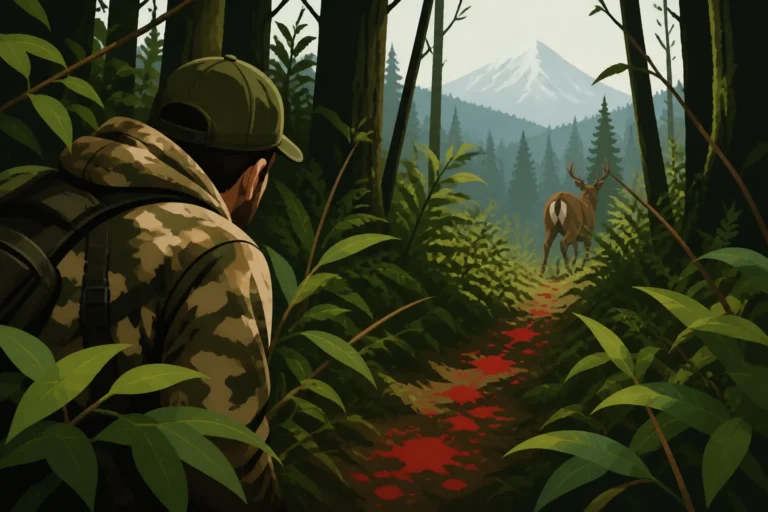
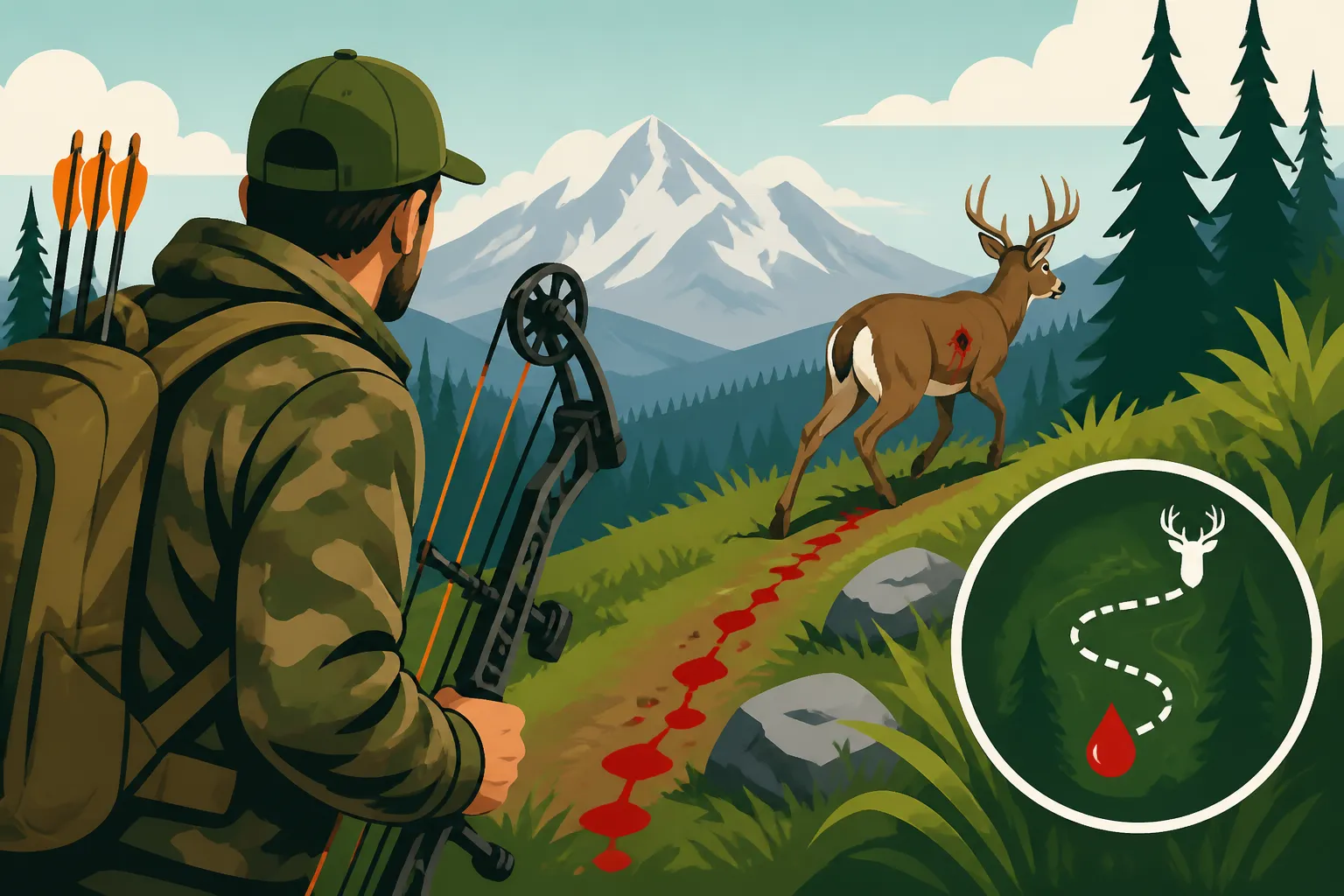
There are few feelings that hit a hunter harder in the gut than making what you thought was a good shot, only to be left with nagging doubts and a less-than-ideal blood trail. That moment when the animal bolts, and you’re suddenly questioning everything, can be absolutely agonizing. This guide is here to walk you through the critical steps of following up a marginal arrow hit, helping you maximize your chances of recovery and navigate one of hunting's toughest challenges with a clear head.
The Immediate Aftermath: What to Do (and Not Do) Right Away
When an arrow flies and the outcome isn't a perfect thwack and a quick tip-over, your immediate reaction can make or break the recovery. Adrenaline surges, your heart pounds, and the instinct to chase can be overwhelming. But here's where the real discipline comes in.
The "Sit Tight" Rule: Why Patience is Paramount
I cannot stress this enough: patience is your greatest weapon after a marginal hit. The absolute worst thing you can do is immediately pursue an animal that might be marginally wounded. Think about it: an injured animal, pumped full of adrenaline, will flee much farther and faster if it feels pursued. If you push it, it might run for miles, eventually bedding down in a location so thick or remote that finding it becomes nearly impossible.
Imagine this scenario: You just let an arrow fly on a nice bull elk in the thick timber of the Gifford Pinchot National Forest. You hear the impact, but it doesn't sound quite right, and the bull bolts, disappearing into the dark timber without a crash. Your gut clenches. Instead of crashing in after him, take a deep breath. Find a comfortable spot, sit down, and try to calm your nerves. Give that animal time. If it’s truly a marginal hit, like a single lung or a muscle shot, the animal needs time to stiffen up, bleed out, or simply calm down and bed. Often, they won't go far if they don't feel pursued. They'll find a thicket, lay down, and if the wound is fatal, that's where you'll find them later. If you rush in, you'll simply kick them out of their first bed, often pushing them beyond recovery.
Marking the Spot and Recalling the Shot
While you're sitting, gather your thoughts. Your memory of the shot might feel crystal clear in the moment, but adrenaline can play tricks. Start by marking the exact spot where you were standing when you shot. Use flagging tape, your backpack, or a physical landmark. Then, just as important, mark the exact spot where the animal was standing when the arrow hit. Use a second piece of flagging or a distinctive tree. This gives you a clear line of sight, which is crucial for determining the shot angle and trajectory later.
Next, replay the shot in your mind in slow motion. What was the animal doing? Was it quartering away, broadside, quartering to? Did it flinch? What did the arrow sound like upon impact? Did you see the arrow hit, and if so, where? Did the arrow pass through, or did it remain in the animal? What was the animal's immediate reaction after the hit? Did it run with its tail tucked, or high and flagging? Did it stumble? Did you hear a crash, or did it just silently melt into the trees? All these details, no matter how small they seem now, will become critical clues when you start your actual track. Don't rush this mental replay, and don't contaminate the area where the animal stood by immediately rushing over there.
Deciphering the Clues: Reading the Shot and Trail
Once you've given the animal enough time (more on that crucial timing shortly), it's time to start piecing together the story of the shot. This initial investigation is like being a detective, looking for every shred of evidence.
Analyzing the Arrow: Your First Report Card
If you're lucky enough to find your arrow, it's a goldmine of information. The condition of the arrow, particularly what’s on it, will tell you a tremendous amount about where you hit.
- Blood Color and Consistency:
- Bright red, frothy, bubbles: This is lung blood. It often means a double lung hit, which is usually fatal and the animal won't go far. This is the best news you can get.
- Dark red, thick, jelly-like: Often liver or muscle tissue. A liver hit is fatal, but can take longer. Muscle hits are generally not fatal, but can mean a long, difficult track.
- Dark red with greenish or brown matter, stomach contents, or foul odor: This is a gut shot. This is a very serious, usually fatal wound, but the animal will often travel a significant distance and can take a very long time to expire. This requires the longest wait time.
- Light pinkish, watery: Often indicates a superficial wound, or possibly a hit low in the chest.
- Hair: Different parts of the animal have different hair lengths and colors. White belly hair, long dark back hair, or short side hair can indicate where the arrow struck.
- Fat: Yellowish fat usually means a superficial hit in the brisket or hindquarters.
- Bone Fragments: Small bone fragments mean you hit bone, which could be anything from a rib to a shoulder blade or spine. Larger bone fragments are obviously more serious.
Take your time examining the arrow, literally smelling it if it seems like a gut shot. This information will be key to deciding your next steps. For more detailed insights into shot placement, especially on larger game like elk, checking out resources like "Shot Placement on a Quartering Elk" can be invaluable.
Observing Animal Behavior: More Than Just a Run
Beyond the arrow, the animal's behavior immediately after the shot offers vital clues. Did it…
- Bolt with a high, flagging tail, looking alert? This often suggests a non-fatal, superficial hit, or a clean miss where the animal was simply startled.
- Run with a tucked tail, hunched back, or appear to stumble? These are signs of a more serious hit, often indicating a gut or leg wound.
- Couch or stumble into cover, then silently disappear? This could be a fatal hit where the animal is trying to bed down quickly. Listen carefully for any crashes or sounds of struggle.
- Run a short distance and then stand, looking around? This might indicate a non-fatal muscle hit, or a liver hit where the animal is feeling the effects but still capable of moving.
Even if you didn't see the full sequence, combining what you did see with the arrow's evidence helps paint a clearer picture. Sometimes, a perfectly fatal shot can still result in the animal running a good distance, especially if it was on high alert.
Initial Blood Trail Examination
Once you've analyzed the arrow and reviewed the animal's behavior, you can slowly, carefully approach the spot where the animal was standing. This is where your blood trailing truly begins.
Look for the first signs of blood. Is it a heavy spray or just a few drops? Is it on the ground, on leaves, or splashed up on trees or brush? Pay attention to the quantity and quality of the blood, as discussed when analyzing the arrow. Frothy lung blood will often be sprayed in wider patterns, while gut blood might be more sporadic and "pudding-like."
Also, look for anything else out of place: disturbed earth from hooves, broken twigs, matted down grass. Even if the blood trail is sparse, these subtle clues can keep you on the right path. Remember, especially in thick Pacific Northwest cover like salal and devil's club, every little detail matters. Having insights from guides like "Blood Trailing in Salal and Devil's Club" can be a huge asset.
Strategic Tracking: Turning Uncertainty into Success
Now comes the hard work. Tracking a marginally hit animal requires patience, persistence, and a methodical approach. This isn't a race; it's a marathon.
When to Start Tracking: The Critical Timeframes
This is arguably the most important decision you'll make after a marginal hit. The amount of time you wait directly correlates with the type of hit you suspect.
| Suspected Hit Location | Recommended Wait Time | Why the Wait? |
|---|---|---|
| Double Lung | 30 minutes to 1 hour | Animal will typically drop quickly, often within sight. Waiting allows them to expire and stiffen up, preventing them from running further if they're still alive but fatally wounded. |
| Single Lung/Heart | 1-3 hours | Fatal, but the animal can run a bit further on a single lung. Waiting ensures they've bled out and bedded for good. |
| Liver | 4-6 hours | Fatal, but takes longer. Animals often walk a bit, get weak, and then bed down. Pushing them too early will cause them to run far. |
| Gut/Stomach | 6-12+ hours (often overnight) | Crucial wait time. This is a fatal hit, but it's slow. The animal needs a long time to sicken, dehydrate, and expire. Pushing a gut-shot animal guarantees you'll never find it. If you suspect a gut shot in the afternoon, come back at first light with fresh eyes and a full battery. |
| Muscle/Leg | 2-4 hours | Not usually fatal, but the animal might be injured enough to be found if it beds close by. You're looking for an immobilized animal, not necessarily a dead one. |
| Superficial | 1-2 hours | If you truly believe it's superficial, a shorter wait might allow the animal to calm down. You're mostly confirming it's not a more serious hit. |
Weather Considerations: Rain is your enemy when tracking. If a heavy downpour starts, you might have to shorten your wait time to preserve what little blood trail there is. In such cases, carefully follow any visible tracks, snapped twigs, and disturbed ground, even if the blood vanishes. Conversely, cold weather can help preserve a blood trail, making overnight waits more feasible.
Methodical Trailing Techniques
Once the waiting period is over, it's time to get to work.
- Mark the Last Blood: This is non-negotiable. Every time you find a spot of blood, mark it with flagging tape. This creates a breadcrumb trail and gives you a last known point if you lose the trail. If you have a GPS or hunting app like GoHunt, mark it digitally too. This helps visualize the animal's path and ensures you don't circle back to the same spot repeatedly.
- Move Slowly, Eyes Down: Don't walk over the blood trail. Walk beside it. Keep your eyes peeled for every sign, no matter how small. Look for blood on both sides of the path, on the ground, and on the underside of leaves or twigs, indicating where the animal brushed past.
- Expand Your Search: If you lose the blood trail, don't panic. Go back to your last marked blood spot. Then, start widening your search in circles or grid patterns. Get down on your hands and knees if necessary. Animals often follow the path of least resistance, so look for natural funnels, game trails, or thick cover where they might seek refuge.
- Teamwork: If you have hunting partners, spread out in a line. The person on the blood trail focuses solely on that. The people to the sides look for tracks, disturbed ground, and signs of blood splashed to the side. Never have more than one person on the actual blood trail, as it can be easily obscured. For difficult trails, especially in dense areas, remember the advice from "Blood Trailing in Thick Understory."
- Use Your Tools: A good quality, bright flashlight is essential, even in daylight, to make blood pop. For tracking after dark, a powerful headlamp or spotlight is a game-changer. Learn more about "Using a Light to Track After Dark" for tips. A GPS device or a smartphone app with offline maps (like GoHunt which allows you to download GMU maps and overlay public/private land) is incredibly useful for marking your trail, identifying bedding areas, or navigating dense terrain, especially when your focus is entirely on the ground.
Involving Help and Local Resources
Don't be afraid to call in reinforcements. A fresh set of eyes can spot a blood drop you've completely missed. Experienced trackers often have a knack for reading subtle signs that others overlook. While regulations vary, in Washington State, using tracking dogs for big game is generally not permitted for recovery, though rules can change or have specific exceptions for certain scenarios (always check current WDFW regulations).
If you’ve exhausted all options and still haven’t found the animal, it's important to know your ethical responsibilities. In Washington, if you wound an animal and don't recover it, your tag is still technically filled. You cannot go out and attempt to take another animal on the same tag. If you believe the animal is deceased and you cannot locate it, you may contact WDFW (Washington Department of Fish and Wildlife) to report it. They can sometimes offer advice or even assist in recovery in certain situations. It's always best to be transparent and ethical, even when facing the disappointment of a lost animal.
The Emotional Toll and Future Prevention
Losing an animal after a marginal hit is devastating. It hits every hunter hard, and it's okay to feel that disappointment and frustration. But it's also a powerful learning experience.
Coming to Terms with a Lost Animal
The feeling of not recovering an animal, especially one you know you hit, is one of the worst parts of hunting. You might feel guilt, self-doubt, anger, or sadness. Every hunter I know who's been at it long enough has experienced this at some point. It's a heavy burden, but it's important to remember that you did your best, and you upheld your ethical responsibility by trying every possible avenue for recovery. This experience serves as a stark reminder of the responsibility we carry as hunters and the respect we owe to the animals we pursue.
Learning from the Experience
Once the immediate emotional sting has dulled, take time to reflect on what happened. This isn't about beating yourself up, but about growing as a hunter.
- Review the Shot: What went wrong? Was it the shot angle? Did you rush? Was there an unseen obstruction?
- Practice Habits: Did you practice enough at varying distances and angles? Were you shooting in hunting conditions (e.g., cold hands, heavy clothing, awkward positions)? Regular, intentional practice is key. Consider practices like "Archery Practice for Wet Coastal Conditions" which focuses on challenging scenarios.
- Gear Check: Were your broadheads sharp? Was your bow properly tuned? Was your arrow weight sufficient? Washington has specific rules like "Arrow Weight Minimum for Washington Big Game" and "Washington Broadhead Width Rules" that are there for a reason – to ensure clean, ethical kills. If you're not sure, get your bow checked by a professional. Ensuring "Bow Tuning Before the Season" is crucial for consistent flight.
- Pre-Hunt Scouting: Did you understand the terrain well enough? Knowing potential escape routes, bedding areas, and water sources can greatly aid in tracking. Tools like GoHunt can help you scout from home, identifying these crucial features.
- Animal Behavior: Did you misread the animal's posture or movement? The more time you spend observing animals, the better you become at predicting their reactions.
Every mistake, though painful, offers a valuable lesson that can make you a more ethical, proficient hunter in the future.
Ethical Considerations and WDFW Reporting
As mentioned, in Washington, your tag is considered filled even if you don't recover the animal after a hit. This is a crucial ethical point. You cannot simply go out and buy another tag or try to harvest another animal of that species in the same season. The Washington Harvest Report Deadline applies whether you filled your tag or not. It's essential to report your hunt to WDFW, even if it was unsuccessful in terms of recovery. This data helps wildlife managers make informed decisions for future seasons.
It's an unpleasant reality of hunting that marginal hits happen. But by understanding how to react, what clues to look for, and employing diligent tracking strategies, you dramatically increase your odds of a successful recovery and honor the animal you pursue.
Disclaimer
Please note that hunting regulations, seasons, and access rules in Washington State can change. Always consult the most current Washington Department of Fish and Wildlife (WDFW) hunting pamphlets and regulations before heading into the field. This guide provides general information and best practices but is not a substitute for official WDFW guidelines or professional training.