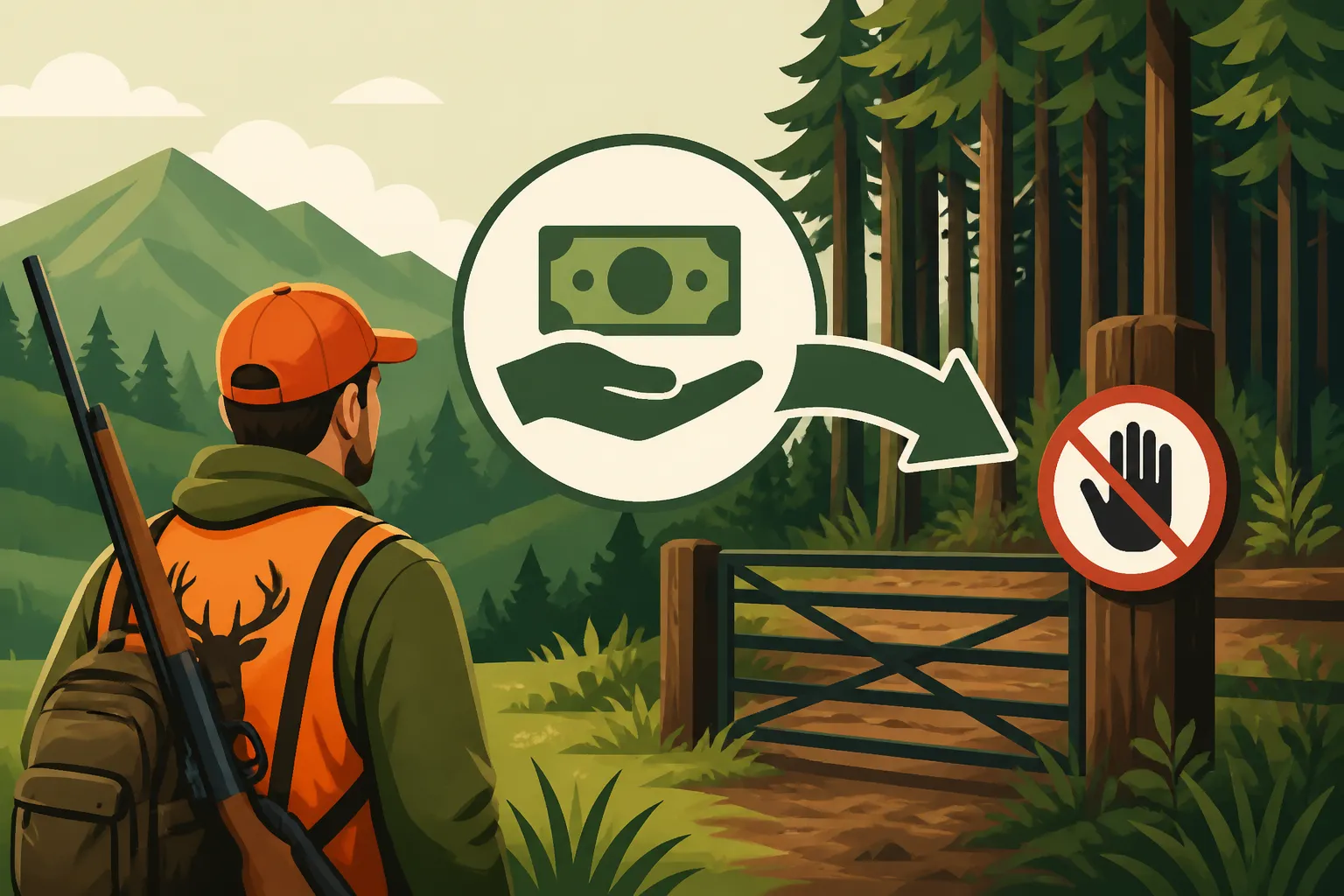
Access Fees on Private Timber Land
It’s a scenario every Washington hunter knows all too well: you’ve spent countless hours poring over maps, e-scouting a promising area, maybe even driven out for some preliminary boots-on-the-ground recon, only to arrive at what looked like accessible private timber land and find a firmly locked gate or, worse, a sign declaring it permit-only. The frustration is real, and it can feel like a maze trying to figure out who owns what, what the rules are, and why you suddenly need to pay to access land you thought might be open. This guide is here to untangle that knot, diving deep into the world of access fees on private timber land across Washington, helping you understand the landscape of permits, costs, and opportunities so you can plan your hunts with clarity and confidence.
The Reality of Private Timber Land Access in Washington
Hunting in Washington often means navigating a complex mosaic of public and private lands. While national forests and state lands offer broad access, a significant portion of the most productive wildlife habitat, particularly in Western Washington, lies on private timber land. These lands are managed by large timber companies primarily for logging operations, and their policies on public access have a direct impact on hunting opportunities. The days of simply driving down an unmarked logging road are largely behind us, and understanding why these lands often come with access fees is the first step to navigating them successfully.
Why Timber Companies Charge Access Fees
It’s easy to feel like these fees are just a money grab, but from a timber company’s perspective, there are legitimate reasons behind the charges. These companies invest heavily in managing their forests – planting trees, maintaining roads, and protecting against fire. Public access, while sometimes permitted, also brings with it significant liabilities and management costs. Think about it: roads need to be maintained, signage installed, and potential environmental impacts monitored. When hunters, hikers, or recreationists are on their land, companies assume a certain level of risk. Fees help offset these costs, manage the number of people on the land at any given time, and contribute to the overall economic sustainability of their operations. It’s a business model, plain and simple, and while it impacts our hunting, understanding their motivation can help us work within the system. For more on navigating these areas, check out our guide on how to read clearcuts and reprod for blacktail bucks.
Different Types of Access and What They Mean
Not all private timber land access is created equal. You’ll encounter a few different models, each with its own set of rules and implications for hunters.
- Fee-Based Permits: This is the most common model where you pay a fee for a permit that grants you access to specific areas for a defined period, usually a hunting season or even an entire year. These permits often come with strict rules regarding vehicle access, off-road travel, and sometimes even the type of game you can pursue. Weyerhaeuser and Hancock Forest Management are prime examples of companies that utilize this system. These permits can range from several hundred to over a thousand dollars depending on the land and the exclusivity.
- Walk-In Only Access: Some timber companies, or specific units within a larger permit system, might offer walk-in only access, sometimes with a lower fee or even for free. This means you can park at a designated spot and hike into the property. While it adds a physical challenge, it can open up ground that sees less pressure. This is particularly common in Western Washington’s dense timber where vehicle access might be difficult or restricted for logging operations anyway. Our article on still-hunting blacktails in wet Washington brush might offer some valuable insights for these types of areas.
- Leased Lands: In some cases, timber companies might lease larger tracts of land to private hunting clubs or individuals. This typically grants exclusive access to a smaller group, often for a much higher price, and is less common for the average general season hunter.
- Open Access (Rare, but it exists): Occasionally, you might find smaller timber holdings or certain sections that are truly open to the public without a fee. However, these are becoming increasingly rare and usually come with disclaimers about logging operations, road closures, and liability. Always assume permission is required unless explicitly stated otherwise.
Major Timber Companies and Their Access Programs
In Washington, two names often dominate the conversation when it comes to private timber land: Weyerhaeuser and Hancock Forest Management. However, there are other, smaller entities that also manage significant forest holdings. Understanding their specific programs is crucial. Many hunters use mapping tools like GoHunt to identify land ownership boundaries, which is an excellent first step before looking into specific company policies.
Weyerhaeuser Company Lands
Weyerhaeuser is one of the largest private landowners in Washington, and their policies significantly affect hunting opportunities, especially in Western Washington. Their access program typically operates on a permit basis, often through an online application process or lottery system that fills up incredibly fast.
- Recreational Access Permits: Weyerhaeuser offers various levels of permits, from general access to specific units, often differentiating between vehicle access and walk-in only. These permits are usually annual and cover specific geographic areas. The cost can vary widely based on the demand for the area and the type of access granted. For example, a permit for a prime elk hunting unit in the Willapa Hills might be significantly more expensive than access to a less sought-after deer unit.
- Application Process: Hunters typically apply for Weyerhaeuser permits online through their recreation portal. It's often a limited draw or a first-come, first-served system that requires vigilance as they can sell out within minutes of becoming available. Missing the window often means you're out of luck for the season, which can be disheartening if you've planned your hunt around it. Understanding the specific Weyerhaeuser permit draw timing in Washington is critical for success.
- Rules and Restrictions: Expect strict rules regarding gate closures, vehicle types, campfires, and waste disposal. Violating these rules can lead to permit revocation and even future bans. They also often have their own internal road systems, sometimes marked with "Green Dot" type systems that differ from state-managed roads.
Hancock Forest Management (HFM)
Hancock Forest Management also controls substantial timber acreage throughout Washington, with a strong presence in regions like the Olympic Peninsula and the South Cascades. Their access strategy shares similarities with Weyerhaeuser but also has distinct features.
- HFM Permits: Hancock offers permits, often referred to as "recreation licenses," for specific properties. These are typically annual and grant access for various recreational activities, including hunting. Like Weyerhaeuser, they manage access to control usage and mitigate liability.
- Availability and Cost: Hancock permits are also highly sought after and often sell out quickly. Their costs are comparable to Weyerhaeuser’s, varying by location and the exclusivity of the access. Sometimes, they might offer different tiers, such as a walk-in permit versus a motorized access permit. Staying informed about Hancock permit availability in Washington requires regular checking of their website or subscribing to their email lists.
- Understanding Boundaries: It’s vital to precisely understand the boundaries of your Hancock permit area. Tools like GoHunt can be invaluable for layering permit boundaries onto your maps, ensuring you don’t accidentally trespass onto adjacent, unpermitted land or even public land where rules might differ. This level of detail is important for ethical and legal hunting.
Other Timber Companies and Private Landowners
While Weyerhaeuser and Hancock are the giants, don't overlook smaller timber companies or private landowners who might offer access on a more localized, individual basis.
- Regional Operators: Companies like Port Blakely Tree Farms or Sierra Pacific Industries also hold significant land. Their access policies might be less centralized, sometimes involving direct contact with local managers or even just basic "No Trespassing" signs without a clear permit program.
- Family Forests and Individual Landowners: For smaller parcels, getting written permission on private land directly from the landowner is often the best approach. This requires respectful communication, clear boundaries, and sometimes offering to help with tasks in exchange for access. These interactions often lead to the most rewarding hunting experiences, building trust and opening doors for future seasons.
| Timber Company | General Access Model | Typical Cost Range (Annual) | Key Features |
|---|---|---|---|
| Weyerhaeuser | Fee-based permits (draw/first-come) | $200 – $1,500+ | Online portal, varied permit types (vehicle, walk-in), strong presence in Western WA. |
| Hancock Forest Management | Fee-based recreation licenses | $150 – $1,000+ | Online sales, unit-specific, significant holdings on Olympic Peninsula & South Cascades. |
| Smaller Timber Companies | Varied (some fee, some direct permission) | $50 – $500 (if fee) | Less centralized, may require local inquiry, more potential for direct landowner contact. |
| Individual Landowners | Written permission, often free | N/A | Requires direct communication, builds personal relationships, highly localized. |
Note: Costs are estimates and can vary significantly year to year, by region, and by permit type. Always check the official company websites for the most current pricing and availability.
Navigating Permit Systems and Fees
Successfully hunting private timber lands often hinges on your ability to navigate the various permit systems. It’s not just about paying a fee; it’s about understanding the application windows, rules, and how to maximize your chances of securing access.
The Application Process: Deadlines and Competition
The biggest hurdle for many hunters is simply getting a permit. Companies like Weyerhaeuser and Hancock often release their permits on specific dates, and demand far outstrips supply, especially for prime hunting units.
- Be Prepared and Act Fast: You need to be ready when the permits drop. This means having an account set up on their recreation portals, knowing the exact time and date of release, and being prepared to complete the transaction quickly. It often feels like buying concert tickets for a popular band. Many hunters set alarms and even coordinate with friends to try and secure multiple permits.
- Research Specific Units: Before applying, do your homework on the specific GMUs (Game Management Units) and timber company areas. Look into past harvest reports, current timber activities, and any road closures. Resources like GoHunt can help you e-scout Washington GMUs before the draw, giving you an edge in selecting your preferred areas. Think about what kind of hunting you want to do – do you prefer open clearcuts for blacktails or dark timber for elk? This will influence your permit choice.
- Understand Permit Types: Some permits might offer vehicle access, while others are strictly walk-in. The price will reflect this. Consider your physical capabilities and hunting style when choosing. A walk-in permit might be cheaper and offer less pressured hunting, but it means you'll be packing an elk out of Washington's backcountry on foot.
The True Cost of a Permit
Beyond the sticker price of the permit itself, there are other financial considerations to factor in when hunting private timber land.
- Fuel and Travel: Many prime timber lands are located deep in the rural parts of Washington, requiring significant fuel costs for scouting and hunting trips.
- Gear for Remote Access: If you secure a walk-in permit, you'll need reliable gear for backcountry hunting, including a good pack for quartering and packing an elk solo, and appropriate rain gear for westside hunting if that's where you're headed.
- Time Off Work: Hunting these areas often requires dedicated time off work, which can be an indirect cost. It's an investment in your hunting season, so you want to make the most of it.
- Opportunity Cost: Sometimes, spending a significant amount on a private timber permit means foregoing other hunting opportunities or general season tags. Weigh the potential benefits against these trade-offs.
Common Pitfalls and How to Avoid Them
- Not Reading the Fine Print: Each permit comes with a detailed set of rules. Don't assume. Read everything carefully, especially regarding gate codes, off-road vehicle policies, and season-specific restrictions.
- Boundary Misunderstandings: Relying solely on general maps without overlaying actual permit boundaries can lead to accidental trespassing. Invest in a good mapping app like GoHunt that shows property lines and permit areas, and actively use it in the field. This is crucial when finding property lines on Washington public land as well, as private and public often abut without clear demarcation.
- Expecting Exclusive Access: Even with a permit, you're rarely the only hunter on the property. Respect other hunters, maintain reasonable distances, and share the resource.
- Ignoring Road Closures: Timber companies often close roads for active logging operations, weather, or seasonal access restrictions. Always check for current road conditions and closures before heading out. Getting stuck behind a locked gate or finding your planned route impassable is a waste of precious hunting time.
Strategies for Finding Affordable or Free Access
While paid permits are increasingly common, there are still ways to find more affordable or even free access to huntable land in Washington. It just requires more effort, research, and often, personal connection.
Leveraging Public Lands Interspersed with Private Timber
Washington's landscape is often a patchwork. National forests, state lands managed by DNR (Department of Natural Resources), and WDFW (Washington Department of Fish and Wildlife) wildlife areas often abut or are completely surrounded by private timber.
- Checkerboard Access: Study detailed land ownership maps. You might find public parcels that are technically accessible but require crossing private timber land. In these cases, your only legal access might be through a private permit or by gaining specific written permission. However, sometimes there are public easements or established routes. Tools like GoHunt are indispensable for identifying these complex land ownership patterns.
- Walk-In Opportunities from Public Roads: Many public roads, especially in national forests, border private timber holdings. Even if the private land requires a permit, you might be able to find legal walk-in access points from public thoroughfares, allowing you to hunt the public side or specific walk-in zones if a permit is available. Remember to always understand Washington's rules on roads closed to motor vehicles in a Washington unit.
- WDFW Access Programs: WDFW maintains various access programs, including "Feel Free to Hunt" and "Register to Hunt" properties, which often include private lands where landowners have partnered with the state to provide public access. While these might not always be vast timber tracts, they can offer excellent hunting opportunities for deer and sometimes elk. Familiarize yourself with how the Washington Register to Hunt properties work.
Networking and Building Relationships
The most traditional and often most rewarding way to gain private land access is through good old-fashioned networking and building relationships with landowners.
- Be Respectful and Professional: When approaching a landowner, whether a small private parcel owner or a local timber company manager, always be respectful, courteous, and professional. Dress neatly, have a clear explanation of what you're asking for, and offer to help with any tasks.
- Offer Services: Sometimes, offering to help with fence mending, trail clearing, or even just keeping an eye on the property can go a long way in securing permission. It shows you're invested and trustworthy.
- Follow Through on Promises: If a landowner grants you access, follow every rule, leave no trace, and thank them profusely. A good relationship can lead to years of access, not just for you but potentially for friends and family. This is how you establish trust for getting written permission before opening day.
- Start Small: Don't necessarily aim for prime elk ground right off the bat. Start by asking for access to hunt coyotes in eastern Washington or small game on smaller parcels. Success with smaller requests can build trust for larger opportunities down the road.
Considering Multi-Season or Specialty Tags
Sometimes, the "cost" of access can be offset by the quality of the hunting experience or the flexibility it offers.
- Washington Multi-Season Deer and Elk Tags: While these tags themselves aren't access permits, having one means you can hunt during archery, muzzleloader, and modern firearm seasons, potentially increasing your odds if you do secure a private timber permit. This can be a strategic way to maximize your investment in a costly access permit.
- Special Permit Hunts: Applying for Washington special hunt permits and how to apply for them can sometimes open doors to areas that are otherwise difficult to access. While these are often for public lands, occasionally, WDFW coordinates with private landowners for special permit opportunities in specific GMUs that include timber lands.
By combining diligent research with a proactive and respectful approach to landowners, you can expand your hunting opportunities beyond the limitations of purely public land or expensive, hard-to-get permits.
Disclaimer
The information provided in this guide is for general informational purposes only and does not constitute legal advice. Hunting regulations, land access policies, and permit availability in Washington can change frequently. Always consult the official Washington Department of Fish and Wildlife (WDFW) regulations, the specific timber company websites, and local land managers for the most current and accurate information before planning any hunt. Ensure you understand all local, state, and federal laws and regulations.