Columbia Basin Hunting in Washington
Columbia Basin hunting requires navigating complex land ownership, arid landscapes, and diverse game species across Washington.
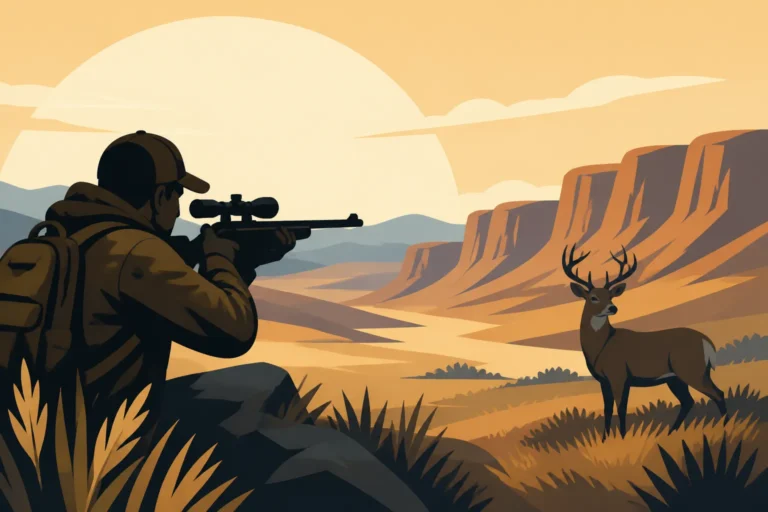
Columbia Basin hunting requires navigating complex land ownership, arid landscapes, and diverse game species across Washington.
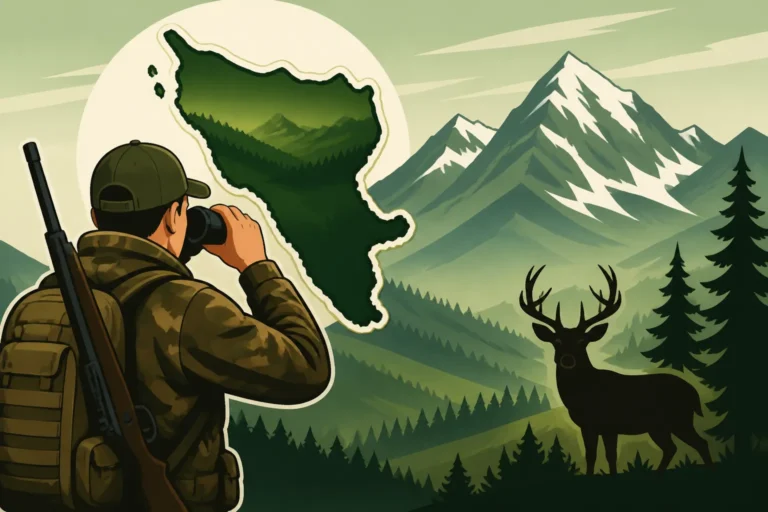
Olympic Peninsula hunting access rules, geography, and Roosevelt elk locations help hunters navigate complex land ownership and plan successful trips.
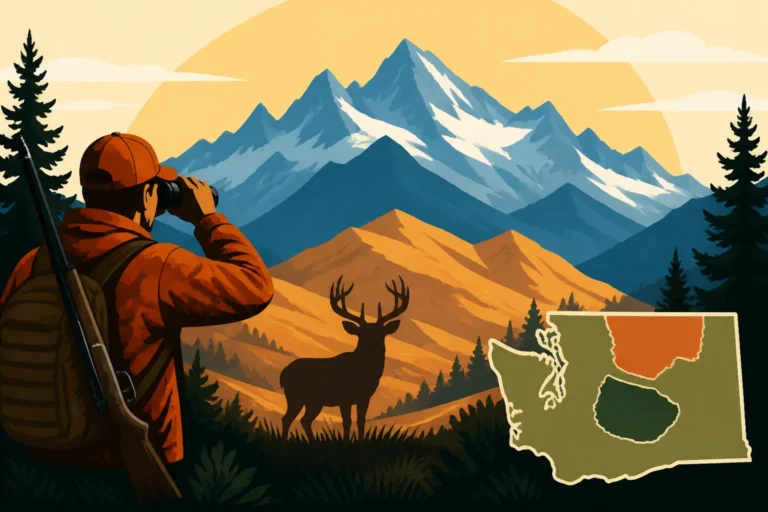
Washington State hunting areas in the Okanogan and North Cascades present diverse terrain, varying climates, and unique geographical challenges.
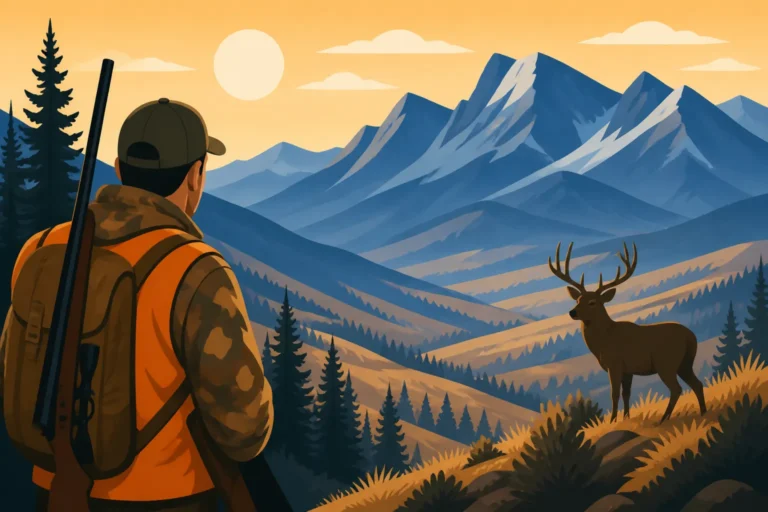
Blue Mountains hunting strategies explain how to track elk, mule deer, and black bears across rugged Washington timber and steep canyons.
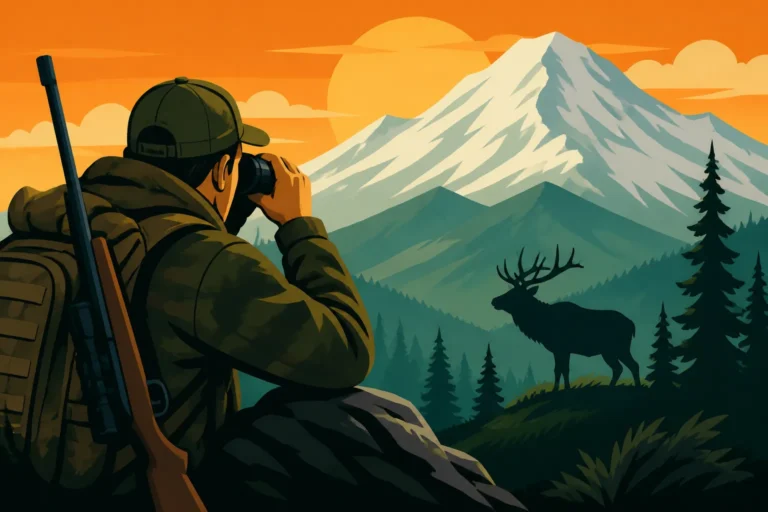
Washington wilderness hunting regulations, major regional areas, and access methods for big game like elk and mule deer.
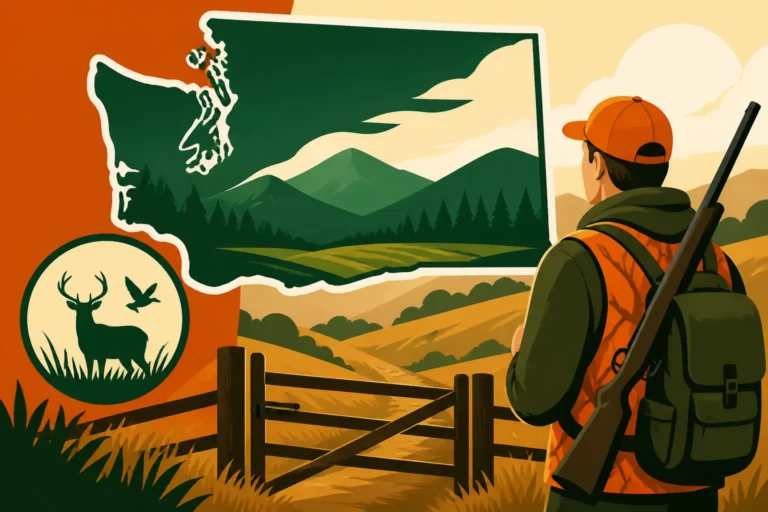
Washington private lands access programs help hunters navigate complex property ownership and unlock new hunting opportunities.
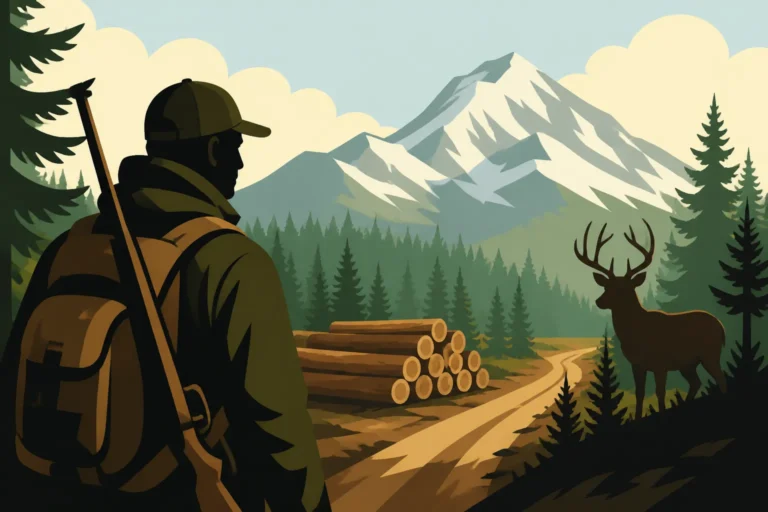
Private timber companies and public agencies own Western Washington land, creating complex hunting access rules for hunters.
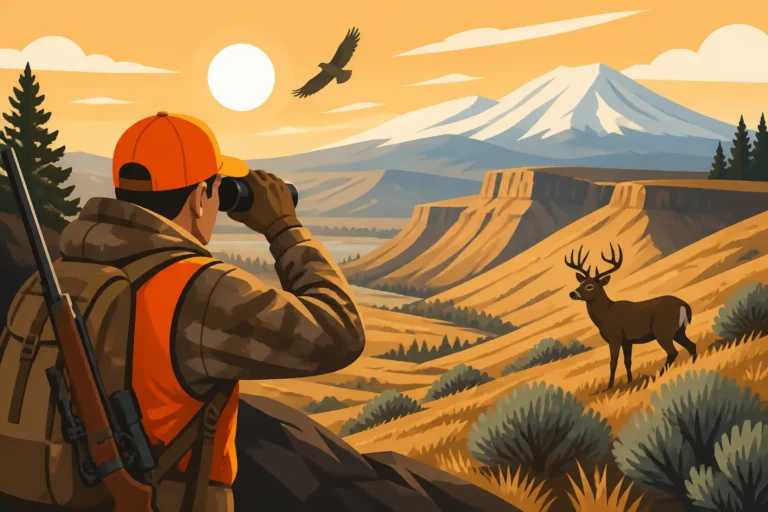
Eastern Washington hunting regions include the Columbia Basin, Selkirk Mountains, and Blue Mountains, providing varied game habitat.
Washington public land hunting involves National Forests, Department of Natural Resources properties, and Bureau of Land Management parcels.
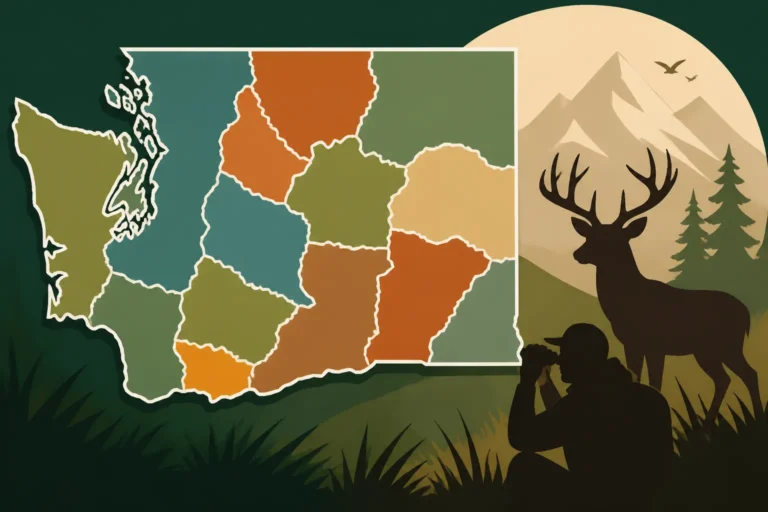
Washington Game Management Units are specific geographical zones used to regulate hunting and manage wildlife populations across the state.