Hunting Washington’s Wilderness Areas
There's a special kind of hunter drawn to Washington's wilderness areas, a breed that thrives on the challenge, the solitude, and the sheer grit it takes to earn an animal far from any road. But if you're feeling a bit overwhelmed by the thought of venturing into these truly wild places—how to even start, what rules apply, or what gear you really need—you're not alone. This guide is all about demystifying hunting in Washington's wilderness, helping you prepare for the demanding yet incredibly rewarding experience of chasing big game where the wild things truly roam.
Understanding Washington's Wilderness Landscape for Hunters
Venturing into a designated wilderness area in Washington is a profound experience, different from hunting the accessible timber roads or popular wildlife areas. It's where the land truly calls the shots, and understanding its unique characteristics is your first step toward a successful hunt.
What Defines a Wilderness Area?
When we talk about "wilderness," it's not just a general term for wild country. In the United States, it refers to specific lands designated by the Wilderness Act of 1964. This act set aside vast tracts of public land to be "untrammeled by man," meaning they are protected from development, roads, and most forms of mechanized access. For hunters, this translates to an experience largely devoid of human disturbance, where nature dictates the terms.
Imagine leaving your truck behind, the faint hum of civilization fading with every mile. There are no logging roads carving through these sections, no roaring ATVs to scatter game. You're relying on your own two feet, maybe a horse or llama, and your wits. This means packing lighter, planning smarter, and being self-sufficient. It's a place where the landscape hasn't been significantly altered by modern machinery, preserving ecosystems and offering solitude that's increasingly rare. The rules here are strict to maintain that primitive character, demanding a higher level of preparedness and a deeper respect for the environment than almost anywhere else you might hunt in Washington.
The Major Wilderness Areas in Washington
Washington is blessed with a diverse array of wilderness areas, each offering unique challenges and opportunities. On the east side of the Cascades, you'll find the expansive Pasayten Wilderness, a high-elevation, rugged landscape stretching to the Canadian border, known for its vast basins, open ridges, and a mix of mule deer, Rocky Mountain elk, and even some moose. Further south, the Wenaha-Tucannon Wilderness in the Blue Mountains is a steep, timbered haven for quality Rocky Mountain elk and mule deer, characterized by deep canyons and high plateaus.
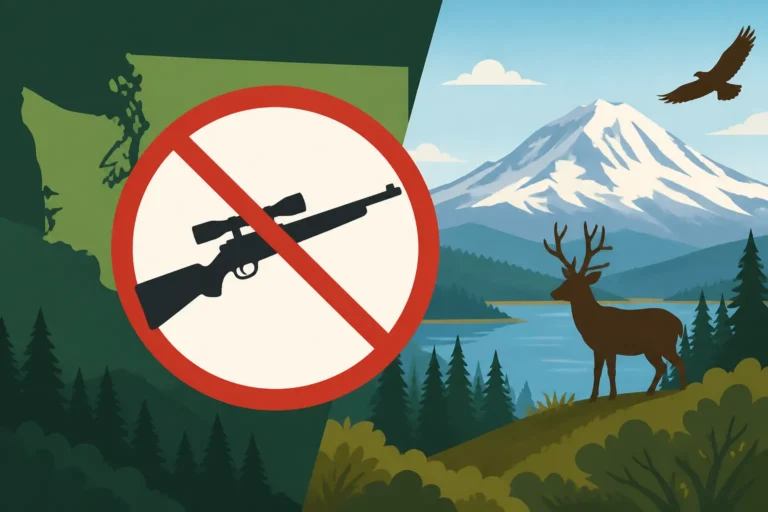
Crossing to the west side, the Alpine Lakes Wilderness straddles the Cascade Crest, offering stunning granite peaks and deep valleys that hold Roosevelt elk and blacktail deer. North of that is the immense Glacier Peak Wilderness, a truly wild and remote area with dense forests, glaciers, and high country that is home to Roosevelt elk, blacktail deer, and mountain goats. South of Mount Rainier, the Goat Rocks Wilderness and William O. Douglas Wilderness provide equally challenging high-alpine hunting for Roosevelt elk and mountain goats. Finally, the Olympic Wilderness, within Olympic National Park, harbors some of the densest Roosevelt elk populations but comes with its own set of unique rules and access considerations that differ significantly from other wilderness areas, as hunting within the National Park boundaries themselves is generally prohibited, making understanding its adjacent Forest Service wilderness areas critical. Olympic National Forest Hunting Areas
Navigating Access and Regulations in Wilderness
Getting into and operating within a wilderness area isn't as simple as driving up a forest road. The restrictions are in place to preserve the wild character of these lands, and as hunters, it's our responsibility to understand and abide by them.
Entry Points and Trailhead Considerations
Accessing wilderness areas almost always means starting at a designated trailhead. These can range from well-maintained, popular spots with ample parking to rough, obscure tracks that see very little use. For many of Washington's larger wilderness areas, like the Pasayten or Glacier Peak, trailheads can be dozens of miles from paved roads, often requiring travel on maintained gravel forest service roads. It's critical to know precisely where the wilderness boundary begins, as motor vehicle use might be permitted right up to that line, but not a foot beyond it.
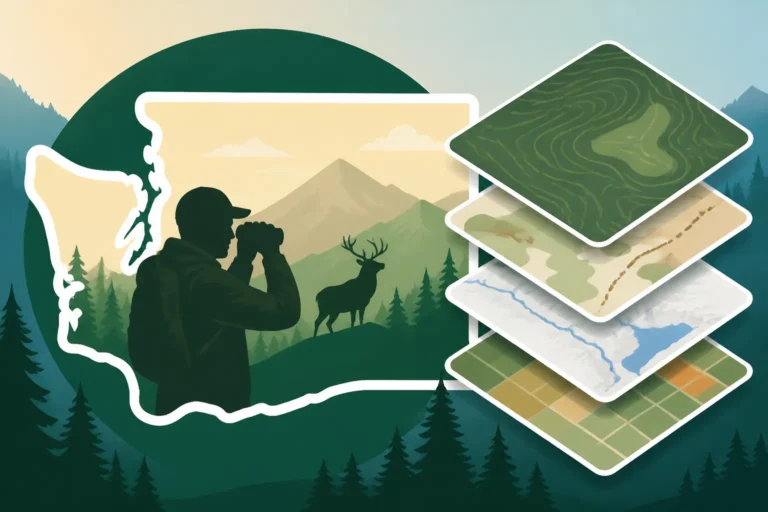
You'll want to utilize detailed mapping applications like onX Hunt to identify all possible trailheads, check road conditions, and understand the topography of the access routes. Some trailheads require a Northwest Forest Pass for parking, so always check the specific requirements for your chosen entry point. For longer trips, especially if you're going in deep, consider the security of your parked vehicle—leaving a truck for a week or more in a remote trailhead parking lot can sometimes be a concern, so having a plan or carpooling with trusted individuals is wise. Think about your route in and out, and how that might change with weather, especially if you're hitting Late-Season Hunting in Washington Snow.
Prohibited Activities and Equipment
The core principle of wilderness is "no mechanized transport or permanent structures." This means:
- No motorized vehicles: Absolutely no ATVs, dirt bikes, e-bikes, or any other motorized transport. Your journey into the wilderness begins and ends on foot.
- No mechanized equipment: Chainsaws for clearing blowdown or cutting firewood are out. You'll need hand tools if you plan to process wood, but often it's best to stick to deadfall that's easily broken by hand.
- No mountain bikes: Even though they're human-powered, bikes are considered mechanized transport and are prohibited on wilderness trails.
- No permanent structures: Don't even think about building a permanent blind, leaving a tree stand, or caching gear long-term. Everything you bring in must come out with you. This aligns with the "leave no trace" ethos, which is paramount in these areas. Your camp needs to be temporary and show no sign of your presence once you break it down.
These rules profoundly impact your hunting tactics. You won't be glassing from the back of an ATV or zipping across basins on an e-bike. It's all about foot power, observation, and skill. This makes the hunt tougher, but the reward far greater, knowing you truly earned every step and every animal.
Stock Use and Packing Regulations
While motorized and mechanized transport is forbidden, packing with horses or llamas is often not only permitted but highly recommended, especially for elk hunting in Washington's wilderness. These animals allow you to go deeper, carry more gear, and, most importantly, pack out large game efficiently. Imagine trying to pack an entire elk out of the Wenaha-Tucannon Wilderness on your back alone—it's a grueling, multi-day endeavor that stock can significantly ease.
However, stock use comes with its own set of regulations and ethical considerations. The most critical is often the requirement for certified weed-free feed. This rule is in place to prevent the introduction of invasive plant species into pristine wilderness ecosystems. Always check the specific wilderness area's regulations before you go, as requirements can vary. Proper stock management in camp is also essential, including highlining animals to protect trees and minimize impact, and ensuring manure is managed appropriately. Horse and Llama Packing in Washington for deep dives into this. Planning your stock's water and forage needs in conjunction with your own is another layer of complexity that must be addressed for any multi-day wilderness hunt.
Hunt Planning for Success in the Wilderness
Successful wilderness hunting isn't about luck; it's about meticulous planning, physical preparation, and an unyielding commitment to self-reliance. Without a solid plan, these vast areas can quickly overwhelm even experienced hunters.
Thorough E-Scouting and Physical Scouting
The sheer scale of Washington's wilderness areas makes thorough pre-hunt scouting non-negotiable. You can't just show up and expect to find game, let alone navigate safely. This is where modern tools shine, even for traditional wilderness hunts. Start with extensive e-scouting from home using satellite imagery and topographic maps. Applications like onX Hunt are invaluable for this, allowing you to identify potential travel corridors, water sources, bedding areas, avalanche chutes (which often hold early green-up and feeding animals), and likely escape routes. Pay close attention to subtle changes in elevation, timber density, and the aspect of slopes that might hold snow later or melt out earlier. E-Scouting Washington GMUs Before the Draw can really help here.
If at all possible, couple your e-scouting with physical scouting trips, even if they're just day hikes into the fringe areas of the wilderness. Nothing beats actually putting boots on the ground to understand the terrain, the density of the undergrowth (like salal or devil's club on the west side), and the game sign present. These trips don't necessarily need to be full-blown hunting expeditions; simply covering ground, noting water sources, and looking for tracks and rubs will give you an immense advantage when the season opens. Even a summer backpacking trip can double as a scouting mission, familiarizing you with the lay of the land and how animals might use it.
Fitness and Conditioning for Rugged Terrain
This cannot be stressed enough: wilderness hunting is a full-body workout that lasts for days, if not weeks. You'll be climbing steep grades, descending into canyons, and traversing uneven terrain, often with a heavy pack. If you're lucky enough to harvest an animal, the real work begins: packing meat out over potentially many miles of difficult ground. It's not uncommon to carry 80-100 pounds for multiple trips, navigating blowdown and boulder fields.
Your training needs to reflect this reality. Focus on developing strong legs, a solid core, and excellent cardiovascular endurance. Rucking (walking with a weighted backpack) is one of the best ways to prepare your body for the demands of packing out game. Start with a moderate weight and gradually increase it, mimicking the loads you might carry. Don't neglect flexibility and balance training, as navigating technical terrain requires both. Think about the Chukar Country Fitness and Footwear you'd need, then double it. Being physically prepared not only increases your chances of success but, more importantly, enhances your safety and enjoyment of the hunt.
Gear Selection for Self-Sufficiency
In the wilderness, every item you carry serves a purpose, and redundancy can be a lifesaver. You are your own supply chain, and there's no running back to the truck for forgotten items. Prioritize reliable, lightweight, and durable gear.
Your shelter system needs to withstand whatever Washington weather throws at it—rain, wind, and even early snow. A good quality tent or tarp, appropriate for the season and elevation, is crucial. Your sleeping bag must be rated for temperatures colder than you expect to encounter, and a comfortable, insulated sleeping pad will be your best friend after a long day. Water purification is non-negotiable; filters, purifiers, or chemical treatments are essential as safe drinking water is not always guaranteed. Communication devices, like a satellite messenger (Garmin inReach or Zoleo), are not for casual chats but for emergency SOS, providing vital peace of mind when cell service is nonexistent. Don't forget a comprehensive first-aid kit that covers everything from blisters to more serious trauma. First Aid Kit for a Remote Hunt
Pack enough calorie-dense food for your planned duration plus an extra day or two in case of unforeseen delays. Navigation tools—a reliable GPS unit with offline maps downloaded, a physical map, and a compass—are critical, and you need to know how to use them all. Even a simple repair kit for gear can save a hunt. Every ounce counts, so choose multi-functional items and leave unnecessary luxuries behind.
Hunting Strategies and Tactics in Washington Wilderness
The varied terrain of Washington's wilderness areas demands a flexible and adaptable hunting approach. What works in the high, open basins of the Pasayten might be useless in the dense rainforest of the Olympic National Forest's wilderness sections.
Glassing Open Country and Basin Hunting
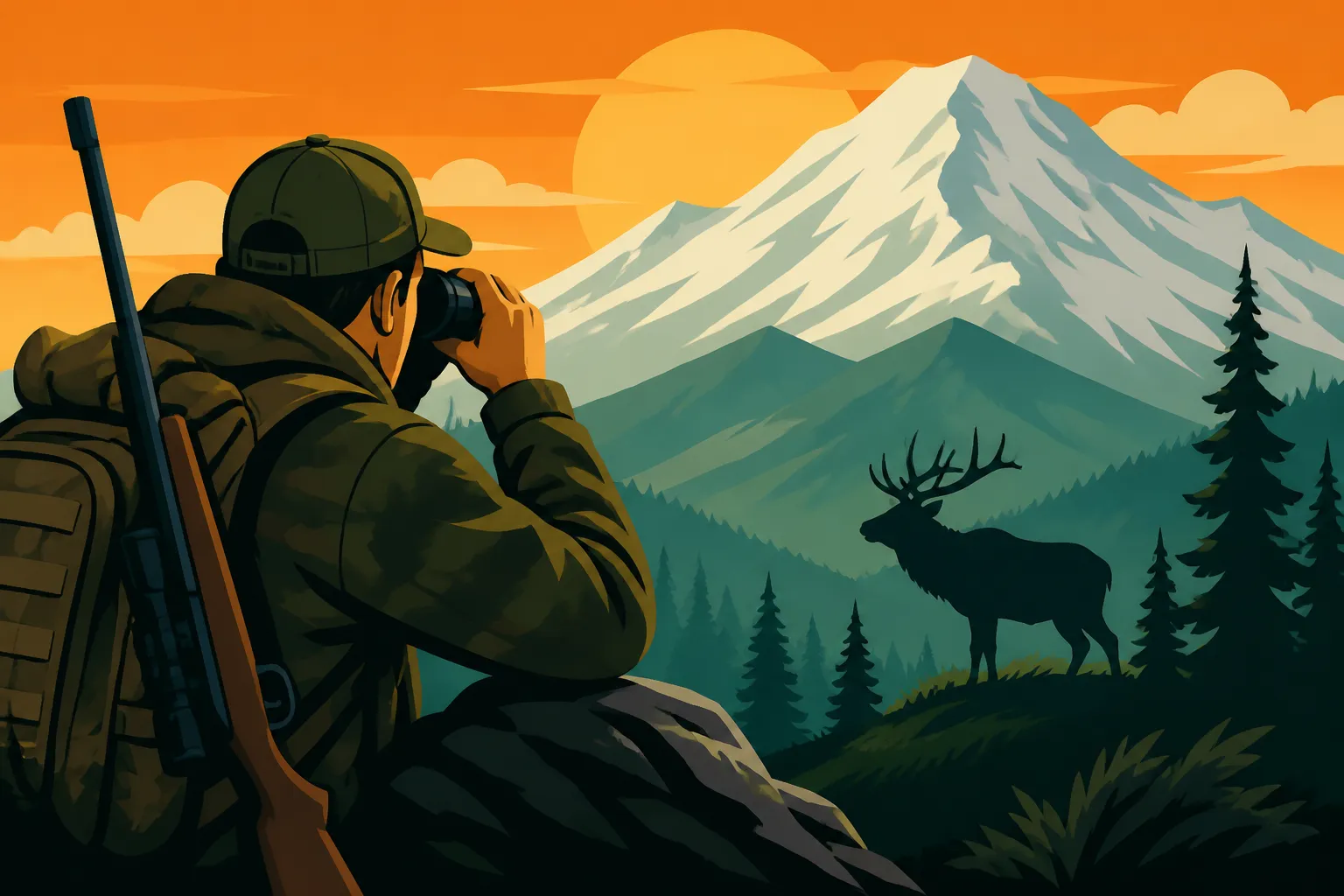
For hunters venturing into the eastern Cascades or the Blue Mountains wilderness areas, such as the Pasayten or Wenaha-Tucannon, glassing from high vantage points is often the most productive strategy. These areas feature expansive basins, open slopes, and scattered timber, allowing you to cover vast amounts of ground with your optics.
Investing in quality binoculars (10×42 or even 15×56 for truly open country) and a spotting scope mounted on a sturdy tripod is crucial. Choosing Binoculars for Washington Glassing and Spotting Scopes and When You Need One can offer more detail. Set up early in the morning or late in the evening on a point that overlooks a large drainage or basin. Systematically grid the landscape, looking for any movement, a patch of hide, or an antler tip. Animals in these areas will often feed in open meadows or along timber edges during low-light hours and then bed down in shaded timber pockets or on north-facing slopes as the sun climbs higher. Patience is key; you might sit for hours before an animal reveals itself. Once spotted, you can then plan your stalk, using the topography to conceal your approach, often leading to long, physically demanding moves.
Still-Hunting Timber and Thick Cover
Western Washington's wilderness, including much of the Alpine Lakes, Glacier Peak, and Olympic National Forest wilderness, is characterized by dense timber, thick undergrowth, and steep terrain. Here, still-hunting becomes your primary tactic. This involves moving incredibly slowly and deliberately through the forest, pausing frequently (sometimes for 10-15 minutes or more) to observe, listen, and scan the surroundings before taking another step.
Your senses will be your most important tools. Listen for the snap of a twig, the rustle of leaves, or the soft blowing of an animal. Watch for subtle indicators like the horizontal line of an elk's back in a sea of vertical trees, the flicker of an ear, or patches of hide in the shadows. Pay close attention to the wind, as elk and blacktail deer rely heavily on their noses. Move into the wind or with a crosswind, always being mindful of thermals that can shift direction with the rising or falling sun. Still-Hunting Blacktails in Wet Washington Brush provides excellent insights into this technique. This style of hunting demands extreme patience and focus, turning your hunt into a slow, methodical dance with the forest.
Remote Water Sources and Food Hotspots
Regardless of the specific terrain, game animals in wilderness areas, like anywhere else, are driven by their need for food, water, and security. Identifying remote water sources and seasonal food hotspots is a highly effective tactic, especially later in the season or during dry spells.
In arid eastern Washington wilderness, even a small spring or a seep in a canyon bottom can be a magnet for deer and elk. Pay attention to game trails leading to and from these areas. On the west side, while water is generally abundant, animals will still gravitate towards specific seeps or small ponds, especially if they offer good cover nearby. For food, think about seasonal availability. Early season might find elk and deer feeding on lush grasses in avalanche chutes or high-alpine meadows. As the season progresses, they'll shift to browse, berries (like huckleberries which are common in much of Washington's wilderness), or mast crops. Hardwood draws or areas with specific shrubs can become key feeding grounds. Scout for these areas, or use your mapping tools to identify south-facing slopes that might hold green forage longer, or north-facing slopes that offer cooler bedding cover. Animals will often stage in these transition zones between feeding and bedding areas, making them prime spots for an ambush.
| Wilderness Area | Primary Game | Terrain | Key Access Note |
|---|---|---|---|
| Pasayten Wilderness | Mule Deer, Rocky Mountain Elk, Moose | High alpine, open basins, scattered timber | Many trailheads off Forest Service roads, often long drives. |
| Wenaha-Tucannon Wilderness | Rocky Mountain Elk, Mule Deer | Steep canyons, timbered ridges | Access from Blue Mountains, requiring good conditioning. |
| Alpine Lakes Wilderness | Roosevelt Elk, Blacktail Deer, Mountain Goat | Granite peaks, deep valleys, mixed timber | Popular hiking area, can have more recreational traffic. |
| Glacier Peak Wilderness | Roosevelt Elk, Blacktail Deer, Mountain Goat | Glaciated peaks, dense forest, very remote | Extremely rugged and remote, multi-day pack-ins common. |
| Olympic Wilderness | Roosevelt Elk, Blacktail Deer, Mountain Goat | Rainforest, dense timber, coastal ranges | Complex access due to National Park boundaries; focus on adjacent National Forest Wilderness. |
Game Specific Opportunities and Challenges
Washington's wilderness areas host a variety of big game, each presenting its own unique set of opportunities and challenges. Understanding the specific habits and habitats of these animals within a wilderness context is key to tailoring your hunt.
Elk Hunting in Wilderness
Elk hunting in Washington's wilderness is often the pinnacle of the experience. On the west side, you'll be chasing Roosevelt elk, which thrive in the dense, wet forests of areas like the Olympic Wilderness, Glacier Peak, and parts of the Alpine Lakes. Roosevelt Elk of Western Washington can be incredibly elusive in this thick cover, often moving silently through the timber. Calling during the September archery season can be highly effective, as bulls are vocal and aggressive. Archery Elk Hunting in Washington's September Season However, getting within range often means navigating dense vegetation, and a successful shot is just the beginning of the monumental task of Packing an Elk Out of Washington's Backcountry.
On the east side, the Rocky Mountain elk of the Pasayten and Wenaha-Tucannon wilderness areas often prefer more open country, making glassing a primary tactic. They can still be found in thick timber pockets, especially during the heat of the day. The challenges here are often the extreme elevation changes, the vast distances, and the dryness of the terrain. Whether Roosevelt or Rocky Mountain, these wilderness elk are typically less pressured than those found closer to roads, and thus can exhibit more natural behaviors, making for an incredibly rewarding, albeit demanding, hunt.
Deer Hunting in Wilderness
Deer hunting in Washington's wilderness also offers distinct experiences. In the eastern wilderness areas like the Pasayten or Wenaha-Tucannon, you'll be pursuing mule deer. These majestic animals are often found in the high country, above timberline or in scattered timbered basins, particularly during the early archery or muzzleloader seasons. Mule Deer of Eastern Washington They're known for their impressive racks, and the reduced pressure in wilderness often allows them to grow older. Glassing is critical here, picking apart rock slides, sparse timber, and open slopes for a bedded buck. Their tendency to "walk off" after being spooked, rather than running wildly like whitetails, can sometimes offer a second chance if you're patient and smart.
On the west side, the dense forests of the Olympic, Glacier Peak, and Alpine Lakes wilderness areas are home to the elusive Columbian blacktail deer. Columbian Blacktail Deer in Western Washington These deer are masters of camouflage, disappearing into the thick undergrowth with uncanny ability. Still-hunting and reading sign become paramount. Look for rubs, scrapes, and fresh tracks in the dark timber. Their rut timing can also present unique opportunities for rattling or grunting. Blacktail Rut Timing in Western Washington Harvesting a mature blacktail buck in true wilderness, often within spitting distance, is a testament to silent movement and keen observation.
Special Permit Species and Once-in-a-Lifetime Hunts
Washington's wilderness areas are also critical habitats for some of the state's most sought-after and elusive big game species, often requiring special draw permits. These are truly once-in-a-lifetime hunting opportunities. Mountain goats can be found in the rugged, high-alpine terrain of the Olympic, Glacier Peak, Goat Rocks, and Alpine Lakes wilderness areas. Washington Mountain Goat Permits Their habitat is extremely demanding, requiring exceptional physical fitness and mountaineering skills. Similarly, bighorn sheep inhabit specific areas of the Pasayten and Wenaha-Tucannon wilderness, offering incredible challenges for those lucky enough to draw a tag. Washington Bighorn Sheep Permits And while rare, the northeastern reaches of the Pasayten Wilderness occasionally yield moose permits. Washington Moose Permit Numbers
For these species, success hinges not only on drawing a tag but on extensive, often multi-year, scouting and preparation. These hunts demand a deep understanding of the animal's behavior and habitat, as well as a high level of physical and mental resilience. Resources like GoHunt can be incredibly useful for researching draw odds, unit statistics, and getting a deeper understanding of the specific requirements for these unique wilderness challenges. These hunts are the ultimate test of a hunter's skills and dedication, offering rewards beyond the harvest itself.
Safety, Ethics, and Emergency Preparedness
Hunting in Washington's wilderness areas carries inherent risks that demand a proactive approach to safety and a strong commitment to ethical practices. Unlike areas with roads or easy access, help can be days away, making self-reliance and preparedness absolutely critical.
Wilderness Safety Essentials
The unforgiving nature of wilderness requires a comprehensive approach to safety. First, weather can change in an instant, especially in the mountains. A sunny morning can turn into a whiteout blizzard or a torrential downpour by afternoon. Always check forecasts, but be prepared for any conditions, even if they aren't predicted. Carry appropriate layers, including rain gear, and know the signs of hypothermia and how to treat it. Layering for Wet Cold Weather and Rain Gear for Westside Hunting are excellent resources.
Navigation is paramount. Relying solely on a cell phone app is a recipe for disaster when batteries die or signals disappear. Always carry a physical map, a compass, and know how to use them. A robust GPS unit with downloaded offline maps should be considered mandatory. Downloading Offline Maps for Washington Knowing your planned route, identifying potential bailout points, and understanding your location at all times are non-negotiable. If you're hunting solo, which many wilderness hunters do, the stakes are even higher. Always file a detailed trip plan with someone responsible back home, including your exact route, planned campsites, and expected return date. Solo Hunting Safety Precautions
Ethical Hunting and Leave No Trace Principles
The ethical hunter understands that their presence in the wilderness is a privilege, not a right. This means adhering strictly to all hunting regulations, but also embracing the Leave No Trace principles. Pack out absolutely everything you pack in, including all trash, spent casings, and even food scraps. Minimize your impact on campsites by using durable surfaces, keeping fires small (if permitted), and packing out human waste if no other facilities are available.
Beyond the environmental aspect, ethical hunting extends to your conduct in the field. This includes making clean, ethical shots, diligently tracking wounded game, and ensuring proper meat care. In the wilderness, where packing out an animal can be a multi-day ordeal, meticulous field dressing and cooling are vital to preserving the meat. Field Dressing in Warm Early-Season Weather is essential reading. Respect for the animals, the land, and other wilderness users (hikers, backpackers, other hunters) is a hallmark of a responsible wilderness hunter. Remember, the future of these wild places, and our access to them, depends on our collective stewardship.
Emergency Communication and First Aid
In Washington's wilderness, cell service is a rare luxury. You simply cannot count on your phone for communication, let alone emergencies. This makes dedicated emergency communication devices essential. A satellite messenger, such as a Garmin inReach or Zoleo, allows you to send and receive text messages, track your location, and most importantly, initiate an SOS call to emergency services if you face a life-threatening situation. These devices are worth every penny for the peace of mind they provide. Satellite Messengers for Solo Washington Hunts
Furthermore, a comprehensive first aid kit is not just a suggestion; it's a necessity. It needs to be robust enough to handle common hunting injuries—blisters, sprains, cuts, and even more serious trauma—until professional help can arrive, which, as mentioned, could take a very long time. Know how to use everything in your kit. Consider taking a wilderness first aid course, as standard first aid often doesn't adequately prepare you for the realities of remote, prolonged care. Knowing basic wound care, how to immobilize an injury, and how to manage shock can make all the difference in a wilderness emergency.
Challenges and Rewards of Wilderness Hunting
Hunting in Washington's wilderness is not for everyone. It demands more, takes more, and pushes you further than almost any other type of hunt. But for those who embrace it, the rewards are often far greater than just a filled tag.
The Physical and Mental Gauntlet
Let's be honest: wilderness hunting is tough. It's a relentless physical challenge that will test your endurance, strength, and pain tolerance. You'll climb thousands of feet, navigate difficult terrain, and carry heavy loads. The physical exertion can be immense, pushing you to your absolute limits, especially when you're Quartering and Packing an Elk Solo. But beyond the physical, there's a profound mental gauntlet. The solitude can be unnerving for some, the weather can be demoralizing, and the lack of immediate success can lead to frustration and self-doubt. You'll face moments of extreme fatigue, discomfort, and perhaps even fear.
However, overcoming these challenges builds resilience and character. The satisfaction of pushing through when your body screams for rest, of navigating effectively when the trail disappears, and of persisting when game seems nowhere to be found, forges a different kind of hunter. It's a deep, personal battle that, win or lose, leaves you stronger and more self-aware. The sense of accomplishment that comes from harvesting an animal in these conditions is unmatched because you truly earned it, every painful step of the way.
Unplugging and Reconnecting
One of the most profound rewards of hunting in Washington's wilderness is the opportunity to truly unplug from the constant noise and distractions of modern life. Without cell service, internet, or the ever-present demands of daily routines, you are forced to be present, to fully immerse yourself in the natural world. The endless scroll is replaced by the scanning of distant ridges, the notifications by the whisper of the wind through the pines, and the curated feeds by the raw, unfiltered reality of the wild.
This forced disconnection allows for a deep reconnection—with yourself, with nature, and with the primal rhythm of the hunt. You begin to notice things you'd otherwise miss: the intricate patterns of animal tracks, the subtle shifts in the wind, the incredible beauty of an alpine sunrise. It's an opportunity for quiet introspection, for gaining perspective, and for rediscovering a fundamental part of what it means to be human. The clarity and peace found in these remote places are a powerful antidote to the stresses of the everyday, offering a spiritual reset that few other activities can provide.
Preserving the Wilderness Experience
As hunters, we have a unique and vital role to play in preserving the wilderness experience for future generations. We are often the first to notice changes in wildlife populations, habitat health, or the impacts of human encroachment. Our dedication to ethical hunting, conservation funding through license and tag purchases, and advocacy for wild places are all critical components of ensuring these unique opportunities endure.
By embracing the principles of Leave No Trace, by reporting poaching or wildlife violations, and by actively participating in discussions about public land management, we become powerful stewards of these invaluable resources. Wilderness hunting is more than just a pursuit of game; it's a profound connection to the land and a commitment to its protection. The enduring legacy of wild places, where future hunters can still seek challenge and solitude, relies on the actions we take today. It's a tough but essential commitment, ensuring that the call of the wild will continue to echo through Washington's magnificent wilderness areas for years to come.
Disclaimer
This article is for general informational purposes only and does not constitute professional advice. Laws, prices and regulations vary by location and change over time. Consult a qualified professional for guidance on your specific situation.