Layering for Wet Cold Weather
Effective clothing layering for Washington hunters prevents hypothermia by keeping skin dry when cold moisture conducts heat away fast.
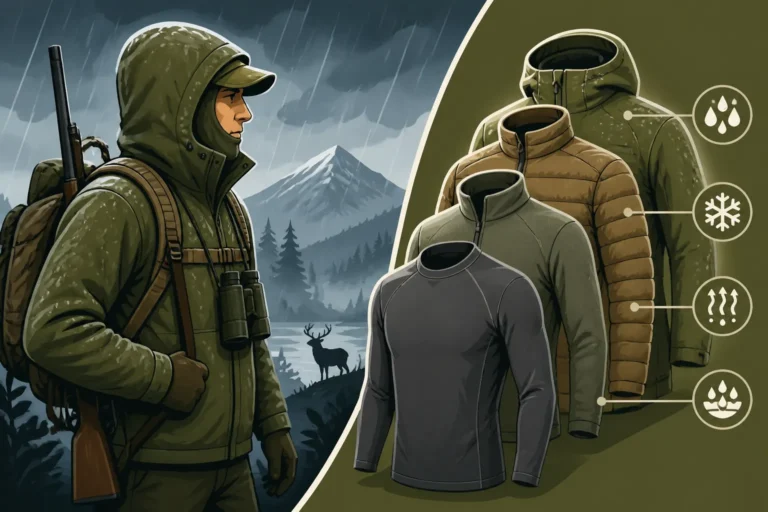
Effective clothing layering for Washington hunters prevents hypothermia by keeping skin dry when cold moisture conducts heat away fast.
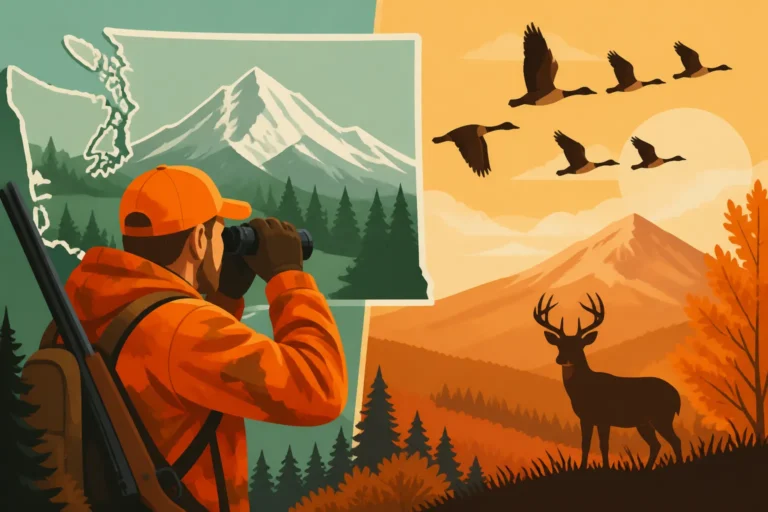
November snowstorms and food scarcity drive big game migration in Washington, influencing late season hunting strategies.
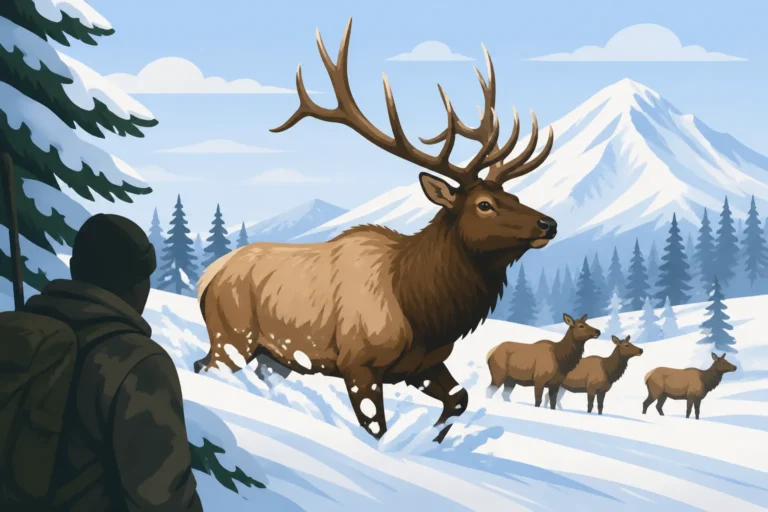
Elk behavior in deep snow shifts toward energy conservation, lower elevations, and south facing slopes to survive the winter.
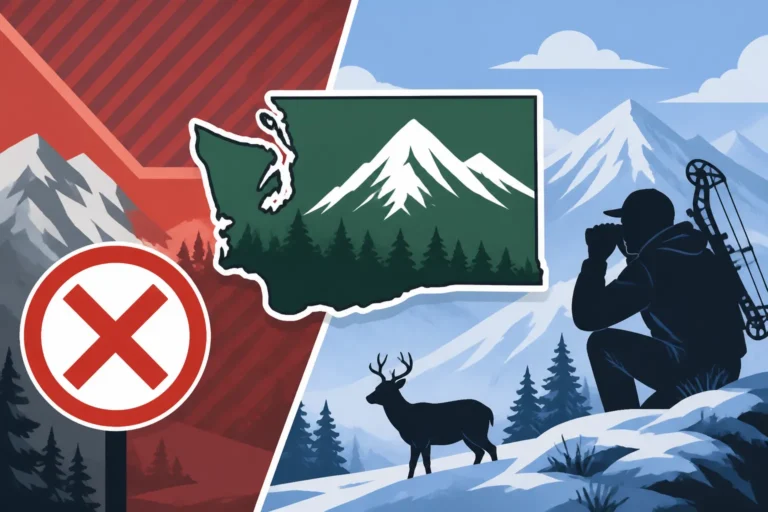
Washington winter range closures protect big game during snowstorms, explaining road and area limits that end late hunts.
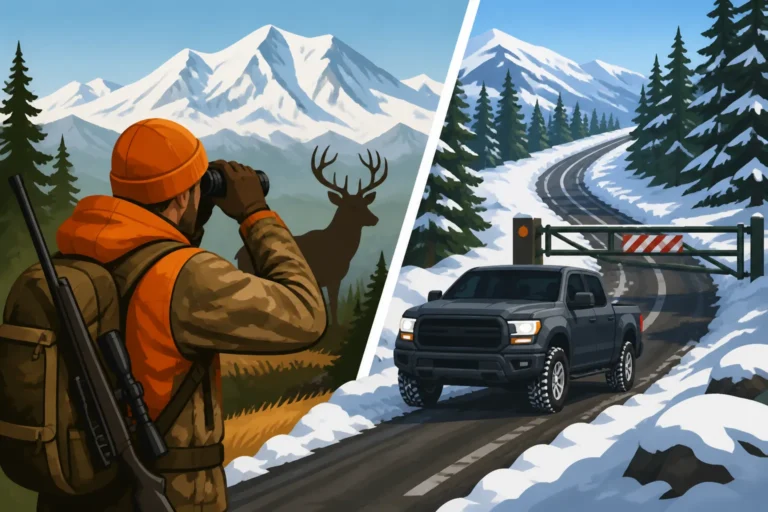
Late-season Washington hunting snow and road access closures explained, showing regional regional weather impacts and winter vehicle challenges.
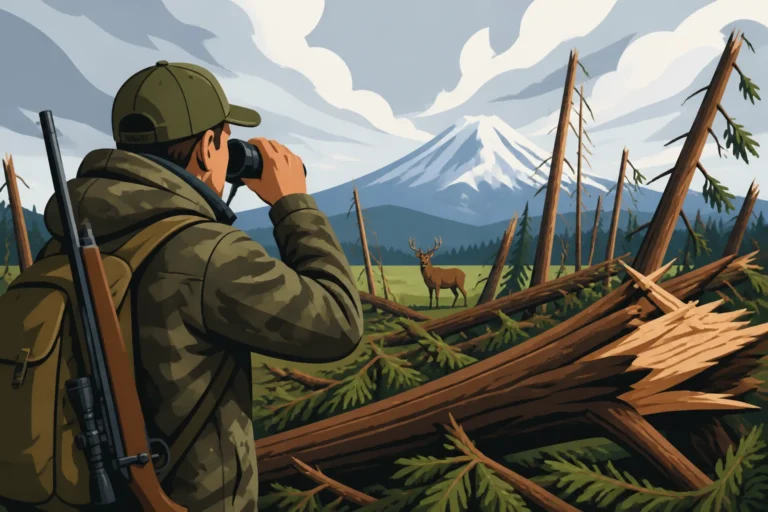
Washington windstorm blowdowns create hazardous hunting challenges and alter game movement, requiring new strategies for deer and elk.
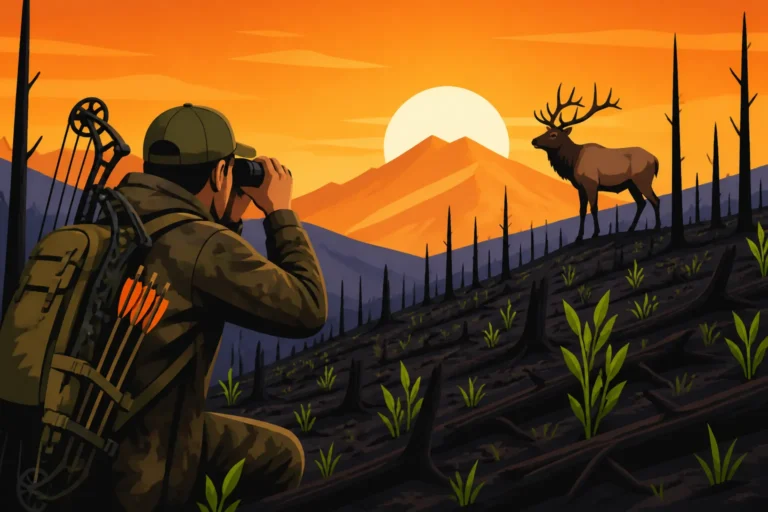
Elk hunting in Washington wildfire burns requires adapting tactics to locate fresh forage and navigating altered landscapes.
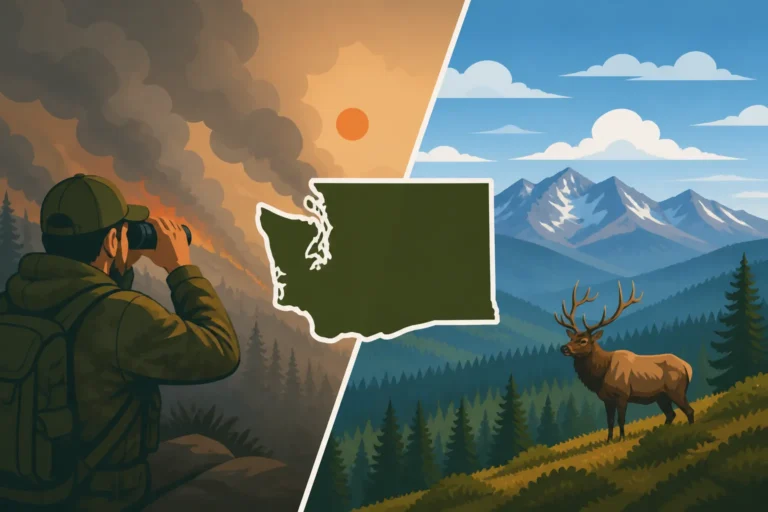
Wildfire smoke and controlled burns reduce visibility for Washington hunters, but practical strategies help adapt glassing tactics.
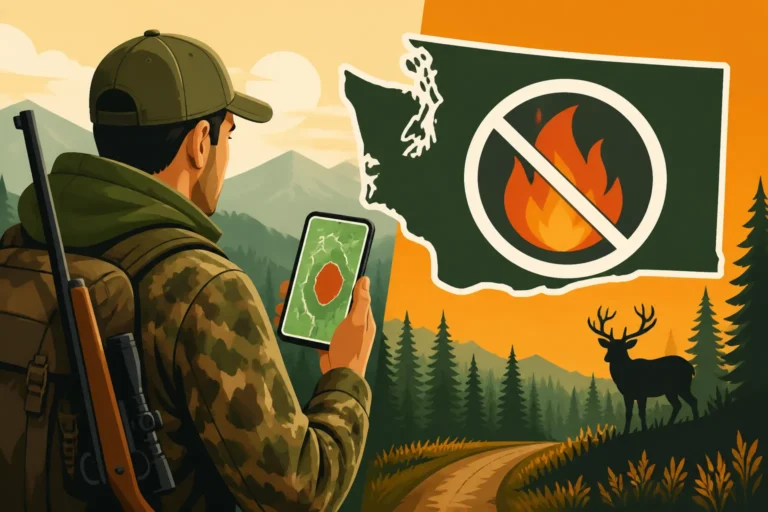
Washington wildfire closures and restriction levels impact public hunting access across national forests and state lands.
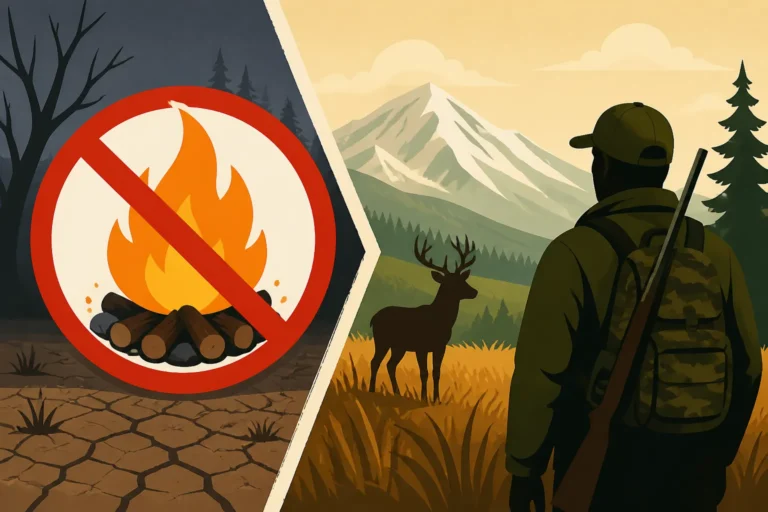
Washington fire restrictions during dry hunting seasons explain how vehicle exhausts and campfires ignite tinderbox vegetation.