Hunting Migration Timing in November
November in Washington state can be a challenging time for hunters. One day, the hills are relatively clear, and the next, a heavy snowstorm rolls in, completely changing the landscape and the behavior of the game animals you've been pursuing. Understanding how and when big game animals like elk and deer migrate is absolutely crucial for success during these late seasons. This guide will walk you through the factors influencing these crucial November movements, giving you the insights you need to adapt your hunting strategy and stay on track with the herds.
Why November Triggers Washington's Big Game Migration
As autumn deepens and November sets in, Washington's high country begins to tell a tale of changing seasons. For many big game species, this month marks a significant shift from their summer and early fall ranges to more hospitable wintering grounds. It's not just a casual stroll; these migrations are a fundamental survival mechanism, driven by ancient instincts to find food, shelter, and more moderate conditions as harsh winter weather descends.
For hunters, recognizing these patterns isn't just academic—it's the difference between seeing game and coming home empty-handed. Animals that were once scattered across vast, higher elevation basins and timbered ridges will start funneling down into predictable corridors. Knowing when and where these movements occur can place you directly in their path, turning a tough late-season hunt into a memorable experience. The timing is rarely exact year-to-year, but the reasons for the migration remain constant, allowing us to predict general trends.
Key Factors Driving Migration: Snow, Feed, and Pressure
Understanding the specific triggers that initiate and guide migration is essential for any hunter looking to capitalize on November's opportunities. It's a complex interplay of natural forces and, yes, even hunter activity.
The Overwhelming Influence of Snowfall
Without a doubt, snow is the single biggest catalyst for migration in Washington. While a dusting might not move animals much, a significant accumulation at higher elevations will push them down like clockwork. Think about it: deep snow makes foraging incredibly difficult. As the snow deepens, animals expend more energy to move, and their primary food sources become buried.
For Rocky Mountain elk and mule deer in Eastern Washington, this means a steady descent from the high peaks and timbered slopes of areas like the Blue Mountains or the Okanogan Highlands. A foot or more of snow can trigger massive movements, especially if it's sustained. These animals will seek out lower elevations, often favoring south-facing slopes where snow melts faster and new forage might be available. This is when paying close attention to forecasts for significant snow events, particularly at certain elevation bands, becomes critical. You'll often find that the first major, persistent snow above 4,000 feet will set these migrations in motion, pushing animals towards known winter ranges. Knowing about Late-Season Hunting in Washington Snow can truly transform your approach.
Food Availability and Winter Range Dynamics
Beyond the immediate threat of snow, the dwindling availability of palatable forage at higher elevations plays a long game in migration. As plants go dormant and nutritional value drops, animals naturally seek areas with more abundant or accessible food. Winter ranges, often at lower elevations or in specific habitat types, are crucial because they typically offer browse that can sustain animals through the lean months.
For elk, this might mean moving to areas where they can browse on bitterbrush, serviceberry, or even agricultural fields if permitted and accessible. Mule deer will often seek out sagebrush flats or south-facing slopes with residual grasses and forbs. Roosevelt elk and blacktail deer in Western Washington experience less dramatic vertical migration than their eastern counterparts. However, even they will shift from higher-elevation clearcuts to dense, low-elevation timber for thermal cover and browse as the persistent rain and colder temperatures settle in. These shifts are often less about snow and more about seeking shelter and evergreen browse. Many areas have Washington Winter Range Closures That End Late Hunts to protect these vital feeding grounds, so always check WDFW regulations.
The Impact of Hunting Pressure
We can't ignore the role hunters themselves play in migration timing. While natural factors are primary drivers, consistent pressure can certainly influence how quickly animals move and which routes they take. Early-season hunts in high country can cause animals to become more nocturnal or to relocate to thicker, more remote areas. As more hunters flood the woods in November, particularly during rifle seasons, this pressure can accelerate movements down to lower, often more secure, wintering grounds.
Imagine a herd of elk that's been lightly pressured on a high ridge. A sudden influx of hunters, especially combined with a few inches of snow, can cause them to abandon that area rapidly. They might not move all the way to their traditional winter range in one go but might stage in transitional zones or unexpected pockets of cover for a few days, making them a moving target. This is why knowing how to interpret recent sign and adapting to where animals aren't is just as important as knowing where they should be.
Hunting Strategies for November Migrations Across Washington
Successfully hunting migrating animals in November demands a flexible approach and a keen understanding of the landscape. It's not a one-size-fits-all strategy, as the dynamics change from the Cascades to the Blues and from blacktails to Rocky Mountain elk.
Focusing on Migration Corridors and Funnel Points
One of the most effective strategies for hunting migrating game is to identify and focus on natural migration corridors. These are the paths animals consistently use year after year to move between their summer and winter ranges. Think saddles between drainages, narrow ridges, benches leading down steep slopes, or even specific creek bottoms. These areas act as funnels, concentrating animals that would otherwise be widely dispersed.
To identify these, you'll want to do some serious e-scouting and on-the-ground scouting. Platforms like GoHunt provide excellent tools for analyzing topography, identifying potential travel routes, and marking historical animal sign. Look for logical pathways that offer easy travel, thermal cover, and escape routes. Often, these corridors are not the thickest, nastiest spots, but rather areas that provide a good balance of cover and efficient movement. In Eastern Washington, these might be draws and canyons that lead from high plateaus down to river valleys. For Roosevelt elk in the west, they could be older logging roads or well-used game trails that traverse different elevations. Understanding Public Land Scouting in Washington Before Opening Day is crucial for this kind of preparation.
Hunting Transition Zones and Staging Areas
Animals rarely migrate in a single, non-stop push. Instead, they often move in stages, pausing in "transition zones" or "staging areas" along their route. These are often mid-elevation areas that offer temporary refuge, available food, and good visibility, allowing them to assess conditions before continuing their journey.
These staging areas can be absolute goldmines for hunters. They might be a patch of timber overlooking a lower clearcut, a series of benches on a north-facing slope that gets sun later in the day, or even specific drainages that accumulate less snow. Animals might hold up here for a few days, waiting for a break in the weather or an opportunity to move under the cover of darkness. This is where patience and observation pay off. You might need to adjust your Still-Hunting Pace in Wet Brush or spend extended periods glassing to pick apart these areas, especially during the intermittent snows of November.
Adapting to Weather and Predicting Movement
November weather in Washington is notoriously fickle, and successful hunters are constantly checking the forecast. A heavy snow accumulation followed by a clear, cold snap can drastically change animal behavior. They might move quickly during the storm, then hunker down on a sunny, south-facing slope once the skies clear.
Pay attention to elevation-specific forecasts. Knowing if snow is predicted at 3,000 feet versus 5,000 feet can help you pinpoint where animals will be pushed to or held up. If a significant cold front is coming, animals will prioritize thermal cover, often moving into dense timber or deep draws. Conversely, after a snowfall, they'll seek out sunny slopes to warm up and find exposed forage. This constant adaptation to conditions is key. Knowing about Elk Behavior in Deep Snow or Tracking Bucks in Fresh Eastern Washington Snow will give you a leg up when conditions turn severe.
Leveraging Resources to Predict Migration
In the modern hunting landscape, we have more tools than ever to help us understand and predict animal movements. Don't leave your success to chance when you can leverage data and mapping to make informed decisions.
WDFW Resources and Online Mapping
The Washington Department of Fish and Wildlife (WDFW) is an invaluable resource. Their annual hunting pamphlets provide detailed season dates, GMU boundaries, and specific rules that might affect your hunt during migration periods, such as special winter range closures. You can find maps of Washington Game Management Units Explained and regulations specific to them.
Beyond the pamphlet, the WDFW website offers interactive mapping tools that can show you designated winter ranges, private lands enrolled in access programs, and even historical harvest data. While they won't predict exact daily movements, knowing where crucial winter habitat lies gives you a starting point for identifying migration corridors. Many GMUs have specific rules regarding Washington Roads Closed to Protect Wintering Deer to protect these vulnerable migration paths.
Advanced Mapping Platforms and Weather Apps
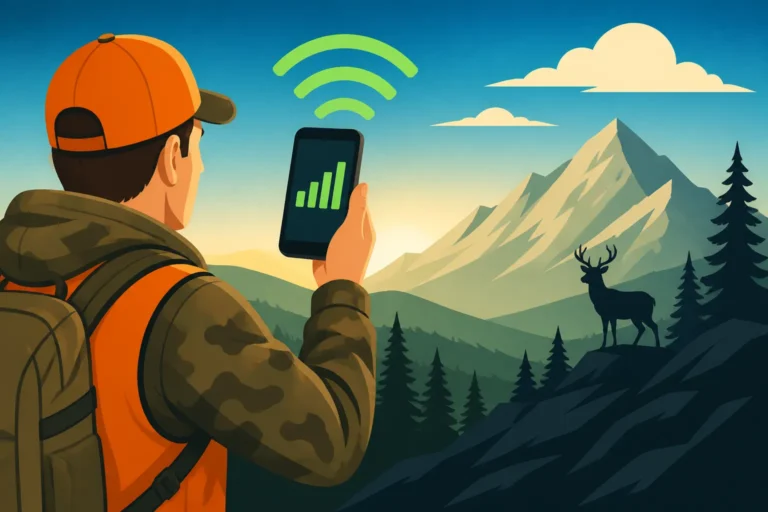
For next-level preparation, investing in a robust mapping application like GoHunt or OnX Hunt is highly recommended. These platforms allow you to overlay private and public land boundaries, topo maps, satellite imagery, and even historical wildfire data. You can mark potential bedding areas, feeding zones, and, most importantly for November, migration funnels.
Here's how a platform like GoHunt can help:
| Feature | Benefit for November Migration Hunting |
|---|---|
| Topographical Maps | Identify saddles, ridges, and draws animals will naturally follow. |
| Satellite Imagery | Pinpoint clearcuts, timber density, and open areas animals might cross. |
| Public/Private Land | Ensure legal access to migration corridors. |
| Weather Overlays | Track snowfall depth and elevation-specific forecasts directly on your map. |
| Historical Data (GoHunt) | Analyze past harvest trends and animal sightings in specific units. |
Pair these mapping tools with reliable weather apps that provide detailed hourly forecasts and snow accumulation predictions for specific elevations. Knowing when the next storm is hitting and at what elevation the snow level will drop can dictate where you should be hunting that day. For example, if heavy snow is coming above 4,000 feet, focusing on the 2,500-3,500 foot band immediately beforehand, or as the storm breaks, can be incredibly productive for Glassing Eastern Washington Breaks for Mule Deer. This kind of detailed E-scouting can save you valuable time and effort in the field.
On-the-Ground Reconnaissance and Local Knowledge
While technology is powerful, nothing beats on-the-ground reconnaissance. If you have the opportunity, scout the areas you plan to hunt before November. Look for well-used game trails, rubs, old beds, and natural choke points. Even if animals aren't actively migrating, these signs can reveal their preferred routes.
Talking to locals, timber workers, or WDFW biologists can also provide invaluable insights into historical migration patterns in specific areas. They might know about a particular drainage that always funnels elk during the first big snow or a ridge where mule deer consistently cross. This local knowledge, combined with your own scouting and technological resources, forms the most comprehensive approach to hunting migration timing in November. Remember, wearing the right Boots for Steep Eastside Country or Rain Gear That Survives a Washington Westside Season during your scouting trips is just as important as during the hunt itself.
Disclaimer
Hunting is an inherently risky activity. Always prioritize safety, adhere to all Washington Department of Fish and Wildlife regulations, and respect private property. The information provided in this guide is for educational purposes only and should not replace proper training, local knowledge, or professional guidance. Conditions in the backcountry can change rapidly; be prepared for all eventualities and inform others of your hunting plans.